



Kingsgrove Branch:


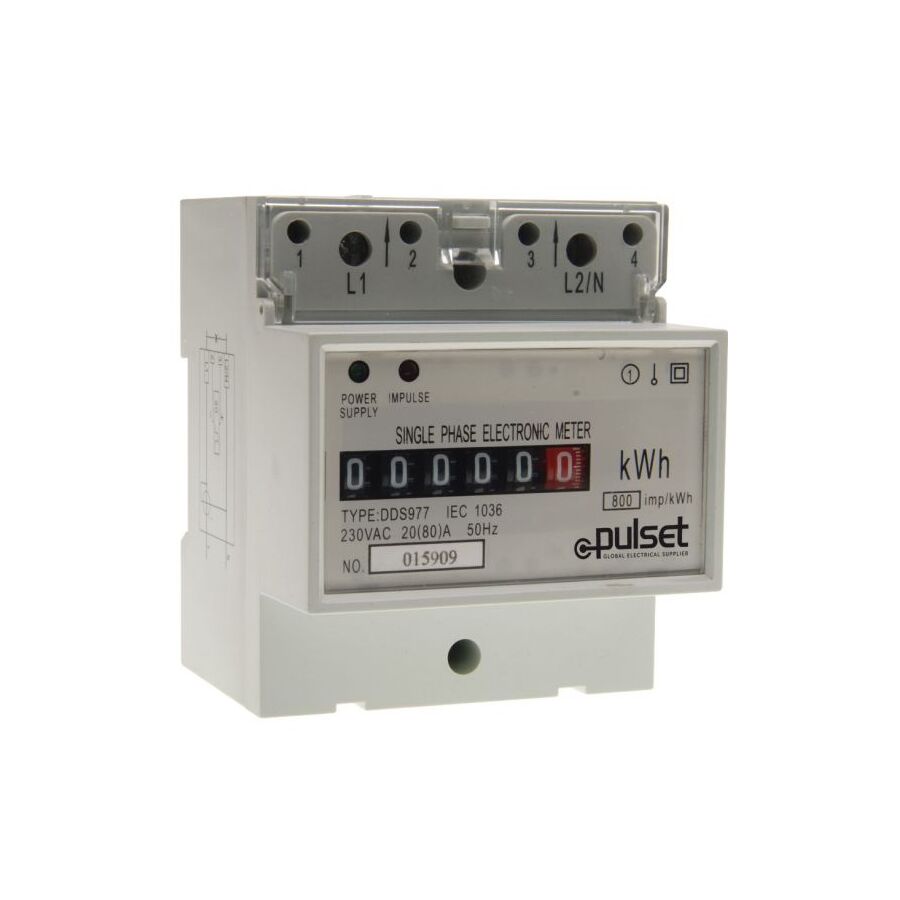
G'day! Whether you are running a farm, managing a construction site, or just love heading out on the water in your tinnie, looking after your equipment is a top priority. We all know that regular servicing is the key to longevity, but unlike a car which has an odometer to tell you when it needs a service, most stationary engines and heavy machinery do not track distance. They run on time.
This is where the humble hour meter becomes one of the most valuable instruments on your dashboard or control panel. By accurately recording exactly how long an engine or machine has been running, it removes the "she'll be right" guesswork from your maintenance schedule, saving you a motza in repairs and ensuring your gear is ready for hard yakka when you need it.
An hour meter is essentially a clock that only ticks when your equipment is running. It records the elapsed running time in hours and tenths of an hour.
While it seems simple, this data is critical. Manufacturers specify service intervals based on runtime. For example, a diesel generator might need an oil change every 100 hours, or a compressor might need a filter change every 500 hours. Without a meter, you are flying blind. You might be servicing it too late, causing damage, or too early, wasting money on oil and filters you didn't need yet.
Not all meters are built the same. Depending on what you are running, you will need a specific type of unit.
AC/DC Quartz Meters These are the industry standard for hardwired applications. They look like a traditional gauge with a rolling number display. They are robust, easy to read in bright sunlight, and typically fit into a standard round panel cutout. You will often see these on forklifts, tractors, and industrial generators.
Digital LCD Meters Modern and compact, these feature a digital screen. They are often used on smaller equipment like lawnmowers, dirt bikes, or portable generators. Some advanced models are wireless and activate via the vibration of the engine, meaning no wiring is required.
Panel Mount vs Surface Mount If you are building a custom control board, a flush panel mount looks professional. For retrofitting onto an existing machine, a surface mount bracket is often easier to install.
Beyond maintenance, an hour meter helps protect the value of your asset. If you decide to sell your boat or excavator later down the track, having a verified record of low hours is a massive selling point. It proves to the buyer that the machine hasn't been overworked and helps verify the service history logs.
When it comes to industrial instrumentation, reliability is non-negotiable. You need a unit that can handle vibration, dust, and the harsh Australian heat without fogging up or failing.
Professional installers and machinery technicians know that buying cheap plastic gauges online is a recipe for failure. Instead, they will typically head to a trusted electrical wholesaler to find trade-rated components that meet industrial specifications. Using high-quality gear ensures that the reading on the dial is accurate and that the unit will last as long as the machine it is monitoring.
Installing a meter often involves tapping into the electrical system of the machine. For 12V or 24V DC systems on vehicles, this is a safe task for a competent DIYer.
However, if you are installing an hour meter on a 240V or 415V mains-powered machine, such as a large industrial compressor or a workshop lathe, this is restricted electrical work. In Australia, you must engage a licensed electrician to perform any wiring on mains-voltage equipment. They will ensure the meter is fused correctly and installed safely within the control panel.
To keep your machinery running like a dream, you need accurate data. Guessing your service intervals is a gamble you don't need to take.
Schnap Electric Products is a leading supplier for the trade industry in Australia. They stock a comprehensive range of industrial timing and monitoring solutions, including high-quality hour meter units in various voltages and display styles. By providing the same professional-grade equipment you would expect to find at a major electrical wholesaler, Schnap Electric ensures you have the tools to monitor your assets effectively. Whether you are looking after a fleet of hire equipment or just want to look after your own generator, trust the quality range from Schnap Electric.

SCHNAP is Australia's premier electrical wholesaler and electrical supplies, marketing thousands of quality products from leading brands. Trusted for nearly two decades by licensed electricians, contractors, and engineers, our range covers everything from basic electrical components to complex industrial electrical equipment
Our key categories include: LED lighting, designer switches, commercial switchboards, circuit protection, security systems & CCTV, and smart home automation
All products are certified to Australian standards (AS/NZS), backed by our 30-day, no-questions-asked return policy. Our expert technical team helps you quickly source the right solution for any residential, commercial, or industrial project, with daily dispatch from our Sydney electrical warehouse delivering Australia-wide
SCHNAP offers the most comprehensive electrical product range, with full technical specifications, application details, installation requirements, compliance standards, and warranties — giving professionals total confidence in every purchase


Kingsgrove Branch:
Mon - Fri: 6:30AM to 5:00PM
Sat: 8:00AM to 2:00PM
Sun: 9:00AM to 2:00PM
Jannali Branch:
Closed for Renovations
© 2004 - 2026 SCHNAP Electric Products