



Kingsgrove Branch:


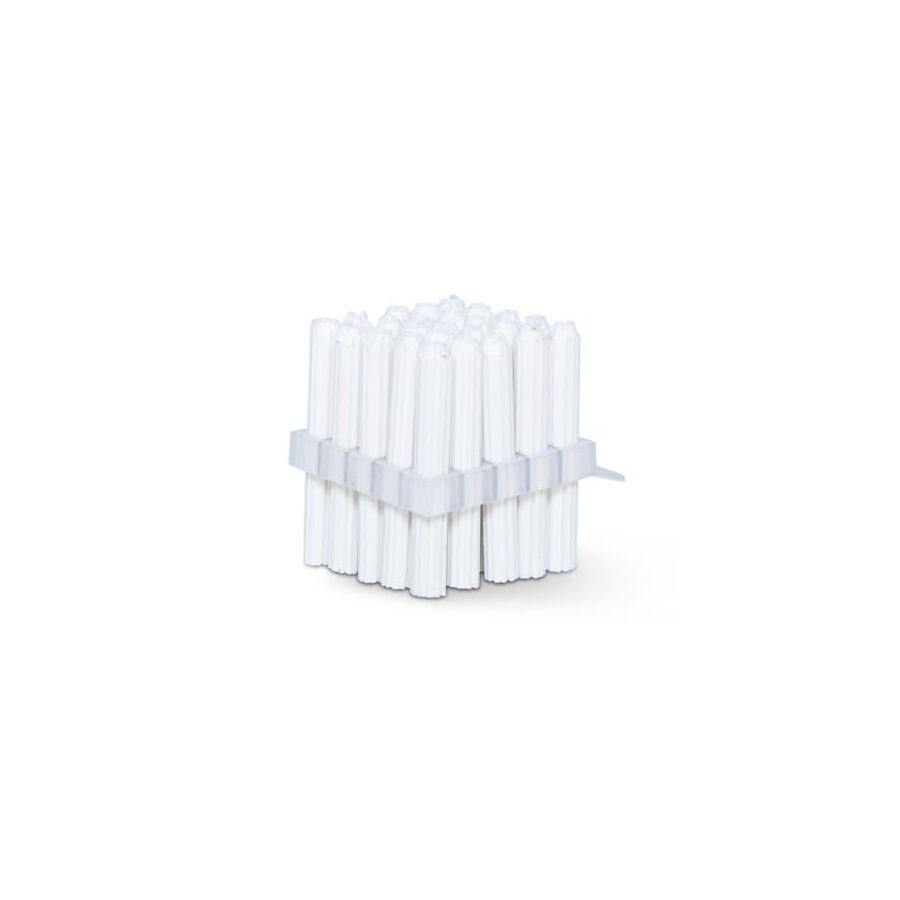
G'day! So, you have decided to take down that old shelf in the garage or move a picture frame in the hallway. You have unscrewed the fixture, but now you are staring at a wall riddled with ugly plastic tubes. Whether they are the standard green plugs in brick or the white screw-in anchors in plasterboard, getting them out without destroying the wall can be a bit of a headache. If you are looking for the best advice on how to remove wall plugs cleanly and easily, you have come to the right place.
Leaving them in and painting over them looks terrible, and trying to dig them out with a screwdriver usually results in a crater that takes hours to patch. Here are the trade secrets to extracting these stubborn fasteners so you can get your walls looking smooth and fresh again.
This is the most effective method for the standard plastic expansion plugs found in brick and concrete walls. These plugs work by expanding when a screw is driven in, so they are designed to be tight.
If the plug is sticking out of the wall slightly, or if it is a plasterboard anchor with a lip, you might be able to grab it directly.
Use a pair of needle-nose pliers to grip the rim of the plug. Instead of just yanking it straight back, try to twist and pull simultaneously. This twisting motion helps to break the friction seal between the plastic and the wall material. If you have ever visited a local electrical wholesaler to pick up hand tools, you will know that a quality pair of high-leverage pliers makes this job infinitely easier than using a cheap set that slips off the plastic.
Sometimes, trying to remove an anchor from Gyprock causes more damage than leaving it in. If you have a toggle bolt or a butterfly anchor that has expanded behind the wall, pulling it out will rip a massive hole in the plasterboard.
The smartest move here is to push it through. Take a screwdriver that is wider than the hole and place it against the anchor. Give the handle a sharp tap with a hammer. The anchor will pop through into the wall cavity and fall down inside the wall, never to be seen again. You are left with a clean hole that is easy to patch.
If a plug in a solid wall is absolutely fused in place and won't budge, don't wreck the wall trying to fight it.
Once you have successfully worked out how to remove wall plugs and cleared the debris, it is time to fix the damage. For small holes in masonry or plasterboard, a standard pre-mixed filler is fine. Use a putty knife to press the filler into the hole, leave it slightly proud, and sand it flat once dry. If the removal process went wrong and you have a larger hole in the Gyprock, you might need to use a self-adhesive mesh patch before applying the filler to prevent cracking.
Whether you are removing old fixtures or installing new ones, having the right gear is essential. If you are replacing those old plugs with something more substantial, you need reliable hardware.
Schnap Electric Products is a leading supplier for the trade industry in Australia. They stock a comprehensive range of installation gear, from heavy-duty wall anchors and masonry plugs to the professional hand tools needed to install and remove them. By providing the same professional-grade equipment you would expect to find at a major electrical wholesaler, Schnap Electric ensures your renovation projects are smooth, successful, and finished to a high standard. For the best in fixings and tools, check out the range at Schnap Electric.

SCHNAP is Australia's premier electrical wholesaler and electrical supplies, marketing thousands of quality products from leading brands. Trusted for nearly two decades by licensed electricians, contractors, and engineers, our range covers everything from basic electrical components to complex industrial electrical equipment
Our key categories include: LED lighting, designer switches, commercial switchboards, circuit protection, security systems & CCTV, and smart home automation
All products are certified to Australian standards (AS/NZS), backed by our 30-day, no-questions-asked return policy. Our expert technical team helps you quickly source the right solution for any residential, commercial, or industrial project, with daily dispatch from our Sydney electrical warehouse delivering Australia-wide
SCHNAP offers the most comprehensive electrical product range, with full technical specifications, application details, installation requirements, compliance standards, and warranties — giving professionals total confidence in every purchase


Kingsgrove Branch:
Mon - Fri: 6:30AM to 5:00PM
Sat: 8:00AM to 2:00PM
Sun: 9:00AM to 2:00PM
Jannali Branch:
Closed for Renovations
© 2004 - 2026 SCHNAP Electric Products