



Kingsgrove Branch:


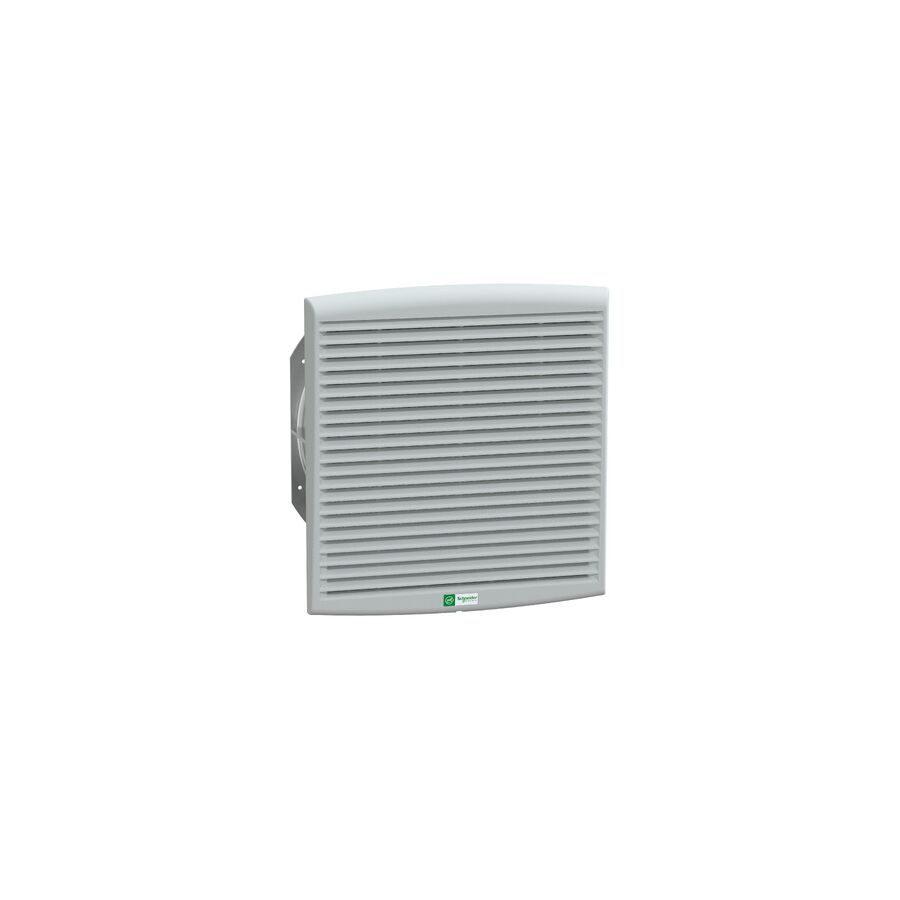
In Australian manufacturing, mining, and resources environments, air movement is a safety-critical system rather than a comfort feature. From fabrication workshops and food processing plants to smelters, grain terminals, and underground infrastructure, airborne contaminants and excess heat pose serious risks. Welding fumes, solvent vapours, combustible dust, and radiant thermal loads can accumulate rapidly if airflow stagnates. Left unmanaged, these conditions threaten worker health, damage equipment, and breach regulatory obligations.
The primary mechanical solution is the industrial ventilation fan. Unlike light commercial or residential air movers, industrial ventilation fan are engineered for continuous operation in harsh conditions. They are designed to move large volumes of air, often against resistance, while handling particulates, corrosive gases, or elevated temperatures. Their design and application must align with Australian Standards, particularly AS 1668.2, which governs mechanical ventilation in buildings. Correct selection is therefore a matter of engineering discipline, not brand preference.
The first design decision is airflow topology. Industrial ventilation systems generally fall into two categories based on resistance, or static pressure, within the airflow path.
Axial flow fans are selected for high-volume, low-pressure applications. They move air parallel to the motor shaft using aerofoil blades, similar to a propeller. Axial fans are well suited to general factory ventilation, smoke exhaust, and roof extraction where air travels a relatively straight path with minimal ducting. Their strength lies in moving very large volumes of air efficiently when resistance is low.
Centrifugal fans are chosen when the system includes ductwork, filtration banks, scrubbers, or bends that introduce significant resistance. These fans accelerate air radially using an impeller within a scroll housing, converting velocity into pressure. Backward-curved or backward-inclined impellers are common in industrial environments because they offer stable performance as filters load with dust. In processes such as fume extraction or dust collection, centrifugal fans maintain consistent airflow even as system impedance increases.
Selecting the wrong fan type leads to stalled airflow, excessive energy consumption, or premature mechanical failure. Matching the fan curve to the system curve is fundamental to reliable operation.
At the core of every industrial ventilation fan is its electric motor. In heavy engineering environments, single-phase motors are rarely adequate. The standard configuration is a three-phase induction motor operating at 415 volts and rated for S1 continuous duty. This rating ensures the motor can run indefinitely at its nominal load without overheating.
Motor construction is critical. Totally Enclosed Fan Cooled housings protect internal windings from dust and moisture. Insulation class also matters. In high-temperature environments, Class F or Class H insulation is required to withstand sustained thermal stress without degradation. Bearing selection must accommodate both radial loads from the impeller mass and axial thrust generated by airflow. Inadequate bearing specification is a common cause of unplanned downtime in ventilation systems.
Efficiency and reliability at the motor level directly influence operating costs and maintenance intervals across the life of the installation.
Many Australian industrial sites are classified as hazardous due to the presence of flammable gases or combustible dust. Grain handling facilities, petrochemical plants, and certain mining operations fall into this category. In these zones, a standard ventilation fan can become an ignition source.
Industrial ventilation fans used in hazardous areas must comply with IECEx certification requirements. This includes flameproof or increased safety motor designs and the use of non-sparking impeller materials. Aluminium bronze or anti-static polymer impellers are common choices. Critical clearances between impeller and casing are tightly controlled to prevent friction sparks. Installing non-certified equipment in a hazardous zone is a severe safety violation with potentially catastrophic consequences.
Correct classification of the area and selection of compliant equipment is therefore a non-negotiable step in system design.
Large ventilation fans impose significant electrical and mechanical stress during starting. Direct-on-line starting can draw high inrush current, stressing both the motor and the supply network. It can also shock mechanical components such as belts and bearings.
This is where integration with the Schnap Electric Products ecosystem becomes important. Motor control solutions typically include contactors, overload relays, and short-circuit protection housed within a motor control centre. For improved efficiency and reduced mechanical stress, variable speed drives are widely adopted. A VSD allows the fan speed to match actual demand, reducing energy consumption and noise while extending component life.
Local isolation is another critical requirement. Heavy-duty load-break switches installed adjacent to the fan allow maintenance personnel to lock out the power supply safely. This ensures the impeller cannot be energised during inspection or belt adjustment, meeting safety obligations and reducing risk.
Industrial ventilation fans generate noise and vibration as a natural consequence of moving air at scale. If unmanaged, these forces can propagate through building structures, causing fatigue, nuisance noise, and regulatory non-compliance.
Professional installations incorporate vibration isolation through spring mounts or neoprene pads that decouple the fan from structural steel. Flexible connectors between the fan and ductwork prevent vibration transmission into the duct system. In noise-sensitive environments, acoustic attenuators are installed on the inlet or discharge to reduce sound pressure levels to within acceptable limits.
Attention to vibration and acoustics not only protects personnel but also extends the service life of mechanical components.
An industrial ventilation fan is a rotating machine, and balance is critical. Poorly balanced impellers create excessive vibration that accelerates bearing wear and can lead to structural failure. Professional-grade fans are dynamically balanced to recognised standards such as ISO 1940-1.
Performance curves provided by reputable manufacturers detail airflow, pressure, and power consumption across the operating range. These curves are essential for confirming that the fan will perform as expected once installed. Deviations from published performance are often a sign of inferior construction or incorrect application.
The industrial ventilation market includes a wide range of imported equipment with varying quality. Fans built with poor-grade copper windings, thin casings, or unbalanced impellers pose serious safety risks. A mechanical failure at industrial speeds can be catastrophic.
Plant managers and mechanical contractors therefore source ventilation equipment through electrical wholesaler who verify compliance, performance data, and local warranty support. Access to compatible control gear, protection devices, and spares simplifies installation and long-term maintenance. A coordinated supply chain ensures the ventilation system operates as a unified, protected asset rather than a collection of mismatched components.
Even the best ventilation fan requires maintenance. Bearings need lubrication, belts require tension checks, and filters or ducting must be inspected for blockages. Designing the system with maintenance access in mind reduces downtime and improves safety. Condition monitoring, such as vibration analysis or current trending, can further extend asset life by identifying issues before failure occurs.
The industrial ventilation fan is the respiratory system of heavy engineering facilities. It safeguards worker health, preserves equipment, and underpins regulatory compliance. By selecting the correct axial or centrifugal topology, specifying robust three-phase motors, adhering to hazardous area requirements, and integrating reliable control infrastructure from suppliers such as Schnap Electric Products, Australian industry professionals can deliver ventilation systems that perform under pressure. In industrial environments, clean air is not a luxury. It is the foundation of safe and productive operations.

SCHNAP is Australia's premier electrical wholesaler and electrical supplies, marketing thousands of quality products from leading brands. Trusted for nearly two decades by licensed electricians, contractors, and engineers, our range covers everything from basic electrical components to complex industrial electrical equipment
Our key categories include: LED lighting, designer switches, commercial switchboards, circuit protection, security systems & CCTV, and smart home automation
All products are certified to Australian standards (AS/NZS), backed by our 30-day, no-questions-asked return policy. Our expert technical team helps you quickly source the right solution for any residential, commercial, or industrial project, with daily dispatch from our Sydney electrical warehouse delivering Australia-wide
SCHNAP offers the most comprehensive electrical product range, with full technical specifications, application details, installation requirements, compliance standards, and warranties — giving professionals total confidence in every purchase


Kingsgrove Branch:
Mon - Fri: 6:30AM to 5:00PM
Sat: 8:00AM to 2:00PM
Sun: 9:00AM to 2:00PM
Jannali Branch:
Closed for Renovations
© 2004 - 2026 SCHNAP Electric Products