



Kingsgrove Branch:


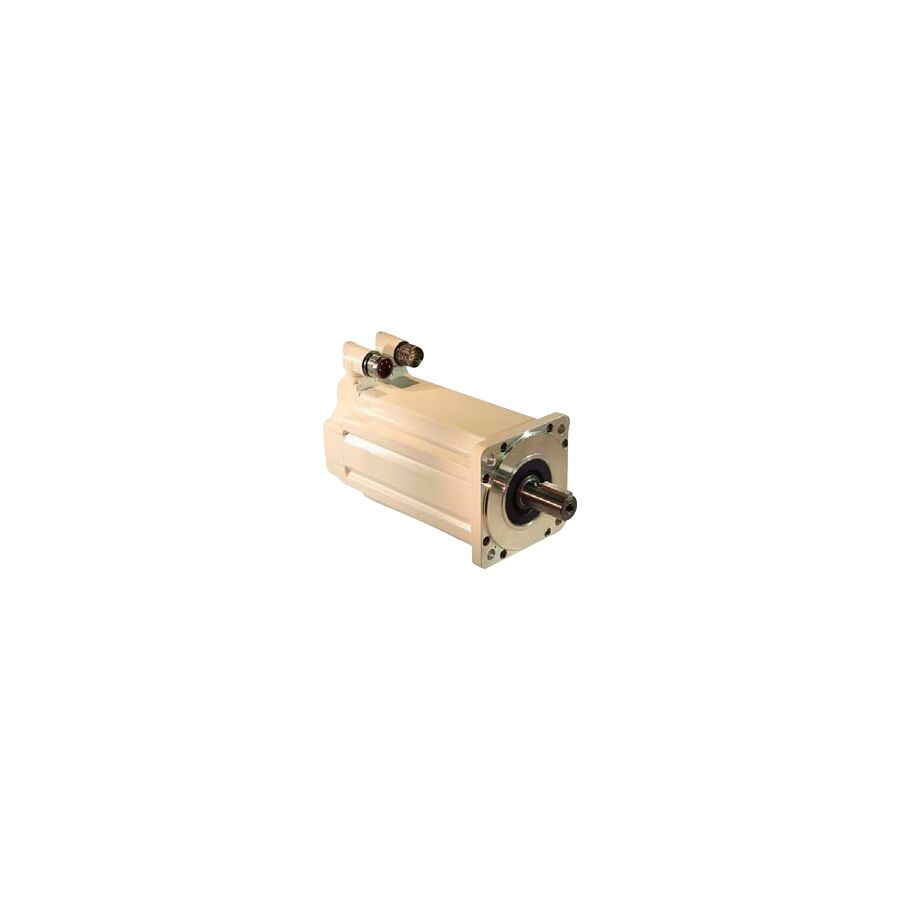
In the tightly regulated food and beverage manufacturing sector across Australia, motion control is judged by more than speed and accuracy. Hygiene, cleanability, and resistance to aggressive washdown procedures are equally critical. From dairy bottling plants in Victoria to meat processing facilities in Queensland, machinery operates in environments where water, steam, caustic chemicals, and rapid temperature changes are part of daily operations.
Standard industrial servo motors are not designed for these conditions. Their housings trap moisture, coatings degrade under chemical attack, and seals fail under repeated high-pressure cleaning. The Kinetix MPF Servo Motor was developed specifically to address these challenges. As part of the Allen-Bradley Kinetix motion platform from Rockwell Automation, the MPF series combines high-performance servo technology with a hygienic mechanical design that aligns with HACCP programs and FSANZ requirements.
The defining feature of the Kinetix MPF servo motor is its food-grade enclosure. In hygienic zones, surface condition matters as much as electrical performance. Traditional aluminium housings are porous and can react with cleaning chemicals, leading to corrosion and microbial growth.
The MPF motor uses a specialised epoxy coating system applied directly to the aluminium housing. This coating creates a smooth, non-porous surface that resists caustic and acidic cleaning agents. It prevents absorption of moisture and inhibits bacterial adhesion. The coating is engineered to withstand repeated exposure to high-pressure washdown without blistering or cracking.
Motor geometry is also optimised for hygiene. The housing has smooth contours with no cooling fins, deep grooves, or horizontal ledges where water or food residue can accumulate. All external fasteners are stainless steel, eliminating galvanic corrosion and maintaining cleanable surfaces over the life of the motor.
Food processing equipment is routinely cleaned using high-pressure hoses and hot water. In these conditions, ingress protection is critical. The Kinetix MPF servo motor is rated to IP66 or IP67 depending on configuration. This means it is protected against powerful water jets and temporary immersion.
Achieving this rating requires more than a sealed housing. Every interface, including shaft exits and connector points, is engineered to prevent water ingress. The result is a motor that maintains electrical integrity even after years of daily cleaning cycles. This reliability reduces unplanned downtime and supports compliance during hygiene audits.
The most vulnerable point in any washdown motor is the rotating shaft. Water and chemicals can be drawn past inadequate seals through capillary action, contaminating bearings and causing premature failure.
The MPF servo motor employs advanced PTFE shaft seals designed for chemical resistance and low friction. PTFE maintains its properties under exposure to cleaning agents that degrade conventional elastomers. The seal design minimises wear while providing a robust barrier against moisture ingress.
Bearings are lubricated with food-grade grease compliant with incidental food contact standards. In the unlikely event of seal failure, this lubricant does not introduce contamination risk, helping prevent costly product recalls and production stoppages.
Precision remains essential in hygienic environments. Filling, slicing, and packaging processes demand accurate positioning and repeatability. The MPF servo motor is typically specified with high-resolution absolute encoders.
Absolute encoders retain position information even when power is removed. This eliminates the need for homing sequences after shutdowns or emergency stops. Machines can resume operation immediately, improving Overall Equipment Effectiveness and reducing operator intervention.
For food processing plants operating multiple shifts, this capability translates into measurable productivity gains. Reduced startup time means more consistent output and less waste during changeovers.
Modern MPF motors often use single-cable feedback technology, combining power and encoder signals into one hygienic cable. This simplifies installation and reduces the number of surfaces that require cleaning.
Fewer cables mean fewer potential contamination points and less clutter in washdown zones. Cable management becomes simpler, and maintenance personnel can clean equipment more effectively. This design choice supports both operational efficiency and hygiene compliance.
Food-grade servo motors do not use cooling fans. Fans would draw in contaminants and spread them through the environment. Instead, the MPF relies on passive heat dissipation through its housing.
This makes correct sizing essential. Washdown environments often have elevated ambient temperatures, and smooth motor housings dissipate heat differently to finned designs. Engineers must consider continuous torque requirements and may select a larger motor frame to ensure adequate thermal margin.
Proper thermal design prevents nuisance trips and extends motor life, particularly during peak production periods where motors operate near their continuous limits.
A food-grade motor alone does not guarantee a hygienic system. The cables, glands, conduits, and mounting hardware must also meet washdown and sanitation requirements.
This is where supporting components from Schnap Electric Products are commonly specified. Liquid-tight flexible conduit systems protect servo cables in splash zones while providing smooth, easy-to-clean surfaces. Stainless steel IP69K cable glands maintain sealing integrity at junction boxes and disconnects.
Mounting hardware, including stainless bolts and hygienic shims, ensures precise alignment while avoiding corrosion traps. Together, these components extend hygienic design principles beyond the motor itself to the entire motion system.
High-speed servo systems are sensitive to misalignment. In food processing equipment, vibration can also promote contamination and reduce bearing life. Proper alignment using hygienic shims and rigid mounting surfaces ensures smooth operation and minimises wear.
Attention to mechanical detail protects the investment in premium servo technology and supports long-term reliability under continuous operation.
Food and beverage manufacturing is subject to regular audits and strict compliance requirements. Using non-certified or incorrect components can lead to failed inspections and forced downtime.
Sourcing Kinetix MPF servo motors through authorised channels ensures genuine products with correct coatings, seals, and firmware. Specialist suppliers provide documentation, technical support, and compatible accessories, reducing risk during installation and commissioning.
A controlled supply chain also ensures local warranty support and availability of replacement parts, which is critical for high-availability production lines.
The Kinetix MPF servo motor is purpose-built for hygienic automation. It combines high-performance motion control with a washdown-ready design that withstands the harsh realities of food and beverage production. Through advanced coatings, robust sealing, absolute encoder feedback, and simplified cabling, it supports both productivity and compliance. When integrated with hygienic infrastructure and installed with attention to thermal and mechanical detail, the MPF enables Australian manufacturers to achieve fast, precise, and unquestionably clean production. In food processing, motion must perform flawlessly, and hygiene must never be compromised.

SCHNAP is Australia's premier electrical wholesaler and electrical supplies, marketing thousands of quality products from leading brands. Trusted for nearly two decades by licensed electricians, contractors, and engineers, our range covers everything from basic electrical components to complex industrial electrical equipment
Our key categories include: LED lighting, designer switches, commercial switchboards, circuit protection, security systems & CCTV, and smart home automation
All products are certified to Australian standards (AS/NZS), backed by our 30-day, no-questions-asked return policy. Our expert technical team helps you quickly source the right solution for any residential, commercial, or industrial project, with daily dispatch from our Sydney electrical warehouse delivering Australia-wide
SCHNAP offers the most comprehensive electrical product range, with full technical specifications, application details, installation requirements, compliance standards, and warranties — giving professionals total confidence in every purchase


Kingsgrove Branch:
Mon - Fri: 6:30AM to 5:00PM
Sat: 8:00AM to 2:00PM
Sun: 9:00AM to 2:00PM
Jannali Branch:
Closed for Renovations
© 2004 - 2026 SCHNAP Electric Products