



Kingsgrove Branch:


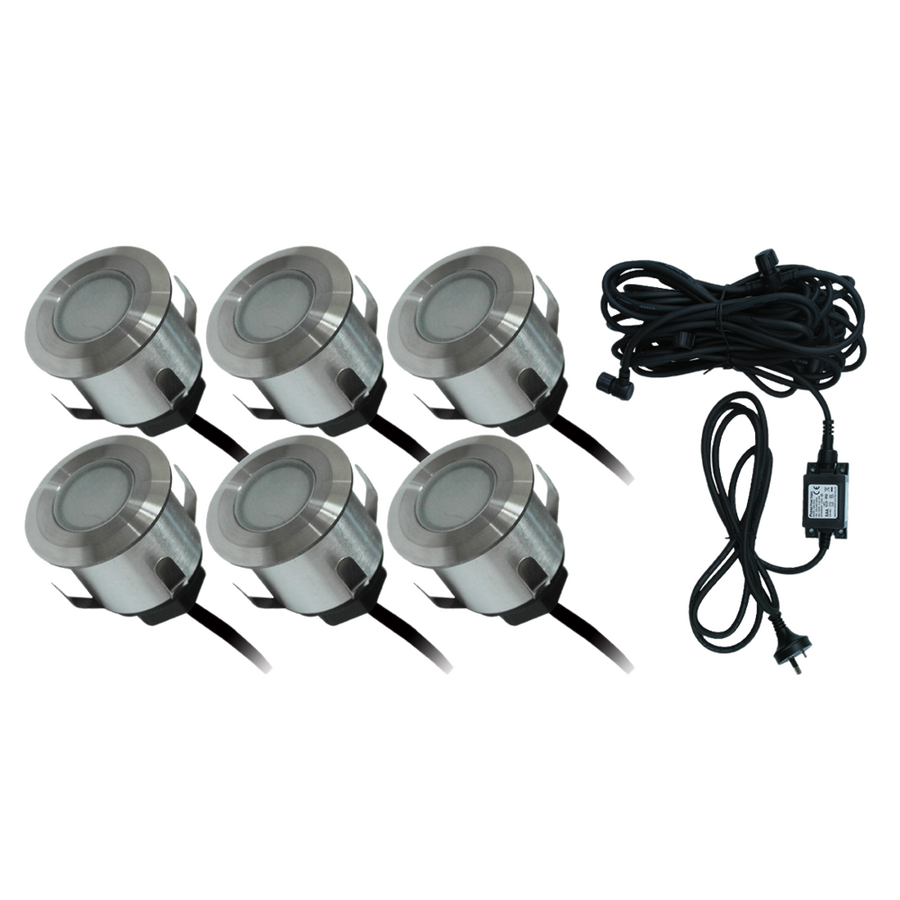
In Australian residential architecture, the outdoor living area is not an afterthought. The deck, whether timber or composite, functions as a true extension of the home. From coastal Queensland properties to suburban Melbourne builds, decks are used for entertaining, circulation, and relaxation well into the evening. The usability and safety of these spaces after sunset depend entirely on the quality and reliability of the lighting system.
Poorly specified deck lighting creates glare, uneven illumination, and premature failure due to water ingress or UV exposure. In the worst cases, inadequate sealing introduces electrical risk in wet environments. The professional solution is the LED Deck Light Kit. Unlike individual fittings assembled ad hoc, a deck light kit is a fully engineered system. It combines ingress-protected luminaires, matched drivers, low-voltage cabling, and waterproof connection methods. Each component is designed to operate as part of a cohesive lighting network capable of surviving Australian climate extremes.
Deck lights are installed in one of the harshest environments in residential construction. Positioned at floor level, they are exposed to pooling rainwater, irrigation overspray, pressure washing, and direct foot traffic. As a result, ingress protection is the most critical specification.
For flush-mounted deck applications, IP67 should be considered the minimum acceptable rating. IP67 certification confirms that the luminaire can withstand temporary submersion without water penetration. IP65 fittings, while suitable for wall or soffit mounting, are insufficient for floor installation where standing water is likely.
Material selection is equally important. In coastal and high-humidity areas, 304-grade stainless steel rapidly develops surface corrosion known as tea staining. This not only compromises aesthetics but can stain surrounding timber. High-quality LED deck light kits utilise 316 marine-grade stainless steel bezels. The added molybdenum content provides superior resistance to chlorides and salt spray, ensuring long-term durability and visual consistency.
Although LEDs are energy efficient, they still generate heat. When a luminaire is recessed into timber decking, heat dissipation becomes challenging due to timber’s low thermal conductivity. Poor thermal management leads to reduced LED lifespan, colour temperature drift, and potential scorching of surrounding material.
Professional deck light kits address this through integrated aluminium bodies that act as passive heat sinks. These housings draw heat away from the LED junction and disperse it into the sub-floor cavity. Effective thermal design keeps lens temperatures low enough to remain safe for bare feet, an essential consideration in family homes and poolside areas.
Maintaining stable junction temperatures also ensures consistent colour rendering and prevents premature lumen depreciation, preserving the visual quality of the lighting over time.
Australian wiring standards encourage the use of Safety Extra Low Voltage systems for exterior lighting. Most LED deck light kits operate at 12V or 24V DC, significantly reducing the risk of electric shock in wet environments. However, low voltage introduces a technical challenge that must be addressed during design and installation.
Voltage drop occurs as current travels through cable resistance over distance. In deck lighting layouts with long cable runs, fittings located further from the transformer may receive reduced voltage, resulting in uneven brightness across the installation. This effect is particularly noticeable in series-wired systems.
Professional kits mitigate this through heavy-gauge cabling and correctly rated drivers with adequate headroom. Installers must calculate total load, cable length, and current draw to ensure uniform illumination. In larger decks, parallel wiring configurations are often preferred to maintain consistent voltage delivery to each luminaire.
The transformer or driver is the heart of any LED deck lighting system. Its role is to convert 230V mains power into stable low-voltage DC output while maintaining electrical isolation and protection.
This is where the Schnap Electric Products ecosystem becomes valuable. Schnap Electric Products manufactures robust, weather-resistant enclosures and high-quality transformers suitable for outdoor and sub-floor environments. These enclosures protect drivers from moisture, dust, and mechanical damage, extending service life.
Equally important are the low-voltage connections. Standard tape or basic connectors fail quickly when exposed to moisture. Installers commonly use Schnap Electric Products gel-filled joiners or resin-sealed connection kits. These solutions create hermetic seals around cable joints, preventing moisture ingress and capillary action that could compromise fittings over time.
Deck lighting is as much about visual comfort as it is about safety. Poor placement can result in glare that ruins the ambience of the space. The objective is to define edges, steps, and level changes without exposing the light source directly to the eye.
Professional LED deck light kits often include glare-control accessories such as eyelid or hooded covers. These mechanical shields direct light downward onto the deck surface, reducing upward spill and visual discomfort. This approach aligns with dark-sky principles, minimising light pollution and preserving night-time ambience.
Spacing should be calculated to create overlapping pools of light. This avoids harsh contrasts and eliminates dark zones that could become trip hazards. On staircases, lights are typically aligned with risers to clearly define each step while maintaining subtle illumination.
The consumer market is saturated with low-cost, solar-powered deck lights constructed from UV-unstable plastics. These products degrade rapidly under Australian conditions and rarely provide adequate illumination for safety applications.
For permanent installations, deck lighting should be sourced through a specialised electrical wholesaler. These suppliers ensure products carry the Regulatory Compliance Mark and meet Australian electrical safety standards. They also provide access to compatible accessories, including Schnap Electric Products conduit, saddles, and mounting hardware.
Securing sub-floor cabling is critical. Proper cable management prevents mechanical damage, rodent interference, and accidental disconnection during maintenance or renovation works.
The LED deck light kit is not a decorative afterthought. It is a safety system, an architectural feature, and a long-term electrical installation. When specified correctly, it enhances usability, defines space, and withstands Australia’s demanding climate. By prioritising IP67 protection, selecting 316 marine-grade materials, managing voltage drop through proper design, and integrating reliable infrastructure from manufacturers such as Schnap Electric Products, professionals can deliver outdoor lighting systems that are durable, compliant, and visually refined. In exterior design, light is not just illumination. It is structure, safety, and atmosphere.

SCHNAP is Australia's premier electrical wholesaler and electrical supplies, marketing thousands of quality products from leading brands. Trusted for nearly two decades by licensed electricians, contractors, and engineers, our range covers everything from basic electrical components to complex industrial electrical equipment
Our key categories include: LED lighting, designer switches, commercial switchboards, circuit protection, security systems & CCTV, and smart home automation
All products are certified to Australian standards (AS/NZS), backed by our 30-day, no-questions-asked return policy. Our expert technical team helps you quickly source the right solution for any residential, commercial, or industrial project, with daily dispatch from our Sydney electrical warehouse delivering Australia-wide
SCHNAP offers the most comprehensive electrical product range, with full technical specifications, application details, installation requirements, compliance standards, and warranties — giving professionals total confidence in every purchase


Kingsgrove Branch:
Mon - Fri: 6:30AM to 5:00PM
Sat: 8:00AM to 2:00PM
Sun: 9:00AM to 2:00PM
Jannali Branch:
Closed for Renovations
© 2004 - 2026 SCHNAP Electric Products