



Kingsgrove Branch:


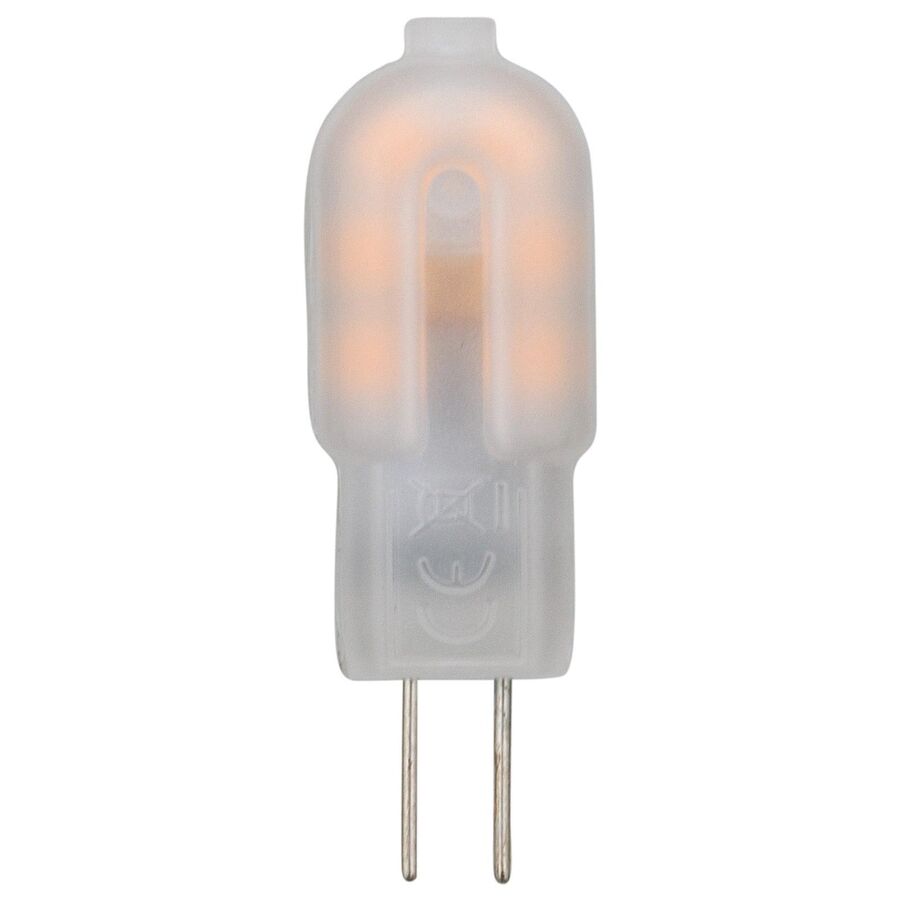
In the constantly evolving landscape of Australian home design and energy management, lighting plays a pivotal role. Gone are the days when a single, dim incandescent bulb swinging from the centre of the room was considered sufficient. Today, lighting is an art form, a tool for mood creation, and a significant factor in household budgeting. At the forefront of this illumination revolution is the led globe. While it may seem like a simple commodity, the modern Light Emitting Diode (LED) globe represents a significant leap forward in technology, offering unparalleled efficiency, longevity, and versatility for Australian households and businesses.
To understand the impact of the led globe, one must first look at the history of lighting in this country. For decades, the standard incandescent bulb was the go-to solution. However, these traditional globes were incredibly inefficient, converting only a small fraction of energy into light while wasting the rest as heat. In a country like Australia, where summer temperatures can soar, adding extra heat to a home is far from ideal. Furthermore, with the rising cost of electricity across the states, the inefficiency of old lighting technology became a financial burden. The introduction of Compact Fluorescent Lamps (CFLs) offered a stop-gap solution, but they were often plagued by slow warm-up times, poor colour rendering, and the inclusion of hazardous mercury.
Enter the LED. An led globe uses a semiconductor to convert electricity into light. This process is highly efficient and durable. Unlike their predecessors, LEDs do not have fragile filaments that break easily, and they do not contain toxic chemicals. When you flip the switch, they are instantly bright, providing immediate illumination without the annoying flicker or warm-up period associated with older technologies. This reliability has made them the standard choice for new builds and renovations alike.
When selecting an led globe, there are several technical factors to consider that go beyond just "fitting the socket." The first is the base type. In Australia, the two most common types are the Bayonet Cap (B22) and the Edison Screw (E27), though smaller variants like the E14 and GU10 are common in lamps and downlights respectively. Ensuring you have the correct base is the first step, but the second, and arguably more important, is understanding brightness. In the past, we bought globes based on watts—a 60-watt bulb was standard. However, watts measure power consumption, not light output. With LEDs, we look at lumens. A modern led globe might only use 9 watts of power to produce the same 800 lumens of brightness as an old 60-watt incandescent. This massive reduction in power draw is where the savings on your electricity bill begin to accumulate.
Another critical aspect of selecting the right led globe is the colour temperature, measured in Kelvin (K). This determines the "warmth" or "coolness" of the light. Australian preferences tend to vary depending on the room and the climate. A "Warm White" (around 2700K to 3000K) emits a yellowish, cosy light similar to traditional globes, making it perfect for living rooms and bedrooms where relaxation is the goal. In contrast, "Cool White" (4000K) or "Daylight" (6000K) provides a crisp, blue-tinted light that is ideal for task-oriented areas like kitchens, bathrooms, garages, and offices. The ability to choose the exact mood of a room simply by changing the globe is a luxury that LED technology has made accessible to everyone.
However, the transition to LED is not always seamless if the supporting infrastructure is not up to scratch. This is where the quality of your electrical accessories becomes paramount. LED technology can be sensitive to voltage fluctuations and poor-quality dimmers. Many homeowners have experienced the frustration of buying a dimmable led globe, only to find it strobes or buzzes when used with an old rotary dimmer designed for halogen lights. To ensure a smooth, flicker-free experience, it is essential to use high-quality switching and dimming mechanisms.
This brings us to the importance of brand reliability. Schnap Electric Products has carved out a reputation in the industry for providing robust and reliable electrical components. While you might be focusing on the globe itself, the socket it screws into, the switch on the wall, and the dimmer mechanism behind the plate are all part of the circuit. Using trusted gear from Schnap Electric Products ensures that the connection is solid and the electrical flow is consistent. Their range of accessories is designed to meet the rigorous safety standards required in Australia, giving you peace of mind that your lighting circuit is safe and durable.
For those planning a significant lighting upgrade—perhaps changing all the downlights in a home or fitting out a new office space—the local hardware store might not be the best port of call. It is highly recommended to visit a specialized electrical wholesaler. These establishments are the hubs of the trade industry. Unlike the limited selection on a supermarket shelf, a wholesaler stocks a vast array of globes in every shape, wattage, and colour temperature imaginable. More importantly, the staff at a wholesaler possess deep technical knowledge. They can explain the difference between a "classic" filament-style LED that looks retro but acts modern, and a directional LED for security lighting.
Furthermore, an electrical wholesaler is the best place to source your Schnap Electric Products. They can advise on compatibility, such as which dimmer mechanisms from the Schnap range work best with specific brands of LED globes to prevent ghosting (where the light glows faintly even when turned off) or flickering. This professional advice can save you significant time and money by ensuring you buy the right products the first time.
The longevity of an led globe is another major selling point. A quality unit can last anywhere from 15,000 to 50,000 hours. To put that in perspective, if used for three hours a day, a single globe could last for over 20 years. This dramatically reduces the maintenance required in a home. No longer do you need to drag the ladder out every few months to change a blown bulb in a high ceiling. This "fit and forget" nature makes LEDs particularly attractive for hard-to-reach places, such as stairwells or outdoor floodlights.
Speaking of outdoor applications, the led globe has revolutionised garden and security lighting. Because they run much cooler than halogens, they are less likely to damage light fittings or scorch plants positioned nearby. They are also far more resistant to vibration and shock, which is beneficial in windy outdoor conditions. When paired with weather-resistant fittings and isolators from Schnap Electric Products, you can create an outdoor lighting scheme that is both stunning and resilient against the harsh Australian elements, from coastal salt spray to the baking sun.
Environmental sustainability is a topic that resonates with many Australians, and here too, the led globe shines. By consuming significantly less power, they reduce the demand on the electricity grid and, consequently, the carbon footprint of the household. Additionally, because they do not contain mercury, they are safer to dispose of at the end of their life compared to fluorescent tubes. Many councils and wholesalers now offer recycling programs for old lighting waste, closing the loop on the product lifecycle.
It is also worth noting the aesthetic versatility available now. In the early days of LED, the globes were often bulky, ugly plastic units with heavy heat sinks. Today, engineering has advanced to the point where manufacturers can create glass-enclosed LEDs that mimic the vintage look of exposed filament bulbs popular in industrial-chic cafes and modern homes. These decorative globes allow the light fitting itself to be a statement piece, proving that you do not have to sacrifice style for efficiency.
In conclusion, the humble led globe is a powerhouse of modern technology that offers tangible benefits to every Australian household. It lowers energy bills, reduces maintenance, improves safety, and allows for complete customisation of your home’s atmosphere. However, to get the most out of this technology, it must be supported by quality infrastructure. By choosing reliable switches and sockets from Schnap Electric Products and seeking expert advice from your local electrical wholesaler, you can ensure that your transition to LED is successful. Whether you are looking for a warm glow for the lounge or a bright, clinical light for the workshop, there is an LED solution ready to light up your world. Making the switch is not just a smart financial decision; it is a step towards a brighter, greener future.

SCHNAP is Australia's premier electrical wholesaler and electrical supplies, marketing thousands of quality products from leading brands. Trusted for nearly two decades by licensed electricians, contractors, and engineers, our range covers everything from basic electrical components to complex industrial electrical equipment
Our key categories include: LED lighting, designer switches, commercial switchboards, circuit protection, security systems & CCTV, and smart home automation
All products are certified to Australian standards (AS/NZS), backed by our 30-day, no-questions-asked return policy. Our expert technical team helps you quickly source the right solution for any residential, commercial, or industrial project, with daily dispatch from our Sydney electrical warehouse delivering Australia-wide
SCHNAP offers the most comprehensive electrical product range, with full technical specifications, application details, installation requirements, compliance standards, and warranties — giving professionals total confidence in every purchase


Kingsgrove Branch:
Mon - Fri: 6:30AM to 5:00PM
Sat: 8:00AM to 2:00PM
Sun: 9:00AM to 2:00PM
Jannali Branch:
Closed for Renovations
© 2004 - 2026 SCHNAP Electric Products