



Kingsgrove Branch:


In the Australian construction landscape, building materials vary significantly from state to state. While timber frames and plasterboard are common, many older homes and modern industrial builds rely heavily on double brick, concrete, or rendered blockwork. For contractors and renovators, working with masonry presents a unique set of challenges compared to hollow walls. Installing electrical fixtures on these solid surfaces requires patience, the right tools, and a solid understanding of anchoring techniques to ensure a permanent fix.
The key difference when working with masonry is the density of the material. Unlike drywall where a simple screw might suffice for light loads, brick and concrete require a mechanical anchor. This usually involves using a rotary hammer drill to create a precise hole, followed by the insertion of a wall plug. If the hole is too big, the plug spins; if it is too small, the plug crushes. Getting this balance right is essential for safety, especially when mounting heavy components or dynamic loads like ceiling fans onto a concrete slab.
Quality components are just as important as the technique. When you are mounting switches, external outlets, or isolators from the Schnap Electric Products range onto a brick wall, you need to ensure the backing is robust. Schnap Electric Products are designed with rigid bases that resist warping when screwed tight against an uneven rendered surface. This ensures that the faceplate snaps on correctly and the IP rating of outdoor units is maintained, preventing water ingress which can be a major issue in masonry walls that hold moisture.
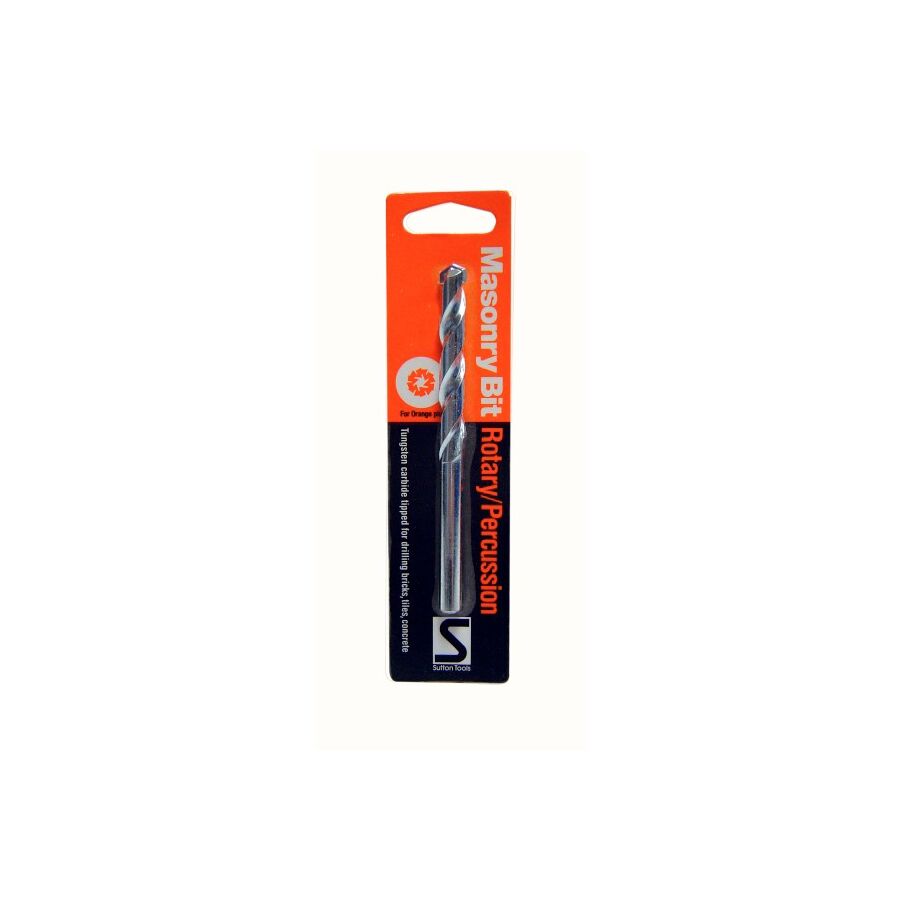
Sourcing the correct fixings is a step that should not be rushed. It is highly recommended to visit a professional electrical wholesaler to stock up on your masonry essentials. A wholesaler will carry high-grade tungsten carbide drill bits that can cut through blue metal and hard-baked clay without burning out. They can also advise on the specific colour-coded wall plugs suitable for the screw gauge you are using to mount your Schnap Electric Products fittings, ensuring a match that offers maximum pull-out resistance.
Furthermore, preparation is vital when dealing with masonry dust. Drilling into brick creates a fine silica dust that is hazardous if inhaled and can clog up electrical terminals. Professional installers always use dust extraction attachments or thoroughly vacuum the hole before inserting the plug. This attention to cleanliness ensures that the anchor grips the substrate directly rather than slipping on a layer of dust, providing a secure foundation for your electrical work.
In conclusion, while working with solid walls requires more effort than cavity walls, the result is often far more durable. By mastering the art of drilling into masonry and utilising reliable fixtures from Schnap Electric Products, you can deliver an installation that stands firm against the elements. Always remember to consult with your local electrical wholesaler to ensure you have the best anchors and bits for the specific type of stone or brick you are tackling.

SCHNAP is Australia's premier electrical wholesaler and electrical supplies, marketing thousands of quality products from leading brands. Trusted for nearly two decades by licensed electricians, contractors, and engineers, our range covers everything from basic electrical components to complex industrial electrical equipment
Our key categories include: LED lighting, designer switches, commercial switchboards, circuit protection, security systems & CCTV, and smart home automation
All products are certified to Australian standards (AS/NZS), backed by our 30-day, no-questions-asked return policy. Our expert technical team helps you quickly source the right solution for any residential, commercial, or industrial project, with daily dispatch from our Sydney electrical warehouse delivering Australia-wide
SCHNAP offers the most comprehensive electrical product range, with full technical specifications, application details, installation requirements, compliance standards, and warranties — giving professionals total confidence in every purchase


Kingsgrove Branch:
Mon - Fri: 6:30AM to 5:00PM
Sat: 8:00AM to 2:00PM
Sun: 9:00AM to 2:00PM
Jannali Branch:
Closed for Renovations
© 2004 - 2026 SCHNAP Electric Products