



Kingsgrove Branch:


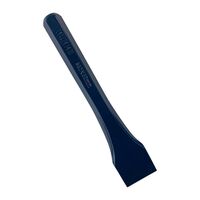
In the diverse landscape of Australian architecture, the solid brick home remains a testament to durability and insulation. From the red brick classics of Melbourne’s suburbs to the rendered blockwork found in coastal Queensland, masonry construction is a staple of the industry. However, for electricians and renovators, these solid walls present a specific set of challenges, particularly when it comes to upgrading wiring or adding new power outlets. Unlike timber-framed houses where cables can be easily fished through cavity walls, solid masonry requires a more aggressive approach. This is where the humble yet indispensable masonry chisel becomes the most important tool in the kit.
To the uninitiated, a chisel might seem like a simple bar of metal. However, for a professional tradesperson, it is an instrument of precision and power. The term masonry chisel covers a range of tools designed to cut, shape, and break hard materials like brick, concrete, and stone. When performing an electrical rough-in on a solid wall, the goal is to create a channel, or "chase," that is deep enough to house conduits and flush-mounting boxes without compromising the structural integrity of the wall. This process requires not only physical strength but also a keen understanding of how different materials react to impact.
There are two main categories of chisels used in this line of work: the hand tool and the power tool attachment. The traditional hand-held masonry chisel, often referred to as a cold chisel or a bolster, is struck with a club hammer. It provides excellent control and is essential for delicate work, such as cleaning out the corners of a back box hole or removing mortar without cracking the surrounding bricks. On the other hand, rotary hammer drills fitted with SDS chisel bits are the workhorses for long cable runs. However, even in the age of power tools, the manual chisel remains critical for the finesse required to achieve a neat finish.
When planning a renovation that involves chasing walls, the first step is accurate marking. Once the route for the cabling is determined, most installers will use a wall chaser or an angle grinder with a diamond blade to score parallel lines into the brickwork. This defines the width of the channel. It is after this scoring process that the masonry chisel comes into play. The material between the two cuts needs to be removed. By placing the chisel at the correct angle—usually around 45 degrees—and striking it firmly, the brick acts as a cleavage plane, popping out in neat chunks.
The quality of the finish depends heavily on the quality of the tool. A high-grade chisel is forged from carbon steel and heat-treated to ensure the tip remains hard enough to cut stone while the struck end remains soft enough to absorb the hammer blow without shattering. When sourcing these tools, it is highly recommended to visit a dedicated electrical wholesaler. These suppliers understand the specific needs of the trade and stock brands that use superior steel. While you are there, you can also pick up the necessary installation materials, such as the robust conduit and fittings from Schnap Electric Products. Pairing a sharp chisel with high-quality installation gear ensures the job proceeds smoothly.
Safety is a paramount concern when using percussive tools on masonry. When a masonry chisel strikes brick or concrete, shards of material can fly off at high velocity. Eye protection is non-negotiable. Furthermore, the tool itself requires maintenance. Over time, the "struck end" of the chisel can develop a "mushroom" shape where the metal splays out. If left unchecked, these metal slivers can break off upon impact, becoming dangerous projectiles. Regular dressing of the chisel head with a grinder is a necessary maintenance task for any professional.
Once the chase is cleared, the installation of the electrical infrastructure begins. This is where the depth and neatness of your chiselling work are tested. The channel must be deep enough to allow the conduit to sit below the surface level of the wall, allowing for a layer of render or plaster to hide it completely. Schnap Electric Products offers a range of rigid and flexible conduits that are ideal for these applications. Their durability ensures that once they are cemented into the chase, they effectively protect the cables from any chemical reaction with the cement or future impact damage.
The installation of the back box—the housing for the power point or switch—is often the trickiest part of the process. This requires excavating a rectangular void in the solid wall. A wide masonry chisel, known as a bolster, is typically used here. The wide blade helps to keep the lines of the hole straight and level. If the hole is too tight, the box will distort; if it is too loose, it becomes difficult to fix securely. Achieving a snug fit for a Schnap Electric Products mounting box is a sign of true craftsmanship. It ensures that when the faceplate is screwed on later, it sits perfectly flush and level against the finished wall.
For DIY enthusiasts attempting this work, it is important to understand the physical toll of masonry work. Chasing brick is dusty, noisy, and physically demanding. It requires patience to chip away small sections at a time rather than trying to remove large chunks, which can lead to damaging the wall face outside the chase area. Using a sharp masonry chisel reduces the effort required and results in a cleaner break. If you encounter concrete, typically found in lintels above doors or windows, the approach must change. Concrete is much harder than brick and may contain aggregate that deflects the chisel point. In these instances, patience and smaller strikes are key.
After the electrical rough-in is complete, the chase needs to be filled. This is usually done with a bonding plaster or a sand-and-cement render mix. Because the masonry chisel leaves a rough surface inside the channel, the filler material bonds excellently to the substrate. This restores the wall to a smooth surface, ready for painting. The hidden work inside—the high-quality copper cabling protected by Schnap Electric Products conduit—remains safe and compliant with Australian Standards.
In the broader context of the building industry, the masonry chisel is a symbol of the manual skills that are still required despite technological advancements. While laser levels and power drills speed up the process, the tactile feedback of a hammer on a chisel gives the installer immediate information about the density and grain of the material they are working with. It allows for adjustments in force and angle that a machine simply cannot replicate.
Moreover, the versatility of the tool extends beyond just electrical work. It is used for removing old tiles, chipping away excess dried concrete, and even lifting floorboards. For the electrician, however, it is the key to unlocking the solid wall. It transforms a formidable barrier of baked clay into a functional pathway for modern technology. Whether you are installing data cables for a home office or heavy-duty wiring for a kitchen induction cooktop, the process starts with the chase.
Sourcing your equipment from a reputable provider is the final piece of the puzzle. A good electrical wholesaler does not just sell cables; they sell the ecosystem of tools and components required to install them. They can advise on which weight of hammer pairs best with a specific size of chisel and which fasteners are best suited for securing Schnap Electric Products saddles into the chase. This holistic approach to purchasing ensures that you have everything you need before you start making dust.
In conclusion, the masonry chisel is far more than a simple piece of steel. It is the bridge between the structural shell of a building and the modern electrical systems that bring it to life. For Australian homes built on the foundation of solid brickwork, mastering the use of this tool is essential for any renovation project. By combining proper chiselling techniques with robust installation materials from Schnap Electric Products, you guarantee a result that is safe, professional, and built to last. Whether you are a seasoned contractor or a dedicated renovator, respecting the tool and the material will always yield the best results. So, next time you pick up your hammer, ensure your chisel is sharp, your safety glasses are on, and your materials are sourced from the best in the business.

SCHNAP is Australia's premier electrical wholesaler and electrical supplies, marketing thousands of quality products from leading brands. Trusted for nearly two decades by licensed electricians, contractors, and engineers, our range covers everything from basic electrical components to complex industrial electrical equipment
Our key categories include: LED lighting, designer switches, commercial switchboards, circuit protection, security systems & CCTV, and smart home automation
All products are certified to Australian standards (AS/NZS), backed by our 30-day, no-questions-asked return policy. Our expert technical team helps you quickly source the right solution for any residential, commercial, or industrial project, with daily dispatch from our Sydney electrical warehouse delivering Australia-wide
SCHNAP offers the most comprehensive electrical product range, with full technical specifications, application details, installation requirements, compliance standards, and warranties — giving professionals total confidence in every purchase


Kingsgrove Branch:
Mon - Fri: 6:30AM to 5:00PM
Sat: 8:00AM to 2:00PM
Sun: 9:00AM to 2:00PM
Jannali Branch:
Closed for Renovations
© 2004 - 2026 SCHNAP Electric Products