



Kingsgrove Branch:


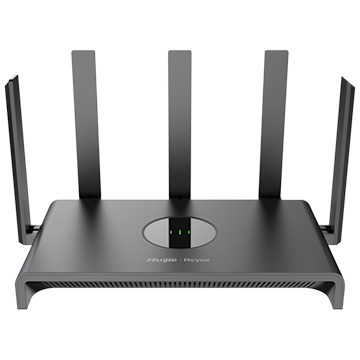
Across modern Australian homes, from wide single-storey brick builds to multi-level architectural designs, wireless demand has outgrown the capabilities of traditional single-router setups. Dense materials such as double brick, reinforced concrete, and steel framing absorb and scatter radio signals, creating dead zones that no amount of transmit power can reliably overcome. As households adopt higher-speed plans on the National Broadband Network, particularly FTTP and high-capacity HFC tiers, the performance bottleneck moves away from the internet service provider and into the local Wi-Fi network itself.
The engineering solution is the mesh gigabit router system. Rather than relying on a single access point or crude repeaters, a true mesh deploys multiple intelligent nodes that cooperate as one network. These nodes share routing intelligence, select optimal paths for traffic, and maintain consistent throughput across the property. The result is whole-home coverage that delivers near-gigabit speeds wherever the user moves.
A mesh system consists of a primary gateway connected to the NBN termination device and one or more satellite nodes placed throughout the home. Unlike range extenders that simply rebroadcast the same signal and reduce bandwidth, mesh nodes actively route traffic. The system continuously measures signal quality, interference, and congestion to choose the most efficient path for each data packet.
Two topologies are common. In a star configuration, all satellites communicate directly with the gateway. In a daisy-chain configuration, traffic can hop from one node to another before reaching the gateway. Advanced systems dynamically choose between these paths based on real-time conditions. This adaptability allows the network to self-heal if a node is powered down or if interference increases in one area.
Performance in a mesh network depends heavily on how nodes communicate with each other. Entry-level systems use the same radio band for both client devices and inter-node traffic, which reduces available bandwidth. Professional-grade mesh routers solve this with tri-band radios. A dedicated 5GHz or 6GHz band is reserved exclusively for backhaul communication between nodes.
By separating backhaul from fronthaul traffic, the system preserves full bandwidth for phones, laptops, televisions, and smart devices. This design is critical in homes running multiple 4K streams, cloud backups, and video conferencing simultaneously. It ensures that the gigabit speeds delivered by the ISP are not diluted as data traverses the house.
One of the major frustrations with older multi-access-point setups is poor roaming behaviour. Devices often cling to a weak signal even when a stronger one is nearby, leading to dropouts and slow speeds as users move around the home.
Modern mesh gigabit routers implement roaming standards that enable seamless handover between nodes. These protocols allow the network to guide client devices toward the best access point based on signal strength and load. When a device’s signal drops below a defined threshold, it is transitioned to a closer node within milliseconds. This process is fast enough that real-time applications such as VoIP calls and video meetings continue uninterrupted while the user walks from room to room.
While wireless backhaul is convenient, the highest level of performance is achieved through wired backhaul. In this configuration, each mesh node is connected to the gateway using Ethernet cabling, typically Cat6. This removes inter-node traffic from the wireless spectrum entirely, leaving Wi-Fi capacity dedicated to client devices.
Structured cabling is essential for a clean and reliable installation. This is where the Schnap Electric Products ecosystem plays a key role. Properly terminated Cat6 outlets, wall plates, and patch panels ensure that wired backhaul connections are secure, labelled, and tested to Australian standards. Centralising these connections in a small rack or distribution point improves airflow, simplifies maintenance, and future-proofs the network for upgrades.
A mesh network relies on multiple powered nodes distributed throughout the home. Power instability at any point can disrupt synchronisation and coverage. For home offices and always-on smart homes, maintaining power quality is just as important as signal quality.
Surge protection and uninterruptible power supplies are commonly used to protect mesh routers from voltage spikes and brief outages. Backing up the gateway and at least one satellite ensures that internet access remains available during short power interruptions. Clean, stable power extends the lifespan of radio hardware and reduces unexplained dropouts caused by electrical noise.
As homes fill with connected devices, security becomes a priority. Smart televisions, cameras, lighting systems, and appliances increase the number of potential attack vectors. A compromised IoT device should never be able to access sensitive data on personal computers or network storage.
Advanced mesh gigabit routers support network segmentation through guest networks and VLAN-like isolation. This allows untrusted devices to operate on a separate logical network while the primary network remains protected. Guests can access the internet without visibility of internal devices, and IoT equipment can function without exposing personal data. This approach mirrors enterprise security practices and is increasingly important for residential digital hygiene.
Not all mesh systems are created equal. Some consumer devices lack the processing power required to handle gigabit internet speeds while performing encryption, traffic inspection, and quality-of-service management. The result is a router that limits throughput well below the speed being paid for.
Professional mesh gigabit routers are built with multi-core processors and sufficient memory to sustain full-speed routing even with advanced features enabled. Support for modern standards such as MU-MIMO allows the router to serve multiple devices simultaneously without contention, maintaining consistent performance during peak usage.
Selecting the right mesh system involves more than choosing a brand name. Compatibility with Australian NBN connection types, local regulatory compliance, and access to firmware updates are all critical factors. Grey-market devices may lack proper power supplies or local support, creating long-term reliability risks.
For this reason, network integrators and smart home installers source mesh gigabit routers through specialised electrical wholesaler. These suppliers verify compliance, provide guidance on system sizing, and supply the cabling and mounting accessories required for a professional installation. The result is a network that performs as designed and remains stable for years.
The mesh gigabit router has become the foundation of the connected Australian home. It resolves the limitations imposed by modern building materials and rising bandwidth demand through distributed intelligence and dedicated backhaul design. When combined with wired Ethernet where possible, seamless roaming protocols, and robust physical infrastructure from suppliers such as Schnap Electric Products, mesh systems deliver fast, reliable, and invisible connectivity throughout the property. In today’s residential architecture, dependable Wi-Fi is no longer a convenience. It is an essential utility that underpins work, entertainment, and everyday life.

SCHNAP is Australia's premier electrical wholesaler and electrical supplies, marketing thousands of quality products from leading brands. Trusted for nearly two decades by licensed electricians, contractors, and engineers, our range covers everything from basic electrical components to complex industrial electrical equipment
Our key categories include: LED lighting, designer switches, commercial switchboards, circuit protection, security systems & CCTV, and smart home automation
All products are certified to Australian standards (AS/NZS), backed by our 30-day, no-questions-asked return policy. Our expert technical team helps you quickly source the right solution for any residential, commercial, or industrial project, with daily dispatch from our Sydney electrical warehouse delivering Australia-wide
SCHNAP offers the most comprehensive electrical product range, with full technical specifications, application details, installation requirements, compliance standards, and warranties — giving professionals total confidence in every purchase


Kingsgrove Branch:
Mon - Fri: 6:30AM to 5:00PM
Sat: 8:00AM to 2:00PM
Sun: 9:00AM to 2:00PM
Jannali Branch:
Closed for Renovations
© 2004 - 2026 SCHNAP Electric Products