



Kingsgrove Branch:


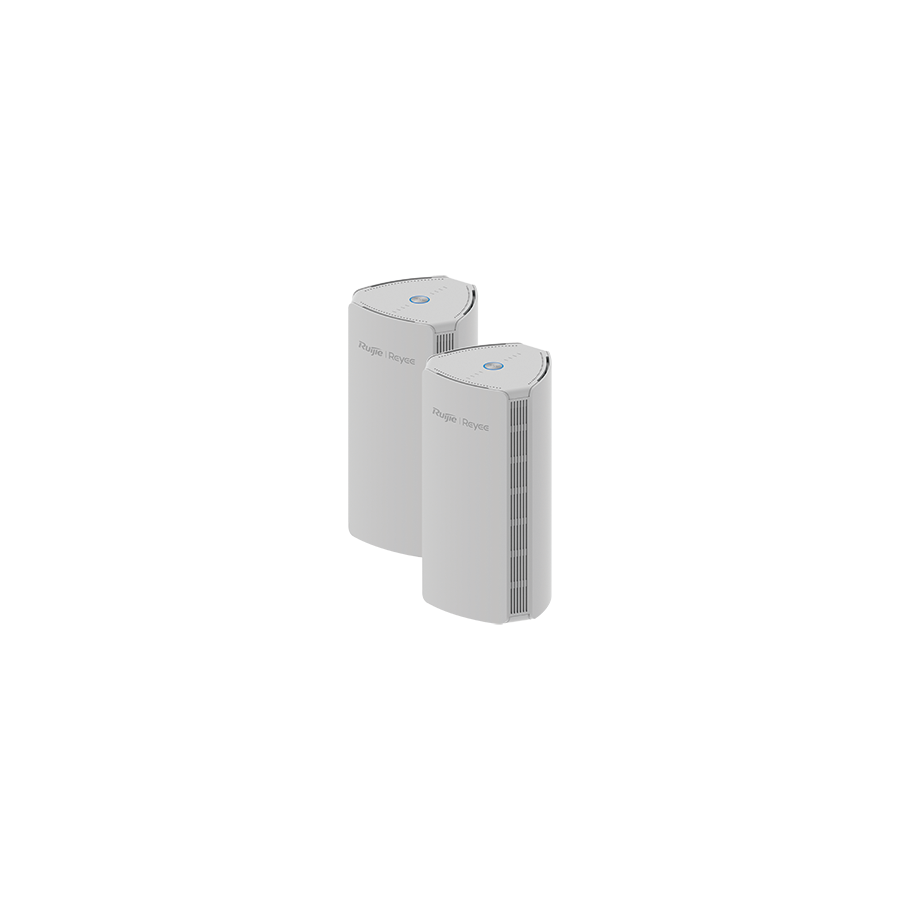
Within the architectural reality of Australian residential construction, the limitations of traditional single-router Wi-Fi systems are increasingly exposed. Many homes are wide rather than tall, built with double brick, rendered masonry, steel framing, or concrete slabs that aggressively attenuate radio frequency signals. A modem and router installed in the garage or meter box may perform adequately nearby, yet struggle to deliver consistent bandwidth to bedrooms, studies, or outdoor living areas at the far end of the property. As households adopt 4K streaming, cloud gaming, video conferencing, and dozens of connected devices, these dead zones become operational failures rather than minor inconveniences.
Attempts to solve the issue with plug-in range extenders are fundamentally flawed. Extenders retransmit the same signal on the same spectrum, often halving throughput and introducing latency. They frequently create separate network names, forcing devices to disconnect and reconnect as users move around the house. The professional engineering response to these constraints is the mesh router system. A mesh network replaces the single broadcast point with multiple coordinated nodes that work together as one logical wireless fabric, delivering consistent performance across the entire home.
The core innovation of a mesh router system is the separation of client traffic from node-to-node communication. Each node functions as both an access point and a relay, intelligently routing data through the network. The link that connects nodes together is known as the backhaul.
Entry-level mesh systems rely on dual-band radios, where both client devices and backhaul traffic share the same 5 GHz spectrum. This shared medium becomes congested as traffic increases, reducing effective speed at satellite nodes. High-performance mesh systems adopt a tri-band architecture. A third radio, operating on a dedicated 5 GHz or 6 GHz band, is reserved exclusively for backhaul communication. This dedicated channel functions as a virtual Ethernet cable, ensuring that data delivered to a rear bedroom or upstairs study retains nearly the same throughput as data delivered near the primary router.
The mesh controller continuously evaluates signal strength, noise floor, and congestion across all nodes. Data packets are dynamically routed through the most efficient path, allowing the network to adapt as conditions change. Thick walls, mirrors, metal appliances, and even moving occupants are factored into routing decisions in real time.
One of the defining benefits of a true mesh system is seamless roaming. In legacy Wi-Fi environments, client devices often remain connected to a distant access point even when a closer one is available. This behaviour, known as a sticky client, leads to reduced speeds and unstable connections.
Modern mesh routers implement advanced roaming standards defined by IEEE 802.11k, 802.11v, and 802.11r. These protocols allow nodes to share radio measurements and network conditions with client devices. Instead of passively waiting for a device to disconnect, the mesh actively guides it toward the optimal node. The handoff occurs in milliseconds, fast enough to maintain uninterrupted voice calls or video streams as users move through the home. For households relying on Wi-Fi calling or remote work, this capability is no longer optional.
While wireless backhaul is convenient, the highest level of performance is achieved with a wired Ethernet backbone. In this configuration, each mesh node is connected back to a central network switch using Cat6 cabling. Wired backhaul eliminates wireless contention between nodes and frees all radio capacity for client devices.
Implementing an Ethernet backbone requires proper cabling infrastructure and termination practices. This is where Schnap Electric Products becomes relevant to professional installations. Data outlets, RJ45 mechanisms, and structured cabling accessories allow each mesh node to be placed exactly where coverage is required, rather than where signal strength happens to permit. Patch leads and cable management accessories ensure that lightweight mesh units remain secure and visually unobtrusive, particularly in living areas.
Mesh nodes contain sensitive processors, radios, and memory. Power instability, common during Australian storm seasons, can corrupt firmware or permanently damage hardware. A single failed node can destabilise the entire mesh topology.
Best practice dictates the use of surge-protected power distribution for each node. Localised surge protection absorbs transient spikes before they reach the device. In premium installations, critical nodes may also be connected to small uninterruptible power supplies, ensuring network availability during brief outages. Cable concealment systems maintain aesthetics while preventing accidental disconnection, an important consideration in family homes.
The modern Australian household may host dozens of connected devices. Smartphones, laptops, televisions, security cameras, smart appliances, lighting controllers, and voice assistants all compete for airtime. Mesh routers designed for high device density incorporate advanced scheduling algorithms and multi-user MIMO technologies to allocate bandwidth efficiently.
Wi-Fi 6 and emerging Wi-Fi 7 standards further enhance capacity through improved modulation, wider channels, and reduced latency. When selecting a mesh system, it is critical to consider not only coverage area but also concurrent device count. Under-specifying the system results in congestion during peak usage, even if signal strength appears strong.
Beyond coverage and speed, modern mesh routers support advanced security features. Separate virtual networks for guests, IoT devices, and work-from-home equipment reduce exposure to vulnerabilities. VLAN tagging and custom DNS options allow households and small offices to apply enterprise-grade policies within a residential footprint.
Consumer kits often hide or omit these features in favour of simplicity. Professional-grade systems expose them, allowing installers to tailor the network to the user’s operational needs.
Retail mesh kits are designed for rapid sales rather than long-term serviceability. Firmware support may be short-lived, and hardware quality varies widely. For complex homes or mixed residential-commercial environments, sourcing through specialised electrical wholesaler ensures access to robust hardware, ongoing support, and compliance with Australian regulatory standards.
A complete installation considers not only the mesh nodes themselves, but also the physical infrastructure that supports them. Centralised switching, proper ventilation, structured cabling, and power protection collectively determine the reliability of the system over time.
The mesh router represents a fundamental evolution in residential networking. It recognises that a single radio cannot overcome distance, walls, and interference alone. By distributing intelligence across multiple coordinated nodes, utilising dedicated backhaul channels, and supporting the system with professional cabling and protection infrastructure from suppliers such as Schnap Electric Products, Australian industry professionals can deliver wireless networks that perform consistently across large and complex homes. In the science of coverage, collaboration between nodes is what transforms connectivity from patchy to pervasive.

SCHNAP is Australia's premier electrical wholesaler and electrical supplies, marketing thousands of quality products from leading brands. Trusted for nearly two decades by licensed electricians, contractors, and engineers, our range covers everything from basic electrical components to complex industrial electrical equipment
Our key categories include: LED lighting, designer switches, commercial switchboards, circuit protection, security systems & CCTV, and smart home automation
All products are certified to Australian standards (AS/NZS), backed by our 30-day, no-questions-asked return policy. Our expert technical team helps you quickly source the right solution for any residential, commercial, or industrial project, with daily dispatch from our Sydney electrical warehouse delivering Australia-wide
SCHNAP offers the most comprehensive electrical product range, with full technical specifications, application details, installation requirements, compliance standards, and warranties — giving professionals total confidence in every purchase


Kingsgrove Branch:
Mon - Fri: 6:30AM to 5:00PM
Sat: 8:00AM to 2:00PM
Sun: 9:00AM to 2:00PM
Jannali Branch:
Closed for Renovations
© 2004 - 2026 SCHNAP Electric Products