



Kingsgrove Branch:


In the rigorous domain of Australian logistics, mining, agriculture, and civil construction, operational safety depends on instant visual awareness. Heavy vehicles operate in conditions that include severe blind spots, extreme dust, intense vibration, and constant exposure to weather. In these environments, visual monitoring systems must prioritise immediacy and resilience over network sophistication. While Internet Protocol cameras dominate fixed security installations, they are not engineered for the demands of mobile machinery where even minor delays can translate into serious safety incidents.
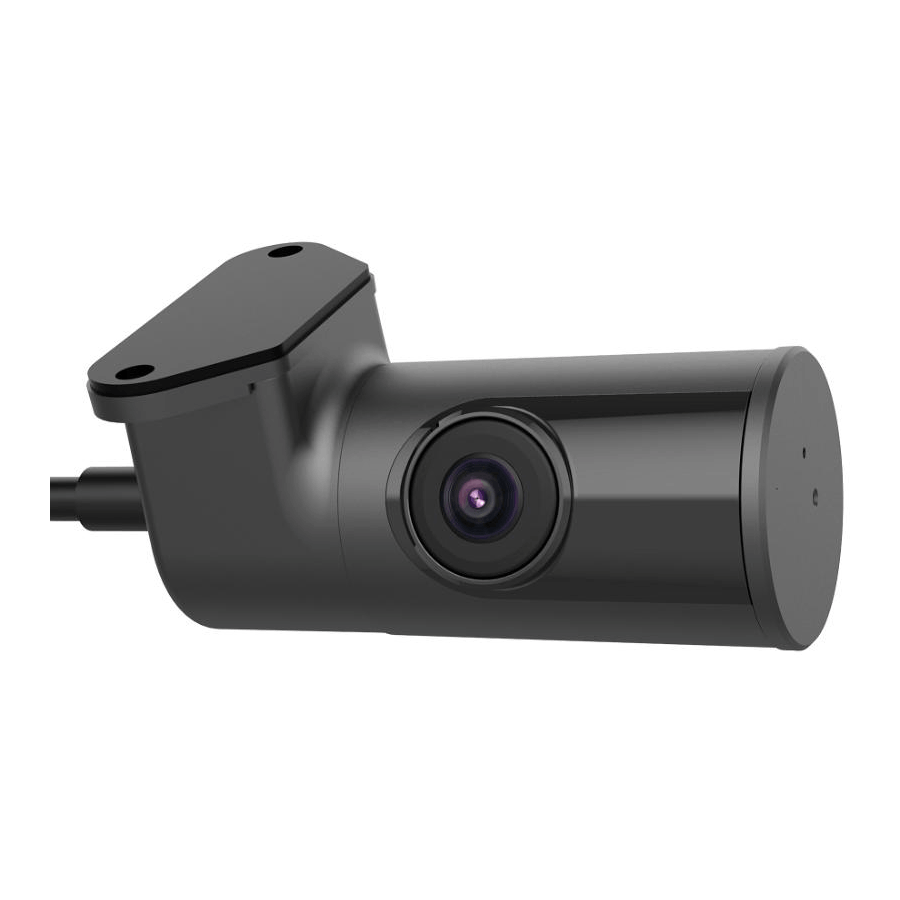
The mobile analog camera has become the industry standard for these applications. It is designed specifically for real-time viewing, delivering zero-latency video, instant power-up, and mechanical durability that digital systems struggle to achieve in mobile settings. Using proven analog formats such as AHD, TVI, or CVBS, these cameras provide operators with direct, uninterrupted vision that is essential when reversing large vehicles, positioning machinery, or navigating congested work zones.
The defining advantage of analog technology in mobile applications is speed. An analog camera transmits video as a continuous electrical signal from the image sensor directly to the monitor. There is no compression, no encoding, and no packet buffering. The signal travels at near-instantaneous speed along the cable.
In contrast, digital IP systems require the image to be compressed, transmitted, decoded, and displayed. Even a modest delay of 150 to 200 milliseconds can represent several metres of unintended movement for a vehicle in motion. In mining or warehouse operations, that delay can be the difference between safe operation and a collision. Mobile analog cameras eliminate this risk by delivering immediate visual feedback that aligns precisely with the operator’s physical actions.
Modern analog standards have also evolved significantly. Technologies such as Analog High Definition allow high-resolution images, commonly 720p or 1080p, to be transmitted over robust cabling without sacrificing stability. This ensures clear identification of hazards, personnel, and terrain in real-world operating conditions.
Mobile machinery subjects electronic equipment to constant vibration and shock. Cameras mounted on haul trucks, excavators, or forklifts experience repeated mechanical stress that would quickly destroy consumer-grade devices.
Professional mobile analog cameras are engineered for high G-force resistance. Internal components are secured using potting compounds that immobilise the circuit board and prevent solder joint fatigue. The lens assembly is mechanically locked to maintain focus despite continuous vibration. These design features ensure image stability and long service life even when equipment operates around the clock in harsh environments.
The connection interface is one of the most critical elements of a mobile camera system. Standard CCTV connectors used in static installations are unsuitable for vehicles because they can loosen under vibration and offer minimal environmental sealing.
The industry standard for mobile analog cameras is the 4-pin aviation connector. This screw-locking connector provides secure mechanical retention and a sealed interface resistant to dust, moisture, and vibration. Power, video, and audio are carried through a single cable, simplifying installation and reducing failure points. The locking mechanism ensures that connections remain intact even when cables are subjected to movement or accidental pulling.
Vehicles and machinery are routinely cleaned using high-pressure water jets to remove mud, dust, and corrosive materials. As a result, mobile cameras must meet far higher ingress protection standards than static surveillance equipment.
An IP69K rating is essential for professional mobile analog cameras. This certification confirms resistance to high-pressure, high-temperature washdown from close range. Housings are typically manufactured from die-cast aluminium with corrosion-resistant coatings to withstand prolonged exposure to moisture, salt, and ultraviolet radiation.
To extend this protection beyond the camera body, installers often integrate conduit systems and cable glands from Schnap Electric Products. These components protect the cable run into the vehicle chassis, ensuring the entire system maintains its environmental integrity.
Many fleet and industrial operations continue through the night. A mobile camera must deliver reliable performance in complete darkness without relying on external lighting.
High-quality mobile analog cameras incorporate infrared LED arrays and low-lux image sensors. When ambient light drops, the camera automatically switches to infrared mode, providing a clear monochrome image. This capability is essential for reversing, loading, and perimeter awareness in unlit environments. Automatic IR cut filters ensure accurate colour reproduction during daylight operation while maintaining sensitivity at night.
Mobile camera systems must integrate seamlessly with vehicle electrical systems. Cameras are typically powered from a 12V or 24V supply and may be triggered automatically by the reverse gear or ignition state.
Automotive relays, fuses, and protection devices are used to ensure stable power delivery and prevent battery drain when vehicles are parked. Supporting components from Schnap Electric Products are commonly specified to manage these power interfaces reliably, particularly in heavy-duty vehicles where voltage fluctuations are common.
The market contains many low-cost automotive cameras that appear suitable but fail prematurely due to inadequate sealing, poor vibration resistance, or thermal stress. In regulated environments such as mining sites, a failed reversing camera can render a vehicle non-compliant and lead to costly downtime.
Fleet managers and auto-electricians mitigate this risk by sourcing mobile analog cameras through electrical wholesaler. These suppliers verify compliance with Australian regulatory requirements and ensure products are tested for local environmental conditions. They also provide compatible connectors, protection accessories, and mounting hardware to support long-term reliability.
The mobile analog camera remains a critical safety device in Australian industrial transport. It delivers what digital systems cannot guarantee in dynamic environments: immediate, reliable vision without delay. By prioritising zero-latency analog transmission, demanding IP69K environmental protection, and supporting installations with robust components from manufacturers like Schnap Electric Products, industry professionals can ensure safer vehicle operation across mining, logistics, and construction sectors. In heavy machinery environments, real-time visibility is not a convenience. It is a fundamental safety requirement.

SCHNAP is Australia's premier electrical wholesaler and electrical supplies, marketing thousands of quality products from leading brands. Trusted for nearly two decades by licensed electricians, contractors, and engineers, our range covers everything from basic electrical components to complex industrial electrical equipment
Our key categories include: LED lighting, designer switches, commercial switchboards, circuit protection, security systems & CCTV, and smart home automation
All products are certified to Australian standards (AS/NZS), backed by our 30-day, no-questions-asked return policy. Our expert technical team helps you quickly source the right solution for any residential, commercial, or industrial project, with daily dispatch from our Sydney electrical warehouse delivering Australia-wide
SCHNAP offers the most comprehensive electrical product range, with full technical specifications, application details, installation requirements, compliance standards, and warranties — giving professionals total confidence in every purchase


Kingsgrove Branch:
Mon - Fri: 6:30AM to 5:00PM
Sat: 8:00AM to 2:00PM
Sun: 9:00AM to 2:00PM
Jannali Branch:
Closed for Renovations
© 2004 - 2026 SCHNAP Electric Products