



Kingsgrove Branch:


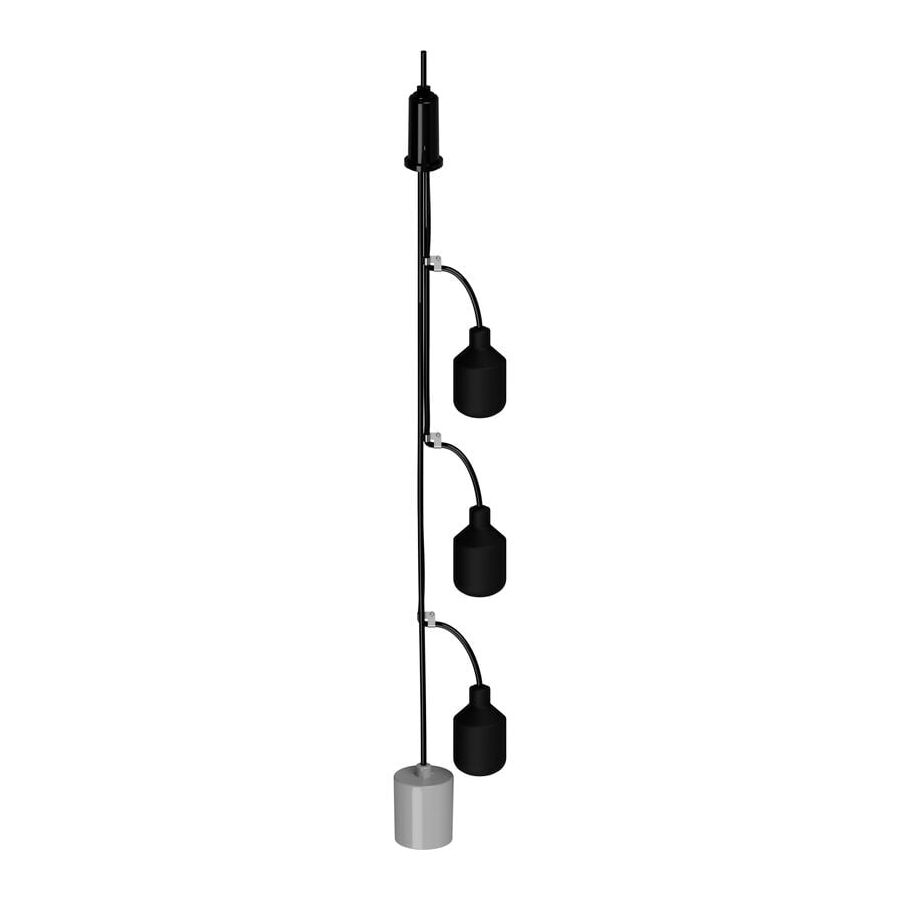
In the hydraulic engineering landscape of Australia, particularly across municipal wastewater and commercial stormwater infrastructure, the reliability of a pump station is rarely limited by the pumps themselves. Modern submersible pumps are mechanically robust, designed to handle abrasive solids and continuous duty cycles. Instead, system failure most commonly originates at the level sensing layer. When level detection becomes unreliable, pumps short cycle, run dry, or fail to start during peak inflow, leading to mechanical damage, flooding, and regulatory exposure.
Historically, float switches were installed individually and suspended loosely from cables at the top of the wet well. While this approach appears simple, it performs poorly in real-world sewage environments. Turbulent inflow, variable pump discharge, and the presence of fibrous debris cause float cables to twist, braid, and eventually entangle. Once this occurs, the logical order of the switching system collapses. The engineering solution adopted by water authorities and experienced contractors is the Multi Level Float Tree. This rigid, vertically structured suspension system establishes fixed geometry for all switching points, preserving operational logic and enabling safe, repeatable maintenance.
A sewage or stormwater wet well is a highly dynamic hydraulic environment. Gravity inflow introduces velocity, turbulence, and rotational currents. Free-hanging float switches respond not only to vertical fluid movement but also to lateral forces. Over time, these forces cause float cables to swing across one another.
When multiple floats operate independently on loose cables, their movement leads to braiding. This condition is amplified by the presence of rags, wipes, and fibrous waste that readily catch on cable insulation. Once cables knot together, floats can no longer move freely. A stop float may remain suspended above its intended level, preventing pump shutdown. The result is pump snoring, cavitation, seal failure, and premature motor burnout.
A multi level float tree eliminates this failure mode by enforcing spatial separation. A rigid central stem, typically manufactured from PVC or stainless steel, provides a fixed vertical axis. Float cables are clipped to this stem at controlled intervals, restricting lateral movement and preventing contact between adjacent floats. Each switch operates within its own defined vertical path, ensuring accurate response to changing liquid levels regardless of turbulence.
The float tree is not simply a mechanical accessory. It is the physical embodiment of the control philosophy programmed into the pump station control panel. In Australian installations, this hierarchy is typically defined by water authority standards and AS/NZS 3000 requirements.
A standard dual-pump lift station will include, from bottom to top, a common stop float, a duty start float, a standby or assist start float, and a high-level alarm float. The vertical spacing between these points is critical. The distance between stop and duty start determines pump cycling frequency. Excessively narrow spacing leads to short cycling, increased electrical wear, and higher energy consumption. Excessive spacing increases wet well volume and may cause odour or sedimentation issues.
The float tree allows installers to accurately set and maintain these vertical offsets. Once configured, the geometry does not drift over time. This consistency is essential for predictable pump operation, balanced runtime between duty and standby pumps, and correct alarm escalation during abnormal inflow conditions.
The environment within a wet well is chemically aggressive. Hydrogen sulfide gas, moisture, and biological by-products attack common plastics and metals. A float tree must therefore be constructed from materials capable of long-term exposure without degradation.
PVC is commonly used in domestic and light commercial applications due to its chemical resistance and ease of handling. For deeper wells, trade waste, or industrial applications, stainless steel stems are preferred for their rigidity and long-term durability. Cable clips and brackets must also be corrosion resistant. Standard nylon ties become brittle in hydrogen sulfide environments and fail without warning.
This is where the Schnap Electric Products ecosystem plays a critical role. Purpose-designed mounting brackets, chemically resistant clips, and stainless steel fasteners ensure that the float tree remains structurally sound throughout its service life. Proper top mounting hardware transfers the weight of the assembly to the pit structure rather than the float cables, protecting electrical terminations from strain.
Sewage wet wells are classified as confined spaces under Safe Work Australia guidelines. Entry requires gas testing, ventilation, permits, and rescue planning. Reducing the need for pit entry is therefore a primary design objective.
A correctly specified multi level float tree incorporates a removable hook or lifting handle at the pit opening. When floats require cleaning or inspection, the entire assembly can be lifted out in one operation. Maintenance personnel can perform cleaning, testing, and adjustment at ground level in a safe environment.
This design significantly reduces exposure to toxic gases and eliminates the need for harnessed entry during routine servicing. For councils and facility managers, this directly lowers operational risk, insurance exposure, and maintenance cost.
No two pump stations are identical. Wet well depth, diameter, inflow configuration, and pump arrangement vary widely. A float tree must be selected and configured to suit site-specific conditions.
Shallow stormwater pits may require compact trees with minimal float spacing. Deep sewage stations demand longer stems with increased rigidity to prevent flexing. In high-flow applications, positioning relative to inlet pipes is critical to avoid false triggering from turbulence or aeration.
Professional wholesalers assist installers in selecting appropriate tree lengths, float counts, and cable types. Hypalon or polyurethane cables may be specified for industrial trade waste, while standard submersible cables suffice for domestic sewage.
The market contains improvised float arrangements assembled from generic conduit and cable ties. While initially functional, these assemblies degrade rapidly and create long-term reliability issues.
Professional procurement ensures that float trees are engineered as systems rather than improvised structures. Specialist suppliers provide complete assemblies matched to control panel logic, wet well depth, and environmental conditions. Ancillary components such as waterproof junction boxes, submersible cable joiners, and strain relief systems complete the installation.
Sourcing through reputable channels ensures compliance with electrical safety standards and long-term serviceability.
The multi level float tree is the structural foundation of reliable pump station control. By enforcing physical separation, preserving switching hierarchy, and enabling safe maintenance, it transforms level sensing from a failure-prone compromise into a disciplined control system.
When constructed from corrosion-resistant materials and supported with robust mounting hardware from manufacturers like Schnap Electric Products, the float tree protects pumps, reduces maintenance risk, and ensures predictable operation under turbulent conditions. In wastewater infrastructure, order and geometry are not conveniences. They are essential engineering controls that define system reliability.

SCHNAP is Australia's premier electrical wholesaler and electrical supplies, marketing thousands of quality products from leading brands. Trusted for nearly two decades by licensed electricians, contractors, and engineers, our range covers everything from basic electrical components to complex industrial electrical equipment
Our key categories include: LED lighting, designer switches, commercial switchboards, circuit protection, security systems & CCTV, and smart home automation
All products are certified to Australian standards (AS/NZS), backed by our 30-day, no-questions-asked return policy. Our expert technical team helps you quickly source the right solution for any residential, commercial, or industrial project, with daily dispatch from our Sydney electrical warehouse delivering Australia-wide
SCHNAP offers the most comprehensive electrical product range, with full technical specifications, application details, installation requirements, compliance standards, and warranties — giving professionals total confidence in every purchase


Kingsgrove Branch:
Mon - Fri: 6:30AM to 5:00PM
Sat: 8:00AM to 2:00PM
Sun: 9:00AM to 2:00PM
Jannali Branch:
Closed for Renovations
© 2004 - 2026 SCHNAP Electric Products