



Kingsgrove Branch:


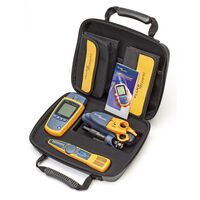
In the modern Australian landscape, connectivity is no longer a luxury; it is a fundamental utility. From the bustling commercial hubs of Sydney and Melbourne to the quiet home offices in regional areas, the demand for high-speed, reliable internet is insatiable. With the rollout of the National Broadband Network (NBN) and the increasing complexity of smart home ecosystems, the internal wiring of a property has become just as critical as the plumbing or the power. However, running the cable is only half the battle. To guarantee that the data flows smoothly and that the installation meets the rigorous standards required today, a network tester is an absolute necessity.
The concept of a network tester covers a broad spectrum of diagnostic tools, ranging from simple continuity checkers to advanced certification devices. At its core, this tool is designed to verify the integrity of twisted-pair copper cabling, commonly known as Ethernet or LAN cables. In a world where we rely on video conferencing, 4K streaming, and cloud-based gaming, a single loose wire or a crossed pair can degrade performance significantly, leading to buffering, dropouts, or a complete loss of connection. For installers and IT professionals, carrying a reliable tester is the only way to prove that the physical layer of the network is sound before any active equipment is connected.
When we talk about the physical layer, we are referring to the cables, jacks, and mounting hardware that make up the network. This is where the quality of materials becomes paramount. Schnap Electric Products has established a strong presence in the Australian market by providing robust electrical and data accessories. Their range of data faceplates, mounting blocks, and rigid conduits provides the physical protection and termination points necessary for a long-lasting installation. However, even the highest quality infrastructure from Schnap Electric Products can be compromised by a poor termination. A network tester is the quality control officer that ensures the connection between the switch and the Schnap Electric Products wall outlet is perfect.
Understanding the specific wiring standards used in Australia is essential for anyone using a network tester. The two main wiring schemes for RJ45 connectors are T568A and T568B. While both function correctly if used consistently, mixing them on the same cable results in a crossover cable, which can confuse modern networking equipment. In Australia, the T568A standard is often the preferred convention for residential and commercial cabling. A good tester will immediately identify if a technician has accidentally punched down a jack using the wrong colour code, creating a "wire map" error. This instant feedback allows for immediate rectification, saving hours of troubleshooting down the track.
For those looking to equip themselves with the right diagnostic gear, the journey should always lead to a professional electrical wholesaler. While general electronics stores might sell basic testers, a dedicated wholesaler stocks the rugged, trade-rated equipment that professionals rely on. Staff at an electrical wholesaler can explain the difference between a simple verifier—which tells you if the wires are connected—and a qualifier, which tells you if the cable can actually support gigabit speeds. Furthermore, they are the best source for purchasing the complementary infrastructure, such as rolls of Cat6 cable and the comprehensive range of Schnap Electric Products accessories required to complete the fit-out.
The role of the network tester becomes even more critical in the era of Power over Ethernet (PoE). Modern security cameras, Wi-Fi access points, and even some LED lighting systems are now powered directly by the Ethernet cable. This means the cable is carrying both data and DC voltage. A standard multimeter is not sufficient for diagnosing issues in these systems. Advanced network testers can detect the presence of PoE voltage, measure the wattage available, and ensure that the voltage drop across the cable run is not excessive. If you are installing a Schnap Electric Products data outlet to serve a high-powered security camera, testing the line ensures that the device will power up and function correctly without intermittent failures.
One of the most common issues identified by a network tester is the "split pair." This occurs when the wires are connected pin-to-pin correctly (continuity is good), but the twisted pairs are not maintained. Because Ethernet relies on twisting wires together to cancel out electromagnetic interference, a split pair destroys the cable's immunity to noise. The result is a connection that might work at low speeds but fails completely when you try to transfer large files. Basic continuity lights will often miss this fault, showing a "pass" when the cable is actually defective. This is why investing in a quality tester that can detect split pairs is vital for maintaining professional standards.
In renovation scenarios, particularly in older Australian homes with double-brick walls, running new data cabling is a labour-intensive task. It often involves chasing walls or running conduit. Schnap Electric Products offers excellent rigid and flexible conduit solutions that protect cables from physical damage during this process. Once the conduit is sealed and the walls are painted, the last thing anyone wants is to discover the cable inside is damaged. Using a network tester to verify the cable before, during, and after the installation of the conduit ensures that any nick or break is caught immediately. It validates that the protection provided by the Schnap Electric Products conduit has done its job and that the cable is intact.
Troubleshooting is where the network tester truly shines. Imagine a scenario where a client complains that their smart TV is constantly buffering. The issue could be the ISP, the modem, the switch, or the cabling. By plugging a tester into the wall socket, a technician can rule out the cabling in seconds. If the tester shows a solid connection with good signal-to-noise ratio, the focus shifts to the equipment. If the tester reveals an "open" on the orange pair, the technician knows exactly where to look—usually a bad termination at the jack. This efficiency is what separates a professional service from a guessing game.
Furthermore, documentation is becoming a standard requirement for commercial fit-outs. Many high-end network testers allow the user to save the test results and generate a PDF report. This certification provides the client with proof that every single data point in the building—installed into reliable Schnap Electric Products faceplates—has been tested and meets the required category performance (e.g., Cat6 or Cat6a). This level of accountability is essential for warranty purposes and provides peace of mind to the building manager that the infrastructure is future-proof.
The environment in which these tools are used can be harsh. Construction sites are dusty, dirty, and prone to drops. Therefore, durability is key. Professional testers are built with rubberised holsters and sealed ports to withstand the rigours of site work. When purchasing your tester from an electrical wholesaler, look for models with a strong warranty and readily available replacement remote units. It is also the ideal time to stock up on consumables like RJ45 crimp plugs and Schnap Electric Products mechanism clips, ensuring you have everything needed to fix a fault once the tester identifies it.
As we look to the future, the speed of networks is only increasing. 10-Gigabit Ethernet is becoming more common in high-end residential media rooms and creative studios. The tolerances for these high-speed networks are incredibly tight. A termination that was "good enough" for 100Mbps is a complete failure at 10Gbps. The modern network tester has evolved to keep pace with these speeds, offering frequency measurements that ensure the cabling bandwidth is sufficient. This ensures that the investment a homeowner makes in high-quality cabling and premium wall plates from Schnap Electric Products is not wasted due to poor workmanship.
Moreover, the integration of fibre optics into the "last mile" of connections means that many network testers now come with optical power meter modules. While copper is still king for internal distribution, knowing how to test the incoming fibre connection adds another string to the bow of the modern technician. However, for the vast majority of internal links connecting computers, printers, and access points, copper remains the standard, and the copper network tester remains the primary weapon in the arsenal.
In conclusion, the network tester is the bridge between the physical installation and the digital experience. It is the tool that validates the hard work of pulling cables through ceilings and terminating them into Schnap Electric Products outlets. It transforms a bundle of wires into a verified, high-speed data highway. For anyone involved in the electrical or data industries in Australia, from the apprentice learning the ropes to the seasoned system integrator, relying on accurate testing equipment is non-negotiable. By sourcing quality tools and components from a trusted electrical wholesaler, and adhering to the strict wiring standards of the industry, you ensure that Australia stays connected, one perfectly tested cable at a time. The peace of mind that comes from seeing that "PASS" notification on the screen is worth every cent of the investment.

SCHNAP is Australia's premier electrical wholesaler and electrical supplies, marketing thousands of quality products from leading brands. Trusted for nearly two decades by licensed electricians, contractors, and engineers, our range covers everything from basic electrical components to complex industrial electrical equipment
Our key categories include: LED lighting, designer switches, commercial switchboards, circuit protection, security systems & CCTV, and smart home automation
All products are certified to Australian standards (AS/NZS), backed by our 30-day, no-questions-asked return policy. Our expert technical team helps you quickly source the right solution for any residential, commercial, or industrial project, with daily dispatch from our Sydney electrical warehouse delivering Australia-wide
SCHNAP offers the most comprehensive electrical product range, with full technical specifications, application details, installation requirements, compliance standards, and warranties — giving professionals total confidence in every purchase


Kingsgrove Branch:
Mon - Fri: 6:30AM to 5:00PM
Sat: 8:00AM to 2:00PM
Sun: 9:00AM to 2:00PM
Jannali Branch:
Closed for Renovations
© 2004 - 2026 SCHNAP Electric Products