



Kingsgrove Branch:


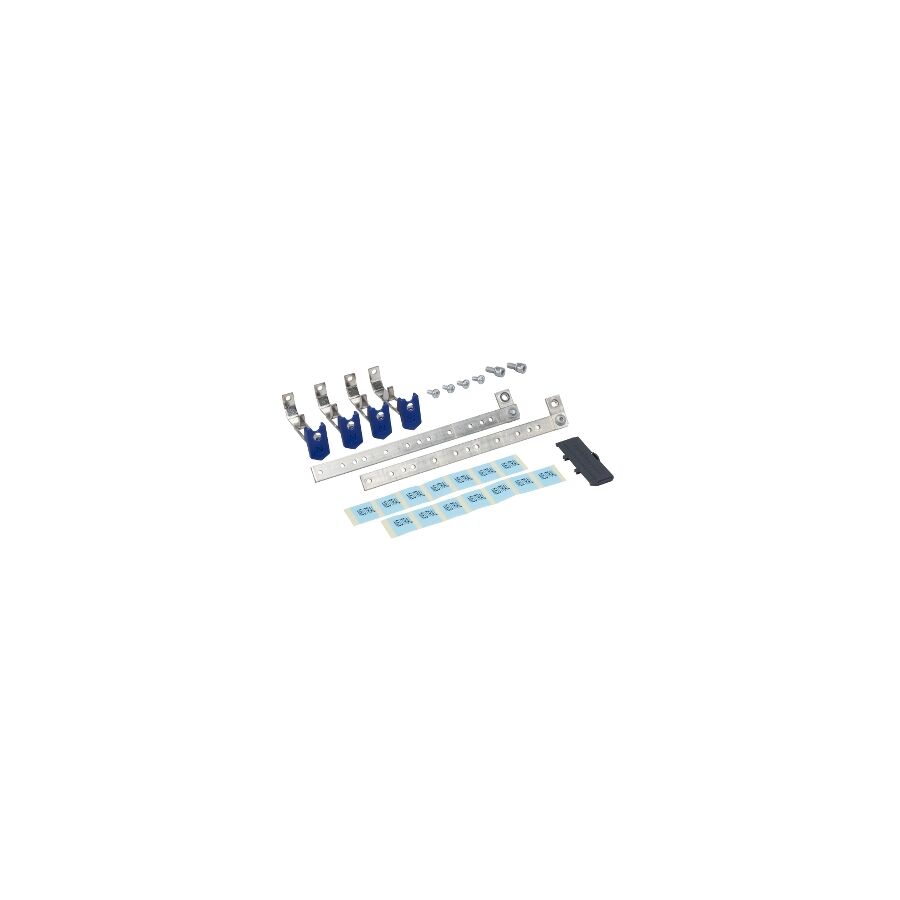
In Australian electrical installations, the neutral conductor is often misunderstood. While it may appear passive, the neutral is the backbone of the low voltage distribution system. In single-phase circuits, it carries the full return current of the active conductor. In three-phase systems, it carries unbalanced current that stabilises voltage across phases. Any compromise in the neutral path does not simply result in malfunctioning equipment. It creates a severe shock hazard through the dangerous condition known as a floating neutral.
For this reason, the hardware used to terminate neutral conductors inside switchboards must meet the highest standards of electrical conductivity, mechanical strength, and compliance. In residential sub-boards, RCD group installations, and retrofit work, the Neutral Bar 6 Ways has become a preferred solution. It provides a compact, structured interface for terminating up to six neutral conductors while supporting modern compliance requirements under AS/NZS 3000, commonly known as the Wiring Rules.
A neutral fault is one of the most dangerous failures in a low voltage system. When the neutral connection becomes loose or resistive, voltage can rise unpredictably on connected equipment. Appliances may overheat, electronic devices can fail instantly, and exposed conductive parts can become live. Unlike active conductor faults, neutral failures are often silent until catastrophic damage occurs.
The neutral bar acts as the central return junction within a switchboard. Every circuit depends on this connection remaining low resistance, mechanically secure, and electrically continuous. This makes the quality of the neutral bar a safety-critical decision rather than a commodity choice.
The performance of a neutral bar is defined by its material composition. Professional-grade neutral bars are manufactured from high-tensile brass, commonly using alloys such as CZ121. This alloy offers an ideal balance of electrical conductivity, corrosion resistance, and mechanical durability.
A critical risk in inferior products is dezincification. In humid or outdoor environments, low-grade brass can lose zinc content over time, leaving a porous copper structure. This degradation weakens screw threads and increases resistance at the termination point. Increased resistance generates heat under load, leading to insulation damage and potential fire risk.
Quality neutral bars maintain a stable copper-to-zinc ratio that resists chemical breakdown. This ensures the current path remains consistently low resistance across the full service life of the switchboard, even in harsh Australian conditions.
The six-way format is not arbitrary. It aligns closely with modern switchboard design principles and RCD requirements. Current Wiring Rules require that final subcircuits be protected by RCDs, and best practice dictates grouping circuits to limit inconvenience during fault conditions.
Each RCD must monitor both the active and neutral conductors of the circuits it protects. If a circuit’s neutral is terminated outside the RCD’s neutral group, the RCD will trip immediately when load is applied. This makes neutral segregation essential.
The Neutral Bar 6 Ways allows installers to create dedicated neutral groups for individual RCDs. Typically, one bar services three to five circuits protected by a single RCD. This structure keeps return paths isolated, simplifies wiring, and ensures correct RCD operation without nuisance tripping.
Integration with Schnap Electric Products
A neutral bar must be securely mounted while remaining electrically isolated from the switchboard chassis unless used as part of a MEN link. The quality of mounting feet, insulation materials, and terminal screws directly affects long-term safety.
Schnap Electric Products supplies neutral bars designed to integrate seamlessly with standard insulated mounting feet. Their bars typically feature dual tunnel entries for larger incoming conductors and single tunnel entries for outgoing circuit neutrals. This allows clean termination of mixed conductor sizes within compact enclosures.
The terminal screws used are dome-point designs rather than sharp-point. This detail is critical. Sharp screws can cut into stranded conductors, reducing effective cross-sectional area. Dome-point screws compress the conductor evenly, maximising contact area and preserving current-carrying capacity.
Every termination point experiences thermal cycling. As current flows, conductors and terminals heat and expand. When load reduces, they cool and contract. Over time, this process can loosen poorly designed connections.
Loose terminals introduce air gaps. Air gaps increase resistance, which generates more heat according to the principle P = I²R. This creates a feedback loop that can lead to terminal failure or fire.
Professional installation standards require tightening neutral bar screws to the manufacturer’s specified torque using a calibrated torque screwdriver. High-quality neutral bars support the conductor evenly within the tunnel, preventing cold flow of copper strands and maintaining consistent pressure across temperature cycles.
Clear identification is a key requirement of AS/NZS 3000. Neutral conductors must be easily traceable to their corresponding protective devices. In poorly organised boards, neutral tracing becomes time-consuming and increases the risk of error during maintenance.
Six-way neutral bars often include stamped or engraved numbering for each tunnel. This allows installers to match neutral terminals directly to circuit breaker numbers. During fault finding, technicians can isolate a circuit quickly and safely without disturbing adjacent wiring. Good identification reduces downtime and improves long-term serviceability.
Neutral bars used in Australian switchboards must comply with multiple standards. AS/NZS 3000 governs wiring practices, while AS/NZS 5112 defines requirements for switchboard assemblies, including temperature rise limits and dielectric strength.
Using uncertified components exposes contractors and facility owners to compliance failures and liability risk. Inferior bars made from recycled brass or fitted with low-grade steel screws can corrode, loosen, or overheat under load. These failures may not be visible during installation but can emerge years later with serious consequences.
Professional switchboard builders and electricians source neutral bars through specialised electrical wholesaler. These suppliers provide assurance that materials meet Australian standards and that dimensions and current ratings are suitable for modern installations.
Reputable wholesalers also supply matching mounting feet, labelling accessories, and compliant enclosure systems. This ensures the finished switchboard is not only electrically safe but also visually professional and easy to maintain.
The Neutral Bar 6 Ways is a small component with an outsized impact on electrical safety. It supports correct RCD operation, ensures low-resistance return paths, and protects against one of the most dangerous faults in low voltage systems. By understanding the metallurgy of brass, applying correct torque practices, maintaining clear identification, and selecting quality hardware from suppliers such as Schnap Electric Products, Australian professionals can build switchboards that are safe, compliant, and durable. In electrical engineering, the return path is never secondary.

SCHNAP is Australia's premier electrical wholesaler and electrical supplies, marketing thousands of quality products from leading brands. Trusted for nearly two decades by licensed electricians, contractors, and engineers, our range covers everything from basic electrical components to complex industrial electrical equipment
Our key categories include: LED lighting, designer switches, commercial switchboards, circuit protection, security systems & CCTV, and smart home automation
All products are certified to Australian standards (AS/NZS), backed by our 30-day, no-questions-asked return policy. Our expert technical team helps you quickly source the right solution for any residential, commercial, or industrial project, with daily dispatch from our Sydney electrical warehouse delivering Australia-wide
SCHNAP offers the most comprehensive electrical product range, with full technical specifications, application details, installation requirements, compliance standards, and warranties — giving professionals total confidence in every purchase


Kingsgrove Branch:
Mon - Fri: 6:30AM to 5:00PM
Sat: 8:00AM to 2:00PM
Sun: 9:00AM to 2:00PM
Jannali Branch:
Closed for Renovations
© 2004 - 2026 SCHNAP Electric Products