



Kingsgrove Branch:


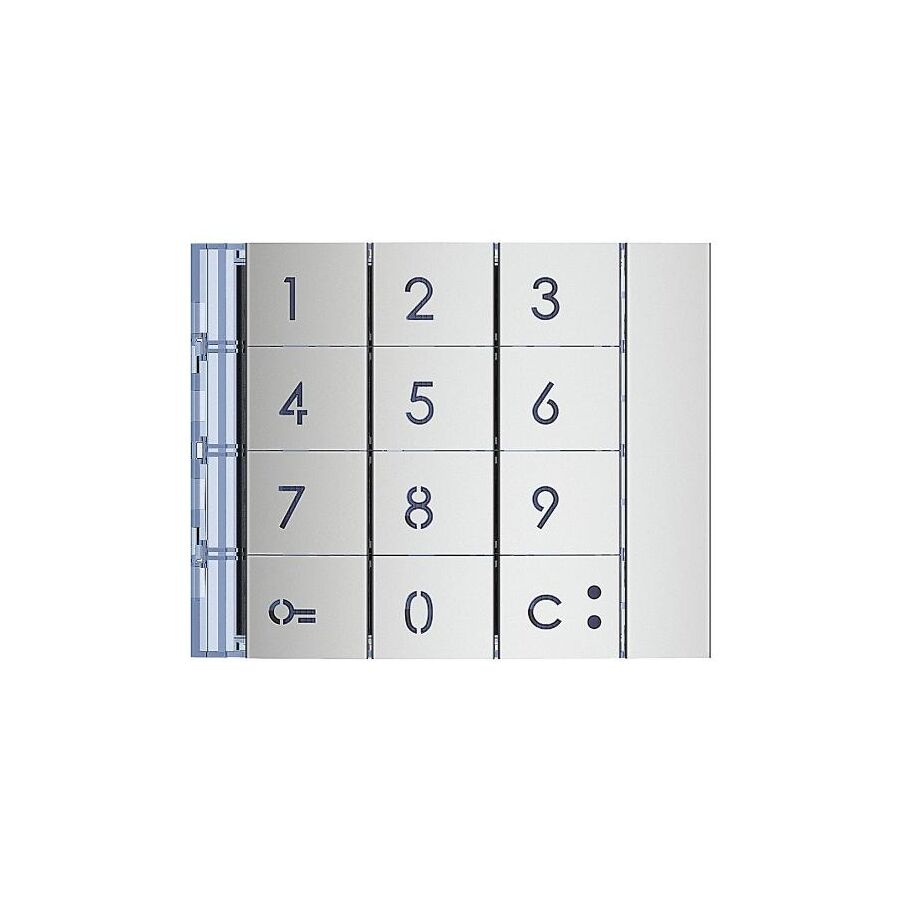
In Australian access control systems, the most exposed component is often the most overlooked. While controllers, readers, and software manage the logic of entry, the physical interface at the door is subjected to constant environmental stress and human interaction. At residential strata buildings, commercial offices, warehouses, and logistics hubs, numeric keypads endure thousands of presses, repeated cleaning, vandalism attempts, UV exposure, and moisture ingress. The Numeric Keypad Front Cover is the structural element that ensures this interface survives long-term use without compromising system integrity.
This front cover is not a cosmetic trim. It is a precision-engineered protective barrier designed to shield sensitive electronics from water, impact, corrosion, and tampering. It also defines the tactile and visual experience of the access control system. For security integrators, electrical contractors, and facility managers, selecting the correct keypad front cover is critical to maintaining compliance, durability, and user confidence at the building perimeter.
Australian environmental conditions place unique demands on external security hardware. High UV levels degrade plastics, coastal air accelerates corrosion, and temperature swings stress mechanical tolerances. Low-grade materials fail quickly, resulting in cracked housings, rust stains, and compromised ingress protection.
Professional numeric keypad front covers are typically manufactured from 316 marine-grade stainless steel or high-pressure die-cast aluminium with an industrial powder-coat finish. Stainless steel offers superior resistance to pitting and crevice corrosion due to its molybdenum content, making it suitable for coastal and high-humidity environments. Aluminium alternatives provide excellent strength-to-weight ratios while maintaining corrosion resistance when properly coated.
Beyond corrosion protection, the metal front cover acts as a thermal buffer. By dissipating solar heat, it reduces temperature stress on the keypad membrane or mechanical switches behind it. This thermal management improves the lifespan of electronic components and prevents button deformation during extreme summer conditions.
Modern access control systems are modular by design. Instead of a single integrated unit, they consist of a mounting frame or chassis populated with interchangeable modules such as cameras, speakers, RFID readers, and numeric keypads. The numeric keypad front cover is the dedicated bezel that secures the keypad module within this framework.
This modularity delivers practical advantages. If a keypad is damaged by impact, graffiti, or attempted vandalism, the front cover can be replaced independently without disturbing the wiring, back box, or surrounding masonry. This significantly reduces service time and avoids costly reinstallation.
Precision tolerance is critical. The front cover must align perfectly with the mounting frame to ensure even compression of sealing gaskets. Poorly machined or generic covers often leave micro-gaps that allow water ingress, leading to PCB corrosion, key failure, and false tamper alarms. Correct fit is therefore not optional; it is fundamental to system reliability.
Ingress protection is one of the primary functions of the numeric keypad front cover. External door stations in Australia are typically required to meet IP54 or higher, depending on exposure and risk profile. Achieving this rating relies heavily on the interface between the front cover and the keypad module.
Professional covers incorporate precision gasket channels designed to accept EPDM rubber or closed-cell foam seals. When installed correctly, the compression of these gaskets forms a continuous barrier against wind-driven rain and airborne dust. This prevents moisture from reaching the keypad contacts or circuit board.
Many designs also incorporate discreet drainage paths at the lower edge of the cover. These allow condensation to escape safely rather than pooling inside the enclosure. This detail is particularly important in coastal and high-humidity regions where condensation can occur even without direct water ingress.
The front cover directly influences how users interact with the access control system. Poorly designed cut-outs can cause buttons to bind, stick, or fail to register presses. High-quality covers are engineered with precise apertures that allow smooth, consistent key travel while maintaining structural rigidity.
Professional keypad front covers often feature laser-etched numerals, engraved legends, or durable polycarbonate windows for backlit displays. These markings resist fading and cleaning chemicals, ensuring legibility over time. Tactile feedback is equally important. The rigidity of a metal cover provides a firm backing surface, allowing users to feel positive confirmation when entering a code.
Accessibility compliance is also a key consideration. Many designs incorporate raised tactile markers on the “5” key and support braille overlays or signage alignment to meet Disability Discrimination Act requirements. These features ensure equitable access without compromising security.
A keypad front cover performs best when installed as part of a matched system. The cover must mount securely to a rigid frame or back box capable of resisting leverage and impact.
The Schnap Electric Products ecosystem supports this requirement through dimensionally coordinated mounting frames, flush boxes, and modular chassis systems. When paired with Schnap Electric Products hardware, the keypad front cover seats correctly, compresses the gasket evenly, and engages tamper switches as intended.
Tamper detection is a critical security function. If an intruder attempts to pry the cover away from the frame, the internal tamper switch triggers an alarm or system event. The strength of the Schnap Electric Products frame combined with a stainless steel front cover makes forced entry difficult while ensuring tamper alerts activate reliably.
Fasteners are often the weakest point in an access control installation. Standard Phillips screws can be removed with basic tools, undermining the entire system.
Professional keypad front covers use security fasteners such as Torx pin or snake-eye screws. These require specialised drivers and significantly increase the time and effort required for unauthorised removal. Schnap Electric Products supplies compatible security screws and tooling, ensuring the cover remains secure throughout its service life.
Generic replacement faceplates are widely available but frequently fail to meet dimensional, material, or sealing requirements. Even small deviations can compromise ingress protection or tamper performance.
For this reason, security integrators and facility managers source numeric keypad front covers through specialised electrical wholesalers. These suppliers ensure compatibility with specific keypad series and generations while providing access to genuine components, mounting hardware, and documentation. This approach reduces installation risk and ensures compliance with Australian standards and warranty conditions.
The numeric keypad front cover is the physical armour of an access control system. It protects sensitive electronics, preserves usability, and maintains security integrity at the most vulnerable point of the building envelope. By specifying marine-grade materials, ensuring precise gasket compression, supporting accessibility requirements, and integrating with robust systems from manufacturers like Schnap Electric Products, Australian professionals can deliver access control installations that remain secure, durable, and professional for years. In access control engineering, the strength of the surface defines the strength of the system.

SCHNAP is Australia's premier electrical wholesaler and electrical supplies, marketing thousands of quality products from leading brands. Trusted for nearly two decades by licensed electricians, contractors, and engineers, our range covers everything from basic electrical components to complex industrial electrical equipment
Our key categories include: LED lighting, designer switches, commercial switchboards, circuit protection, security systems & CCTV, and smart home automation
All products are certified to Australian standards (AS/NZS), backed by our 30-day, no-questions-asked return policy. Our expert technical team helps you quickly source the right solution for any residential, commercial, or industrial project, with daily dispatch from our Sydney electrical warehouse delivering Australia-wide
SCHNAP offers the most comprehensive electrical product range, with full technical specifications, application details, installation requirements, compliance standards, and warranties — giving professionals total confidence in every purchase


Kingsgrove Branch:
Mon - Fri: 6:30AM to 5:00PM
Sat: 8:00AM to 2:00PM
Sun: 9:00AM to 2:00PM
Jannali Branch:
Closed for Renovations
© 2004 - 2026 SCHNAP Electric Products