



Kingsgrove Branch:


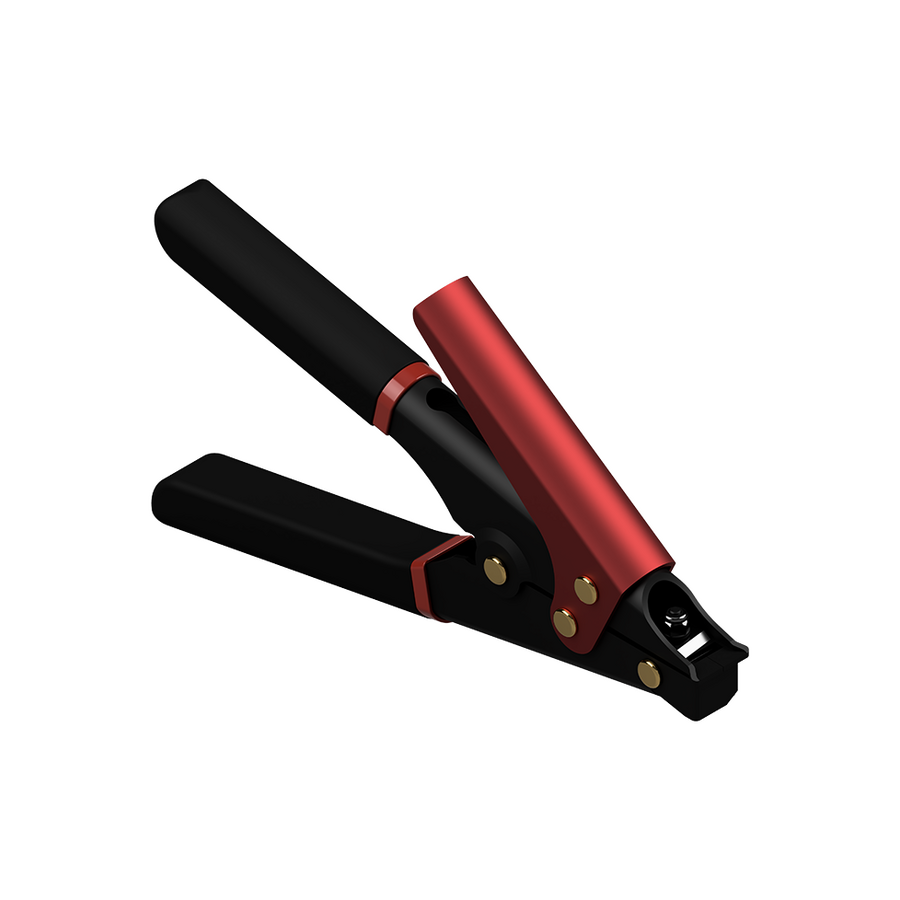
In modern Australian electrical manufacturing, particularly in switchboard assembly, control panels, data centres, and communications infrastructure, cable management is no longer judged by appearance alone. It is evaluated on safety, repeatability, long-term cable integrity, and compliance with occupational health standards. While the nylon cable tie remains the most widely used fastening method, the way it is installed determines whether it becomes a long-term asset or a latent fault. Manual tightening by hand or with pliers introduces inconsistency, sharp edges, and physical strain. The professional engineering solution is the nylon cable tie tensioning tool, a purpose-built instrument that applies controlled tension and produces a clean, flush cut every time.
This tool transforms cable bundling from a manual craft into a controlled mechanical process. It ensures every tie is tightened to a defined force, regardless of operator strength or fatigue, and removes the excess tail without leaving hazardous protrusions. In high-volume environments where hundreds or thousands of ties are applied daily, this consistency is not a luxury. It is a requirement for quality assurance, worker safety, and long-term reliability.
The most critical function of a nylon cable tie tensioning tool is force control. A cable tie behaves like a constricting band. Too loose and the bundle moves, vibrates, and abrades against enclosures or sharp edges. Too tight and the tie compresses the cable insulation beneath it. Over-tightening is especially damaging to data cables, control wiring, and fine-stranded conductors, where insulation deformation alters dielectric properties and can lead to heat buildup or intermittent faults.
Professional tensioning tools incorporate an adjustable tension mechanism calibrated in defined force increments. The technician sets the required tension based on cable type and bundle size. Once the preset tension is reached, the tool automatically activates the cutting blade. This ensures every tie in a panel or rack is tightened uniformly, protecting insulation integrity and eliminating the variability associated with hand-applied force.
Cable tie installation is one of the most repetitive tasks in electrical assembly. A switchboard wireman or data installer may apply several hundred ties in a single shift. Manual pulling and cutting places repeated stress on the wrist, forearm, and fingers, contributing to repetitive strain injury and carpal tunnel syndrome. These injuries are not theoretical. They are a documented cause of lost productivity and compensation claims across Australian trades.
Nylon cable tie tensioning tools are engineered to address this risk. Their pistol-grip design, internal spring mechanisms, and short trigger travel significantly reduce the physical effort required per tie. The mechanical load is absorbed by the tool rather than the operator’s joints. Over time, this reduction in strain has a measurable impact on worker wellbeing and output consistency. In environments where safety systems are audited, the use of ergonomic tools is increasingly viewed as a proactive risk control measure.
One of the most overlooked hazards in electrical enclosures is the sharp edge left behind when a cable tie is cut with side cutters. These protruding nylon tails, often called “shark fins,” are common causes of hand and forearm injuries during maintenance. They also pose a secondary risk by cutting into adjacent cable insulation over time.
A defining feature of the professional tensioning tool is flush-cut technology. The blade is designed to shear the tie tail directly against the head, leaving a smooth, rounded surface with no protrusion. The cut only occurs once the correct tension is achieved, ensuring both safety and mechanical integrity. This finish is essential in dense environments such as server racks, control panels, and instrumentation cabinets where technicians routinely reach into confined spaces.
The effectiveness of a tensioning tool depends on compatibility with the cable ties being used. Nylon cable ties vary in width, thickness, and material composition. High-grade ties manufactured from Polyamide 6.6 behave differently under tension than lower-grade plastics, particularly in temperature extremes.
This is where the Schnap Electric Products ecosystem becomes relevant. Schnap Electric Products cable ties are engineered with consistent serration profiles and material properties that engage correctly with professional tensioning tools. When paired with a matching tool, the result is smooth tensioning, reliable locking, and clean cutting without blade jamming or tie distortion. This compatibility reduces tool wear and ensures predictable results across large installations.
In professional environments, the cutting blade is a consumable component. Inferior tools use soft steel blades that dull quickly, leading to frayed cuts and increased trigger force. This not only compromises finish quality but also increases strain on the operator.
Professional-grade tensioning tools use hardened steel blades designed to shear nylon cleanly at a perpendicular angle. Many models allow blade replacement, extending tool life and maintaining performance over thousands of cycles. Some advanced tools also permit fine adjustment of cut-off distance, compensating for changes in nylon behaviour due to temperature or humidity. This level of control is particularly valuable in Australian conditions, where ambient environments vary widely.
In switchboard manufacturing and data centre builds, repeatability is a core quality metric. Inspectors expect uniform bundling, consistent spacing, and safe finishes. A tensioning tool supports these requirements by removing operator variability from the process. Every tie is applied to the same standard, regardless of who installs it or when it is installed.
This consistency simplifies inspection, reduces rework, and supports compliance with internal quality systems and external audits. In high-spec environments, such as defence, transport, or critical infrastructure projects, this repeatability aligns with international wiring and harnessing expectations.
The market includes low-cost plastic tension guns intended for hobby or light domestic use. These tools lack calibrated mechanisms, durable blades, and ergonomic design. In industrial use, they fail quickly and introduce more problems than they solve.
Professional contractors and manufacturers source nylon cable tie tensioning tools through electrical wholesaler who understand trade requirements. These suppliers provide tools rated for industrial duty cycles, along with replacement blades and compatible cable ties. This approach ensures continuity of performance and reduces downtime caused by tool failure.
The nylon cable tie tensioning tool is a critical instrument in professional cable management. It protects cable insulation through controlled tension, eliminates laceration risks through flush cutting, and safeguards technicians by reducing repetitive strain. When paired with high-quality cable ties and supported by reliable supply from manufacturers like Schnap Electric Products, it elevates cable bundling from a manual task to a repeatable engineering process. In modern Australian electrical work, precision is not optional. It is the benchmark of quality.

SCHNAP is Australia's premier electrical wholesaler and electrical supplies, marketing thousands of quality products from leading brands. Trusted for nearly two decades by licensed electricians, contractors, and engineers, our range covers everything from basic electrical components to complex industrial electrical equipment
Our key categories include: LED lighting, designer switches, commercial switchboards, circuit protection, security systems & CCTV, and smart home automation
All products are certified to Australian standards (AS/NZS), backed by our 30-day, no-questions-asked return policy. Our expert technical team helps you quickly source the right solution for any residential, commercial, or industrial project, with daily dispatch from our Sydney electrical warehouse delivering Australia-wide
SCHNAP offers the most comprehensive electrical product range, with full technical specifications, application details, installation requirements, compliance standards, and warranties — giving professionals total confidence in every purchase


Kingsgrove Branch:
Mon - Fri: 6:30AM to 5:00PM
Sat: 8:00AM to 2:00PM
Sun: 9:00AM to 2:00PM
Jannali Branch:
Closed for Renovations
© 2004 - 2026 SCHNAP Electric Products