



Kingsgrove Branch:


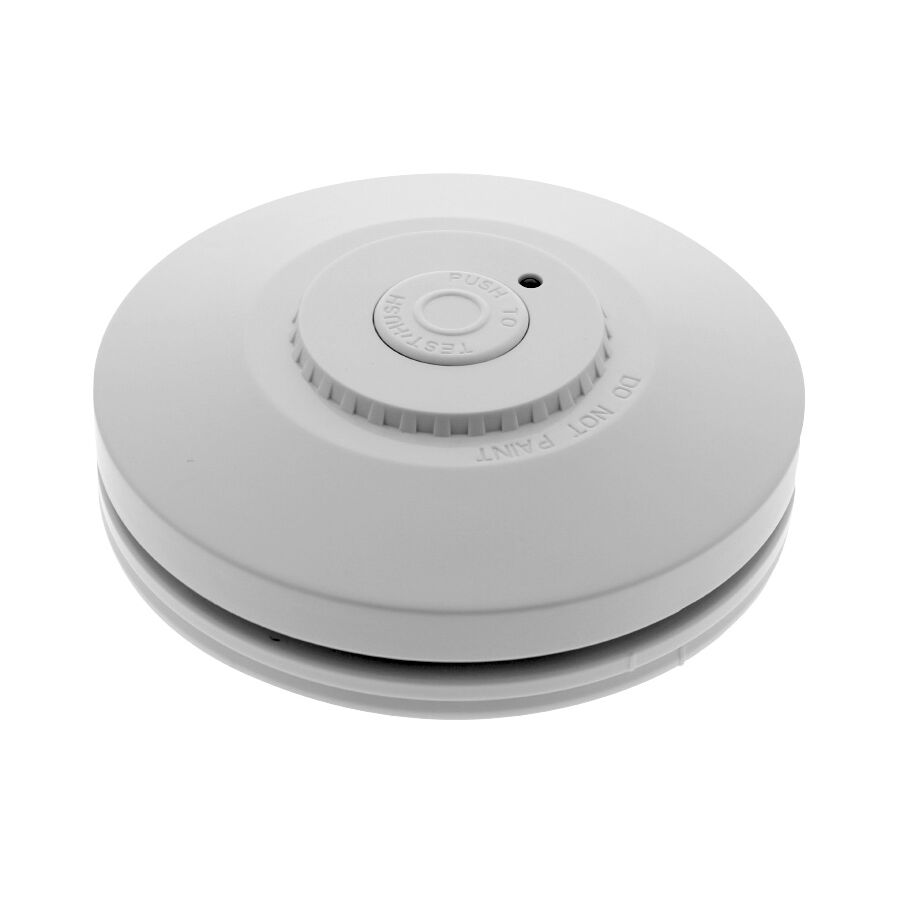
In Australia, the safety of our homes and families is paramount, especially given our unique environmental challenges and the harsh reality of fire risks. Whether it is the threat of bushfires in summer or the dangers of unattended heaters in winter, the risk of residential fire is a year-round concern. For decades, the humble smoke alarm has been the first line of defence, standing guard on our ceilings to provide that crucial early warning. However, not all smoke alarms are created equal. In recent years, there has been a significant shift in legislation and industry best practice towards the photoelectric smoke alarm. Understanding why this technology is superior and ensuring your home is compliant is one of the most important steps you can take as a homeowner or landlord.
To understand the importance of the photoelectric smoke alarm, we first need to look at how it works compared to the older ionisation technology. Ionisation alarms were the standard for many years; they are excellent at detecting fast-flaming fires with little smoke. However, they are prone to false alarms caused by cooking fumes or steam from the shower, leading many frustrated residents to disable them—a dangerous habit. In contrast, a photoelectric alarm uses a light source and a sensor within a chamber. When smoke enters the chamber, it scatters the light beam onto the sensor, triggering the siren. This method is far more effective at detecting smouldering fires—the type that start slowly on a couch or bedding and produce toxic smoke long before visible flames appear. This early detection of smouldering fires is critical because smoke inhalation is the leading cause of death in house fires.
The push towards photoelectric technology is not just a preference; in many Australian states, it is becoming the law. Queensland has led the charge with strict legislation requiring all homes to have interconnected photoelectric alarms in every bedroom and hallway. Other states like Victoria and New South Wales strongly recommend them and require them in all new builds and renovations. This legislative shift is driven by the clear evidence that photoelectric sensors provide a faster warning for the types of fires most likely to occur in a home when people are sleeping. Upgrading to a modern system is not just about ticking a box for compliance; it is about buying valuable time for your family to escape safely.
When considering an upgrade or a new installation, the quality of the hardware is non-negotiable. This is where brands like Schnap Electric Products come into the equation. Known for their robust engineering and adherence to Australian Standards, Schnap Electric Products offer a range of electrical components designed to support safe and compliant installations. Whether it is the alarm unit itself or the high-quality mounting blocks and junction boxes required to secure it to the ceiling, using trusted gear ensures longevity. A smoke alarm is a device you install and hope never to use, but you need absolute confidence that it will work instantly if the worst happens. Schnap Electric Products are built to withstand the humidity and temperature fluctuations typical of the Australian climate, reducing the risk of unit failure or false triggers caused by dust and insects.
For those looking to source these critical safety devices, the local hardware store might seem like the obvious choice. However, for trade-quality equipment, it is highly recommended to visit a professional electrical wholesaler. These suppliers stock alarms that are designed for professional installation. Unlike the battery-only "stick-on" units found in supermarkets, a wholesaler will supply hard-wired, 240-volt alarms with rechargeable lithium battery backups. These units are far superior as they do not rely solely on a battery that could go flat without you noticing. Furthermore, the staff at an electrical wholesaler can explain the intricacies of interconnection—wireless or hard-wired—allowing all alarms in the house to sound simultaneously if one detects smoke. This feature is vital in large homes where a fire starting in the garage might not be heard in the upstairs bedrooms without an interconnected system.
Installation of a photoelectric smoke alarm is a job for a licensed professional. While it might be tempting to save money with a DIY approach, dealing with 240-volt mains wiring is illegal and dangerous for untrained individuals. A professional installer will ensure that the alarms are positioned correctly. There are "dead air" spaces in corners where smoke does not circulate, and placing an alarm there renders it useless. They will also ensure that the circuit powering the alarms is safe and isolated on the switchboard. When your tradesperson uses reliable installation accessories from Schnap Electric Products, such as their easy-connect bases or surface mounting kits, the installation process is smooth, neat, and secure.
Maintenance is the final piece of the safety puzzle. Even the best photoelectric smoke alarm requires attention. The old adage "change your clock, change your smoke alarm battery" still applies to units with replaceable 9V batteries. However, many modern units now come with sealed 10-year lithium batteries, removing this yearly chore. Regardless of the power source, all alarms should be tested monthly by pressing the "Test" button. It is also important to vacuum the alarm grill occasionally to remove dust build-up, which can block airflow to the sensor chamber. Schnap Electric Products designs their equipment with smooth, UV-stabilised plastics that resist dust adhesion and do not yellow over time, helping to maintain the aesthetic of your ceilings while keeping the unit functional.
It is also worth noting that smoke alarms have an expiry date. The sensors degrade over time, and the standard lifespan for any smoke alarm is 10 years. If your home was built more than a decade ago and the alarms have not been touched, they are likely expired and may not activate during a fire. Replacing them with modern photoelectric smoke alarm units is an urgent priority. When doing so, opting for a flush-mount design can provide a sleek, unobtrusive look that blends into modern interiors.
In conclusion, the shift to photoelectric smoke alarm technology represents a significant leap forward in home safety for Australians. It addresses the critical need for early detection of smouldering fires and reduces the nuisance alarms that compromise safety culture. By investing in high-quality systems supported by reliable infrastructure from Schnap Electric Products, and by sourcing your equipment from a reputable electrical wholesaler, you are taking a proactive stance on fire safety. Don't wait for legislation to force your hand or, worse, a tragedy to occur. Check your alarms today, upgrade to photoelectric, and sleep soundly knowing you have the best protection watching over your home.

SCHNAP is Australia's premier electrical wholesaler and electrical supplies, marketing thousands of quality products from leading brands. Trusted for nearly two decades by licensed electricians, contractors, and engineers, our range covers everything from basic electrical components to complex industrial electrical equipment
Our key categories include: LED lighting, designer switches, commercial switchboards, circuit protection, security systems & CCTV, and smart home automation
All products are certified to Australian standards (AS/NZS), backed by our 30-day, no-questions-asked return policy. Our expert technical team helps you quickly source the right solution for any residential, commercial, or industrial project, with daily dispatch from our Sydney electrical warehouse delivering Australia-wide
SCHNAP offers the most comprehensive electrical product range, with full technical specifications, application details, installation requirements, compliance standards, and warranties — giving professionals total confidence in every purchase


Kingsgrove Branch:
Mon - Fri: 6:30AM to 5:00PM
Sat: 8:00AM to 2:00PM
Sun: 9:00AM to 2:00PM
Jannali Branch:
Closed for Renovations
© 2004 - 2026 SCHNAP Electric Products