



Kingsgrove Branch:


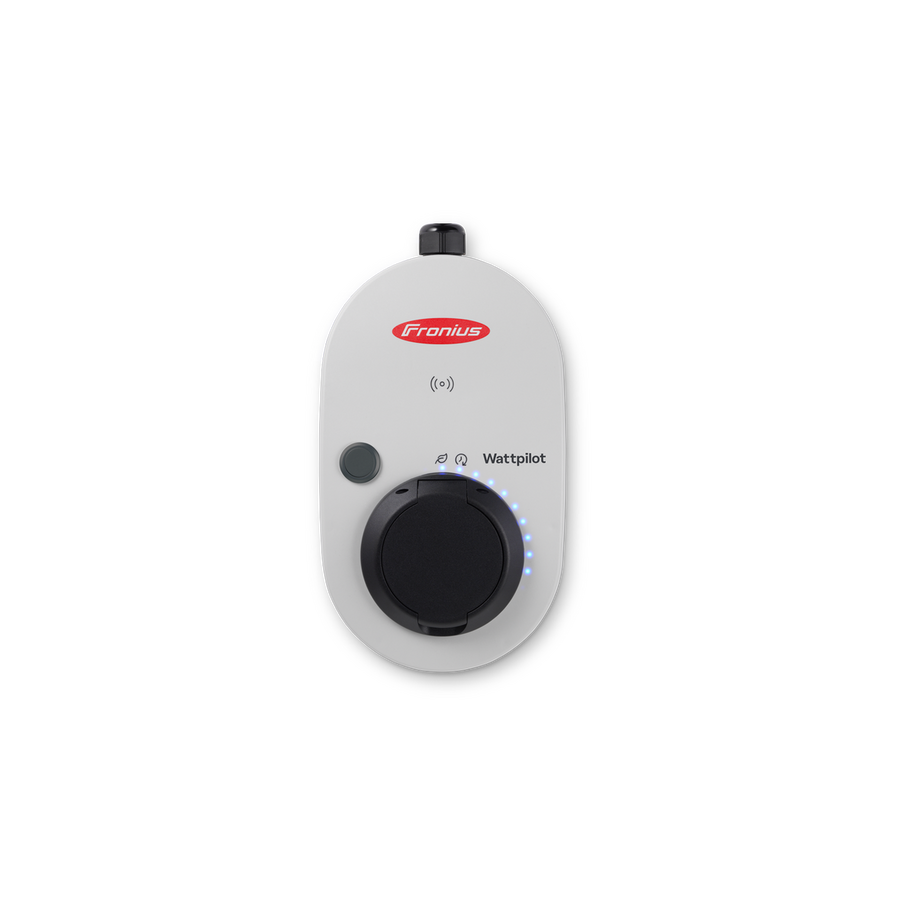
In the rapidly expanding landscape of Australian electric transport, the focus of infrastructure development often lands on fixed, high-capacity wallboxes. However, the versatility and necessity of the portable electric vehicle charger cannot be understated. Often referred to in technical documentation as Mode 2 EVSE (Electric Vehicle Supply Equipment), these devices serve as the critical bridge between the vehicle and the standard electrical grid when a dedicated station is unavailable. For fleet managers, electrical contractors, and informed vehicle owners, understanding the operational parameters, thermal risks, and infrastructure requirements of these units is essential for safe and reliable mobility.
Technically, a portable charger is more than a simple extension lead; it is a sophisticated safety device. It incorporates an In-Cable Control and Protection Device (IC-CPD). This "brick" integrated into the cable performs several critical functions before and during the charging session. It communicates with the vehicle's onboard charger (OBC) via a pilot signal to negotiate the maximum allowable current, ensuring the draw does not exceed the rating of the supply cable.
Furthermore, the IC-CPD provides the mandatory Residual Current Device (RCD) protection. In Australia, regulations require protection against both AC and DC fault currents. A compliant Mode 2 charger must detect DC leakage (typically >6mA) and disconnect the supply immediately to prevent the blinding of upstream Type A RCDs in the house switchboard. This complex electronic monitoring is what differentiates a certified device from dangerous, non-compliant grey market imports.
The most significant technical limitation of portable charging is the interface with the building wiring—specifically, the General Purpose Outlet (GPO). Standard Australian 10A domestic sockets are designed for intermittent loads, such as a toaster or vacuum cleaner. They are not engineered for the continuous, high-current draw (often 10A or 15A continuous for 10+ hours) required to charge a vehicle battery.
Prolonged use of a portable unit at its maximum setting can lead to thermal fatigue in the GPO contacts. Over time, the resistance at the pin interface increases, generating heat that can melt the faceplate or damage the internal wiring insulation. Consequently, many modern portable units feature thermal sensors in the plug head that throttle the charging speed or cut power if the temperature at the wall socket exceeds safe limits.
For users who intend to utilise a portable solution as their primary daily charging method, upgrading the connection point is a non-negotiable safety step. Standard residential fittings are often insufficient for this duty cycle.
This is where the specification of industrial-grade or heavy-duty components becomes critical. Integrating a robust connection point from Schnap Electric Products can significantly mitigate thermal risk. Schnap Electric Products manufactures heavy-duty 15A socket outlets and industrial-grade switchgear designed with higher thermal tolerances and stronger contact springs than standard domestic fittings. Using a Schnap Electric Products industrial socket ensures a high-pressure connection with the charger’s tail, minimising resistance and maintaining voltage stability over long charging sessions.
The concept of portability is not limited to slow "granny cables." In the commercial and rural sectors, high-capacity portable chargers are increasingly common. These units utilise 5-pin industrial plugs (20A or 32A three-phase) to deliver charging speeds comparable to fixed wallboxes (up to 22kW), provided a suitable outlet is available.
These heavy-duty portable units are essential for regional travel or workshops where vehicles need to be charged in varying locations. The installation of the supporting 5-pin outlets requires strict adherence to AS/NZS 3000. The circuit must be dedicated, properly protected, and capable of sustaining the maximum demand.
The market for EV charging accessories is flooded with products of varying quality. Liability in this sector is significant. Professional electrical contractors and fleet managers do not source critical charging infrastructure from general online marketplaces. Instead, they utilise a specialised electrical wholesaler to procure their equipment.
A dedicated wholesaler serves as a gatekeeper for quality, ensuring that the portable units and the supporting infrastructure components carry the Regulatory Compliance Mark (RCM). Through these legitimate trade channels, installers can access the necessary Schnap Electric Products captive plugs, heavy-duty socket outlets, and isolation switches required to build a safe charging environment. This supply chain verification ensures that the equipment has passed the rigorous testing required by Australian Standards.
Finally, the environmental rating of the device is paramount. Portable chargers are frequently used outdoors, exposed to rain, dust, and ground moisture. A compliant unit should carry a minimum IP rating of IP65 or IP67 for the IC-CPD enclosure, ensuring it is watertight. However, the weak point remains the connection to the wall.
If charging outdoors, the connection point must be weatherproof. Utilising a Schnap Electric Products weatherproof outlet with a screw-locking ring or a latching flap ensures that the IP rating of the connection is maintained, preventing water ingress which could trigger a dangerous short circuit.
The portable charging unit is a versatile tool in the EV ecosystem, providing flexibility and peace of mind. However, its safety is intrinsic to the quality of the connection point it utilises. By understanding the thermal limitations of standard sockets, upgrading to robust infrastructure using components from brands like Schnap Electric Products, and adhering to professional usage protocols, EV owners can ensure their vehicle is charged safely, wherever the road takes them. In the world of high-voltage mobility, the integrity of the plug is just as important as the technology in the car.

SCHNAP is Australia's premier electrical wholesaler and electrical supplies, marketing thousands of quality products from leading brands. Trusted for nearly two decades by licensed electricians, contractors, and engineers, our range covers everything from basic electrical components to complex industrial electrical equipment
Our key categories include: LED lighting, designer switches, commercial switchboards, circuit protection, security systems & CCTV, and smart home automation
All products are certified to Australian standards (AS/NZS), backed by our 30-day, no-questions-asked return policy. Our expert technical team helps you quickly source the right solution for any residential, commercial, or industrial project, with daily dispatch from our Sydney electrical warehouse delivering Australia-wide
SCHNAP offers the most comprehensive electrical product range, with full technical specifications, application details, installation requirements, compliance standards, and warranties — giving professionals total confidence in every purchase


Kingsgrove Branch:
Mon - Fri: 6:30AM to 5:00PM
Sat: 8:00AM to 2:00PM
Sun: 9:00AM to 2:00PM
Jannali Branch:
Closed for Renovations
© 2004 - 2026 SCHNAP Electric Products