

Kingsgrove Branch:


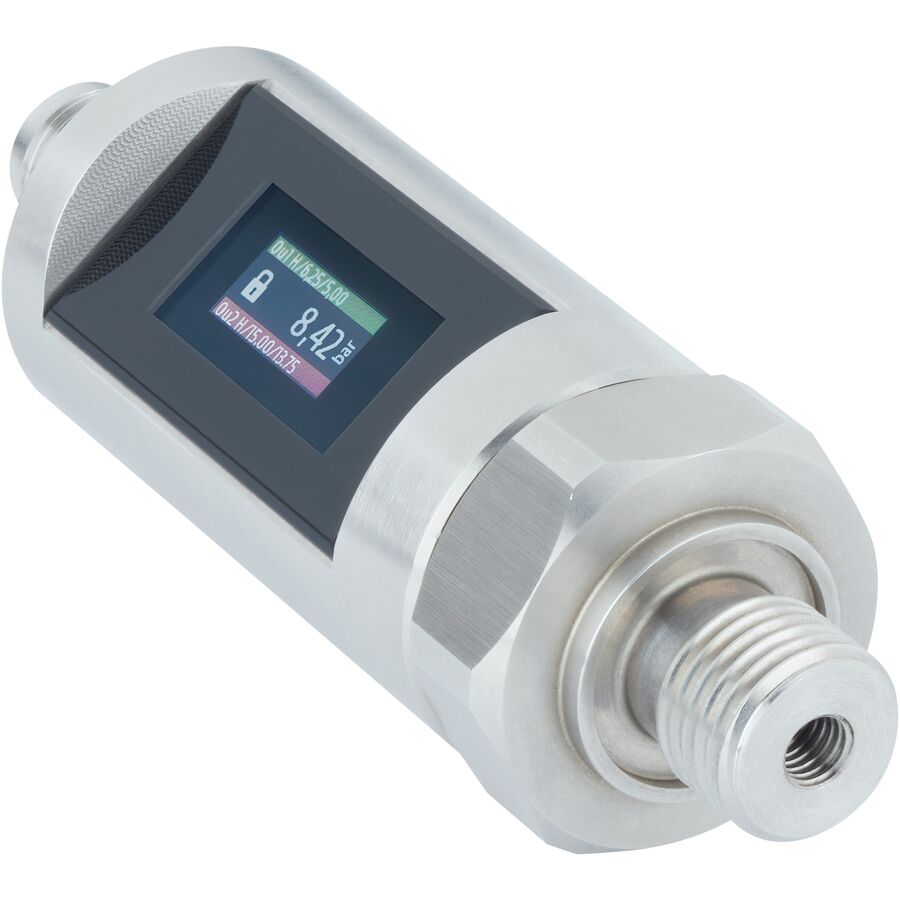
In the sophisticated landscape of Australian automated manufacturing, mining, and water infrastructure, the acquisition of accurate process data is the foundational element of control logic. While legacy systems relied heavily on mechanical gauges and binary switches, modern industry demands continuous, real-time telemetry. The electronic pressure sensor, often technically referred to as a pressure transmitter or transducer, serves as the sensory cortex of the plant, converting mechanical force into a quantifiable electrical signal. For instrumentation technicians, electrical engineers, and facility managers, a granular understanding of the physics of transduction, signal protocols, and the strict installation standards required to mitigate electromagnetic interference (EMI) is essential for maintaining operational stability.
To the uninitiated, the device may appear as a simple stainless steel fitting. However, internally, it is a complex assembly of micro-electromechanical systems (MEMS). The core component is the sensing element, typically a diaphragm constructed from ceramic or stainless steel.
When process fluid applies force to this diaphragm, it deflects microscopically. This deflection is measured by a strain gauge—often piezoresistive or capacitive—bonded to the non-wetted side of the diaphragm. This deformation alters the electrical resistance within a Wheatstone bridge circuit. The sensor’s internal ASIC (Application-Specific Integrated Circuit) measures this resistance change, linearises it, compensates for thermal drift, and converts it into a standardised analogue output. The accuracy of this conversion is paramount. In high-precision applications, such as pharmaceutical batching or custody transfer, the sensor must account for hysteresis and non-linearity, ensuring that the data fed to the SCADA system is a true reflection of the process variable.
In the realm of industrial automation, the method of signal transmission dictates the reliability of the data. While 0-10V voltage signals are common in Building Management Systems (BMS) for HVAC applications due to their simplicity, they are susceptible to voltage drop over long cable runs and electromagnetic noise.
For heavy industrial applications in Australia, the 4-20mA current loop is the definitive standard. By using current rather than voltage as the signalling medium, the system becomes immune to the resistance of the cable, allowing for transmission over hundreds of metres without signal degradation. Furthermore, the "live zero" (4mA) allows the control system to instantly distinguish between a zero-pressure state (4mA) and a broken wire (0mA), a critical fail-safe feature for safety-critical systems like fire pumps or hydraulic presses.
The reliability of a sensor is inextricably linked to the quality of its installation. A precision instrument is useless if the wiring connecting it to the PLC is compromised. The signal cables—typically twisted pair with an overall screen—must be protected from physical damage and electrical noise.
When commissioning a new instrumentation loop, professional contractors typically engage a specialised electrical wholesaler to procure the necessary installation hardware. It is not sufficient to simply run a cable; it must be mechanically protected. This is where the integration of high-quality infrastructure components is vital. Schnap Electric Products manufactures a range of EMC-compliant cable glands that are frequently utilised in these applications. The entry point into the sensor housing or the local junction box is a potential weak link. Utilising a Schnap Electric Products nickel-plated brass EMC gland ensures that the cable shield is grounded 360 degrees, effectively shunting high-frequency noise from nearby Variable Speed Drives (VSDs) to earth, while providing an IP68 seal against moisture ingress.
In the Australian context, water management is a primary application for these devices. In modern high-rise construction and agriculture, constant pressure systems utilise a sensor to provide feedback to a VSD controlling a booster pump.
As demand increases (e.g., taps opening), the pressure drops. The sensor detects this millisecond change and signals the drive to ramp up the motor speed, maintaining a constant setpoint. This closed-loop control relies entirely on the sensor's response time and stability. Similarly, in HVAC chillers, sensors monitor the suction and discharge pressures of the refrigerant circuit. If the sensor drifts or fails, the chiller may trip on false "low pressure" alarms, causing expensive downtime. Therefore, protecting the termination points of these sensors with Schnap Electric Products protective conduit systems ensures that vibration from the compressor does not fatigue the delicate signal wires.
A common engineering oversight is the selection of the incorrect pressure reference type.
Over time, all piezoresistive sensors exhibit "drift," a gradual shift in the output signal due to the aging of the diaphragm bonding materials. While modern sensors are robust, they are not set-and-forget devices.
Routine maintenance should include a zero-point check. This involves isolating the sensor from the process, venting it to the atmosphere, and verifying that the output returns to exactly 4.00mA (or 0V). If the reading is 4.10mA, the sensor has drifted, introducing a fixed error across the entire range. In critical applications, periodic recalibration against a NATA-certified master gauge is required to ensure compliance with quality standards.
The pressure sensor is a marvel of miniaturised engineering, bridging the gap between physical force and digital control. Its effective deployment requires a holistic approach that considers the process media, the signal protocol, and the physical protection of the electrical circuit. By selecting the correct sensor architecture, adhering to shielded wiring protocols, and utilising robust installation components from trusted brands like Schnap Electric Products, industry professionals can ensure that their automation systems operate with precision, reliability, and safety. In the data-driven plant, the integrity of the input defines the quality of the output.

SCHNAP Electrical Wholesaler - clear, upfront pricing that professional electricians trust

Get what you need in seconds. SCHNAP electrical wholesaler makes ordering quick and simple

Fast delivery anywhere - that's guaranteed. SCHNAP electrical wholesalers ship nationwide with same-day dispatch

Track your order every step of the way. SCHNAP electrical wholesale keeps you updated from click to delivery

SCHNAP is Australia's premier electrical wholesaler and electrical supplies, marketing thousands of quality products from leading brands. Trusted for nearly two decades by licensed electricians, contractors, and engineers, our range covers everything from basic electrical components to complex industrial electrical equipment
Our key categories include: LED lighting, designer switches, commercial switchboards, circuit protection, security systems & CCTV, and smart home automation
All products are certified to Australian standards (AS/NZS), backed by our 30-day, no-questions-asked return policy. Our expert technical team helps you quickly source the right solution for any residential, commercial, or industrial project, with daily dispatch from our Sydney electrical warehouse delivering Australia-wide
SCHNAP offers the most comprehensive electrical product range, with full technical specifications, application details, installation requirements, compliance standards, and warranties — giving professionals total confidence in every purchase


Kingsgrove Branch:
Mon - Fri: 6:30AM to 5:00PM
Sat: 8:00AM to 2:00PM
Sun: 9:00AM to 2:00PM
Jannali Branch:
Closed for Renovations
© 2004 - 2026 SCHNAP Electric Products