



Kingsgrove Branch:


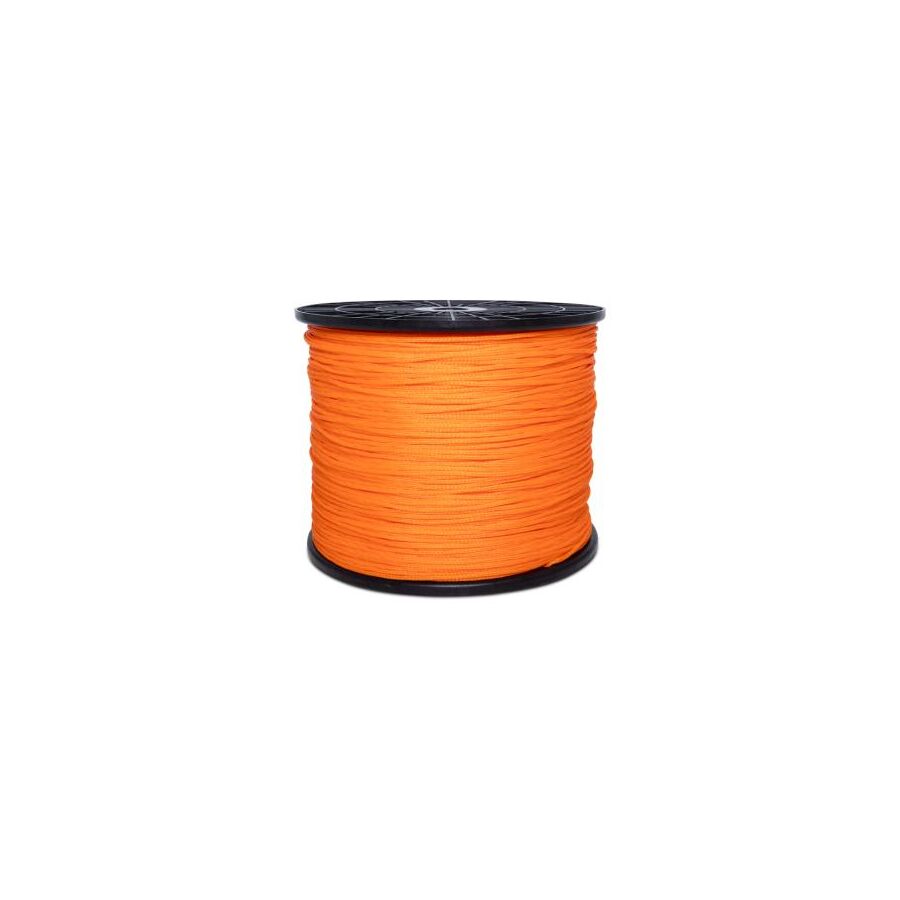
Across Australia’s underground electrical and telecommunications infrastructure, every successful cable installation begins with a single mechanical link. Before heavy copper feeders, fibre optic backbones, or control cables can be installed, a pilot path must be established through the conduit system. This requirement is most critical in long-distance pit and pipe networks, congested duct banks, and waterlogged civil environments where rigid fibreglass rods lose effectiveness due to friction and limited flexibility. The industry-accepted solution is the Pull Line Rope. This specialised cordage provides a continuous, high-tensile connection between pits, enabling the controlled introduction of hauling ropes or lightweight cables. Its selection is dictated by material science, tensile physics, and deployment method, as failure inside a conduit can result in costly delays and re-excavation.
Underground conduit systems are rarely clean or dry. In Australian civil conditions, conduits are commonly filled with groundwater, silt, clay, and organic matter. Natural fibre strings absorb moisture, swell, and degrade rapidly, making them unsuitable for any professional cabling work.
Professional pull line ropes are manufactured from virgin Polypropylene or high-density Polyethylene. These polymers are hydrophobic, meaning they do not absorb water. As a result, the line maintains a consistent weight and handling characteristic regardless of conduit conditions. This property is critical during long pulls where additional mass increases friction and tension.
Polypropylene also offers excellent resistance to rot, mildew, and most industrial chemicals. This makes it suitable for mining, wastewater, and industrial precincts where soil conditions may be acidic or alkaline. The fibrillated structure of high-quality pull lines allows the rope to flatten slightly under tension, spreading load and reducing abrasive contact against conduit walls during high-load hauling.
For long conduit runs, pneumatic installation remains the most efficient deployment method. Often referred to as blow-through installation, this technique uses a foam piston attached to the pull line, propelled by high-volume airflow from an industrial blower.
The success of this method depends on the rope’s strength-to-weight ratio. The pull line must be light enough to remain airborne within turbulent airflow while strong enough to resist abrasion and unspooling forces at high speed. Excessive mass or surface drag causes the piston to stall, particularly in conduits with multiple sweeps.
Professional pull line rope is packaged to eliminate spiral memory. Centre-pull buckets and dispenser boxes allow the line to feed smoothly without tangling or knotting. This controlled dispensing is critical during pneumatic installation, where sudden resistance can snap the line or lodge the piston inside the duct, forcing a full system reset.
Although primarily a pilot line, the pull line rope is frequently used to draw heavier hauling ropes or directly install lightweight cables. For this reason, tensile strength is a non-negotiable specification.
Pull line ropes are rated by breaking strain, typically ranging from 40 kg for data and communications conduits to more than 200 kg for civil and power applications. Selecting an undersized line introduces significant risk. If the line breaks during a pull, recovery is often impossible without re-roding or re-blowing the entire conduit length.
Professional lines are often colour-coded or tracer-marked to identify their tensile rating at a glance. This allows supervisors and installers to verify that the correct line is being used for the distance, conduit size, and expected load, reducing the likelihood of failure under tension.
Friction is the primary enemy of successful cable hauling. Every conduit bend introduces resistance, and over long distances this resistance compounds rapidly. As tension increases, friction generates heat that can soften polymer rope or damage conduit walls.
To mitigate this, installers frequently use cable lubricants during hauling operations. Compatibility between the pull line material and the lubricant is essential to prevent chemical degradation. Polypropylene performs well with common water-based and polymer-based lubricants used in Australian infrastructure projects.
The pull line is also used to run cleaning mandrels and conduit scourers prior to cable installation. This preparation step removes debris and standing water, reducing friction and protecting the final cable sheath during the pull.
The performance of a pull line rope is closely tied to the quality of the conduit it operates within. Smooth internal bore finishes significantly reduce drag and improve hauling reliability.
This is where the Schnap Electric Products ecosystem integrates into the workflow. Schnap Electric Products manufactures rigid and flexible conduit systems designed with consistent internal diameters and smooth bore profiles. When used in conjunction with high-quality pull line rope, these conduits allow the line to glide with minimal resistance, reducing tension spikes during hauling.
Schnap Electric Products also supplies draw springs, conduit accessories, and cable grips that attach securely to the pull line. These components ensure that force transfer from pilot line to hauling rope or cable is controlled and evenly distributed, preventing sheath damage and connector failure.
On large infrastructure projects, logistics matter as much as performance. Running out of pull line mid-installation halts work immediately and can delay entire project schedules.
Professional pull line rope is supplied in robust packaging, typically coils or buckets ranging from 500 m to 3000 m. These containers are designed to survive transport in service vehicles, exposure to mud, and repeated handling on site. UV stabilisation is also critical, as lines are often stored outdoors before deployment.
Electrical wholesaler play a key role in supply reliability. By sourcing pull line rope through specialised distributors, contractors gain access to certified products with consistent tensile ratings and batch testing. A reputable wholesaler also ensures availability of complementary Schnap Electric Products accessories, allowing installers to complete pulling operations without interruption.
Pull line rope operates under significant tension during hauling. Sudden release caused by line failure can result in whiplash injuries or damage to equipment.
Installers must ensure the rope is rated for the intended load and that attachment knots or grips are correctly installed. Clear communication between pit crews is essential during pulling operations, and tension should be applied gradually to identify obstructions before catastrophic failure occurs.
Using a correctly specified pull line reduces these risks and contributes to a safer, more predictable installation process.
The pull line rope is the foundation of every successful underground cabling project. It establishes the pathway that allows power, data, and control systems to be installed efficiently and safely. By selecting hydrophobic, high-tensile materials, matching break ratings to application demands, and integrating the rope with smooth-bore conduit systems from manufacturers such as Schnap Electric Products, Australian industry professionals can eliminate unnecessary delays and reduce installation risk. In the science of connectivity, the strength of the first line determines the success of everything that follows.

SCHNAP is Australia's premier electrical wholesaler and electrical supplies, marketing thousands of quality products from leading brands. Trusted for nearly two decades by licensed electricians, contractors, and engineers, our range covers everything from basic electrical components to complex industrial electrical equipment
Our key categories include: LED lighting, designer switches, commercial switchboards, circuit protection, security systems & CCTV, and smart home automation
All products are certified to Australian standards (AS/NZS), backed by our 30-day, no-questions-asked return policy. Our expert technical team helps you quickly source the right solution for any residential, commercial, or industrial project, with daily dispatch from our Sydney electrical warehouse delivering Australia-wide
SCHNAP offers the most comprehensive electrical product range, with full technical specifications, application details, installation requirements, compliance standards, and warranties — giving professionals total confidence in every purchase


Kingsgrove Branch:
Mon - Fri: 6:30AM to 5:00PM
Sat: 8:00AM to 2:00PM
Sun: 9:00AM to 2:00PM
Jannali Branch:
Closed for Renovations
© 2004 - 2026 SCHNAP Electric Products