



Kingsgrove Branch:


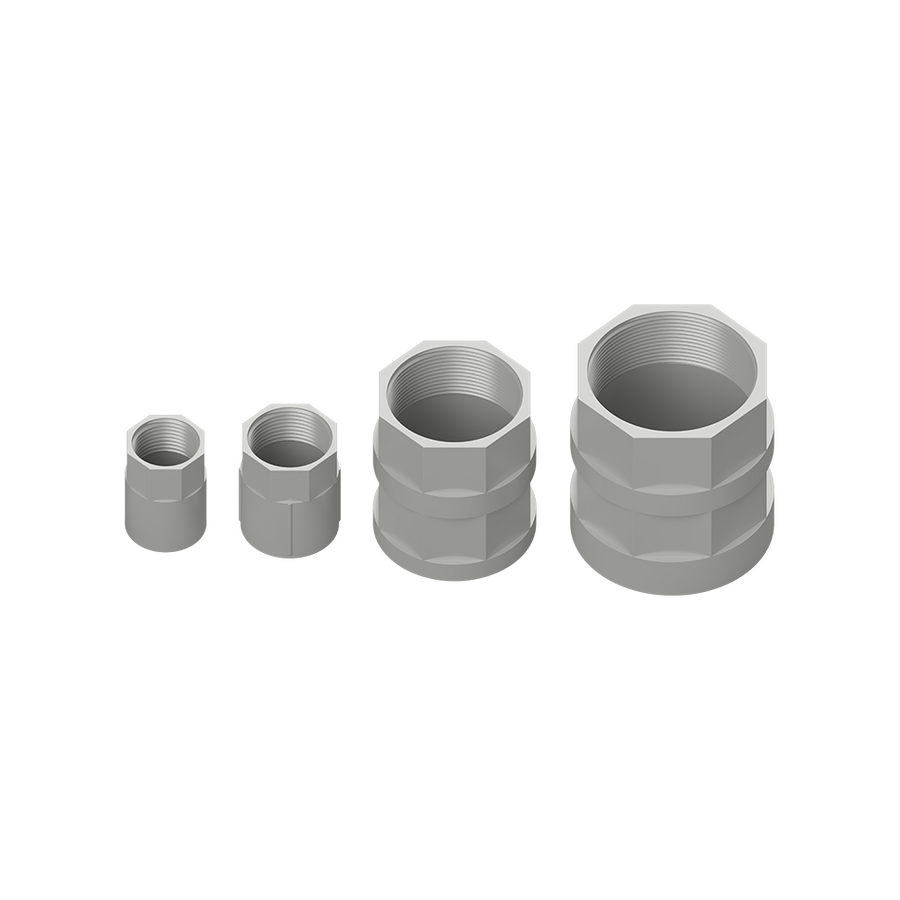
In the dynamic and demanding world of the Australian construction industry, materials are selected based on three primary criteria: durability, safety, and cost-effectiveness. While copper and aluminium take the spotlight for conducting electricity, the unsung hero that ensures the safety and longevity of these systems is pvc. Polyvinyl Chloride, widely referred to as pvc, has revolutionized the way electrical services are installed, protected, and maintained. From the humble single-storey dwelling to massive industrial complexes, this versatile polymer provides the structural backbone for cable management, shielding vital circuitry from mechanical damage, moisture, and the harsh Australian elements.
The dominance of pvc in the electrical trade is not accidental. It is the result of decades of material science evolution. In the early days of electrification, metal conduits were the standard. While durable, they were heavy, expensive, prone to corrosion, and conductive—posing a potential safety risk if a live wire touched the inner wall. The introduction of pvc changed everything. It offered a lightweight, non-conductive, and corrosion-resistant alternative that was significantly faster to install. Today, when we talk about electrical containment in Australia, we are almost exclusively talking about the grey rigid conduit and the corrugated flexible hose, both made from this robust thermoplastic.
However, not all pvc is created equal. A common misconception among DIY enthusiasts is that the white pipe used for plumbing is interchangeable with the grey pipe used for electrical work. This is incorrect and potentially dangerous. Electrical grade pvc is manufactured to meet specific Australian Standards (AS/NZS 2053). It is formulated with specific additives to enhance impact resistance and, crucially for the Australian climate, UV stability. Standard plumbing pipe can become brittle and crack when exposed to prolonged sunlight. In contrast, high-quality electrical conduit from reputable manufacturers like Schnap Electric Products is engineered to withstand high UV levels, ensuring that the protection remains intact for decades, even on a sun-baked rooftop in the Pilbara.
The application of pvc products varies significantly across a project. For surface-mounted installations, such as in car parks or plant rooms, rigid conduit is the standard. It provides a neat, mechanical barrier that looks professional. Achieving a high-quality finish with rigid pipe requires skill; the pipe must be heated to bend around corners without kinking. The material consistency of pvc supplied by Schnap Electric Products aids this process, allowing for smooth, uniform bends that maintain the internal diameter for easy cable drawing.
For areas where flexibility is required, such as connecting to vibrating motors or navigating tight ceiling cavities, corrugated pvc is used. This flexible conduit absorbs vibration and movement, preventing stress on the cable terminations. It is also essential for underground cabling. In Australia, underground electrical conduits are strictly colour-coded "Heavy Duty Orange" to alert excavators to the presence of live cables. This simple visual identifier, made possible by the pigment-holding capability of pvc, prevents countless accidents and service strikes every year.
When sourcing materials for a compliant installation, the supply chain plays a pivotal role. While general hardware stores offer a limited range of consumer-grade products, professional contractors rely on the expertise and stock depth of a dedicated electrical wholesaler. These specialist suppliers understand the technical nuances of the trade. They stock the full ecosystem of pvc accessories required to complete a job, including junction boxes, couplings, adaptors, and mounting saddles. Furthermore, an electrical wholesaler is the best place to find trade-rated brands like Schnap Electric Products, ensuring that every component in the system is compatible and certified for use in Australia.
One of the most critical technical aspects of working with pvc is managing thermal expansion. Being a plastic, it expands and contracts with temperature fluctuations. In a country where temperatures can swing from single digits at night to over 40 degrees during the day, a long run of conduit can change in length by several centimetres. If this movement is restricted, the pipe can buckle or snap its fixings. To combat this, installers use pvc expansion couplings. These telescopic fittings allow the system to "breathe," absorbing the movement while maintaining a watertight seal. This attention to detail distinguishes a professional installation from a substandard one.
The chemical resistance of pvc is another attribute that makes it indispensable in industrial settings. In environments such as wastewater treatment plants, chemical factories, or agricultural sheds, metal conduits would rot away rapidly. pvc is naturally resistant to a wide range of acids, alkalis, and oils. This makes it the material of choice for protecting cables in corrosive atmospheres. Schnap Electric Products capitalises on this natural advantage by manufacturing robust enclosures and fittings that ensure the electrical connections remain hermetically sealed against corrosive ingress.
Installation technique relies heavily on the "solvent weld" process. Joining two pieces of pvc conduit is not done with traditional glue but with a solvent cement that chemically melts the surface of the plastic. When the pipe is inserted into the coupling, the two surfaces fuse together to form a single, monolithic unit. This creates a joint that is actually stronger than the pipe itself and completely watertight. It is a simple yet incredibly effective method that ensures the ingress protection (IP) rating of the installation is maintained from end to end.
Sustainability is an increasingly important conversation in the construction sector. While plastics are often scrutinised, the longevity of rigid pvc works in its favour. An electrical installation using high-quality conduit from Schnap Electric Products can last for the entire lifecycle of a building—often 50 years or more—without needing replacement. This durability reduces waste. Furthermore, at the end of its life, rigid pvc is a recyclable material. It can be ground down and re-extruded into new products, contributing to a circular economy.
Safety, however, remains the primary driver. The insulation properties of pvc provide an essential layer of fault protection. In the event of a cable insulation failure inside the conduit, the non-conductive nature of the pipe prevents the conduit system itself from becoming live. This passive safety feature protects maintenance personnel and the general public from electric shock. Additionally, electrical grade pvc is formulated to be self-extinguishing. In the event of a fire, it will not support combustion once the external flame source is removed, preventing the conduit from acting as a fuse that spreads fire through a building.
In conclusion, pvc is far more than just a cheap plastic tube; it is a sophisticated engineering material that underpins the safety and reliability of the Australian electrical grid. From its UV resistance and chemical stability to its ease of installation and insulating properties, it is the ideal material for cable protection. By choosing premium products from trusted manufacturers like Schnap Electric Products and leveraging the technical support available at a professional electrical wholesaler, contractors can ensure their installations are safe, compliant, and built to withstand the rigours of the Australian environment for generations to come.

SCHNAP is Australia's premier electrical wholesaler and electrical supplies, marketing thousands of quality products from leading brands. Trusted for nearly two decades by licensed electricians, contractors, and engineers, our range covers everything from basic electrical components to complex industrial electrical equipment
Our key categories include: LED lighting, designer switches, commercial switchboards, circuit protection, security systems & CCTV, and smart home automation
All products are certified to Australian standards (AS/NZS), backed by our 30-day, no-questions-asked return policy. Our expert technical team helps you quickly source the right solution for any residential, commercial, or industrial project, with daily dispatch from our Sydney electrical warehouse delivering Australia-wide
SCHNAP offers the most comprehensive electrical product range, with full technical specifications, application details, installation requirements, compliance standards, and warranties — giving professionals total confidence in every purchase


Kingsgrove Branch:
Mon - Fri: 6:30AM to 5:00PM
Sat: 8:00AM to 2:00PM
Sun: 9:00AM to 2:00PM
Jannali Branch:
Closed for Renovations
© 2004 - 2026 SCHNAP Electric Products