



Kingsgrove Branch:


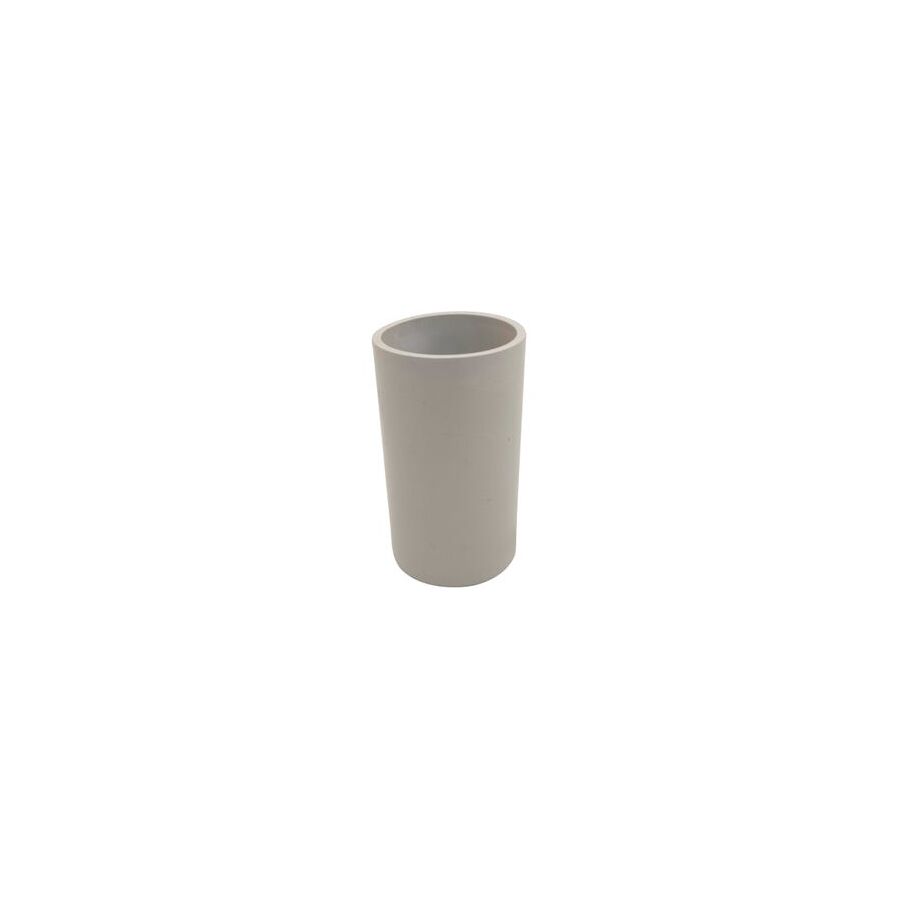
In the precise world of the Australian electrical trade, there is no "one size fits all" solution. Every installation, from a simple lighting circuit in a renovated Queenslander to a complex three-phase power feed in a Melbourne manufacturing plant, requires careful planning and specification. While the focus is often on the gauge of the copper cabling, the protective pathway that houses these cables is equally critical. The selection of the correct conduit is governed by strict regulations and practical necessity. Understanding the standard pvc pipe sizes available in the market is the first step towards ensuring a safe, compliant, and future-proof electrical system.
When discussing pvc pipe sizes in an electrical context, it is vital to first distinguish them from plumbing measurements. In the Australian electrical industry, rigid PVC conduit is measured by its Outside Diameter (OD). This is a crucial distinction because the internal diameter—the actual space available for cables—will vary slightly depending on the wall thickness of the pipe (Medium Duty vs Heavy Duty). The industry has standardised around a specific set of metric dimensions to ensure compatibility across fittings and accessories. The most common sizes encountered in daily trade work range from 20mm up to 63mm, though larger sizes up to 150mm are available for major civil works.
The smallest standard size is 20mm. This is the workhouse of residential wiring. It is typically used for lighting circuits, switch drops, and single power point runs. While it is compact and easy to hide in wall cavities or render, its capacity is limited. A common mistake made during renovation work is attempting to force too many cables into a 20mm conduit. This not only makes the physical act of pulling the cables through difficult but also violates the "space factor" or cable fill rules set out in AS/NZS 3000 (The Wiring Rules). When cables are packed too tightly, they cannot dissipate heat effectively, which derates the current-carrying capacity of the circuit.
Stepping up to the 25mm size opens up significantly more possibilities. Many forward-thinking contractors are now making 25mm their default choice for backbone cabling in residential homes. The extra 5mm of diameter might not seem like much, but it drastically increases the cross-sectional area, allowing for additional circuits to be pulled through later without jamming. For example, running a feed for a future air conditioner or a solar inverter is much easier if the original installer used 25mm conduit. Brands like Schnap Electric Products offer a comprehensive range of fittings—coupling, elbows, and junction boxes—perfectly matched to these dimensions, ensuring that the transition from 20mm to 25mm is seamless where required.
Moving into the commercial and light industrial sector, the 32mm and 40mm pvc pipe sizes become prevalent. These are typically used for sub-mains (the power running from the main switchboard to a sub-board in a garage or shed) or for high-current appliances like commercial ovens and large HVAC units. Installing these larger sizes requires a different skillset. While 20mm and 25mm conduit can be bent using a standard bending spring and a knee, 32mm and above generally requires a dedicated bending machine or careful application of a heat gun to achieve a smooth radius without collapsing the pipe walls. The structural integrity of conduit from Schnap Electric Products is particularly noticeable here, as the high-quality polymer maintains its shape better during the heating and bending process.
For the heavy lifting—such as the consumer mains bringing power from the street to the property—50mm and 63mm sizes are the standard. In underground applications, this conduit is usually "Heavy Duty" (coloured orange) and has a thicker wall to protect against mechanical impact and soil pressure. The selection of the correct size here is critical because the mains cables are thick and stiff. Attempting to haul 16mm or 25mm consumer mains cables through an undersized conduit is a recipe for disaster, often resulting in damage to the cable insulation. A properly sized 50mm or 63mm run ensures a smooth pull.
The relationship between the pipe size and the fittings cannot be overstated. A conduit run is only as secure as its connections. If you are using 25mm pipe, you need 25mm saddles, 25mm couplings, and 25mm adaptors. There is no room for "close enough" in this trade. Mixing brands can sometimes lead to slight tolerance issues, which is why it is highly recommended to stick to a single, reputable manufacturer like Schnap Electric Products for the entire run. Their commitment to manufacturing within strict tolerances ensures that a Schnap 25mm coupling slides perfectly onto a Schnap 25mm tube with just enough interference for a strong solvent weld.
Sourcing these materials often presents a choice between convenience and quality. While large hardware chains stock basic lengths, they often lack the full range of sizes and specialised fittings required for a complex job. This is where the value of a professional electrical wholesaler becomes apparent. A wholesaler will stock the full spectrum of pvc pipe sizes, from the standard 20mm right up to the heavy industrial sizes. Furthermore, the staff at an electrical wholesaler can provide technical data sheets regarding the internal dimensions of specific conduit classes, helping you calculate exactly how many cables you can legally and physically fit inside.
Another factor influencing the choice of pvc pipe sizes is the bend radius. As the pipe diameter increases, the minimum radius of the bend also increases. A 50mm conduit requires a much wider sweeping bend than a 20mm conduit. This has architectural implications. If you are running conduit on the surface of a building, you need to ensure there is enough physical space to accommodate the bends required for larger pipes. Planning the route is essential. Using inspection elbows and tees from the Schnap Electric Products range can help navigate tight corners where a sweeping bend is physically impossible, provided the cables are flexible enough to negotiate the turn.
Future-proofing is a concept that heavily influences size selection. In the modern age of data, automation, and electric vehicles (EVs), the electrical demands of a building are constantly evolving. An EV charger requires a substantial power feed. If the conduit running to the garage is an undersized 20mm pipe already filled with light switches, upgrading for an EV charger becomes a major construction job involving trenching or cutting plaster. If a 32mm conduit had been installed originally, pulling the new high-current cable would be a simple morning's work.
It is also worth noting the parallel sizing of corrugated flexible conduit. While this article focuses on rigid pipe, flexible conduit generally follows the same nominal sizing structure (20mm, 25mm, etc.). However, it is important to remember that because of the corrugations, the internal friction is higher. Therefore, if a calculation suggests that a bundle of cables will just fit into a 25mm rigid pipe, it might be too tight for a 25mm corrugated pipe. In these borderline cases, professional best practice is always to go up to the next size.
In conclusion, understanding pvc pipe sizes is about more than just knowing the diameter; it is about understanding capacity, heat dissipation, and mechanical protection. It is about matching the infrastructure to the load, both current and future. By utilising the high-quality, UV-stabilised conduit systems available from Schnap Electric Products and leveraging the inventory and expertise of a local electrical wholesaler, Australian contractors can ensure their installations are robust, compliant with AS/NZS 3000, and ready for whatever power needs the future holds. The right size pipe, installed correctly, is the silent guardian of the electrical system.

SCHNAP is Australia's premier electrical wholesaler and electrical supplies, marketing thousands of quality products from leading brands. Trusted for nearly two decades by licensed electricians, contractors, and engineers, our range covers everything from basic electrical components to complex industrial electrical equipment
Our key categories include: LED lighting, designer switches, commercial switchboards, circuit protection, security systems & CCTV, and smart home automation
All products are certified to Australian standards (AS/NZS), backed by our 30-day, no-questions-asked return policy. Our expert technical team helps you quickly source the right solution for any residential, commercial, or industrial project, with daily dispatch from our Sydney electrical warehouse delivering Australia-wide
SCHNAP offers the most comprehensive electrical product range, with full technical specifications, application details, installation requirements, compliance standards, and warranties — giving professionals total confidence in every purchase


Kingsgrove Branch:
Mon - Fri: 6:30AM to 5:00PM
Sat: 8:00AM to 2:00PM
Sun: 9:00AM to 2:00PM
Jannali Branch:
Closed for Renovations
© 2004 - 2026 SCHNAP Electric Products