



Kingsgrove Branch:


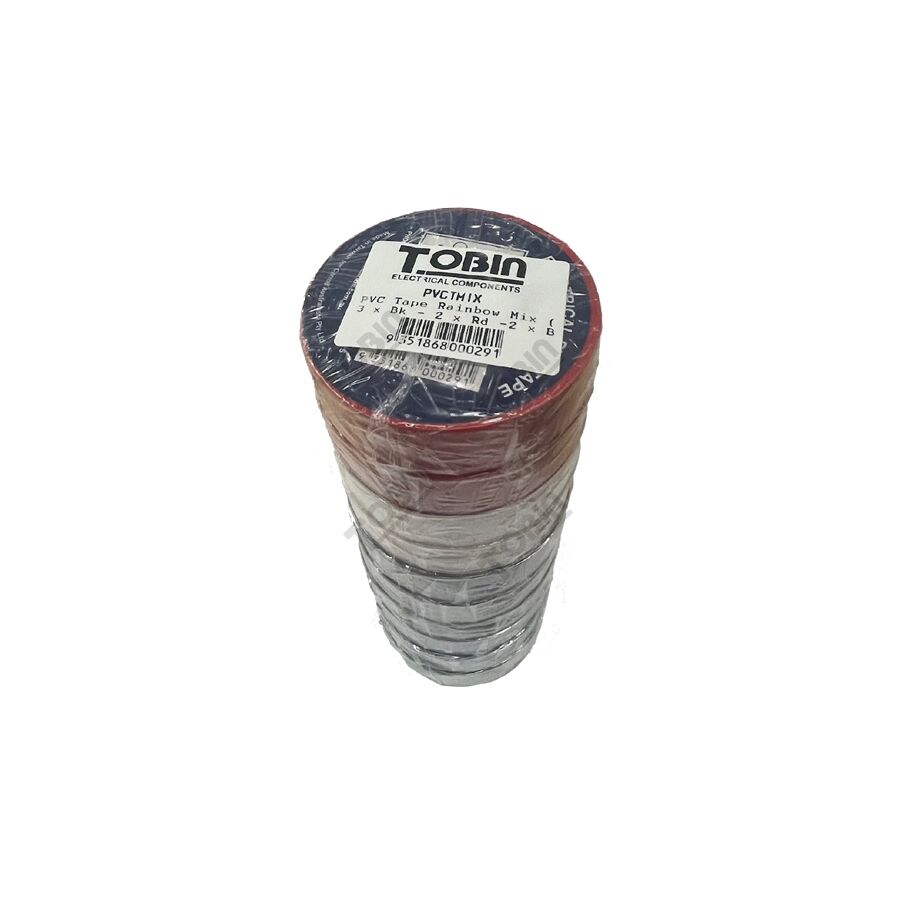
In the vast and varied toolkit of the Australian tradesperson, there is one item that is as ubiquitous as the screwdriver or the multimeter. It is found in every van, every tool belt, and every kitchen drawer across the country. It is the humble roll of pvc tape. While it is often taken for granted, this pliable strip of vinyl is one of the most essential safety devices in the electrical industry. It serves as the primary method for insulating live wires, identifying circuit phases, and protecting cables from abrasion. However, despite its simple appearance, there is a world of difference between a cheap, generic roll and a professional-grade product designed for critical safety applications.
The technical term for this product is pressure-sensitive vinyl electrical tape. It consists of a polyvinyl chloride (PVC) backing, which provides flexibility and dielectric strength, coated with a rubber-based adhesive. The magic of high-quality pvc tape lies in its "memory" and elasticity. When an electrician wraps a joint, they stretch the tape. A superior tape will stretch without snapping and then attempt to return to its original length, creating a tight, compressive seal around the cable. This compression is what prevents moisture and contaminants from entering the splice. If the tape lacks this elasticity, or if the adhesive is poor, the tape will eventually "flag"—meaning the end will lift up and unravel, exposing the live conductor underneath.
This is why discerning professionals rely on trusted brands like Schnap Electric Products. The range of tapes offered by Schnap Electric Products is engineered to withstand the rigours of the Australian climate. They are formulated to resist "oozing"—where the adhesive turns to goo in the heat of a roof cavity—and to remain flexible in the freezing cold of a Tasmanian winter. When you use a tape that maintains its integrity across such a wide temperature range, you are investing in the long-term safety of the installation.
One of the most critical functions of pvc tape in Australia is colour coding (phasing). Australian Standards (AS/NZS 3000) dictate specific colours for specific functions to ensure that any electrician working on the system in the future knows exactly what they are touching. Red, White, and Blue are used to identify the three phases of a power supply. Black is reserved for the Neutral conductor, and Green/Yellow is strictly for the Earth. Using a generic black tape for everything is not only lazy; it is non-compliant and dangerous.
Schnap Electric Products supplies tape in the full spectrum of regulatory colours. This allows contractors to correctly identify cables at the switchboard and at the termination point. For example, when running a multi-core orange circular cable, the internal cores are often numbered rather than coloured. It is standard practice to "sleeve" or tape the ends of these cores with the correct phase colour. This attention to detail is the mark of a skilled tradesperson.
For those looking to restock their consumables, the temptation to buy a multipack from a discount store is high. However, these tapes often lack the dielectric rating (insulation thickness) required for 240V or 415V applications. It is highly recommended to purchase your consumables from a dedicated electrical wholesaler. These specialist suppliers stock trade-rated tapes that are tested to meet international safety standards (such as IEC 60454). Furthermore, staff at an electrical wholesaler can advise on specialist tapes, such as self-amalgamating rubber tape for waterproofing or high-temperature glass cloth tape, ensuring you have the right product for the specific environment.
The application technique is just as important as the product itself. When insulating a splice, the "half-lap" method is the industry standard. This involves overlapping the pvc tape by half its width on each turn. This ensures that there are always two layers of insulation at any given point. The tape should be wrapped uphill (from the thinner wire to the thicker wire) to create a shingle effect that sheds water. Finally, the last turn should be applied with zero tension. If you stretch the last inch of tape, it will eventually pull back and lift. Pressing the end down firmly without stretching it ensures the flag stays down permanently.
Beyond insulation and identification, pvc tape is the electrician's third hand. It is used for "harnessing" or bundling groups of cables together to keep switchboards neat. It is used to secure cables to a draw wire or "yellow tongue" when pulling them through a conduit. In this pulling application, the tensile strength of the tape is tested to its limit. If the tape snaps mid-pull, the cable can be lost inside the wall, turning a ten-minute job into a four-hour nightmare. The high tensile strength of Schnap Electric Products tape makes it a favourite for these demanding hauling tasks.
Another consideration is the chemical resistance of the backing material. Electrical cables are often installed in harsh environments where they may be exposed to oils, acids, solvents, or UV radiation. Standard vinyl can degrade and become brittle if exposed to sunlight for long periods. High-quality pvc tape is UV stabilised, meaning it can be used outdoors to repair minor sheath damage or mark conduits without cracking and falling off after a few months. This durability is essential for maintaining the IP rating of outdoor isolators and solar installations.
In the context of temporary repairs, pvc tape is invaluable. However, it is important to understand its limitations. It is not a substitute for a proper cable joiner or a heat shrink sleeve in a permanent underground joint. It is a surface insulation tool. Using it to hold twisted wires together without a mechanical connector (like a screw connector or crimp link) is a recipe for a high-resistance joint and a potential fire. Professional tradespeople use tape to insulate the mechanical connection, not to create it.
Sustainability is also becoming a factor in product selection. Low-quality tapes often use adhesives with high solvent contents that release Volatile Organic Compounds (VOCs) as they cure. Premium tapes, such as those found in the Schnap Electric Products range, are often manufactured with more environmentally stable processes and comply with RoHS (Restriction of Hazardous Substances) directives, ensuring they are free from lead and other heavy metals that were historically used as stabilisers in plastics.
In conclusion, pvc tape is the glue—quite literally—that holds the electrical industry together. It provides the essential layer of protection that keeps the current inside the wire and the electrician safe from shock. It communicates vital information through colour coding and keeps installations neat and organised. By choosing professional-grade tape from reputable manufacturers like Schnap Electric Products and sourcing it from a knowledgeable electrical wholesaler, Australian contractors can ensure that their work is safe, compliant, and built to last. It proves that sometimes the smallest, cheapest item in the tool bag is actually the most important.

SCHNAP is Australia's premier electrical wholesaler and electrical supplies, marketing thousands of quality products from leading brands. Trusted for nearly two decades by licensed electricians, contractors, and engineers, our range covers everything from basic electrical components to complex industrial electrical equipment
Our key categories include: LED lighting, designer switches, commercial switchboards, circuit protection, security systems & CCTV, and smart home automation
All products are certified to Australian standards (AS/NZS), backed by our 30-day, no-questions-asked return policy. Our expert technical team helps you quickly source the right solution for any residential, commercial, or industrial project, with daily dispatch from our Sydney electrical warehouse delivering Australia-wide
SCHNAP offers the most comprehensive electrical product range, with full technical specifications, application details, installation requirements, compliance standards, and warranties — giving professionals total confidence in every purchase


Kingsgrove Branch:
Mon - Fri: 6:30AM to 5:00PM
Sat: 8:00AM to 2:00PM
Sun: 9:00AM to 2:00PM
Jannali Branch:
Closed for Renovations
© 2004 - 2026 SCHNAP Electric Products