

Kingsgrove Branch:


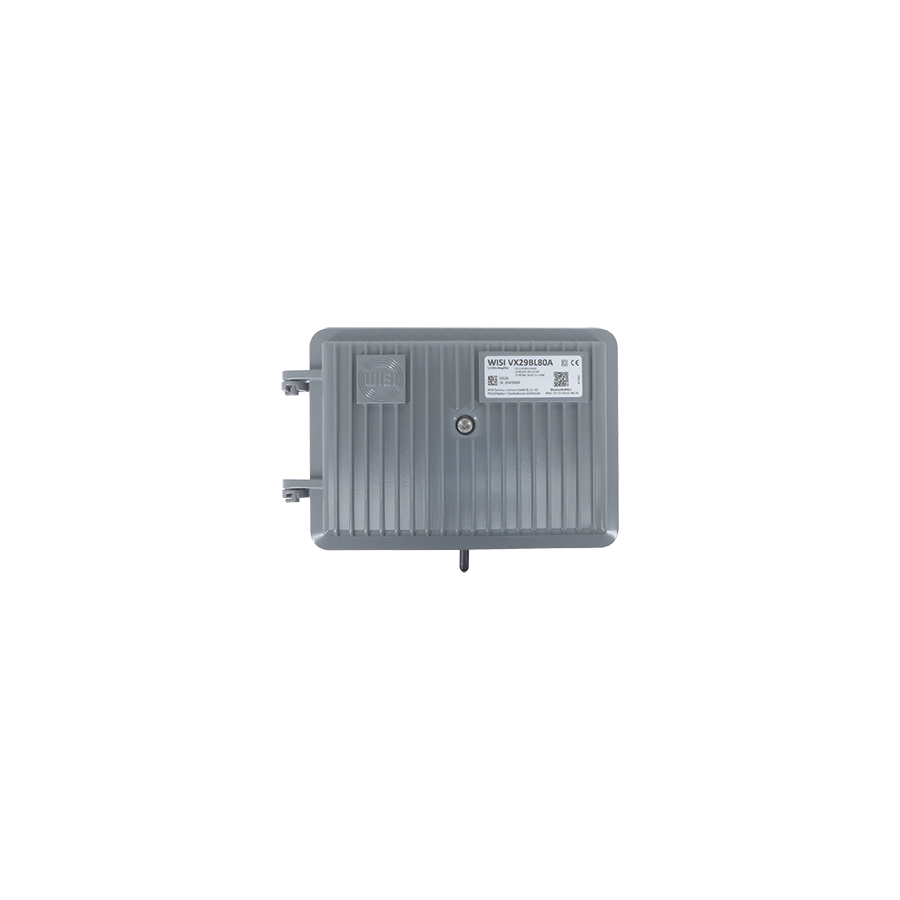
Across Australia, reliable signal distribution is critical for telecommunications, broadcasting and monitoring networks. From high-rise residential MATV systems in major cities to remote telemetry in mining and agriculture, signal integrity must be preserved over long cable distances.
As frequency increases, signal attenuation in coaxial or twisted-pair cabling rises significantly. Passive transmission alone is often insufficient when antennas or sensors are located far from the receiving equipment. The Remote Powered Signal Amplifier solves this challenge by boosting the signal at the source, before cable losses degrade quality.
At SCHNAP Electric Products, we support professional installers and integrators with compliant infrastructure and durable accessories designed for Australian environmental conditions.
A defining feature of the Remote Powered Signal Amplifier is its ability to operate without a local mains power outlet. Instead, it uses line powering, commonly known as phantom power.
This method injects DC voltage onto the same cable carrying the RF signal. A power injector at the receiving end superimposes DC onto the coaxial line. At the amplifier, a choke circuit separates the DC supply from the RF signal.
The inductor allows DC current to power the amplifier circuitry while blocking RF from reaching the power supply. A capacitor allows RF to pass to the receiver while preventing DC from entering sensitive tuner components.
This design allows the amplifier to be installed at the antenna mast or in ceiling cavities without running separate power wiring, reducing installation complexity and compliance burden.
Effective amplification is not about increasing volume alone. It is about maintaining signal quality and preserving the signal-to-noise ratio.
If amplification occurs after long cable runs, both signal and accumulated noise are amplified. This can result in poor bit error rates and unstable digital reception.
By positioning the Remote Powered Signal Amplifier at the antenna, the signal is strengthened before attenuation occurs.
Professional units feature low noise figures, often below 2 dB. A low noise figure ensures minimal additional electronic noise is introduced during amplification.
High-frequency signals attenuate more rapidly than low-frequency signals. To compensate, advanced amplifiers include slope control or equalisation features. These boost higher frequencies more aggressively, ensuring a balanced output at the receiver.
The Australian RF environment has evolved due to the expansion of LTE and 5G networks. Mobile signals occupy frequency bands adjacent to UHF television channels.
Without filtering, an amplifier can unintentionally boost unwanted cellular frequencies. This may cause intermodulation distortion, leading to pixelation or signal loss.
Modern Remote Powered Signal Amplifiers incorporate LTE rejection filters. These filters attenuate frequencies above designated broadcast bands, ensuring only desired channels are amplified.
This filtering protects digital television and communication systems from external interference.
Remote amplifiers are often mounted on rooftops, towers or external structures. These locations expose equipment to sun, rain, salt spray and temperature extremes.
Units must feature shielded metal chassis to prevent RF leakage. Outer housings should be UV-stabilised and impact resistant.
Ingress Protection ratings are critical. An IP54 or IP65 rating ensures protection against dust and water ingress.
Connectors must also be protected. Moisture entering coaxial connectors alters impedance and causes signal reflection issues. Protective boots and proper sealing are essential for long-term reliability.
SCHNAP Electric Products supports installers with weatherproof enclosures and cable management solutions suitable for Australian climates.
The reliability of a Remote Powered Signal Amplifier depends on stable DC supply and secure terminations.
Loose connectors or corroded contacts create voltage drops. Insufficient voltage can cause amplifier shutdown or oscillation.
Professional installations utilise regulated DC power supplies that provide stable and ripple-free output. SCHNAP Electric Products offers durable indoor power supply solutions for injection systems.
IP-rated junction boxes protect splitter networks and power injectors from environmental exposure. UV-resistant cable ties and secure mounting clips prevent mechanical strain on coaxial cables.
Attention to installation detail ensures consistent long-term performance.
Remote Powered Signal Amplifiers are widely used in multi-dwelling residential complexes. MATV systems rely on clean, balanced signal distribution to multiple apartments.
Commercial buildings, hotels and hospitals require stable reception across extensive internal cabling networks.
Mining operations and rural facilities use remote amplifiers for telemetry and monitoring systems located far from control rooms.
In all applications, boosting the signal at the point of capture ensures improved reliability across long cable runs.
The market includes low-cost amplifiers that advertise high gain but lack proper filtering and low noise performance. These products may degrade signal quality instead of improving it.
Professional technicians source equipment through trusted electrical wholesaler to ensure compliance with Australian frequency allocations and safety requirements.
Verified gain curves, tested noise figures and compliant LTE filtering provide assurance of performance.
SCHNAP Electric Products supports integrators with reliable components and compliant accessories aligned with Australian installation standards.
Routine inspection of connectors and cable terminations supports signal stability.
Technicians should periodically check DC voltage levels at the amplifier to confirm stable power delivery.
Weather seals and protective boots must remain intact to prevent moisture ingress.
Using high-quality compression fittings and proper stripping tools ensures gas-tight coaxial terminations that maintain impedance matching.
Consistent maintenance protects the integrity of both RF and DC pathways.
The Remote Powered Signal Amplifier plays a critical role in distributed network performance. By boosting signal strength at the source, it preserves signal-to-noise ratio and supports reliable transmission across long distances.
DC injection technology, low noise design and LTE filtering are essential features for modern Australian installations.
However, performance depends on compliant infrastructure and careful installation. By sourcing amplifiers and supporting accessories through SCHNAP Electric Products, professionals ensure durable and reliable RF distribution systems.
In signal transmission, the position of amplification defines the quality of reception.

SCHNAP Electrical Wholesaler - clear, upfront pricing that professional electricians trust

Get what you need in seconds. SCHNAP electrical wholesaler makes ordering quick and simple

Fast delivery anywhere - that's guaranteed. SCHNAP electrical wholesalers ship nationwide with same-day dispatch

Track your order every step of the way. SCHNAP electrical wholesale keeps you updated from click to delivery

SCHNAP is Australia's premier electrical wholesaler and electrical supplies, marketing thousands of quality products from leading brands. Trusted for nearly two decades by licensed electricians, contractors, and engineers, our range covers everything from basic electrical components to complex industrial electrical equipment
Our key categories include: LED lighting, designer switches, commercial switchboards, circuit protection, security systems & CCTV, and smart home automation
All products are certified to Australian standards (AS/NZS), backed by our 30-day, no-questions-asked return policy. Our expert technical team helps you quickly source the right solution for any residential, commercial, or industrial project, with daily dispatch from our Sydney electrical warehouse delivering Australia-wide
SCHNAP offers the most comprehensive electrical product range, with full technical specifications, application details, installation requirements, compliance standards, and warranties — giving professionals total confidence in every purchase


Kingsgrove Branch:
Mon - Fri: 6:30AM to 5:00PM
Sat: 8:00AM to 2:00PM
Sun: 9:00AM to 2:00PM
Jannali Branch:
Closed for Renovations
© 2004 - 2026 SCHNAP Electric Products