

Kingsgrove Branch:


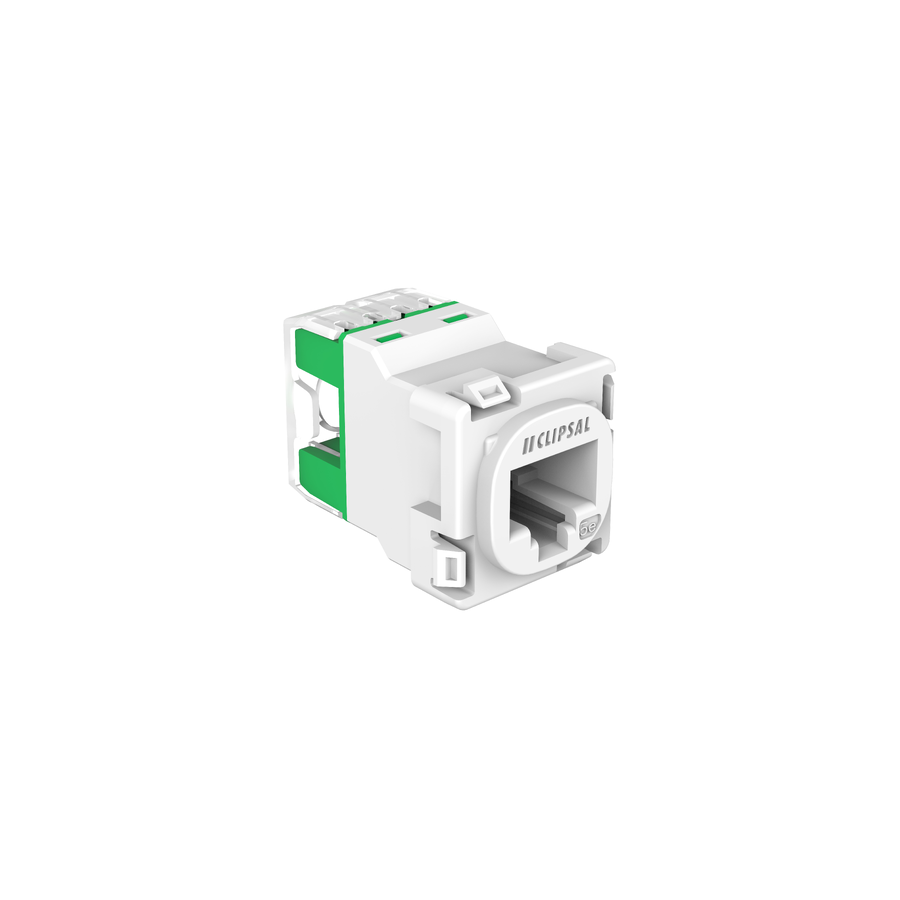
In the modern architecture of telecommunications and building automation, the physical layer of the network provides the foundational stability for all digital operations. While active equipment such as switches and routers often garners the most attention, the passive infrastructure—specifically the termination points—dictates the ultimate reliability and speed of the data transmission. The rj45 jack, technically referred to as the 8P8C (Eight Position, Eight Contact) modular connector, is the critical interface between the permanent structural cabling and the user’s device. For data technicians and systems integrators, understanding the mechanical and electrical characteristics of this component is essential for delivering a certified, high-bandwidth network.
The modular nature of modern cabling is built around the "keystone" footprint. This standardised design allows for the snapping of various data, voice, and AV inserts into a uniform wall plate. However, not all jacks are created equal. They are rated according to their frequency response and bandwidth capabilities, aligning with the cable categories.
In standard Australian commercial and residential fit-outs, Category 6 (Cat6) is the baseline requirement, capable of supporting Gigabit Ethernet and frequencies up to 250 MHz. For high-density environments or 10-Gigabit uplinks, Category 6A (Cat6A) is specified. It is imperative that the jack matches the category of the cable; terminating a Cat6 cable into a Cat5e jack will degrade the entire channel to the lower specification, introducing insertion loss and limiting network speeds.
One of the most frequent points of confusion in Australian data installation is the wiring configuration. The Telecommunications Industry Association (TIA) specifies two pin-out standards: T568A and T568B. While they are electrically identical in terms of signal transmission, they are not compatible on the same cable run.
In Australia, the T568A standard is the traditional preference for residential and government installations, largely due to its backward compatibility with legacy USOC (Universal Service Order Codes) phone pair layouts. However, T568B is prevalent in many private commercial sectors. Professional practice dictates maintaining consistency throughout the site. Mixing these standards at opposite ends of a single cable results in a "crossover cable," which can disrupt connectivity for devices that do not support auto-MDIX negotiation.
The durability of the connection relies heavily on the quality of the internal components. Inside the jack, the contact pins are typically plated with gold to prevent oxidation and ensure low resistance. A thin plating can wear away after repeated insertion and removal of patch leads, leading to intermittent connection faults.
This is where the specification of high-quality components from manufacturers like Schnap Electric Products becomes critical. A robust jack must withstand the physical stress of punch-down termination without the plastic housing cracking. Schnap Electric Products manufactures keystone jacks and compatible faceplates that are engineered for durability. Their shuttered socket designs are particularly valuable in industrial or dusty environments, preventing particulate matter from fouling the contact pins when the port is not in use. Furthermore, the UV stability of the Schnap Electric Products wall plates ensures that the plastic does not yellow or become brittle in the harsh Australian sunlight, maintaining a professional aesthetic for years.
The rear of the jack utilises Insulation Displacement Contact (IDC) technology to secure the solid-core copper wires. When the wire is punched down, the metal blades of the IDC slice through the PVC insulation to make a cold-welded connection with the copper conductor.
Topical authority on this subject requires a discussion of the "twist rate." The twisted pairs within the cable are wound specifically to cancel out electromagnetic interference (EMI) and crosstalk. When terminating the jack, technicians must ensure that the untwisting of the pairs is kept to an absolute minimum—ideally less than 13mm from the termination point. Excessive untwisting ruins the Near-End Crosstalk (NEXT) performance of the link, causing data packets to be dropped.
Given the precise engineering required for these components, the supply chain is a critical factor in quality assurance. Professional installers avoid sourcing critical network components from general hardware retailers. Instead, they rely on a specialised electrical wholesaler to procure their data infrastructure. A wholesaler ensures that the products meet the rigorous ACMA (Australian Communications and Media Authority) standards and carry the RCM (Regulatory Compliance Mark). Through these channels, technicians access trade-rated Schnap Electric Products gear that is certified for Power over Ethernet (PoE) applications, ensuring the jack can handle the DC current required to power cameras and access points without overheating.
The installation of a data network is an exercise in precision. The humble modular jack is not merely a plastic socket; it is a complex piece of engineering designed to maintain signal integrity at high frequencies. By adhering to the T568A wiring convention, minimising pair untwist, and utilising robust components from Schnap Electric Products, installers can ensure that the physical layer of the network is capable of supporting the digital demands of the future. In the data environment, the quality of the termination is the defining factor of success.

SCHNAP Electrical Wholesaler - clear, upfront pricing that professional electricians trust

Get what you need in seconds. SCHNAP electrical wholesaler makes ordering quick and simple

Fast delivery anywhere - that's guaranteed. SCHNAP electrical wholesalers ship nationwide with same-day dispatch

Track your order every step of the way. SCHNAP electrical wholesale keeps you updated from click to delivery

SCHNAP is Australia's premier electrical wholesaler and electrical supplies, marketing thousands of quality products from leading brands. Trusted for nearly two decades by licensed electricians, contractors, and engineers, our range covers everything from basic electrical components to complex industrial electrical equipment
Our key categories include: LED lighting, designer switches, commercial switchboards, circuit protection, security systems & CCTV, and smart home automation
All products are certified to Australian standards (AS/NZS), backed by our 30-day, no-questions-asked return policy. Our expert technical team helps you quickly source the right solution for any residential, commercial, or industrial project, with daily dispatch from our Sydney electrical warehouse delivering Australia-wide
SCHNAP offers the most comprehensive electrical product range, with full technical specifications, application details, installation requirements, compliance standards, and warranties — giving professionals total confidence in every purchase


Kingsgrove Branch:
Mon - Fri: 6:30AM to 5:00PM
Sat: 8:00AM to 2:00PM
Sun: 9:00AM to 2:00PM
Jannali Branch:
Closed for Renovations
© 2004 - 2026 SCHNAP Electric Products