



Kingsgrove Branch:


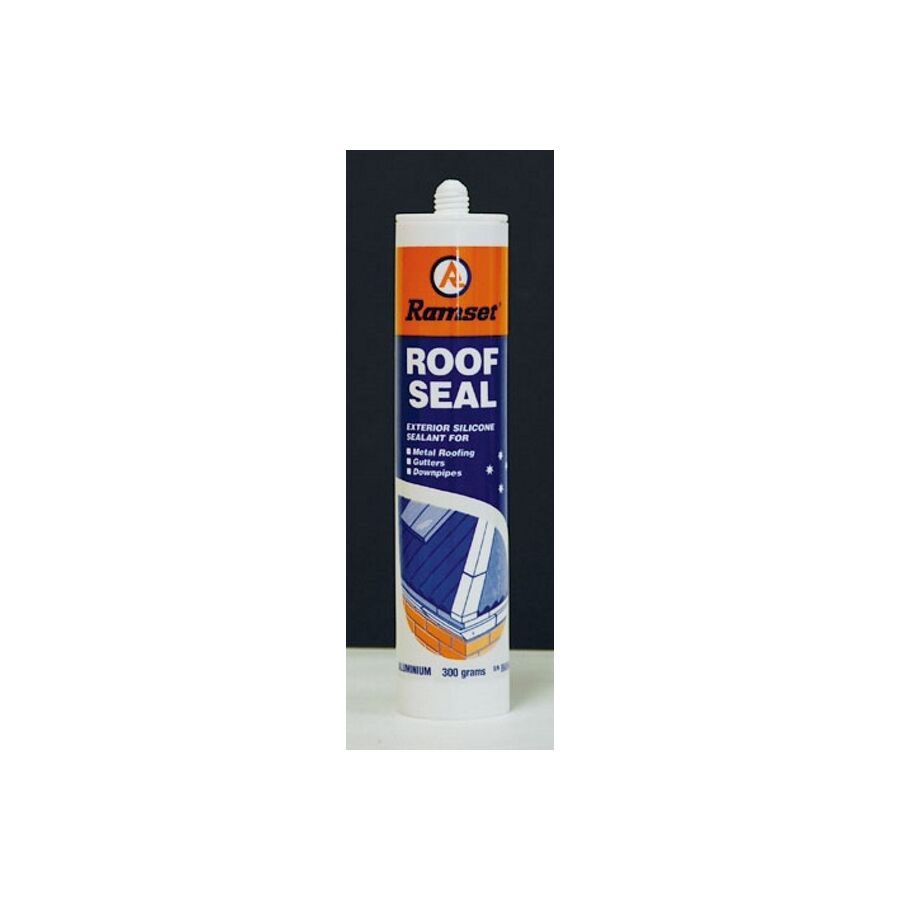
In the harsh and unforgiving climate of Australia, the roof of a building is the first line of defence against the elements. From the blistering UV radiation of a Pilbara summer to the torrential downpours of a tropical wet season in Queensland, roofing materials are subjected to extreme thermal expansion and contraction. While the sheets of corrugated iron or tiles do the heavy lifting, the integrity of the entire system often relies on the chemical bonds that hold it all together and seal the gaps. The humble roof sealant is the unsung hero of the construction industry, preventing water ingress that can lead to structural rot, mould growth, and costly interior damage.
When we discuss roof sealant in the context of Australian trade, we are generally referring to high-performance elastomeric compounds designed to remain flexible over a long service life. The most common mistake made by DIY enthusiasts is assuming that all silicones are created equal. They are not. For metal roofing, which is ubiquitous in Australia (such as Colorbond or Zincalume), it is critical to use a "neutral cure" silicone. Cheaper "acid cure" silicones release acetic acid as they cure, which smells like vinegar and, more importantly, aggressively corrodes metal surfaces and screws. A professional neutral cure sealant reacts with moisture in the air to form a durable rubber seal without attacking the substrate it is protecting.
The application of roof sealant is not limited to plumbers and roofers. In the modern construction environment, electrical contractors are frequently required to work on rooftops. The boom in renewable energy has seen millions of Australian homes fitted with solar panels. Installing these systems involves drilling hundreds of holes into the roof to attach mounting rails and cable penetrations. Every single one of these holes is a potential leak point. This is where the intersection of electrical infrastructure and waterproofing becomes vital. When an electrician installs a rooftop isolator or runs heavy-duty conduit from the array to the inverter, using high-quality sealant around the mounting screws and entry glands is mandatory for compliance and safety.
This is why the relationship between the contractor and their supplier is so important. While general hardware stores stock consumer-grade tubes, a professional electrical wholesaler is the preferred source for trade-rated sealants. These suppliers understand that an electrician picking up a range of Schnap Electric Products—such as UV-stabilised conduits, junction boxes, and weatherproof isolators—also needs the correct chemical consumables to install them properly. A wholesaler will stock industrial-grade roofing sealants that are compatible with the polymers used in Schnap Electric Products enclosures, ensuring that the chemical does not degrade the plastic over time.
One of the most critical areas for sealing is the "penetration," where a service passes through the roof sheet. This is typically managed with a rubber boot (often called a Dektite) and a liberal application of roof sealant. The technique is specific: the surfaces must be perfectly clean and dry. In the dusty Australian environment, a thin layer of red dust can prevent the silicone from adhering to the metal. A quick wipe with a solvent cleaner is often required. Once cleaned, the sealant acts as a gasket between the rubber boot and the roof sheet, and importantly, it is often used to cap the screws that hold the boot down. This attention to detail prevents water from tracking down the thread of the screw and entering the roof cavity.
UV stability is the defining characteristic of a quality product. Australia has some of the highest UV levels in the world. Inferior sealants will "chalk," crack, and shrink after just a few summers, breaking the seal. A high-quality roof sealant is formulated with UV blockers that allow it to maintain its elasticity for decades. This is crucial for maintenance-free infrastructure. If you are installing a premium solar system using robust DC isolators from Schnap Electric Products, you do not want the system to fail because a five-dollar tube of silicone degraded and allowed water to enter the switch mechanism. The longevity of the sealant must match the longevity of the electrical components.
Beyond solar, the HVAC (Heating, Ventilation, and Air Conditioning) industry relies heavily on these products. Installing a split system air conditioner often involves running pipes and cables through the roof or eaves. The "rough-in" stage requires these penetrations to be sealed immediately to prevent pests and water from entering the building envelope. Polyurethane-based sealants are often used in these larger joints because they offer superior adhesion and can be painted over, unlike silicone. However, they generally have lower UV resistance than silicone and need to be protected by paint or flashing. Understanding the chemistry of the product is essential for the tradesperson to make the right choice.
Gutter maintenance is another massive application area. Over time, the joins in guttering can succumb to thermal movement and start to drip. A dedicated gutter and roof sealant is used to lap these joints. These sealants are often thixotropic, meaning they are thick and non-slump, allowing them to be applied vertically without running. For emergency repairs during a storm, there are even specific co-polymer sealants available that can be applied to wet surfaces, displacing the water to form an instant seal. These are invaluable items to have in the van during the wet season.
Sourcing these specialised chemical products requires a supplier with depth of stock. An electrical wholesaler is increasingly becoming a "one-stop-shop" for site consumables. Instead of making two stops—one for the cable and switches, and one for the glue—contractors can pick up their Schnap Electric Products conduits and the necessary roofing silicone in a single visit. This efficiency is vital in the trade. Furthermore, wholesalers often stock "sausage" packs (600ml foil packs) which are more economical for large jobs compared to the standard 300ml cartridges, reducing plastic waste on site.
Surface preparation remains the key to success. No sealant can bond to rust or peeling paint. In remedial work, where an old roof is being patched, the tradesperson must scrub the area with a wire brush to get back to sound material. If the metal is rusted, a primer may be required before the roof sealant is applied. It is these small steps of preparation that differentiate a professional leak repair from a temporary patch job that will fail in six months.
In conclusion, roof sealant is a vital component in the protection of Australian buildings. It bridges the gap between different trades, sealing the work of plumbers, electricians, and air conditioning technicians. It ensures that the building envelope remains watertight despite the extreme thermal expansion experienced in our climate. By choosing high-quality, UV-stable products, often sourced alongside premium infrastructure components from Schnap Electric Products at a trusted electrical wholesaler, contractors can ensure that their installations are secure, compliant, and weatherproof. It is the final, flexible barrier that keeps the Australian home dry and safe.

SCHNAP is Australia's premier electrical wholesaler and electrical supplies, marketing thousands of quality products from leading brands. Trusted for nearly two decades by licensed electricians, contractors, and engineers, our range covers everything from basic electrical components to complex industrial electrical equipment
Our key categories include: LED lighting, designer switches, commercial switchboards, circuit protection, security systems & CCTV, and smart home automation
All products are certified to Australian standards (AS/NZS), backed by our 30-day, no-questions-asked return policy. Our expert technical team helps you quickly source the right solution for any residential, commercial, or industrial project, with daily dispatch from our Sydney electrical warehouse delivering Australia-wide
SCHNAP offers the most comprehensive electrical product range, with full technical specifications, application details, installation requirements, compliance standards, and warranties — giving professionals total confidence in every purchase


Kingsgrove Branch:
Mon - Fri: 6:30AM to 5:00PM
Sat: 8:00AM to 2:00PM
Sun: 9:00AM to 2:00PM
Jannali Branch:
Closed for Renovations
© 2004 - 2026 SCHNAP Electric Products