



Kingsgrove Branch:


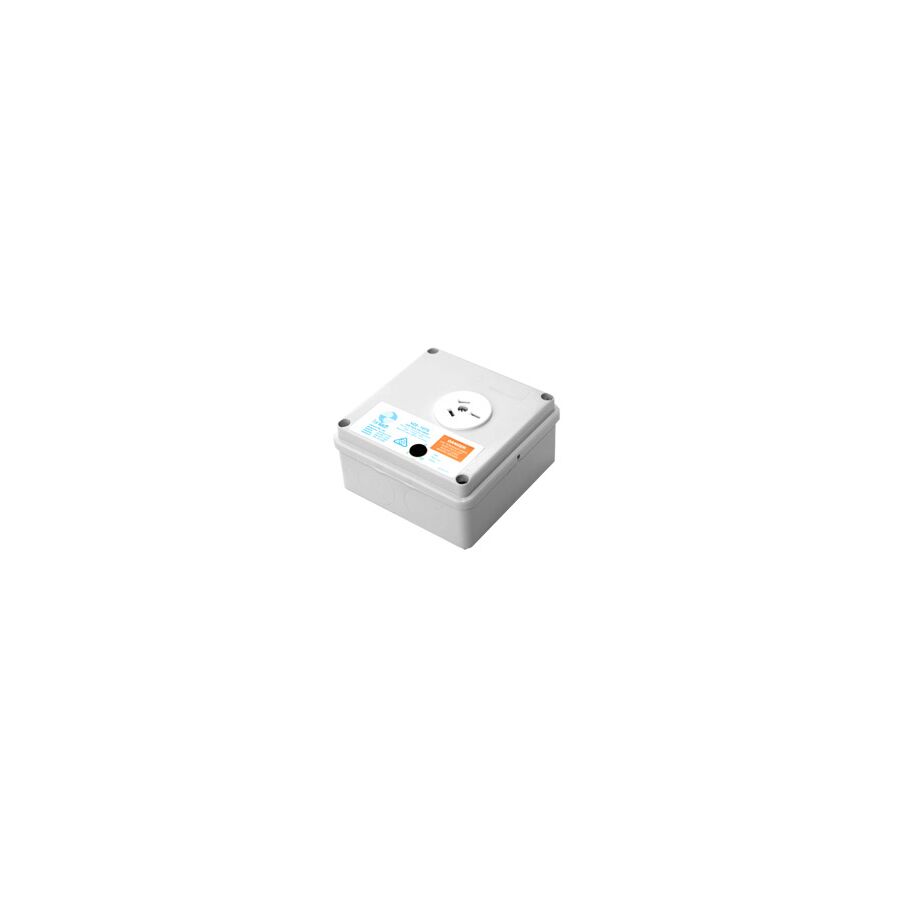
In the architectural and engineering landscape of Australia, effective control of indoor air quality and humidity is no longer optional. It is a compliance requirement under the National Construction Code and a practical necessity in modern buildings. Wet areas such as commercial end-of-trip facilities, hospitals, hotels, apartments, and high-density residential bathrooms generate large volumes of moisture in short periods of time. If this moisture is not removed correctly, it condenses on cold surfaces, leading to mould growth, swollen joinery, peeling paint, and long-term structural degradation.
Mechanical exhaust fans are the standard method of removing this moisture, yet the weak point is often not the fan itself but the way it is controlled. When a fan is linked directly to a light switch, ventilation depends entirely on user behaviour. As soon as the occupant leaves and turns the light off, the fan stops, even though humidity levels remain elevated. The engineering solution to this problem is the run-on timer direct wire. This permanently wired control module ensures the fan continues operating for a defined period after the trigger signal is removed, completing the required air changes per hour and restoring the room to a safe humidity level.
A run-on timer can exist as a plug-in device or as a hardwired module. In commercial and many residential applications, the direct wire format is preferred. It becomes part of the fixed wiring system rather than relying on plug connections that may loosen, vibrate, or become inaccessible above ceilings.
Direct wire timers are commonly installed behind wall switches, inside fan housings, or within junction boxes in roof spaces. Once installed, they operate silently in the background with no user interaction required. This “set and forget” behaviour is critical in buildings where consistent ventilation performance is required regardless of who uses the space.
The defining technical feature of a run-on timer direct wire is its three-wire configuration. Unlike a simple switch that only interrupts the active conductor, the timer requires three connections to function correctly.
The first is Neutral, which provides a reference and return path for the internal electronics. The second is Switched Active, which comes from the light switch or control signal and acts as the trigger. The third, and most important, is the Permanent Active. This permanent supply allows the timer to remain powered even after the switched active is turned off.
When the light is switched on, both the switched active and permanent active are present. The fan runs immediately. When the light is switched off, the switched active is removed, but the permanent active remains. The timer then uses this permanent supply to keep the fan running for the pre-set delay period. Once the delay expires, the internal relay opens and the fan stops.
This configuration is essential. Without a permanent active, the timer would lose power as soon as the switch was turned off, making a run-on function impossible.
Modern Australian installations often leave little physical space for control modules. Junction boxes are crowded, switch plates are shallow, and fan housings are compact. A poorly designed timer that is physically large or poorly terminated becomes difficult to install and prone to failure.
This is where the Schnap Electric Products range adds practical value. Their direct wire run-on timer modules are designed with compact form factors while still handling the inductive inrush currents associated with AC fan motors. Secure terminal design allows solid-core fixed wiring to be terminated correctly, reducing the risk of loose connections caused by heat cycling or vibration.
In Australian roof spaces, ambient temperatures can exceed 50°C in summer. Low-quality electronic components often fail early under these conditions. High-quality timers use appropriately rated capacitors and components to avoid premature drift or complete failure.
The effectiveness of a run-on timer is determined by its dwell time setting. This is not arbitrary. It should be matched to the room volume and the fan’s extraction capacity. A small ensuite or powder room may only require five minutes of overrun to clear residual moisture and odours. A larger bathroom, accessible shower, or communal facility may require twenty minutes or more.
Professional run-on timer direct wire units include adjustable potentiometers or DIP switches that allow the installer to fine-tune the delay. This adjustment is critical for energy efficiency. A delay that is too short fails to remove moisture. A delay that is too long wastes energy and removes conditioned air, increasing heating and cooling loads.
Correct calibration ensures the system operates efficiently while still meeting hygiene and compliance objectives.
Because a run-on timer allows a fan to operate when the light is off, safety considerations are critical. Under AS/NZS 3000 wiring rules, circuits that can operate automatically must be clearly isolated for maintenance.
The ventilation circuit must include an isolation device that disconnects both the switched active and the permanent active. This ensures that maintenance personnel are not exposed to a fan starting unexpectedly while working on the system. Clear labelling is also recommended so future trades understand that a timer is installed.
Environmental suitability is another compliance consideration. If the timer is installed in a roof space, it must be rated for high ambient temperatures and enclosed appropriately to protect against dust and mechanical damage.
Hardwired timers are not consumable items. When they fail, replacement requires a licensed electrician and often access to ceilings or wall cavities. For this reason, reliability is far more important than marginal upfront cost savings.
The market includes many generic timer modules with poor long-term performance. Common failure modes include capacitor degradation, relay contact welding, and heat-induced drift that changes the delay time over months of operation.
Procuring run-on timer direct wire units through professional electrical wholesaler helps ensure compliance with Australian standards, correct voltage tolerance, and long-term durability. Supporting accessories such as compliant junction boxes, identification labels, and mounting hardware complete the installation and reduce future maintenance risk.
Direct wire run-on timers are ideal for bathrooms, ensuites, laundries, hospital wet areas, commercial changerooms, and any location where ventilation must be guaranteed regardless of occupant behaviour. They are particularly valuable in strata and commercial buildings where long-term asset protection and reduced mould risk directly affect operating costs and liability.
The run-on timer direct wire is a small device with a large impact on building health. It bridges the gap between human behaviour and mechanical necessity, ensuring moisture is removed completely rather than partially. By understanding three-wire logic, calibrating dwell time correctly, and installing compliant isolation, Australian electricians and facility managers can deliver ventilation systems that protect both occupants and building fabric.
When paired with compact, reliable hardware from Schnap Electric Products and installed in accordance with AS/NZS 3000, the run-on timer direct wire becomes a quiet, dependable safeguard against one of the most common causes of indoor building damage. In effective ventilation design, the job is not finished when the light goes off, but when the air is truly clear.

SCHNAP is Australia's premier electrical wholesaler and electrical supplies, marketing thousands of quality products from leading brands. Trusted for nearly two decades by licensed electricians, contractors, and engineers, our range covers everything from basic electrical components to complex industrial electrical equipment
Our key categories include: LED lighting, designer switches, commercial switchboards, circuit protection, security systems & CCTV, and smart home automation
All products are certified to Australian standards (AS/NZS), backed by our 30-day, no-questions-asked return policy. Our expert technical team helps you quickly source the right solution for any residential, commercial, or industrial project, with daily dispatch from our Sydney electrical warehouse delivering Australia-wide
SCHNAP offers the most comprehensive electrical product range, with full technical specifications, application details, installation requirements, compliance standards, and warranties — giving professionals total confidence in every purchase


Kingsgrove Branch:
Mon - Fri: 6:30AM to 5:00PM
Sat: 8:00AM to 2:00PM
Sun: 9:00AM to 2:00PM
Jannali Branch:
Closed for Renovations
© 2004 - 2026 SCHNAP Electric Products