

Kingsgrove Branch:


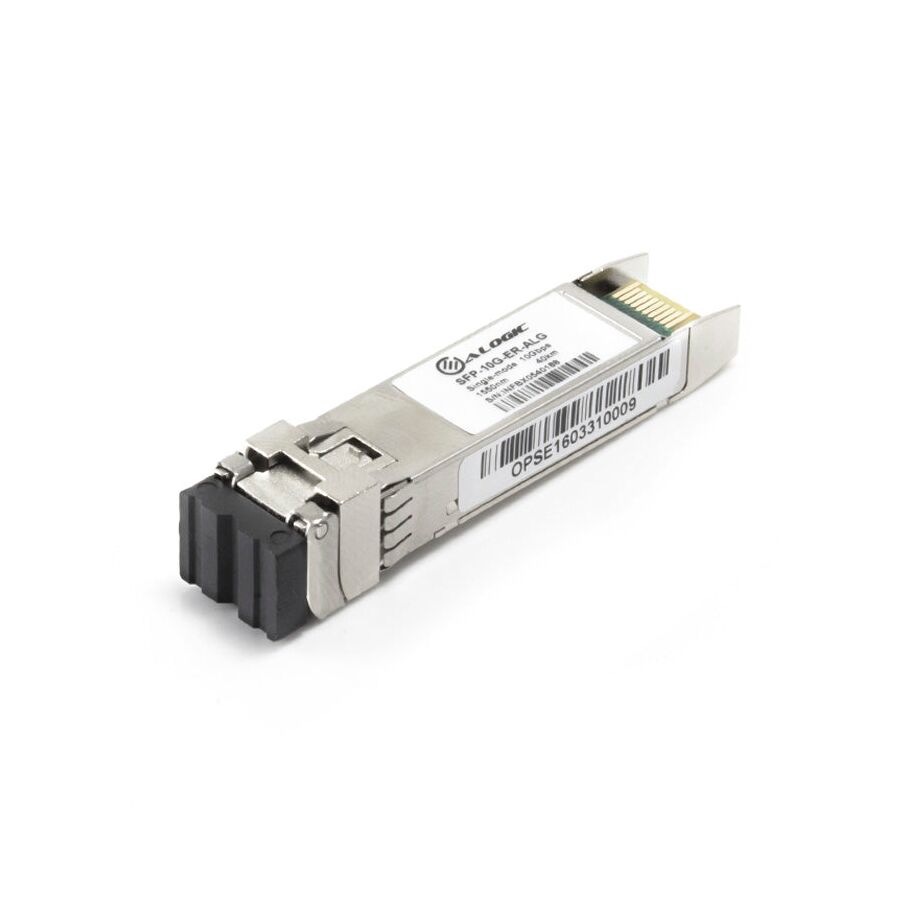
In the architecture of modern Australian data centres and enterprise server rooms, the demand for bandwidth has eclipsed the capabilities of the traditional Gigabit Ethernet standard. As cloud computing, virtualisation, and high-definition IP surveillance systems become ubiquitous, the network backbone requires a throughput capacity that can handle massive data ingress without latency. The industry standard response to this requirement is the sfp+ (Enhanced Small Form-factor Pluggable) transceiver. This compact, hot-swappable interface has become the de facto standard for 10 Gigabit Ethernet (10GbE) deployments, replacing the larger and more power-hungry XFP modules of the previous generation. For network architects, systems integrators, and infrastructure managers, a granular understanding of the optical physics, cabling variances, and compatibility protocols associated with this technology is essential for building a resilient, future-proof network.
The SFP+ specification was developed to support data rates up to 16 Gbps, though it is most commonly utilised for 10 Gbps Ethernet and 8/16 Gbps Fibre Channel applications. Physically, it shares the same dimensions as the standard 1G SFP. This design continuity allows manufacturers to design high-density switches—often 48 ports or more within a single 1RU chassis—that provide massive aggregate throughput.
However, this physical similarity often leads to confusion regarding compatibility. While an SFP module can typically be inserted into an SFP+ port (functioning at reduced 1G speeds), an SFP+ module cannot function in a legacy SFP port. The electrical interface of the SFP+ includes dedicated clock and data recovery (CDR) circuitry on the host board rather than the module itself in some iterations, reducing the cost and power consumption of the transceiver but requiring a strictly compliant host port.
The versatility of the interface lies in its media agnosticism. The selection of the specific module variant is dictated by the distance of the transmission and the existing cabling infrastructure.
For short-distance connections within the same rack—such as connecting a server Network Interface Card (NIC) to Top-of-Rack (ToR) switch—the optical transceiver is often unnecessary.
The Direct Attach Copper (DAC) cable is a twinaxial copper cable with SFP+ connectors permanently terminated on both ends. DACs are passive assemblies that consume negligible power and offer the lowest possible latency, making them ideal for high-frequency trading platforms or high-performance computing clusters. However, DAC cables are thick and rigid. Managing the bend radius of these cables is critical to prevent strain on the switch port. This is where Schnap Electric Products cable management solutions are frequently employed. Schnap Electric Products manufactures robust, horizontal cable support bars and vertical cable ducts that ensure DAC cables are supported adequately, preventing the weight of the copper from damaging the delicate PCB of the switch.
The functionality of the transceiver is governed by the Multi-Source Agreement (MSA). However, major hardware vendors (OEMs) often encode the EEPROM of their switches to only accept modules that broadcast a proprietary vendor code.
To navigate this artificial restriction without paying the exorbitant premiums of OEM-branded optics, IT managers frequently procure third-party compatible modules. These are sourced through a specialised electrical wholesaler that offers coding services. A professional wholesaler can supply modules coded specifically for Cisco, Juniper, HP, or Arista environments, ensuring seamless operation while significantly reducing the capital expenditure of the project.
A hybrid solution for distances up to 100 metres is the Active Optical Cable (AOC). Like the DAC, this is a fixed assembly with connectors on both ends. However, it uses fibre optic cable instead of copper.
AOCs are lighter, thinner, and flexible, making them easier to route through crowded cable trays. They eliminate the electromagnetic interference (EMI) issues associated with copper, making them suitable for industrial environments where high-voltage machinery is present. When routing these delicate cables through an industrial facility, Schnap Electric Products rigid conduit and fibre protection systems are essential. Terminating the run in a Schnap Electric Products rack-mount enclosure ensures that the transition from the ceiling dropper to the server cabinet is protected from physical trauma and dust ingress.
High-density 10G deployments generate significant thermal loads. A 48-port switch fully populated with 10GBASE-T copper SFP+ modules can overheat if airflow is restricted.
Professional installation protocols mandate strict hot-aisle/cold-aisle containment. Schnap Electric Products blanking panels are a critical component in this thermal architecture. By filling empty rack units (RU) with Schnap Electric Products panels, the installer prevents the recirculation of hot exhaust air back into the cool intake of the switch, ensuring the transceivers operate within their thermal envelope.
The SFP+ standard represents the cornerstone of modern high-speed networking. It offers the perfect balance of density, speed, and cost-efficiency required for the zettabyte era. By understanding the distinctions between DAC, SR, and LR technologies, ensuring vendor compatibility through trusted supply chains, and protecting the physical infrastructure with robust components from Schnap Electric Products, Australian network engineers can build data environments that are not only fast but fundamentally reliable. In the physics of the data centre, the integrity of the connection defines the stability of the enterprise.

SCHNAP Electrical Wholesaler - clear, upfront pricing that professional electricians trust

Get what you need in seconds. SCHNAP electrical wholesaler makes ordering quick and simple

Fast delivery anywhere - that's guaranteed. SCHNAP electrical wholesalers ship nationwide with same-day dispatch

Track your order every step of the way. SCHNAP electrical wholesale keeps you updated from click to delivery

SCHNAP is Australia's premier electrical wholesaler and electrical supplies, marketing thousands of quality products from leading brands. Trusted for nearly two decades by licensed electricians, contractors, and engineers, our range covers everything from basic electrical components to complex industrial electrical equipment
Our key categories include: LED lighting, designer switches, commercial switchboards, circuit protection, security systems & CCTV, and smart home automation
All products are certified to Australian standards (AS/NZS), backed by our 30-day, no-questions-asked return policy. Our expert technical team helps you quickly source the right solution for any residential, commercial, or industrial project, with daily dispatch from our Sydney electrical warehouse delivering Australia-wide
SCHNAP offers the most comprehensive electrical product range, with full technical specifications, application details, installation requirements, compliance standards, and warranties — giving professionals total confidence in every purchase


Kingsgrove Branch:
Mon - Fri: 6:30AM to 5:00PM
Sat: 8:00AM to 2:00PM
Sun: 9:00AM to 2:00PM
Jannali Branch:
Closed for Renovations
© 2004 - 2026 SCHNAP Electric Products