



Kingsgrove Branch:


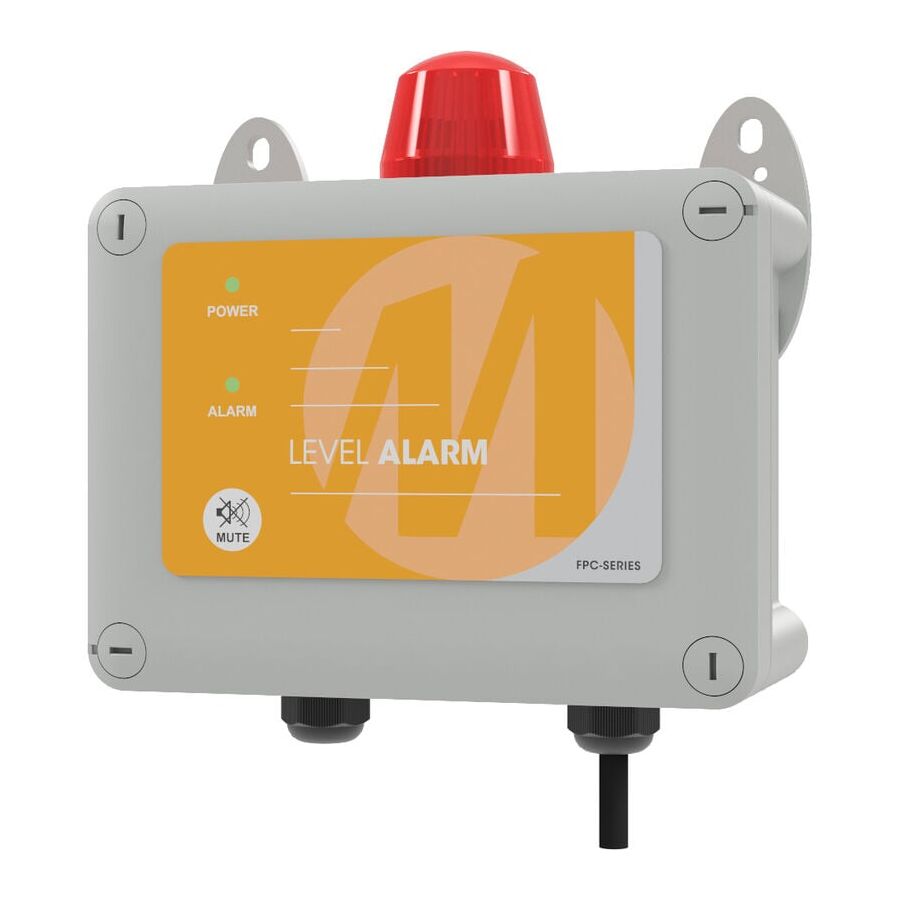
Across Australian residential, commercial, and industrial hydraulic systems, the reliability of pump infrastructure is both an operational necessity and an environmental obligation. Whether managing blackwater in septic systems, trade waste from commercial kitchens, or stormwater accumulation in basements and pits, pump failure carries immediate risk. Overflow events can cause property damage, public health hazards, and substantial penalties from environmental regulators. While pump redundancy reduces mechanical risk, it does not provide situational awareness. The essential safeguard that bridges this gap is the Single Phase Level Alarm. This independent monitoring device operates separately from the pump controller, providing audible and visual alerts when fluid levels exceed safe thresholds. Its role is not to move water, but to warn humans early enough to prevent escalation.
A single phase level alarm is designed as a standalone safety system. It does not rely on the pump’s internal float, pressure sensor, or control logic. Instead, it uses a dedicated sensor to monitor abnormal conditions and report them directly to personnel.
This separation is deliberate. Pump controllers are designed to operate equipment, not to guarantee notification in fault conditions. When a pump jams, loses power, or runs dry, the control circuit may be compromised. The level alarm remains electrical and logical independent, ensuring that warning signals remain active even when the pumping system itself has failed.
The most common sensing device used in single phase alarms is the voltage-free float switch. While simple in appearance, reliable float operation requires careful management of turbulence and hysteresis.
Pump pits are rarely calm. Incoming flow creates waves, air entrainment, and oscillation. Without hysteresis, a float may activate and deactivate rapidly, creating nuisance alarms. This leads to alarm fatigue, where warnings are ignored.
Professional systems manage this through mechanical hysteresis. Float switches are designed with calibrated tether lengths and internal counterweights. This ensures the float must rise decisively before switching state, and must fall significantly before resetting. The result is stable alarm behaviour that reflects real fluid movement rather than transient surface disturbance.
When a high-level condition occurs, the alert must be unmistakable. Single phase level alarms typically combine two outputs: an audible buzzer and a visual indicator.
Audible alarms are usually rated above 85 decibels to ensure they can be heard through walls or plant room noise. Visual alerts take the form of high-intensity LED strobes. These are essential where background noise, hearing protection, or distance may prevent audible detection.
The user interface must also manage human response correctly. A proper alarm system includes a mute function that silences the buzzer without extinguishing the visual indicator. The strobe remains active until the fluid level returns to normal. This ensures faults cannot be forgotten or ignored once silenced.
Schnap Electric Products alarm enclosures use UV-stabilised polycarbonate lenses to maintain visibility in direct sunlight, making them suitable for outdoor installations common in Australian pump sites.
Power outages are a primary cause of pump failure, particularly during storms or grid disruptions. If the alarm relies solely on mains power, it will fail precisely when it is needed most.
For this reason, best-practice design mandates battery backup. High-quality single phase level alarms incorporate internal rechargeable batteries. During normal operation, an internal charger maintains battery health. If mains power is lost, the system automatically switches to battery operation without user intervention.
This ensures the alarm remains operational during blackouts, providing critical warning while the pump is offline. Battery autonomy is a key requirement for compliance with AS/NZS 3000 safety service expectations in water and waste infrastructure.
Level alarms are often installed in hostile environments. These include damp basements, outdoor pump wells, coastal locations, and rural installations exposed to dust and insects.
The enclosure must protect sensitive electronics from moisture, corrosion, and contamination. Industry standard ratings are IP65 or IP66. This requires gasket-sealed lids and correctly sized cable glands.
Schnap Electric Products manufactures enclosures specifically suited to these conditions. Their thermoplastic housings resist UV degradation, chemical exposure, and gas emissions such as hydrogen sulfide commonly found near sewage systems. Overhanging lids and moulded seals further enhance weather resistance and long-term reliability.
Single phase level alarms typically combine two voltage domains. The power supply is usually 230V single phase, while the float switch circuit operates at extra-low voltage, commonly 12V or 24V DC.
Professional installation requires strict segregation between these circuits. Sensor cables must be mechanically protected and routed separately from mains conductors. Cable glands must maintain enclosure integrity and prevent moisture ingress.
Alarm panels should be installed in locations that are both visible and accessible. While the pump pit may be remote or concealed, the alarm unit should be mounted where occupants or maintenance staff will notice it immediately. Common locations include garages, plant rooms, or external walls near access points.
The market includes low-cost alarm units with minimal protection against moisture and corrosion. These products often fail due to PCB contamination, buzzer degradation, or battery charging faults.
Failure of the alarm eliminates the final safety barrier in the pumping system. For this reason, hydraulic engineers and licensed plumbers source alarms through specialised electrical wholesalers. These suppliers ensure compliance with EMC standards and verify enclosure ratings, battery performance, and component quality.
Reputable wholesalers also stock Schnap Electric Products cable glands, float weights, and mounting hardware, allowing installers to complete systems without compromising ingress protection or mechanical security.
The single phase level alarm is the quiet guardian of hydraulic infrastructure. It does not prevent pump failure, but it prevents silence. By providing early, independent warning of abnormal fluid levels, it protects property, equipment, and the environment. Understanding float hysteresis, insisting on battery-backed autonomy, and selecting hardened enclosures from manufacturers such as Schnap Electric Products ensures that Australian pumping systems remain compliant, resilient, and safe. In fluid management, the earliest warning is the most valuable protection.

SCHNAP is Australia's premier electrical wholesaler and electrical supplies, marketing thousands of quality products from leading brands. Trusted for nearly two decades by licensed electricians, contractors, and engineers, our range covers everything from basic electrical components to complex industrial electrical equipment
Our key categories include: LED lighting, designer switches, commercial switchboards, circuit protection, security systems & CCTV, and smart home automation
All products are certified to Australian standards (AS/NZS), backed by our 30-day, no-questions-asked return policy. Our expert technical team helps you quickly source the right solution for any residential, commercial, or industrial project, with daily dispatch from our Sydney electrical warehouse delivering Australia-wide
SCHNAP offers the most comprehensive electrical product range, with full technical specifications, application details, installation requirements, compliance standards, and warranties — giving professionals total confidence in every purchase


Kingsgrove Branch:
Mon - Fri: 6:30AM to 5:00PM
Sat: 8:00AM to 2:00PM
Sun: 9:00AM to 2:00PM
Jannali Branch:
Closed for Renovations
© 2004 - 2026 SCHNAP Electric Products