



Kingsgrove Branch:


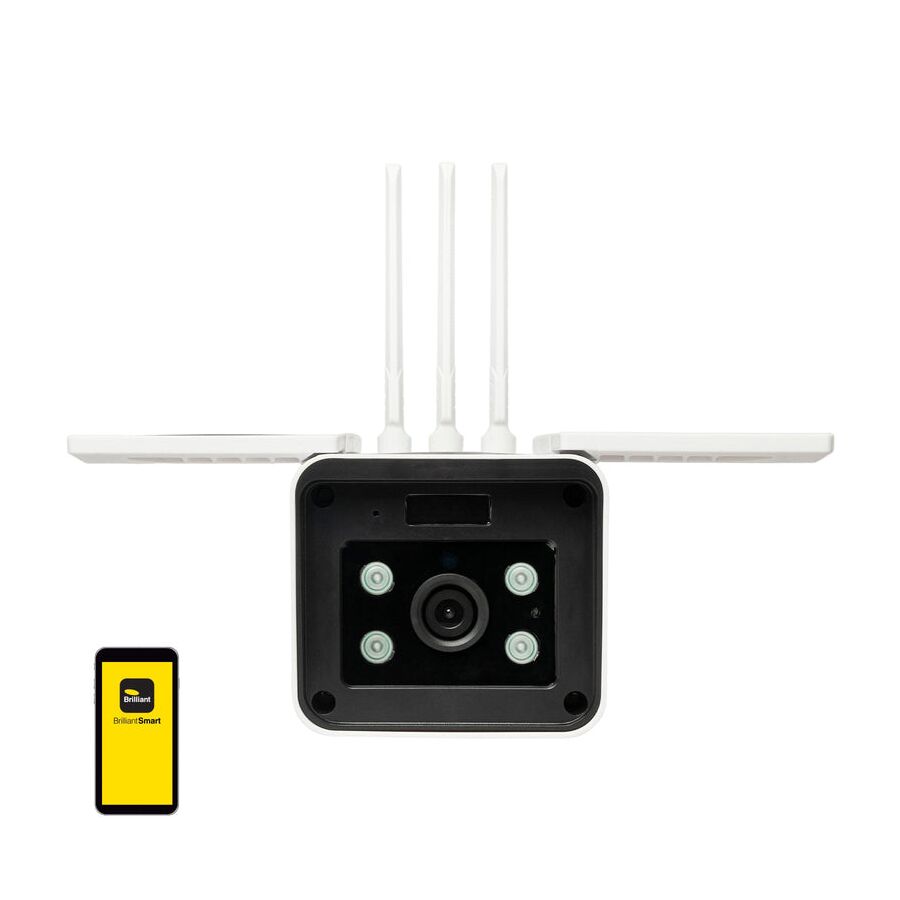
Across Australia’s diverse landscape, from rural properties in regional New South Wales to expanding construction corridors on the outskirts of Perth, security infrastructure has long been constrained by one fundamental limitation: access to power. Traditional CCTV systems depend on fixed electrical supply and data cabling, making them expensive or impractical in locations where trenching and civil works exceed the value of the assets being protected. The smart WiFi solar camera is the engineering response to this challenge. It is a self-contained surveillance system that combines photovoltaic generation, battery storage, and low-power wireless communication into a single autonomous unit capable of operating indefinitely without mains electricity.
Unlike consumer novelty devices, a properly designed smart WiFi solar camera is a serious piece of security infrastructure. Its performance depends on an understanding of solar energy capture, efficient power management, radio frequency behaviour, and environmental protection. When specified and installed correctly, it provides reliable perimeter monitoring, event recording, and remote access in locations that were previously considered impossible or uneconomical to secure.
The foundation of any solar camera system is its energy budget. Unlike wired CCTV that records continuously, solar cameras operate on a duty-cycled model to conserve power. The camera remains in a low-power sleep state for most of the day and only activates when motion is detected or when the user initiates a live view.
Power is supplied by a compact monocrystalline solar panel, typically rated between three and six watts. Monocrystalline technology is preferred due to its higher efficiency and better performance in partial sunlight. The energy harvested by the panel is stored in an internal lithium battery, most commonly lithium-ion or lithium iron phosphate. In Australian conditions, where UV exposure and ambient temperatures are high, battery chemistry and thermal protection are critical. High-quality units incorporate a battery management system that regulates charging, prevents over-discharge, and protects against thermal runaway during heatwaves.
Panel orientation is equally important. In the southern hemisphere, panels should face north and be tilted close to the site latitude to maximise winter sun exposure. Even partial shading from trees, fences, or roof lines can reduce output dramatically. Professional installers account for seasonal sun angles and vegetation growth to ensure year-round charging reliability.
To preserve battery life, smart solar cameras rely on passive infrared sensors rather than continuous video analysis. A PIR sensor detects changes in infrared radiation caused by warm objects moving against a cooler background. This allows the camera to remain dormant until a genuine event occurs.
Australian environments present unique challenges for PIR detection. High summer temperatures, reflective metal surfaces, and moving vegetation can all generate false triggers. Advanced solar cameras mitigate this through refined sensor sensitivity and on-device processing. Many units now include human detection algorithms that analyse motion patterns and shapes before sending alerts. This significantly reduces nuisance notifications caused by animals, wind-blown branches, or heat shimmer, ensuring that alerts remain meaningful and actionable.
Smart WiFi solar cameras rely on wireless connectivity to transmit alerts, stream video, and upload footage. While faster WiFi standards exist, the 2.4GHz band remains the practical choice for outdoor surveillance. Its longer wavelength provides better penetration through brickwork, timber, and glazing, making it more reliable for exterior installations.
Connection quality is determined by signal strength at the camera location. If the received signal is weak, live video may be delayed and remote wake-up commands can fail. In larger properties or where cameras are mounted on boundary fences or gates, additional network infrastructure is often required. Mesh WiFi systems or outdoor access points can extend coverage and stabilise the connection without increasing power consumption at the camera itself.
Although solar cameras eliminate mains cabling, they still require thoughtful physical installation. The camera and solar panel may be integrated or separated to optimise placement. Panels are positioned for sun exposure, while cameras are often mounted under eaves or shaded areas to reduce heat stress and glare.
This is where integration with the Schnap Electric Products ecosystem becomes important. DC charging cables between the panel and camera must be protected from UV degradation, moisture ingress, and wildlife damage. Installers commonly use rigid or UV-stabilised conduit to shield cabling and maintain long-term reliability. Where auxiliary network equipment such as outdoor WiFi extenders is required, weatherproof enclosures rated to IP66 protect electronics from dust, rain, and insects, extending the effective range of the system.
Mounting hardware is equally important. Secure brackets, pole mounts, and stainless steel fixings prevent movement due to wind or vibration, ensuring that the camera maintains correct alignment over time.
Smart solar cameras typically offer both cloud and local storage options. Cloud storage provides off-site redundancy, ensuring that footage remains available even if the camera is damaged or stolen. Footage is encrypted before transmission, protecting user privacy and evidentiary integrity.
However, exclusive reliance on cloud storage can be problematic in rural areas with limited upload bandwidth. To address this, many professional cameras incorporate local microSD storage. Events are recorded locally first and synchronised to the cloud when connectivity permits. This hybrid approach ensures continuous recording even during temporary internet outages while still providing remote access when bandwidth allows.
The popularity of solar cameras has led to an influx of low-cost imports with questionable safety and security standards. Poor-quality batteries can swell or fail in high temperatures, and insecure firmware can expose users to data breaches. In Australia, security devices must comply with electrical safety regulations and privacy expectations, particularly where cloud storage is involved.
For this reason, professional installers and facility managers source smart WiFi solar cameras through specialised electrical wholesaler. These suppliers verify Regulatory Compliance Mark requirements, ensure battery systems are tested for Australian climatic conditions, and provide access to local technical support. They also supply compatible mounting systems, enclosures, and protective accessories, allowing the entire installation to meet safety, durability, and compliance expectations.
The smart WiFi solar camera represents a significant advancement in security engineering. By removing the dependency on fixed power and data cabling, it enables effective surveillance in locations that were previously difficult or cost-prohibitive to secure. When designed around efficient solar charging, intelligent PIR detection, stable 2.4GHz connectivity, and robust physical protection, these cameras deliver reliable, long-term performance across Australia’s varied environments. Supported by quality infrastructure components from suppliers such as Schnap Electric Products, smart solar cameras provide a resilient, autonomous solution for modern perimeter and asset protection. In the evolving landscape of security, independence from the grid is not just convenient. It is a strategic advantage.

SCHNAP is Australia's premier electrical wholesaler and electrical supplies, marketing thousands of quality products from leading brands. Trusted for nearly two decades by licensed electricians, contractors, and engineers, our range covers everything from basic electrical components to complex industrial electrical equipment
Our key categories include: LED lighting, designer switches, commercial switchboards, circuit protection, security systems & CCTV, and smart home automation
All products are certified to Australian standards (AS/NZS), backed by our 30-day, no-questions-asked return policy. Our expert technical team helps you quickly source the right solution for any residential, commercial, or industrial project, with daily dispatch from our Sydney electrical warehouse delivering Australia-wide
SCHNAP offers the most comprehensive electrical product range, with full technical specifications, application details, installation requirements, compliance standards, and warranties — giving professionals total confidence in every purchase


Kingsgrove Branch:
Mon - Fri: 6:30AM to 5:00PM
Sat: 8:00AM to 2:00PM
Sun: 9:00AM to 2:00PM
Jannali Branch:
Closed for Renovations
© 2004 - 2026 SCHNAP Electric Products