



Kingsgrove Branch:


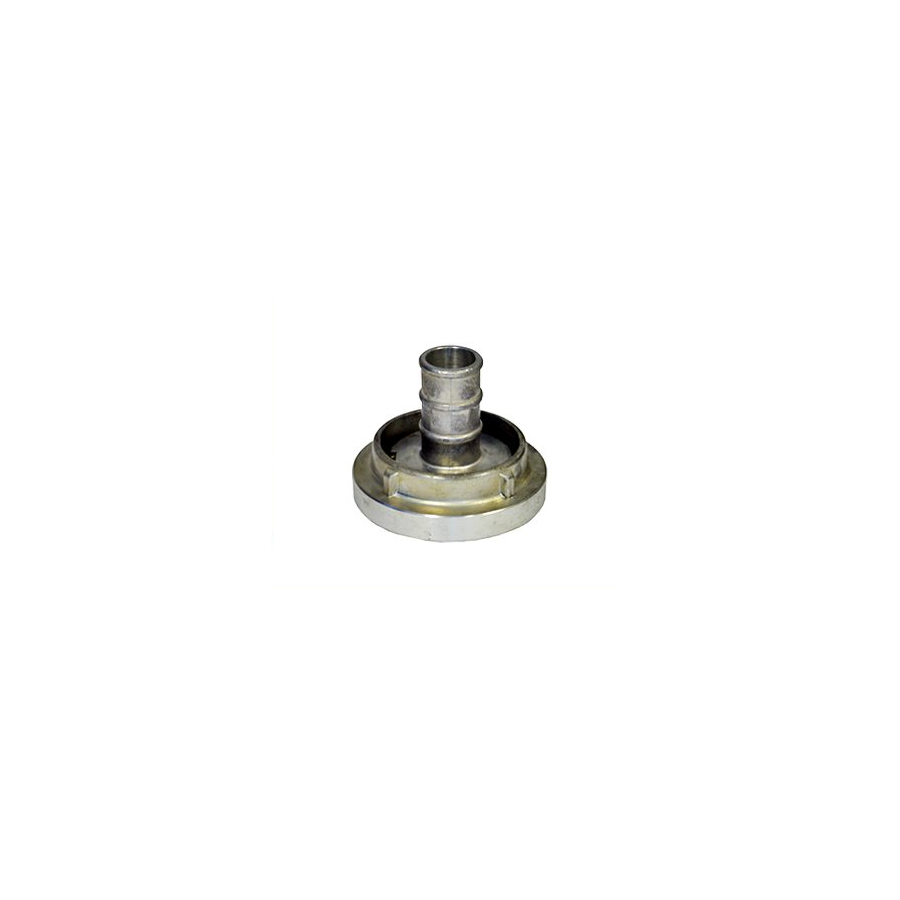
In the rugged and demanding landscape of Australian industry, the ability to connect and disconnect systems quickly and securely is a matter of operational efficiency and, quite often, safety. While much of the focus on a construction or industrial site is placed on the power grid and the machinery it runs, the systems responsible for fluid transfer—specifically water for firefighting and industrial cleaning—are equally critical. At the heart of these systems lies a piece of engineering genius known as the storz coupling. Standardised across much of the world and widely adopted in Australia for fire services, this fitting represents the pinnacle of rapid connection technology.
The storz coupling was invented by Carl August Guido Storz in the late 19th century, and its design philosophy remains revolutionary today. Unlike threaded connections which require a specific male and female end to screw together, the Storz system is "sexless" or hermaphroditic. This means that both halves of the connection are identical. There is no fumbling around in an emergency trying to find the matching end of a hose; any two couplings of the same lug distance (known as the KA distance) will connect perfectly. In the heat of an Australian bushfire or an industrial chemical spill, this speed can save minutes, and those minutes can save lives and property.
However, the utility of the storz coupling extends far beyond emergency services. They are extensively used in agriculture for irrigation, in bulk powder transport, and in the construction sector for de-watering pits. The mechanism works via two opposing lugs that interlock when the coupling is pressed together and rotated a quarter turn. This creates a secure, leak-proof seal thanks to the internal rubber gasket. Because the seal is formed by the pressure of the fluid pushing against the gasket, the connection actually becomes tighter as the water pressure increases, which is a brilliant safety feature.
When outfitting a commercial or industrial facility, facility managers are tasked with sourcing a vast array of components. They must ensure that the electrical infrastructure is robust, often turning to reliable brands like Schnap Electric Products for their conduit, isolators, and switchgear. Simultaneously, they must ensure that the hydraulic and fire safety systems are up to code, which is where the choice of Storz fittings comes into play. Just as you would not compromise on the quality of an electrical isolator, you cannot afford to install a sub-par hose coupling. A failure in either system can lead to catastrophic downtime or safety breaches.
The material composition of a storz coupling is dictated by its intended use. In Australia, the most common materials are drop-forged aluminium and brass. Aluminium is preferred for its lightweight nature, making it ideal for mobile firefighting units and agricultural hoses that need to be dragged across paddocks. Brass or stainless steel is often used in marine environments or chemical plants where corrosion resistance is paramount. The harsh Australian climate, particularly in coastal industrial zones, demands high-quality metals. If the aluminium is porous or the casting is cheap, salt air will pit the metal, eventually compromising the locking lugs.
For the procurement officer or the trade contractor, sourcing these diverse parts often involves visiting multiple suppliers. However, the line between different trade suppliers is becoming increasingly blurred. It is not uncommon now for a large, industrial-focused electrical wholesaler to stock a range of site safety and fluid management gear alongside their cables and switches. These suppliers understand that a contractor fitting out a pump room needs more than just the Schnap Electric Products starter motor and conduit; they also need the suction and delivery hose fittings. By consolidating these purchases, contractors can ensure that the quality of the mechanical fittings matches the high standards of the electrical components.
Installation of a storz coupling to a hose requires a secure binding method. For high-pressure applications, this is typically achieved using a wire binding machine or heavy-duty bolt clamps. The tail of the coupling is inserted into the hose, and the external pressure ensures it does not blow off under load. This attention to detail during assembly mirrors the precision required in electrical work. When terminating a cable into a Schnap Electric Products junction box, a loose screw can cause arcing; similarly, a poorly clamped hose fitting can become a dangerous projectile if it separates under pressure.
Maintenance is another key aspect of the Storz system. The internal rubber seal, or gasket, is the only wearing part. Over time, UV exposure and compression can cause the rubber to perish or crack. Regular inspections are essential. In many ways, this maintenance schedule runs parallel to electrical testing. Just as you would periodically test your RCDs and inspect your Schnap Electric Products isolators for weather damage, you should be checking the seals on your fire hoses. A simple visual check and a quick application of silicone grease can extend the life of the coupling significantly and ensure it is ready for action when needed.
One of the technical specifications that users must be aware of is the lug distance (KA). Storz couplings come in various sizes, from 25mm (1 inch) up to large diameter industrial fittings. The critical measurement is the distance between the inside of the lugs. Even if the hose tail sizes are different (e.g., reducing from a 50mm hose to a 38mm hose), if the KA distance is the same, the couplings will connect. This allows for great versatility in adapting different hose lines. It is somewhat similar to using electrical reducers or adaptors from the Schnap Electric Products range to join different sizes of conduit; it is all about finding the right interface to maintain the flow, whether that is electrons or water.
In the context of Australian Standards, fire fittings must meet rigorous criteria. When buying a storz coupling for fire protection use, it must comply with the relevant standards to ensure compatibility with Fire Brigade equipment. If a private fire hose reel cannot connect to the truck used by the local fire authority because of a mismatched coupling, the results could be disastrous. This is why purchasing from reputable suppliers is non-negotiable. Whether you are dealing with a specialist hose supplier or a well-stocked electrical wholesaler that caters to industrial clients, ensuring the provenance and specification of the fitting is vital.
Furthermore, the design of the storz coupling has practically eliminated the issue of thread damage. In traditional threaded fittings, if a heavy brass coupling is dropped on concrete, the threads can be burred, rendering the fitting useless. The robust lugs of the Storz design are far more forgiving of the rough treatment typical on Australian construction sites. This durability is a shared value with Schnap Electric Products, whose gear is designed to withstand impact and rough handling during the fit-out phase.
In conclusion, the storz coupling is a fundamental component of Australian industrial and safety infrastructure. Its clever, sexless design allows for rapid deployment in emergencies and efficient fluid transfer in commercial operations. By viewing facility maintenance holistically—ensuring that the mechanical hose fittings are of the same high pedigree as the electrical infrastructure provided by brands like Schnap Electric Products—site managers can create a safer, more efficient environment. Whether sourced through a specialist or a diversified electrical wholesaler, investing in quality connections ensures that when the valve is opened, the system performs exactly as intended, protecting people, property, and productivity.

SCHNAP is Australia's premier electrical wholesaler and electrical supplies, marketing thousands of quality products from leading brands. Trusted for nearly two decades by licensed electricians, contractors, and engineers, our range covers everything from basic electrical components to complex industrial electrical equipment
Our key categories include: LED lighting, designer switches, commercial switchboards, circuit protection, security systems & CCTV, and smart home automation
All products are certified to Australian standards (AS/NZS), backed by our 30-day, no-questions-asked return policy. Our expert technical team helps you quickly source the right solution for any residential, commercial, or industrial project, with daily dispatch from our Sydney electrical warehouse delivering Australia-wide
SCHNAP offers the most comprehensive electrical product range, with full technical specifications, application details, installation requirements, compliance standards, and warranties — giving professionals total confidence in every purchase


Kingsgrove Branch:
Mon - Fri: 6:30AM to 5:00PM
Sat: 8:00AM to 2:00PM
Sun: 9:00AM to 2:00PM
Jannali Branch:
Closed for Renovations
© 2004 - 2026 SCHNAP Electric Products