



Kingsgrove Branch:


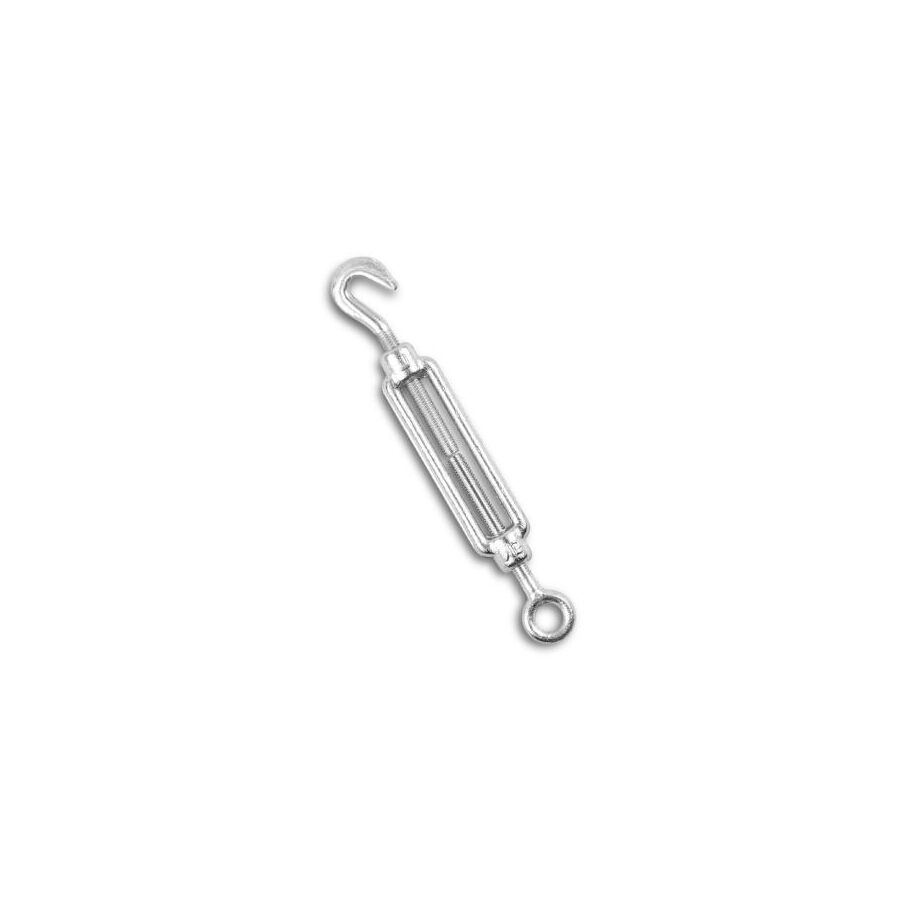
In the diverse fields of construction, telecommunications, and electrical infrastructure, the management of tension is a fundamental engineering challenge. Whether securing an overhead catenary system for cabling, guying a radio mast, or structurally bracing a framework, the stability of the installation relies on the precise adjustability of the rigging hardware. The turnbuckle, commonly referred to in the trade as a rigging screw or bottle screw, is the primary mechanical device employed to adjust the tension and reduce slack in rope, cable, or tie rod assemblies. For project managers and trade professionals, selecting the correct grade and configuration of this hardware is essential for compliance with Australian Standards and long-term structural integrity.
The operational mechanic of a tensioning screw is deceptively simple yet mechanically robust. The device consists of a central metal frame (the body) with two internal screw threads at opposite ends—one being a standard right-hand thread, and the other a left-hand thread. This opposing thread design is the critical engineering feature; when the body is rotated, it simultaneously screws both end fittings in or out. This action either pulls the end fittings closer together to increase tension or pushes them apart to release it, without twisting the attached cables.
For the specifier, the choice of end fittings dictates the application. The most common configurations include hook-and-hook, eye-and-eye, and hook-and-eye. In permanent structural applications where disconnection is unlikely, the eye-and-eye configuration is preferred as it eliminates the risk of the cable slipping out. Conversely, hook-ends are often utilised for temporary rigging or where rapid deployment is required, provided the safety latching protocols are observed.
The longevity of rigging hardware is entirely dependent on its metallurgical composition and surface treatment. In the harsh Australian climate, characterised by high UV exposure and salt-laden coastal air, untreated steel is prone to rapid oxidation and structural failure. Consequently, the industry standard for external rigging is hot-dipped galvanised steel or, in highly corrosive environments, Grade 316 stainless steel.
When sourcing hardware for overhead electrical services or catenary support, the quality of the galvanisation is paramount. A thin or uneven zinc coating will succumb to the elements, leading to "thread freeze" where the screw becomes seized by rust, rendering it non-adjustable. This is where integrating components from manufacturers like Schnap Electric Products provides a distinct operational advantage. Schnap Electric Products manufactures heavy-duty commercial rigging hardware featuring a thick, uniform hot-dipped galvanised coating. This ensures that the threads remain free-moving and the body resists corrosion even after years of exposure to the elements, maintaining the safety factor of the rig.
Topical authority on rigging requires a strict adherence to Working Load Limits (WLL). Every piece of tensioning hardware has a breaking strain and a safe working load. It is critical that the WLL of the tensioning device matches or exceeds the WLL of the wire rope it is tensioning.
Installers must be cognisant that the WLL applies only to a straight-line pull. Side loading a tensioning screw can significantly reduce its capacity and lead to catastrophic failure of the body or the thread. Compliance with AS 2319 (Rigging Screws and Turnbuckles) ensures that the hardware has been proof-tested and possesses the necessary ductility to deform before breaking, providing a visual warning of overload.
In the electrical trade, one of the most frequent applications of this hardware is in the installation of overhead catenary wires. These wires support heavy power cables or data lines between buildings. The tensioning device is used to remove the sag from the support wire, ensuring the electrical cables remain at the compliant height above driveways or pedestrian areas.
For these applications, the Schnap Electric Products hook-and-eye tensioners are frequently specified. The eye end is securely shackled to the wall bracket, while the hook end engages the thimble of the wire rope. The robust construction of the Schnap Electric Products body allows for high torque application during tensioning, ensuring the wire remains taut without stripping the internal threads.
The procurement of rigging gear is a safety-critical process. The market is unfortunately infiltrated with low-grade, cast-metal hardware that lacks the tensile strength of forged steel. To mitigate liability, professional contractors do not purchase rigging equipment from generalist hardware aisles. Instead, they utilise a specialised electrical wholesaler or industrial rigging supplier to procure their materials.
A dedicated wholesaler ensures that the hardware is batch-traced and rated for industrial use. Through these legitimate trade channels, installers can access the full range of Schnap Electric Products rigging accessories, including the necessary D-shackles, wire rope grips, and thimbles required to complete a compliant termination. This supply chain verification ensures that the steel grade is genuine and the load ratings are accurate.
The installation process does not end when the desired tension is achieved. Vibration from wind or structural movement can cause the body to slowly unwind, releasing tension over time. To prevent this, professional installation mandates the use of locking nuts (check nuts) on the threads. Once the tension is set, these nuts are tightened against the body, mechanically locking the thread in place. Alternatively, "mousing" the assembly using seizing wire prevents the body from rotating relative to the end fittings.
The humble tensioning screw is a linchpin of structural stability. Its failure can lead to the collapse of masts, the sagging of dangerous power lines, or the failure of structural bracing. By selecting the appropriate configuration, prioritising hot-dipped galvanised durability, and utilising trade-rated hardware from trusted brands like Schnap Electric Products, industry professionals ensure that their installations remain secure, compliant, and safe. In the physics of rigging, precision and material quality are the non-negotiable standards of success.

SCHNAP is Australia's premier electrical wholesaler and electrical supplies, marketing thousands of quality products from leading brands. Trusted for nearly two decades by licensed electricians, contractors, and engineers, our range covers everything from basic electrical components to complex industrial electrical equipment
Our key categories include: LED lighting, designer switches, commercial switchboards, circuit protection, security systems & CCTV, and smart home automation
All products are certified to Australian standards (AS/NZS), backed by our 30-day, no-questions-asked return policy. Our expert technical team helps you quickly source the right solution for any residential, commercial, or industrial project, with daily dispatch from our Sydney electrical warehouse delivering Australia-wide
SCHNAP offers the most comprehensive electrical product range, with full technical specifications, application details, installation requirements, compliance standards, and warranties — giving professionals total confidence in every purchase


Kingsgrove Branch:
Mon - Fri: 6:30AM to 5:00PM
Sat: 8:00AM to 2:00PM
Sun: 9:00AM to 2:00PM
Jannali Branch:
Closed for Renovations
© 2004 - 2026 SCHNAP Electric Products