



Kingsgrove Branch:


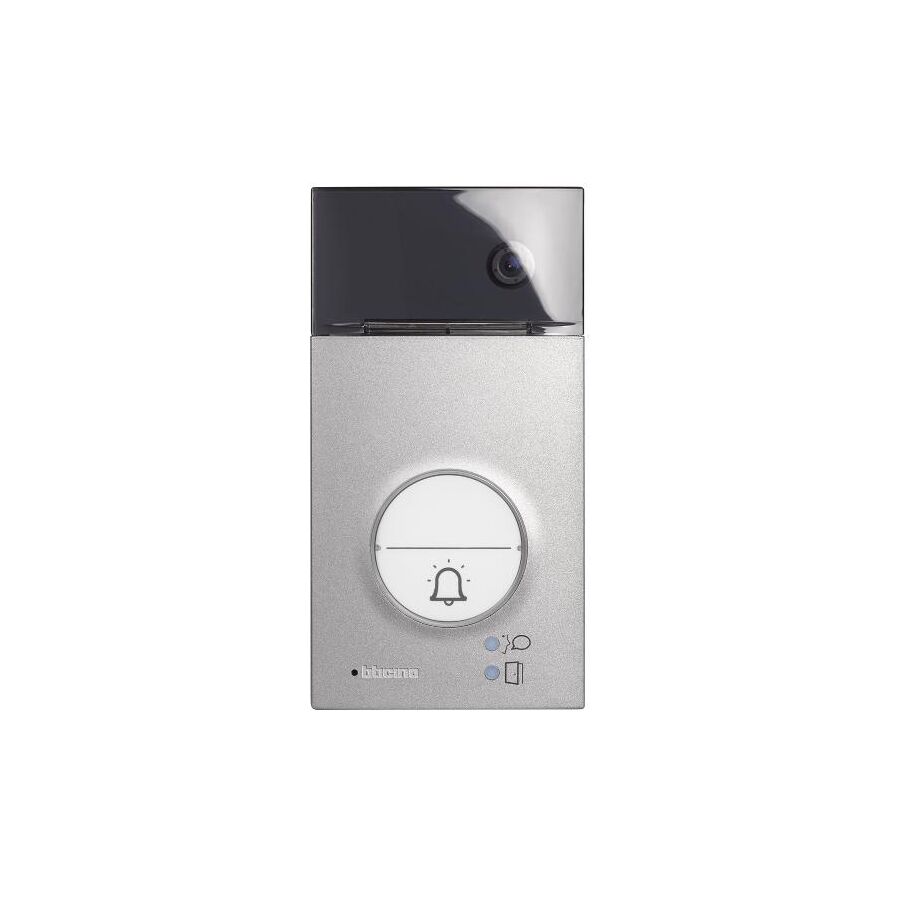
In modern Australian residential and commercial developments, access control has shifted from a convenience feature to a critical security requirement. From high-density strata buildings in Sydney to gated commercial facilities in Perth, property owners and facility managers must verify the identity of visitors before granting physical access. Traditional analogue intercom systems, limited to audio-only communication, no longer meet contemporary security expectations. Poor sound quality, lack of audit capability, and zero remote access functionality expose buildings to unnecessary risk. The engineering solution is the Video Intercom Panel, a network-connected outdoor station that functions as the digital gatekeeper of the building by combining high-definition imaging, full-duplex audio, and IP-based communication.
For electrical contractors, security integrators, and consultants, understanding the optical, network, and electrical requirements of video intercom panels is essential to delivering compliant, scalable, and future-ready access control systems.
The primary role of a video intercom panel is visual verification, yet building entry points present some of the most challenging lighting environments. Panels are often exposed to harsh Australian sunlight during the day and low-light conditions at night. Visitors may be backlit by reflective streetscapes, resulting in facial features being lost in shadow when using basic camera technology.
Professional video intercom panels utilise high-quality CMOS image sensors, typically offering 1080p or higher resolution. Resolution alone is insufficient. Wide Dynamic Range (WDR) processing is critical, allowing the camera to balance bright and dark areas within the same frame. This ensures facial features remain identifiable even when a visitor is standing in direct sunlight. Wide-angle lens geometry, often between 120 and 180 degrees, further eliminates blind spots and ensures visibility even if the visitor is not positioned directly in front of the panel.
Modern video intercom panels operate as edge devices on the building’s Local Area Network. Most professional systems utilise Session Initiation Protocol (SIP), the same standard used in VoIP telephony. SIP enables a single outdoor panel to route calls to multiple apartments, offices, concierge desks, or mobile devices without proprietary cabling. This architecture allows systems to scale easily as buildings expand or tenancy arrangements change.
Power over Ethernet (PoE) is the preferred deployment method, delivering both power and data over a single Cat6 cable. PoE simplifies installation, reduces wall cavity congestion, and improves long-term reliability. Panels can connect directly to indoor monitors or cloud servers, enabling smartphone-based access control and remote door release from anywhere in the world.
As an externally mounted device, the video intercom panel must withstand environmental exposure and physical attack. A minimum ingress protection rating of IP65 is required to protect against rain, dust, and airborne debris, particularly in coastal and industrial environments.
Vandal resistance is equally important. The IK rating defines the unit’s ability to withstand impact. IK08 is suitable for low-risk locations, while IK10 is the benchmark for public-facing installations. IK10-rated panels are typically constructed from marine-grade stainless steel or die-cast aluminium, allowing them to withstand deliberate impact without compromising functionality. This level of durability is essential for street-level and high-traffic installations.
While the video intercom panel provides control logic, reliable door operation depends on robust electrical infrastructure. Electric strikes and magnetic locks draw high inrush current, which can cause voltage sag or system resets if not correctly isolated.
This is where Schnap Electric Products plays a critical role. Dedicated DIN-rail power supplies from Schnap Electric Products isolate lock loads from sensitive panel electronics, ensuring stable operation during door actuation. Schnap Electric Products relays and isolation devices also support safe maintenance practices, allowing lock circuits to be isolated independently in accordance with AS/NZS 3000. Proper cable containment using Schnap Electric Products conduit and junction boxes protects Cat6 cabling from tampering behind the panel, a common vulnerability in surface-mounted installations.
Effective access control relies on clear communication as much as visual confirmation. Entry points are often noisy due to traffic, wind, or echo. High-quality video intercom panels employ digital signal processing, including active noise cancellation and acoustic echo cancellation, to ensure clear audio transmission.
Full-duplex audio allows both parties to speak simultaneously, eliminating the clipped conversation effect associated with older half-duplex systems. This improves communication speed, reduces access errors, and enhances the overall user experience.
The market is saturated with consumer-grade video doorbells designed for single dwellings. These products often lack SIP compatibility, vandal resistance, and firmware management tools required for multi-tenant and commercial applications. Using such hardware introduces security risks and long-term maintenance issues.
Professional video intercom systems should be sourced through a specialised electrical wholesaler. These suppliers ensure compatibility with network infrastructure, PoE switches, and locking hardware, while also providing access to mounting accessories, rain hoods, surface boxes, and spare parts. This approach reduces downtime and ensures the system remains serviceable throughout its lifecycle.
The video intercom panel represents the convergence of physical security and digital access management. It transforms a passive doorway into an intelligent control point that enhances safety, convenience, and accountability. By specifying panels with true WDR imaging, IK10-rated construction, SIP-based communication, and robust electrical integration using Schnap Electric Products infrastructure, Australian professionals can deliver access control systems that are secure, scalable, and built for long-term performance. In access control design, visibility is control.

SCHNAP is Australia's premier electrical wholesaler and electrical supplies, marketing thousands of quality products from leading brands. Trusted for nearly two decades by licensed electricians, contractors, and engineers, our range covers everything from basic electrical components to complex industrial electrical equipment
Our key categories include: LED lighting, designer switches, commercial switchboards, circuit protection, security systems & CCTV, and smart home automation
All products are certified to Australian standards (AS/NZS), backed by our 30-day, no-questions-asked return policy. Our expert technical team helps you quickly source the right solution for any residential, commercial, or industrial project, with daily dispatch from our Sydney electrical warehouse delivering Australia-wide
SCHNAP offers the most comprehensive electrical product range, with full technical specifications, application details, installation requirements, compliance standards, and warranties — giving professionals total confidence in every purchase


Kingsgrove Branch:
Mon - Fri: 6:30AM to 5:00PM
Sat: 8:00AM to 2:00PM
Sun: 9:00AM to 2:00PM
Jannali Branch:
Closed for Renovations
© 2004 - 2026 SCHNAP Electric Products