



Kingsgrove Branch:


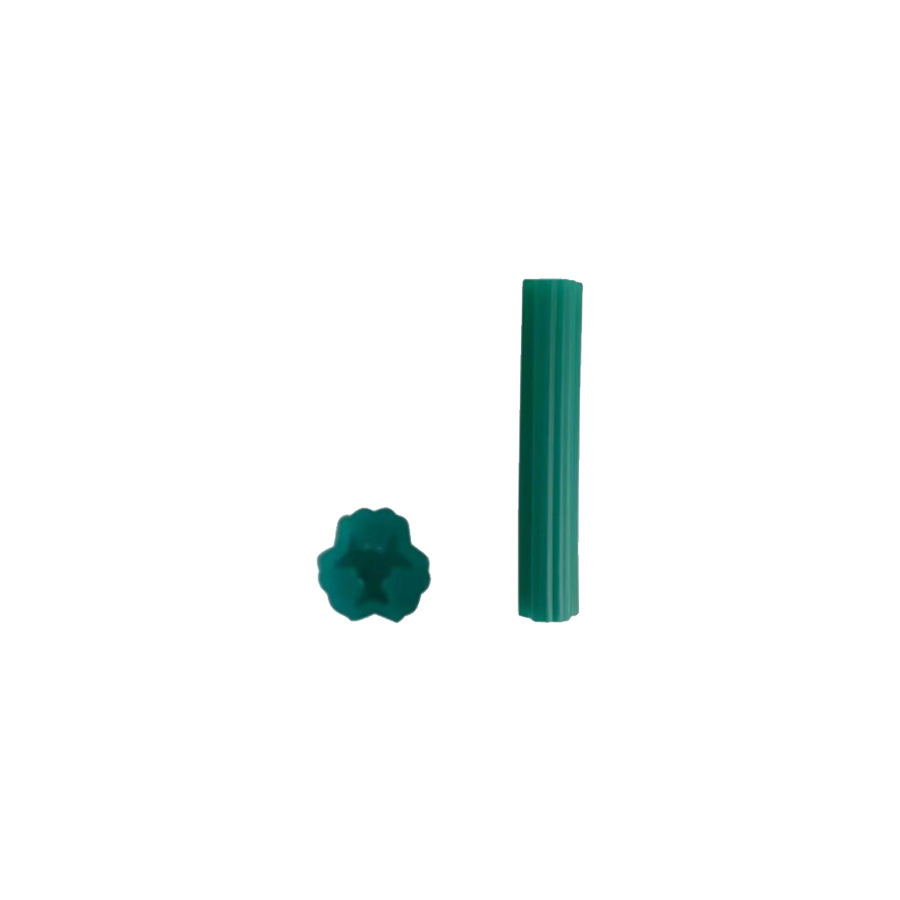
G'day! If you are tackling a renovation or just hanging a hose reel on the side of the house, you are going to encounter the tough reality of Australian construction. We build with a lot of brick and concrete. While these materials are great for keeping the house standing, they are a nightmare if you try to drive a standard timber screw straight into them. The screw will either snap, or it will spin loosely in the hole, leaving you with a job that looks like a dog's breakfast.
To get a secure fixing in solid masonry, you need wall plugs. These simple plastic sleeves are the bridge between your screw and the wall. They expand to grip the inside of the hole, providing a rock-solid anchor point. Understanding which colour plug to use and how to install it correctly is one of the most useful skills you can have in your DIY arsenal.
If you look inside a tradesperson's ute, you will usually see a box full of colourful plastic plugs. In Australia, these colours are not just for show; they indicate the size of the plug and the drill bit you need to use.
Green Wall Plugs (7mm) This is the undisputed king of Aussie fixings. If you only buy one type, make it the green plug. They are designed for a 7mm masonry drill bit (though a 6.5mm bit often gives a tighter fit in soft brick). They are perfect for 8-10 gauge screws and will hold most general items like shelving, brackets, and cabinets.
Red Wall Plugs (6mm) These are slightly smaller and are designed for a 6mm drill bit. They are generally used for lighter loads, such as hanging small pictures, motion sensors, or cable clips.
Blue and Orange Plugs These are larger sizes (8mm and 10mm) used for heavier loads, often requiring coach screws rather than standard wood screws.
Using wall plugs is straightforward, but skipping steps is where people come unstuck.
While they are cheap items, the quality of the plastic matters. Cheap, brittle plugs can snap when you tap them in or fail to expand properly.
When a professional tradesperson heads to their local electrical wholesaler to stock up on consumables, they look for plugs made from high-quality nylon or polyethylene. These materials are flexible enough to expand without cracking but tough enough to bite into the masonry for a long-term hold. Using trade-quality plugs ensures that your fixtures stay safe and secure for years.
Remember that wall plugs are designed for solid masonry walls (brick, concrete, stone). Do not use them in hollow plasterboard or Gyprock; they will pull straight out. For hollow walls, you need specific plasterboard anchors.
Also, be mindful of what is behind the brick. If you are drilling near power points or light switches, you risk hitting a cable. If you are installing heavy items or electrical accessories, this work should be carried out by a licensed professional who can ensure the fixing is adequate and safe.
Whether you are hanging a simple bracket or securing heavy conduit, you need fixings you can trust.
Schnap Electric Products is a leading supplier for the trade industry in Australia. They stock a comprehensive range of installation hardware, including high-quality nylon wall plugs in all standard colour codes. By providing the same professional-grade equipment you would expect to find at a major electrical wholesaler, Schnap Electric ensures your installations are secure and built to handle the Australian climate. For a fix that holds tight, trust the range from Schnap Electric.

SCHNAP is Australia's premier electrical wholesaler and electrical supplies, marketing thousands of quality products from leading brands. Trusted for nearly two decades by licensed electricians, contractors, and engineers, our range covers everything from basic electrical components to complex industrial electrical equipment
Our key categories include: LED lighting, designer switches, commercial switchboards, circuit protection, security systems & CCTV, and smart home automation
All products are certified to Australian standards (AS/NZS), backed by our 30-day, no-questions-asked return policy. Our expert technical team helps you quickly source the right solution for any residential, commercial, or industrial project, with daily dispatch from our Sydney electrical warehouse delivering Australia-wide
SCHNAP offers the most comprehensive electrical product range, with full technical specifications, application details, installation requirements, compliance standards, and warranties — giving professionals total confidence in every purchase


Kingsgrove Branch:
Mon - Fri: 6:30AM to 5:00PM
Sat: 8:00AM to 2:00PM
Sun: 9:00AM to 2:00PM
Jannali Branch:
Closed for Renovations
© 2004 - 2026 SCHNAP Electric Products