



Kingsgrove Branch:


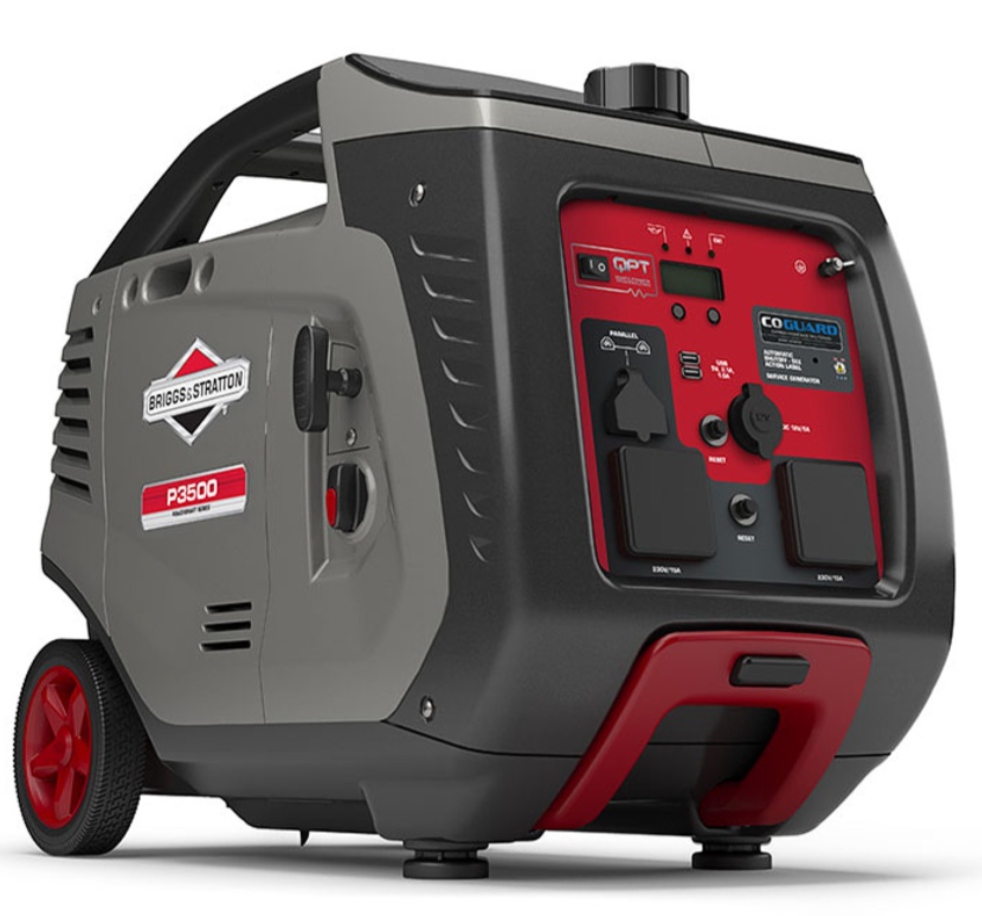
G'day! Planning a lap around Australia or just a weekend away in the bush is the dream for many of us. We pack the 4WD, hitch up the caravan, and get ready to escape. However, leaving the city doesn't mean we want to leave our creature comforts behind. Whether it is a proper coffee machine in the morning, a microwave for a quick feed, or charging the laptop to watch a movie, you need 240V power.
To get that power from your 12V batteries, you need an inverter. But walk into any shop and you are faced with options ranging from 150W to 4000W. The most common question we hear is what size inverter do I need to run my gear? Getting this wrong can be an expensive mistake, either by buying a unit that is too small to run your toaster or wasting money on a massive unit that drains your batteries flat in an hour.
To size an inverter, you need to know how much power your appliances consume. This is measured in Watts. You can usually find this number on a sticker on the back or bottom of the appliance.
The calculation is relatively simple. You need to add up the wattage of everything you want to run at the same time.
In this scenario, a small 150W or 300W inverter is plenty. But if you throw a coffee machine (1400W) into the mix, suddenly you need a unit capable of handling over 1500W continuously.
This is where most people get caught out. Appliances with electric motors or compressors—like fridges, air conditioners, and power tools—require a massive surge of power just to start up. This is called "Peak Power" or "Surge Watts."
For example, an air conditioner might run at 1000W, but it might need 3000W for a split second to fire up the compressor. If you buy a 1000W inverter, it will overload and shut down immediately. When asking what size inverter do I need, you must account for this surge. A good rule of thumb is to multiply the running watts of inductive loads (motors) by three to estimate the startup requirement.
300W to 600W Perfect for the back seat or a small setup. Great for charging laptops, cameras, drone batteries, and running small fans.
1000W to 1500W The middle ground. This will run most power tools, hair straighteners, toasted sandwich makers, and small travel kettles. It is a versatile size for a ute canopy or trade setup.
2000W to 3000W The sweet spot for caravans. A 2000W unit will run almost any single household appliance, including a coffee machine, microwave, hair dryer, or induction cooktop. If you want to run the air conditioner off-grid, you generally need to look at 2500W or 3000W models.
A massive inverter is useless without the infrastructure to support it. A 2000W unit drawing full power can pull over 170 Amps from your battery. If your cables are too thin, they will get hot and cause a voltage drop, causing the inverter to fail.
When installing a large unit, you need heavy-duty battery cable and high-amperage fusing. Professional installers will often head to a specialised electrical wholesaler to source industrial-grade welding cable and copper lugs to ensure the connection is safe and efficient. Additionally, you need a battery bank (preferably Lithium) large enough to sustain that load without going flat instantly.
Finally, always choose a Pure Sine Wave inverter. Cheaper "Modified Sine Wave" units produce dirty power that can damage sensitive electronics, make motors run hot, and cause interference on TV screens.
Once you have done the maths and know what size you need, you need components that can handle the load. High-current 12V systems require robust installation gear to prevent fires and failures.
Schnap Electric Products is a leading supplier for the trade industry in Australia. They stock the heavy-duty infrastructure required for big power setups. From high-current ANL and Mega fuse holders to heavy-gauge battery cable and copper lugs, they have the gear to connect your inverter safely. By providing the same professional-grade equipment you would expect to find at a major electrical wholesaler, Schnap Electric ensures your off-grid system is robust, safe, and ready to power your next adventure. For the best connection gear, check out the range at Schnap Electric.

SCHNAP is Australia's premier electrical wholesaler and electrical supplies, marketing thousands of quality products from leading brands. Trusted for nearly two decades by licensed electricians, contractors, and engineers, our range covers everything from basic electrical components to complex industrial electrical equipment
Our key categories include: LED lighting, designer switches, commercial switchboards, circuit protection, security systems & CCTV, and smart home automation
All products are certified to Australian standards (AS/NZS), backed by our 30-day, no-questions-asked return policy. Our expert technical team helps you quickly source the right solution for any residential, commercial, or industrial project, with daily dispatch from our Sydney electrical warehouse delivering Australia-wide
SCHNAP offers the most comprehensive electrical product range, with full technical specifications, application details, installation requirements, compliance standards, and warranties — giving professionals total confidence in every purchase


Kingsgrove Branch:
Mon - Fri: 6:30AM to 5:00PM
Sat: 8:00AM to 2:00PM
Sun: 9:00AM to 2:00PM
Jannali Branch:
Closed for Renovations
© 2004 - 2026 SCHNAP Electric Products