



Kingsgrove Branch:


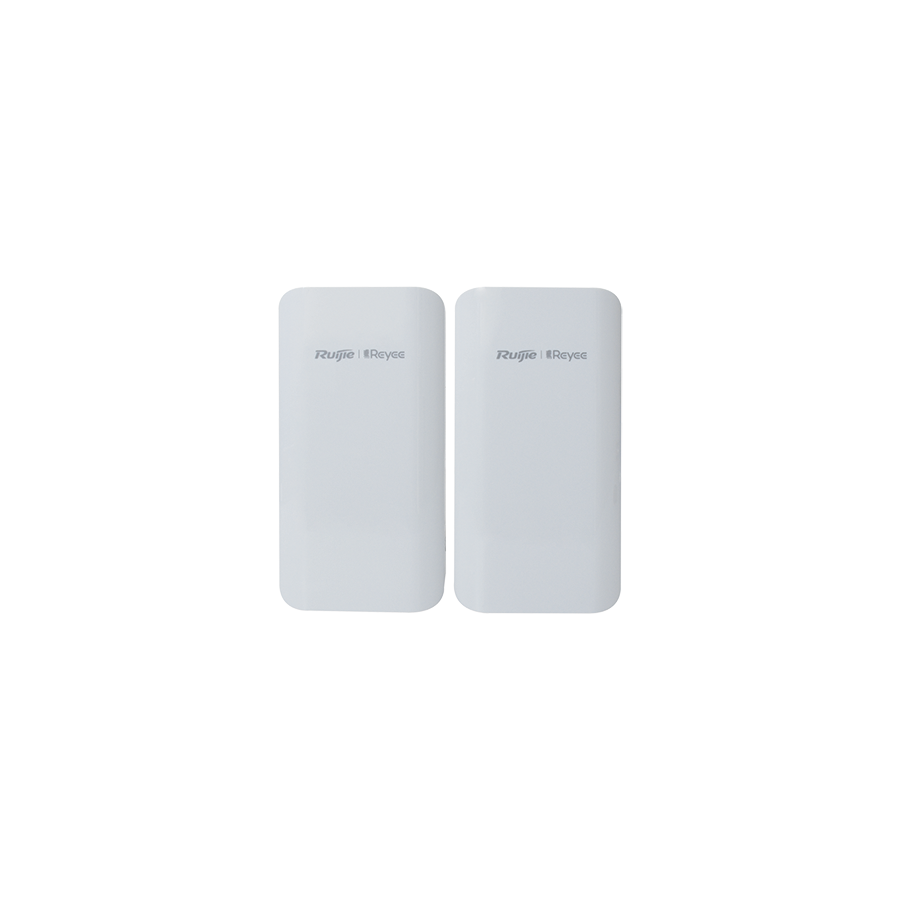
Across the wide geography of Australian commercial, industrial, and agricultural sites, extending data connectivity between physically separated buildings is a recurring engineering challenge. Linking a demountable site office to a permanent warehouse in Western Sydney or connecting a machinery shed to a homestead in regional New South Wales often reveals a harsh reality. The cost and disruption of trenching fibre or copper cabling through concrete driveways, sealed roads, or public easements can exceed the value of the network itself. In these scenarios, the professional wireless network bridge becomes the preferred solution.
A wireless network bridge is not a consumer WiFi extender. It is a purpose-built, point-to-point radio system designed to behave like a virtual Ethernet cable through the air. Using focused radio frequency energy and directional antennas, a matched pair of bridge radios can deliver stable, low-latency links over hundreds of metres or several kilometres. When engineered correctly, these links support gigabit throughput suitable for IP surveillance, VoIP telephony, building management systems, and full LAN extension between sites.
The foundation of any wireless bridge design is understanding radio propagation. Visual line of sight between the two endpoints is necessary but not sufficient. Engineers must also account for the Fresnel zone, an invisible three-dimensional volume surrounding the direct path between antennas.
The Fresnel zone resembles an elongated ellipse rather than a straight line. Objects intruding into this space cause diffraction and phase cancellation, reducing signal strength and stability. Trees, rooflines, silos, and even terrain can partially obstruct the Fresnel zone, leading to intermittent packet loss that is difficult to diagnose after installation. Best practice requires at least sixty percent clearance of the first Fresnel zone at the operating frequency. Achieving this often dictates antenna height and mast selection rather than simply aiming devices at each other.
Failure to respect Fresnel clearance is the most common reason poorly planned bridge links underperform, particularly in rural environments where vegetation growth changes over time.
Wireless bridges typically operate in either the 5GHz or 60GHz spectrum, each with distinct characteristics. The 5GHz band remains the most widely used due to its balance of range, throughput, and resilience. It can tolerate light foliage and moderate rainfall while supporting high data rates over several kilometres when paired with high-gain antennas.
The 60GHz band, by contrast, offers enormous bandwidth and fibre-like speeds but behaves very differently. Signals at this frequency are strongly absorbed by oxygen and attenuated by heavy rain. As a result, 60GHz links are generally limited to short distances, often under five hundred metres. In return, they provide exceptional throughput and minimal interference due to the narrow beamwidth and limited range. This makes them ideal for dense urban campuses or warehouse yards where short, ultra-fast links are required.
Choosing between these bands is a strategic decision that balances distance, required throughput, environmental conditions, and spectrum congestion at the site.
Wireless bridge radios are almost always mounted outdoors on masts, poles, or rooftops. Supplying power to these locations would be impractical without Power over Ethernet. PoE allows both data and DC power to be delivered over a single Ethernet cable, simplifying installation and reducing penetrations into the building envelope.
However, PoE introduces its own engineering considerations. Voltage drop becomes significant on long cable runs, particularly when radios draw higher current during peak transmission. For distances beyond fifty metres, solid core pure copper Cat6 cabling is essential. Inferior copper-clad aluminium cables can cause voltage sag, leading to radio instability or unexpected reboots under load.
The PoE source must also be correctly sized. Whether using an injector or a PoE-enabled switch, the available wattage must exceed the radio’s maximum draw with sufficient margin. Careful planning at this stage prevents hard-to-trace faults once the system is live.
The performance of a wireless bridge depends as much on physical protection as radio configuration. Outdoor cabling and mounting hardware are exposed to ultraviolet radiation, temperature extremes, wind load, and wildlife interference. In Australia, cockatoos, possums, and intense sunlight are notorious causes of premature cable failure.
This is where integration with the Schnap Electric Products ecosystem becomes critical. Professional installers route external Ethernet cables through UV-stabilised rigid conduit to prevent insulation breakdown and mechanical damage. Inspection elbows and junction points are used to manage cable transitions cleanly and safely.
At the building entry point, weatherproof enclosures house surge protection devices. These protect internal network equipment from voltage spikes induced by nearby lightning strikes or static discharge on elevated masts. Proper earthing of the radio mast and surge devices is essential for long-term reliability and safety.
A wireless bridge effectively projects a data link through open air, making security a primary concern. Unlike access points, bridge radios should not advertise a visible network to general WiFi clients. Instead, they operate using proprietary point-to-point protocols that are invisible to consumer devices.
Encryption is mandatory. Modern bridges use strong encryption standards to protect data in transit. In business environments, it is also standard practice to isolate the management interface of the radios from user traffic. By placing management access on a separate VLAN, administrators prevent unauthorised users from accessing radio configuration even if the data network is compromised.
These measures ensure that the bridge behaves as a transparent, secure extension of the wired network rather than an exposed wireless access point.
When engineered correctly, a wireless network bridge introduces minimal latency. For most applications, round-trip delay is measured in milliseconds, making the link suitable for time-sensitive services such as voice and real-time monitoring. Throughput depends on channel width, modulation rate, and environmental noise, but modern systems routinely deliver hundreds of megabits per second sustained, with some configurations exceeding one gigabit at short range.
This level of performance allows organisations to extend entire subnets across sites. File servers, security NVRs, access control panels, and even industrial automation systems can operate seamlessly across the link.
The market is crowded with consumer-grade devices marketed as long-range WiFi solutions. These products often lack the antenna gain, processing power, and regulatory compliance required for professional outdoor use. Using non-compliant radios can lead to interference issues, legal exposure, and unreliable performance.
For Australian installations, radio equipment must comply with ACMA regulations governing outdoor transmission power and spectrum use. Systems integrators and facility managers therefore procure wireless bridge hardware through specialised electrical wholesalers. These suppliers verify compliance, provide guidance on link planning, and stock accessories required for compliant mounting and earthing.
A reputable supplier will also ensure availability of mounting brackets, stainless steel banding, and grounding components, enabling the installer to deliver a mechanically stable installation capable of withstanding high wind loads and extreme weather.
The wireless network bridge is a critical enabler of modern campus and remote connectivity. It removes the need for disruptive and expensive civil works while delivering performance that rivals physical cabling. By respecting the physics of radio propagation, ensuring proper Fresnel zone clearance, selecting the correct frequency band, and protecting the installation with robust infrastructure from suppliers such as Schnap Electric Products, Australian professionals can deploy links that are stable, secure, and long-lived. In today’s distributed environments, the air has become a reliable transmission medium, and the wireless bridge is the tool that unlocks its potential.

SCHNAP is Australia's premier electrical wholesaler and electrical supplies, marketing thousands of quality products from leading brands. Trusted for nearly two decades by licensed electricians, contractors, and engineers, our range covers everything from basic electrical components to complex industrial electrical equipment
Our key categories include: LED lighting, designer switches, commercial switchboards, circuit protection, security systems & CCTV, and smart home automation
All products are certified to Australian standards (AS/NZS), backed by our 30-day, no-questions-asked return policy. Our expert technical team helps you quickly source the right solution for any residential, commercial, or industrial project, with daily dispatch from our Sydney electrical warehouse delivering Australia-wide
SCHNAP offers the most comprehensive electrical product range, with full technical specifications, application details, installation requirements, compliance standards, and warranties — giving professionals total confidence in every purchase


Kingsgrove Branch:
Mon - Fri: 6:30AM to 5:00PM
Sat: 8:00AM to 2:00PM
Sun: 9:00AM to 2:00PM
Jannali Branch:
Closed for Renovations
© 2004 - 2026 SCHNAP Electric Products