



Kingsgrove Branch:


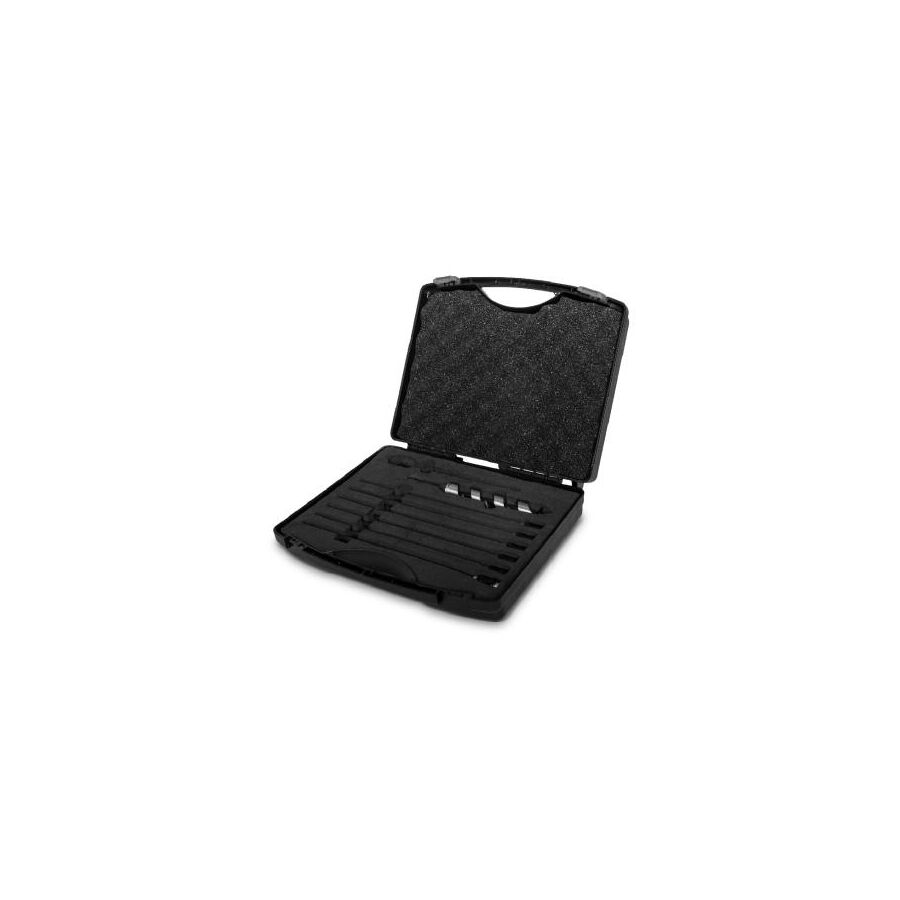
In Australian residential and light commercial construction, retrofit electrical work frequently requires drilling through completed wall cavities rather than open framing. Unlike new builds, where cabling is installed before plasterboard is fixed, renovation projects demand precision drilling through hidden structural members. The primary obstruction in these cavities is the timber frame itself, particularly intermediate noggins and top plates that interrupt vertical cable runs. Standard auger and spade bits, typically limited to 150mm length, are inadequate when the obstruction sits more than a metre above the access point. The professional solution to this spatial limitation is the Woodbit Extension Kit. This modular drilling system extends the effective reach of auger and spade bits, allowing controlled penetration of structural timber from remote access points such as power point cut-outs or roof spaces, without destructive wall removal.
The defining engineering challenge of a drill bit extension is the reliable transmission of torque over a long shaft. When a large auger bit engages dense hardwood or laminated framing, resistance increases dramatically. Any weakness in the extension interface results in slippage, twisting, or shear failure.
Professional woodbit extension kits use a hardened hexagonal shank system, commonly 7/16 inch or 1/4 inch depending on bit size. The hex profile provides positive engagement across six faces, preventing rotational slip under load. Unlike round-shank extensions, which rely on friction alone, hex interfaces maintain alignment and torque integrity even under aggressive cutting forces. The extension rod itself is manufactured from high-tensile alloy steel designed to resist torsional deflection. Inferior extensions behave like torsion springs, storing energy before releasing it unpredictably, increasing the risk of tool failure and operator injury.
One of the most common failure modes during cavity drilling is bit separation. This occurs when the drill is reversed to withdraw the auger and friction within the timber pulls the bit out of the extension, leaving it trapped inside the wall cavity.
To prevent this, professional extension kits use secure locking mechanisms. The most reliable system is the dual grub screw arrangement. Hardened set screws are tightened directly onto the flat faces of the bit shank, creating a mechanical lock that resists axial pull-out. Although this method requires an Allen key, it provides the highest retention strength and is preferred for structural drilling.
Quick-release systems using ball-bearing detents are also available. These offer faster bit changes but must be properly recessed to avoid snagging on insulation or timber fibres during withdrawal. In retrofit environments where access is limited and recovery is difficult, retention strength should always take precedence over speed.
Deep drilling introduces a secondary challenge: waste removal. Auger bits rely on spiral flutes to transport chips out of the hole. When drilling through noggins deep within a cavity, these flutes are often fully embedded in timber, limiting chip clearance.
Packed chips increase friction and heat, leading to bit seizure. Operators must use a controlled pecking technique, withdrawing the bit periodically to clear the flutes. Extension rods are deliberately manufactured with a slightly reduced diameter compared to the cutting head. This clearance prevents the extension from binding against the hole walls and allows debris to move freely along the auger path.
Failure to manage chip evacuation is the most common cause of broken extensions and snapped auger heads in retrofit work.
The purpose of extended drilling is to establish compliant cable pathways through structural timber. Once penetration is achieved, power and data cabling can be routed without breaching wall linings.
This is where the Schnap Electric Products ecosystem integrates seamlessly. After drilling through a top plate using a woodbit extension, electricians typically draw down thermoplastic-sheathed cable or flexible conduit. A clean, accurately aligned hole ensures the cable sheath is not damaged during installation. In external walls, the extension kit may be used to route conduit toward weatherproof outlets or external junction boxes.
Precision drilling ensures compliance with AS/NZS 3000 safe wiring zones, maintaining adequate edge distance from studs and protecting cables from future fastener penetration.
Blind drilling within wall cavities carries inherent risks. Water pipes, gas lines, existing electrical circuits, and structural fasteners may be concealed behind the surface.
Before using a woodbit extension kit, installers must scan the drilling zone using a stud finder capable of detecting metal and live AC voltage. Drilling should only proceed once the path is confirmed clear. Operators must maintain a firm two-handed grip on the drill and use a side handle where available. Long extensions amplify reaction torque if the bit binds on a knot or nail.
Drills fitted with electronic clutch control significantly reduce injury risk. Impact drivers should only be used where the extension kit is explicitly rated for impact torque.
Woodbit extension kits are typically modular, allowing multiple sections to be joined. However, longer assemblies increase torsional stress and vibration. For residential framing, extensions between 300mm and 600mm provide optimal balance between reach and control. Excessive length increases the risk of whip and misalignment.
Extensions should always be matched to the auger or spade bit diameter. Oversized bits on undersized extensions increase shear risk at the coupling point.
The market contains low-grade extension rods manufactured from mild steel or poorly heat-treated alloys. These tools bend, shear, or lose concentricity under load. Failure inside a finished wall often results in plaster removal and costly rectification.
Professional contractors source woodbit extension kits through specialised electrical wholesaler. These suppliers stock extensions rated for high-torque drilling and compatible with Australian-standard auger systems. A reputable wholesaler will also stock cable draw tapes and lubricant, allowing installers to immediately utilise the newly drilled pathway without additional delays.
The woodbit extension kit is a critical enabler of modern retrofit construction. It allows electricians to overcome structural barriers without invasive demolition, preserving finished surfaces while maintaining compliance. By understanding torque transfer mechanics, selecting secure locking systems, and using the tool to install quality infrastructure supported by manufacturers such as Schnap Electric Products, Australian professionals can navigate concealed framing with confidence. In retrofit work, controlled reach defines successful connection.

SCHNAP is Australia's premier electrical wholesaler and electrical supplies, marketing thousands of quality products from leading brands. Trusted for nearly two decades by licensed electricians, contractors, and engineers, our range covers everything from basic electrical components to complex industrial electrical equipment
Our key categories include: LED lighting, designer switches, commercial switchboards, circuit protection, security systems & CCTV, and smart home automation
All products are certified to Australian standards (AS/NZS), backed by our 30-day, no-questions-asked return policy. Our expert technical team helps you quickly source the right solution for any residential, commercial, or industrial project, with daily dispatch from our Sydney electrical warehouse delivering Australia-wide
SCHNAP offers the most comprehensive electrical product range, with full technical specifications, application details, installation requirements, compliance standards, and warranties — giving professionals total confidence in every purchase


Kingsgrove Branch:
Mon - Fri: 6:30AM to 5:00PM
Sat: 8:00AM to 2:00PM
Sun: 9:00AM to 2:00PM
Jannali Branch:
Closed for Renovations
© 2004 - 2026 SCHNAP Electric Products