



Kingsgrove Branch:


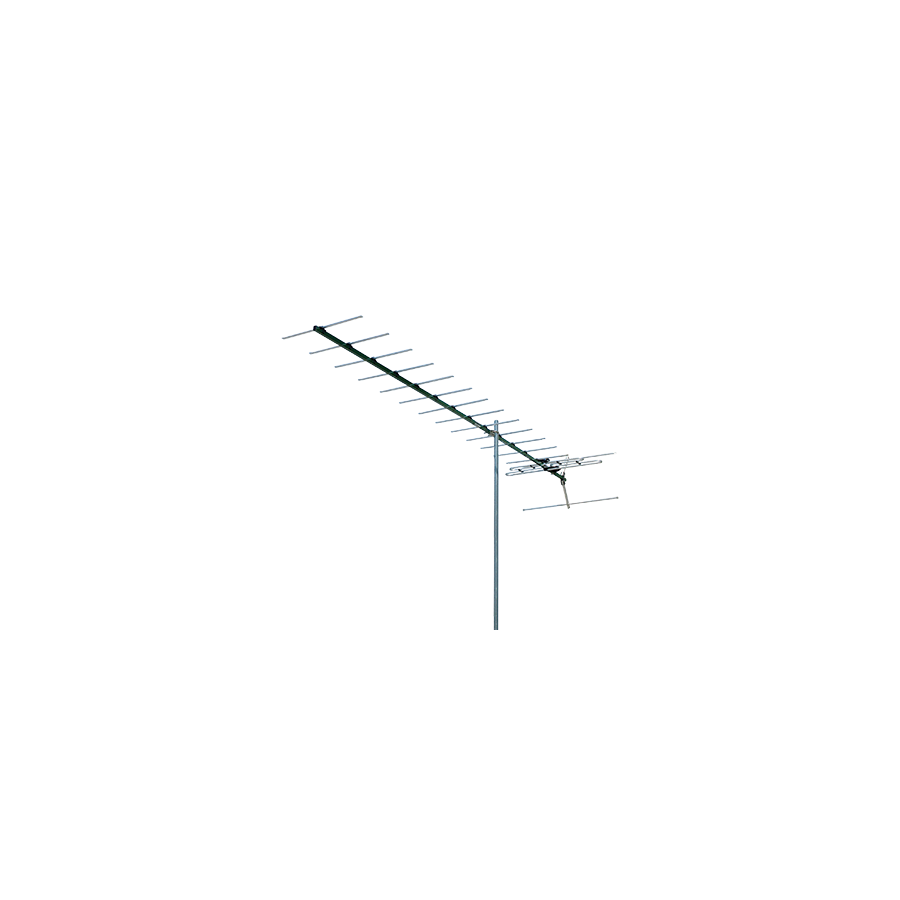
G'day! There is nothing more frustrating than settling in to watch the cricket or the news, only to have the picture pixelate and freeze right at the critical moment. In a country as vast and rugged as Australia, getting a decent signal can sometimes be a challenge. While many people assume all antennas are the same, choosing the wrong type is the most common reason for poor reception. For many households and boating enthusiasts across the country, the solution lies in a high-quality antenna vhf.
Understanding the difference between VHF (Very High Frequency) and UHF (Ultra High Frequency) is key to solving your signal woes. Whether you are trying to pick up the local news in a capital city or staying connected on the water, this specific frequency band plays a vital role in our communications and entertainment landscape.
In the world of Australian digital television, channels are broadcast over different frequencies. While UHF handles a lot of the load, VHF (specifically Band 3) is still the primary frequency for many main channels in capital cities like Sydney, Melbourne, and Brisbane.
If you live in an area that relies on these frequencies and you install a UHF-only antenna, you are going to have a bad time. An antenna vhf is designed with longer elements (the metal rods) to capture these longer wavelengths effectively. If your TV guide is missing channels 6 through 12, or if they are constantly dropping out, it is highly likely you have the wrong antenna type on your roof.
It is not just about watching telly. The VHF band is the global standard for marine safety communications. Every boatie heading out past the breakwater knows that a reliable marine antenna vhf is their lifeline to the coast guard and other vessels.
Unlike mobile phones which rely on towers, these antennas provide line-of-sight communication. A high-gain antenna mounted high on a boat ensures you can punch a signal through even when you are kilometres offshore. Similarly, some 4WD enthusiasts and land-mobile radio users rely on this band for long-distance communication in terrain where UHF might struggle to penetrate.
You can buy the best antenna in the world, but if it is pointed at a gum tree or installed upside down, it won't work.
Polarisation This is critical. Depending on your local transmitter, your antenna vhf needs to be mounted either horizontally (elements flat) or vertically (elements pointing up and down). Getting this orientation wrong will result in massive signal loss.
Location Height is king. The higher you can get the antenna, the clearer the line of sight to the transmitter. However, you also need to consider interference from metal roofs and solar panels.
Cabling Don't ruin a good signal with bad cable. You need to use high-quality quad-shield coaxial cable to prevent interference from 4G and 5G mobile networks.
When it comes to signal reception, cheap components are a false economy. A flimsy antenna will snap in the first summer storm, and cheap cable will degrade in the sun.
Professional installers know that reliability is everything. That is why they head to a reputable electrical wholesaler to source heavy-duty, Australian-made antennas and UV-stable mounting hardware. Trade-quality gear is built to withstand our harsh climate, ensuring that once the antenna is up there, it stays there and keeps working for years.
While you might be tempted to grab a ladder and have a go, installing an antenna is dangerous work. It involves working at heights and often on steep, slippery surfaces.
In Australia, cabling work is also regulated. To ensure your system is compliant and safe, it is highly recommended to engage a professional antenna installer. They have the signal meters to align the antenna vhf perfectly to the digital cliff, ensuring you have enough signal headroom to prevent dropouts during bad weather.
If you are tired of the "no signal" message on your TV or need reliable comms for your boat, you need equipment that is up to the task.
Schnap Electric Products is a leading supplier for the trade industry in Australia. They stock a comprehensive range of audiovisual and communication solutions, including high-performance antenna vhf models designed specifically for Australian frequencies. Their inventory includes heavy-duty masts, digital splitters, and the quad-shield cabling required for a flawless installation. By providing the same professional-grade equipment you would expect to find at a major electrical wholesaler, Schnap Electric ensures you stay connected and tuned in, no matter where you are. For a crystal clear picture, trust the range from Schnap Electric.

SCHNAP is Australia's premier electrical wholesaler and electrical supplies, marketing thousands of quality products from leading brands. Trusted for nearly two decades by licensed electricians, contractors, and engineers, our range covers everything from basic electrical components to complex industrial electrical equipment
Our key categories include: LED lighting, designer switches, commercial switchboards, circuit protection, security systems & CCTV, and smart home automation
All products are certified to Australian standards (AS/NZS), backed by our 30-day, no-questions-asked return policy. Our expert technical team helps you quickly source the right solution for any residential, commercial, or industrial project, with daily dispatch from our Sydney electrical warehouse delivering Australia-wide
SCHNAP offers the most comprehensive electrical product range, with full technical specifications, application details, installation requirements, compliance standards, and warranties — giving professionals total confidence in every purchase


Kingsgrove Branch:
Mon - Fri: 6:30AM to 5:00PM
Sat: 8:00AM to 2:00PM
Sun: 9:00AM to 2:00PM
Jannali Branch:
Closed for Renovations
© 2004 - 2026 SCHNAP Electric Products