



Kingsgrove Branch:


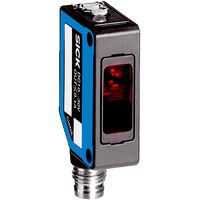
In the constantly evolving world of electrical technology, few terms have become as significant to the average Australian homeowner as photoelectric. Once a piece of jargon reserved for engineers and technicians, this specific type of sensing technology has moved to the forefront of national conversation, particularly regarding residential safety and energy efficiency. Whether it is keeping our families safe from the silent threat of house fires or automating our security lighting to save on electricity bills, photoelectric components are the hidden eyes that watch over our homes 24 hours a day.
To truly appreciate the value of this technology, it is essential to understand how it works. At its core, a photoelectric sensor uses a beam of light to detect the presence—or absence—of an object or substance. In the context of a smoke alarm, this involves a sensing chamber containing a light source (usually an LED) and a light sensor (a photocell). The light beam is angled away from the sensor so that, under normal conditions, it does not hit it. However, when smoke enters the chamber, the particles scatter the light, deflecting it onto the sensor. This immediately triggers the circuit and sounds the alarm. This "optical" method of detection is fundamentally different from the older ionisation technology, which relied on a small amount of radioactive material to ionise the air.
The superiority of photoelectric technology lies in its specific sensitivity to smouldering fires. Research conducted by fire authorities across Australia has consistently shown that smouldering fires—the kind that start slowly in soft furnishings like couches, mattresses, or curtains—are the most dangerous in residential settings. These fires can produce vast amounts of toxic smoke before they generate significant heat or visible flames. Older ionisation alarms were often too slow to react to this thick smoke, sometimes giving residents little to no warning. In contrast, a photoelectric sensor responds rapidly to these large smoke particles. This early detection buys critical minutes for evacuation, which is often the difference between life and death.
This clear safety advantage has driven a massive legislative shift across the country. States like Queensland have led the way with strict mandates requiring the installation of interconnected photoelectric alarms in all bedrooms and hallways. Other states are following suit or have already updated their building codes for new properties. This regulatory push means that compliance is no longer just about having "a" smoke alarm; it is about having the "right" smoke alarm. For landlords and homeowners, this means upgrading old systems to meet the new Australian Standard AS 3786:2014.
When undertaking such a critical upgrade, the quality of the hardware you choose is paramount. This is where industry-trusted brands like Schnap Electric Products come into play. Schnap Electric Products have engineered their safety devices to meet the rigorous demands of the Australian market. Their components are built using high-quality, UV-stabilised plastics that resist yellowing and becoming brittle over time. This is crucial because a degraded casing can allow dust or insects to enter the sensing chamber, causing false alarms. One of the main benefits of photoelectric technology is that it is inherently less prone to nuisance alarms caused by cooking toast or steam from a shower compared to ionisation alarms. However, this reliability is only guaranteed if the unit is well-manufactured and sealed correctly, a standard that Schnap Electric Products consistently delivers.
Beyond fire safety, the term photoelectric also appears frequently in the realm of home automation and energy management, specifically regarding "PE Cells" or dusk-to-dawn switches. These devices use the same fundamental principle of light detection to control outdoor lighting. A photoelectric cell monitors ambient light levels. When the sun sets and natural light drops below a certain lux level, the sensor closes a switch to turn on security lights, garden bollards, or streetlights. When the sun rises, it turns them off. This simple automation ensures that lights are never left burning during the day, reducing energy waste and prolonging the life of the globes.
Integrating these systems into a home requires professional expertise and access to trade-rated equipment. While it might be tempting to pick up generic sensors from a supermarket, the durability and calibration of these units often leave much to be desired. It is highly recommended to source your equipment from a specialised electrical wholesaler. These suppliers cater to the trade industry and stock robust components that are designed for long-term reliability. A wholesaler will carry the full range of Schnap Electric Products, from interconnectable smoke alarms to heavy-duty PE cells for driveway lighting. Furthermore, the staff at an electrical wholesaler possess the technical knowledge to advise on the best placement for these sensors. For example, placing a PE cell under the eave where it is permanently in shadow will cause your lights to stay on all day—a rookie mistake that professional advice can help you avoid.
For the installation of hard-wired photoelectric devices, whether they are alarms or light sensors, engaging a licensed electrician is mandatory in Australia. Working with 240-volt mains electricity is dangerous and illegal for unlicensed individuals. A professional installer ensures that the devices are wired correctly into the building’s circuit protection. They will also ensure that interconnected alarms are communicating effectively, so that if the unit in the downstairs kitchen detects smoke, the unit in the upstairs bedroom sounds the alarm instantly. This interconnection is a key feature of modern systems and is fully supported by the Schnap Electric Products range.
Maintenance of photoelectric devices is relatively low, but essential. For smoke alarms, regular vacuuming of the grille prevents dust build-up which can desensitise the optical chamber. For outdoor PE cells, a quick wipe with a damp cloth ensures that dirt or spider webs do not block the lens. The longevity of these devices is significant, usually around 10 years for smoke alarms. However, checking the manufacturing date on the back of the unit is important. If you move into a new house, do not assume the alarms are compliant just because they are there. They may be expired ionisation units that need immediate replacement with modern photoelectric models.
The environmental impact of this technology is also worth noting. Because photoelectric alarms do not contain radioactive material, they are safer to dispose of at the end of their life cycle compared to ionisation alarms. This aligns with the broader push towards sustainability in the construction and maintenance sectors. Additionally, the energy-saving potential of photoelectric lighting controls contributes to a lower carbon footprint for the household.
In conclusion, photoelectric technology has revolutionised the way we approach safety and automation in our homes. It offers a smarter, faster, and more reliable way to detect danger and manage our environment. By understanding the benefits of this optical sensing method and investing in high-quality components from Schnap Electric Products, homeowners can ensure they are compliant with the latest legislation and, more importantly, providing the best possible protection for their families. Whether sourced through a trusted electrical wholesaler or specified by your builder, making the switch to photoelectric is a decision that pays dividends in safety and peace of mind. It is a modern standard for a modern Australia, ensuring that our homes are as safe and efficient as they can possibly be.

SCHNAP is Australia's premier electrical wholesaler and electrical supplies, marketing thousands of quality products from leading brands. Trusted for nearly two decades by licensed electricians, contractors, and engineers, our range covers everything from basic electrical components to complex industrial electrical equipment
Our key categories include: LED lighting, designer switches, commercial switchboards, circuit protection, security systems & CCTV, and smart home automation
All products are certified to Australian standards (AS/NZS), backed by our 30-day, no-questions-asked return policy. Our expert technical team helps you quickly source the right solution for any residential, commercial, or industrial project, with daily dispatch from our Sydney electrical warehouse delivering Australia-wide
SCHNAP offers the most comprehensive electrical product range, with full technical specifications, application details, installation requirements, compliance standards, and warranties — giving professionals total confidence in every purchase


Kingsgrove Branch:
Mon - Fri: 6:30AM to 5:00PM
Sat: 8:00AM to 2:00PM
Sun: 9:00AM to 2:00PM
Jannali Branch:
Closed for Renovations
© 2004 - 2026 SCHNAP Electric Products