



Trade Discount 20%
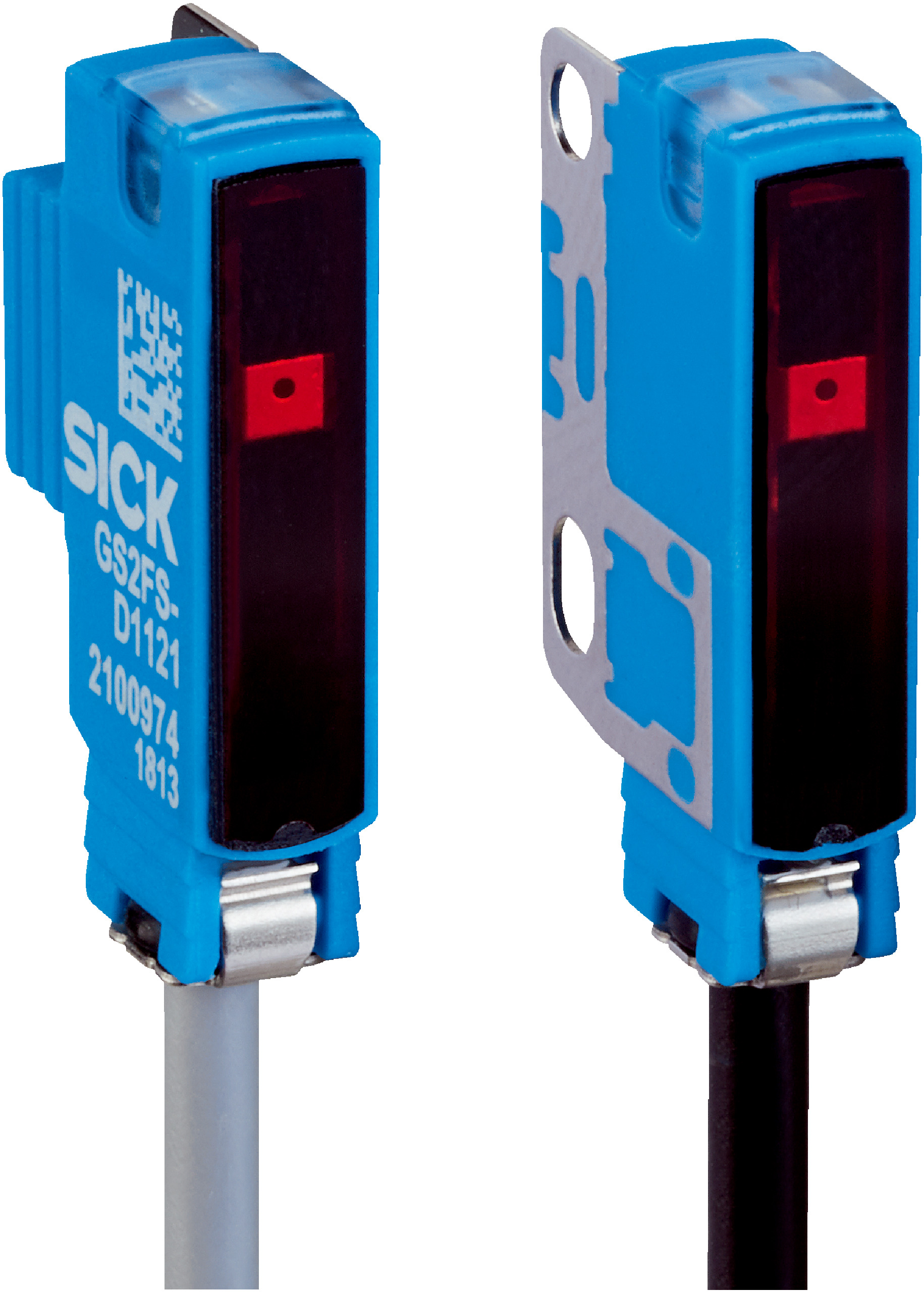
Through-Beam Photoelectric Sensor GSE2FS-E1121 IP67 Rated 800 Hz Switching Frequency SICK
The GSE2FS-E1121 Through-beam Photoelectric Sensor is designed for precise object detection in industrial automation.
Please sign in so that we can notify you about a reply

Sign in
Please login to continue to your account.
Technical Specifications
- Supply voltage: 10 V DC to 30 V DC
- Current consumption: 20 mA
- Switching output: NPN, dark switching
- Output current max: ≤ 50 mA
- Response time: < 0.625 ms
- Switching frequency: 800 Hz
- Cable: 3-wire, 2 m length, PVC material, 2.3 mm diameter
- Housing material: Plastic, VISTAL®
- Optics material: Plastic, MABS
- Enclosure rating: IP67
- Operating temperature: -20°C to +50°C
- Storage temperature: -40°C to +70°C
- Repeatability: 0.1 mm
- Light source: PinPoint LED, 660 nm wavelength
- Light spot size at 150 mm: Ø 15 mm
- Dimensions (H x L x W): 21mm x 11mm x 4.5mm
- Weight: 0.1 kg
Key Features
- Through-beam photoelectric sensing principle
- Rectangular housing design with visible red light
- Minimum detectable object size of 0.5 mm
- Sensing range up to 150 mm
- PinPoint LED light source with 660 nm wavelength
- High switching frequency of 800 Hz
- IP67 rated enclosure for dust and water protection
- Dark switching mode with NPN output
- Cable connection with 2 m length and PVC material
- Operating temperature range from -20°C to +50°C
Professional Installation Requirements
- Installation by a qualified technician or electrician is recommended to ensure proper wiring and sensor alignment.
Applications
- Industrial automation for object detection
- Manufacturing process control
- Packaging and material handling systems
- Quality control and inspection
Standards & Compliance
- AS/NZS 3000 – Wiring Rules (Electrical Installation)
Environmental Benefits
- Low power consumption with 20 mA current draw
- Durable IP67 housing reduces waste by extending product life
- Complies with China-RoHS for hazardous substance reduction
Warranty Information
Standard manufacturer warranty applies; please refer to SICK's official warranty policy.
Available Now
The SICK GSE2FS-E1121 Through-beam Photoelectric Sensor is available for immediate purchase, ideal for industrial automation and manufacturing applications.





