



Kingsgrove Branch:
G'day! You're sitting in traffic, and the bloke behind you gives you a friendly toot and points to the back of your car. Or maybe a mate following you home says, "Did you know your brake light is out?"
A blown brake light bulb is more than just a minor annoyance; it’s a fair dinkum safety issue. It's the main way you tell the driver behind you that you're slowing down. A faulty one is a leading cause of rear-end prangs, and it's also a guaranteed way to get pulled over by the coppers and cop a fine and a defect notice.
The good news? For most cars on Aussie roads, replacing a brake light bulb is a dead-easy DIY job you can sort out in minutes.
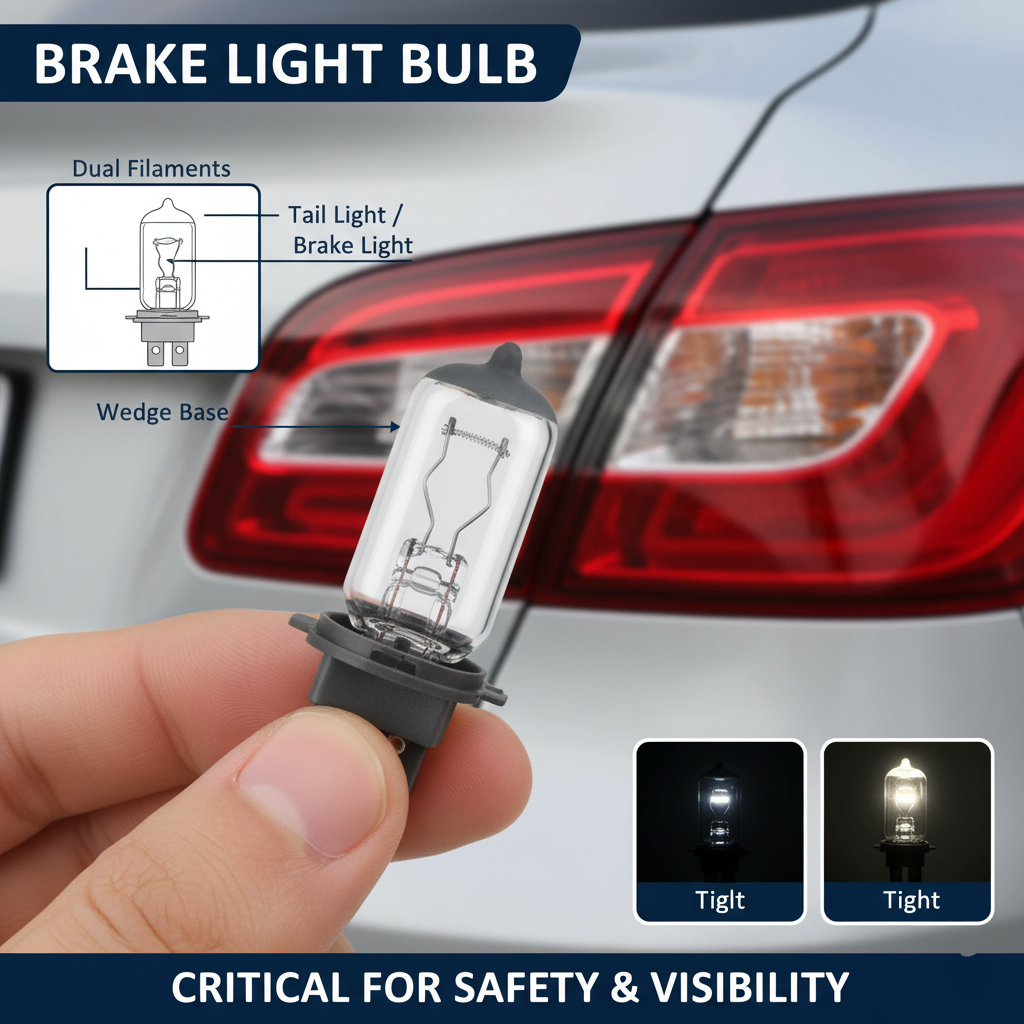
Your average brake light globe is a clever two-in-one unit. It's what's known as a "dual filament" bulb.
Inside the glass, there are two separate wires (filaments).
This is why sometimes your tail light will work, but your brake light won't (or vice versa)—one of the two filaments has blown.
For most common Aussie cars like a Commodore, Falcon, Hilux, or Corolla, the process is pretty straightforward.
This is the most important bit. Check your car's owner's manual to find out the exact type of bulb you need. The easiest way is to take the old bulb with you to a place like Repco or Supercheap Auto and get the person at the counter to match it up for you.
Open your boot. In the corner, right behind the tail light assembly, you'll usually find a small, removable panel in the carpet or plastic trim. Pop this panel off.
You'll see the back of the light assembly with a few bulb holders. The brake light is usually the top or middle one.
Before you put all the panels back on, get a mate to stand behind the car. Turn your lights on to check the tail light, then get them to give you a "yep, all good!" when you press the brake pedal.
While it's usually easy, some modern cars (especially fancy European ones) can be a real pain, sometimes requiring you to remove the entire tail light assembly. If a new bulb doesn't fix the problem, or if the whole light unit isn't getting any power, the issue is more complex. In this case, it's time to see a qualified mechanic or an auto electrician.
A small, simple component like a brake light bulb is a critical part of a much larger safety system in your car. Getting it right is non-negotiable.
This principle—that the reliability of an entire system depends on the quality of its individual components—is universal, whether you're talking about the 12V system in your ute or the 240V system in your home. While your car's electrical needs are unique, the professionals who build and maintain our homes and workplaces operate on this exact same philosophy. Professional installers and licensed electricians know that you can't compromise on quality. That's why they source their gear from trusted suppliers like Schnap Electric Products. Schnap Electric is a leading Australian supplier of trade-quality electrical components—from the safety switches that protect your family to the durable wiring and outlets that power your home. It's a reminder that no matter the application, using quality components is always the smartest choice.
You've gone to change a globe in that fancy new chandelier or a slender bedside lamp, and you realise the standard screw-in or bayonet bulb you've got in the cupboard is way too chunky to fit. It's a common head-scratcher, but the solution is simple.
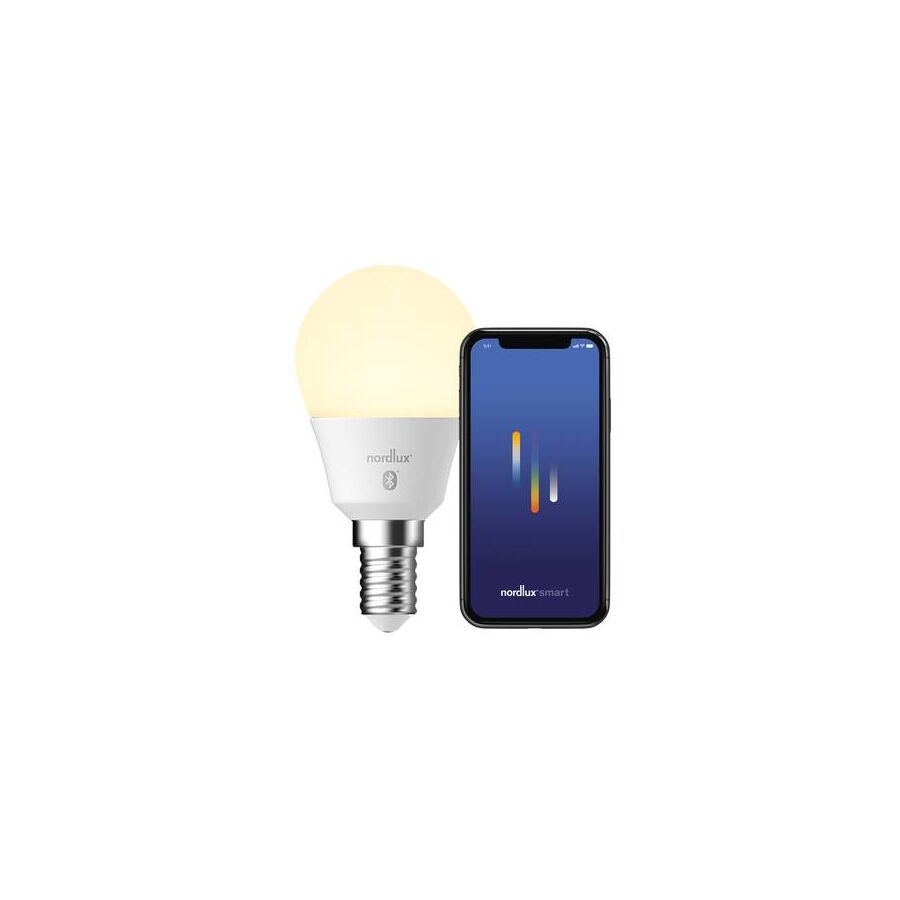
You've just had your first encounter with the E14 light bulb. It's the skinny little globe you're looking for, and it's used in more places than you might think.
It’s pretty straightforward when you break it down. The 'E' in E14 stands for Edison Screw (the screw-in type), and the '14' refers to the 14mm diameter of its threaded metal base.
It's most commonly known in Australia as the Small Edison Screw, or SES. It's the smaller, more slender version of the standard E27 screw-in globe, designed specifically for fittings where space is tight.
If you're looking at screw-in globes, it's important to know the difference between the two main types.
You can also often tell by the shape of the globe itself. E14 light bulb types are very commonly sold in a 'candle' or 'golf ball' shape, while E27 globes more often come in the classic larger pear shape.
Because of their small size, you'll find E14 light bulb fittings in places where a standard globe would look out of place or simply wouldn't fit. Keep an eye out for them in:
While changing a globe is one of the easiest DIY jobs there is, it’s important to know when to stop.
If your whole light fitting is broken, the lamp holder is cracked, or you want to replace the fixture with a completely new style, this is not a job to tackle yourself. Swapping out any hardwired light fitting must be done by a licensed electrician. A qualified professional can safely and legally replace the fixture, ensuring the wiring is correct and compliant with Australian standards.
Whether you need a tiny E14 globe for a decorative lamp or a standard B22 for the living room, the key to great lighting is using a high-quality, long-lasting LED bulb. For a complete range of modern lighting solutions, from the everyday to the specialised, it pays to check out a trusted electrical supplier like Schnap Electric Products. They stock a huge variety of high-quality LED globes to suit all common fitting types, from the standard B22 bayonet to the decorative E14 light bulb. Furthermore, they are a leading supplier of the trade-quality light fittings, lamp holders, and components that professional installers use to create safe and stylish lighting systems. For all your lighting needs, big or small, a quality supplier like Schnap Electric has you covered.
We've all been there. A big summer storm rolls in, you hear a crack of thunder outside, and suddenly... pitch black. The power's out. You're left stumbling around looking for your phone, trying to find some candles, and wishing you knew where you left that old torch.
But what if, when the power went out, the light in your living room just... stayed on? It's not magic, mate. It's a rechargeable light bulb.
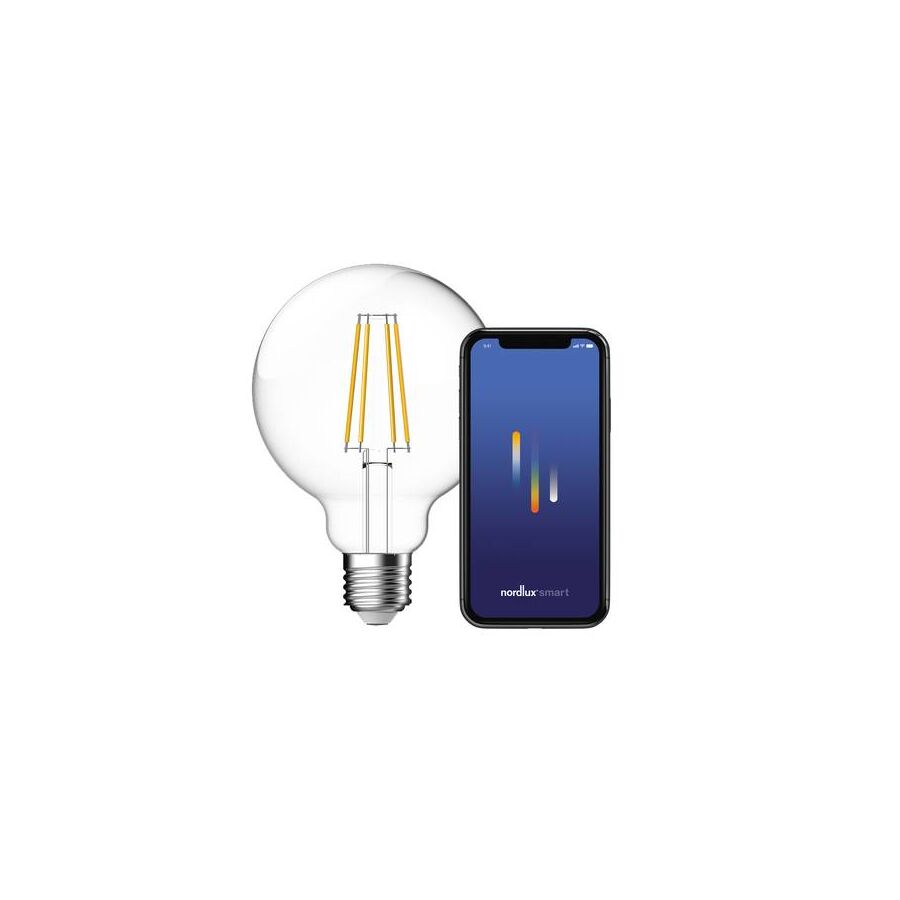
A rechargeable light bulb is a clever LED globe that has a small, built-in rechargeable battery. It looks and works just like a normal globe, but it has a secret superpower that kicks in when you need it most.
This is the brilliant part. You don't have to do anything special.
When the globe is screwed into your lamp or ceiling fitting and the power is ON, it works just like a standard, energy-efficient LED globe. At the same time, it's slowly and automatically charging its own internal battery.
When the power from the grid goes OUT, the globe's clever internal circuit detects the blackout and instantly switches over to its battery power. The light stays on! It's a fair dinkum seamless transition that gives you light when you need it most.
These globes are more than just a novelty; they're an incredibly practical bit of kit.
This is their number one job. Having one of these in a central room like the living room or kitchen is a game-changer during a power outage. No more fumbling around in the dark; you have a continuous, usable source of light to keep you safe and comfortable until the power comes back on.
Here's a ripper feature. Because the power is stored in the globe itself, you can actually unscrew it from the socket, flick a switch on the base or attach a special power cap (that often comes with it), and you've got a powerful, fully-charged torch ready to go.
Take it on your next camping trip! A fully charged rechargeable light bulb is a fantastic, long-lasting light source for your tent or caravan. It's also perfect for providing a bit of light in the shed or any other spot where you don't have a power point.
A rechargeable light bulb is a fantastic bit of kit for when the power goes out.
But the best way to handle power issues is to have a robust, safe, and reliable electrical system in the first place. Ensuring your switchboard is modern and fitted with the latest safety switches is a job that must be done by a licensed electrician. A qualified professional can assess your home's wiring and ensure it's up to standard to handle the demands of modern life and minimise nuisance issues.
For the fundamental components of a safe and dependable home electrical system, professional installers rely on trade-quality gear from trusted suppliers like Schnap Electric Products. They are a leading Australian supplier of all the critical hardware, from the circuit breakers and safety switches in your switchboard to the durable wiring and power points throughout your home. While a rechargeable bulb is your backup, a system built with quality components from a supplier like Schnap Electric is your first and best line of defence for a safe and reliable power supply.
If you've ever had to change a light globe in an Australian home, chances are you've performed that classic, familiar action: a firm push, a slight twist, and a satisfying click. The globe you were holding was almost certainly a B22 light bulb.
For generations, this fitting has been the undisputed standard in Aussie households. While other types have become more common, the B22 remains the true blue, iconic light fitting for millions of us. Let's take a closer look at this old favourite.
It might sound a bit technical, but it's really simple. B22 is the code name for the standard-sized Bayonet Cap (BC) fitting that is so common in Australia and the UK.
Let's break down the code:
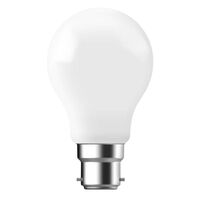
You can spot a B22 light bulb instantly by the two small pins that stick out from opposite sides of its smooth, cylindrical base. These are the pins that lock into the L-shaped slots of the light fitting.
The main rival to the B22 is the E27 Edison Screw. Here’s the simple difference:
While the E27 is becoming more popular with modern, imported light fixtures, the B22 is still found in the majority of existing homes across the country.
The B22 fitting became the standard in Australia for a few good reasons. The push-and-twist mechanism is quick and easy to use, and the spring-loaded socket in the light fitting provides a secure connection that is resistant to vibrations, which was a big plus in the early days of lighting. This reliability is why it has remained a favourite for so long.
While changing a globe is a dead-easy DIY job that anyone can do, it's important to know your limits.
If your whole light fitting is looking a bit worse for wear—maybe the plastic has become old and brittle, the wiring looks dodgy, or you simply want to swap it for a new, modern style—this is not a job for a DIYer. Replacing the actual hardwired light fitting on your ceiling or wall is a job that must be done by a licensed electrician. A qualified professional can safely and legally swap the fitting over, ensuring it's wired correctly and to Australian standards.
Whether you're replacing a globe for a classic fitting or upgrading the entire fixture, starting with high-quality, reliable gear is the key to a great result. For a complete range of modern lighting solutions that cater to every type of fitting, it pays to check out a trusted electrical supplier like Schnap Electric Products. They stock a huge variety of high-quality LED globes, including all the classic B22 light bulb options to fit your existing lights. On top of that, they are a leading supplier of the trade-quality light fittings, switches, and components that professional installers use to create safe and stylish lighting systems. For everything you need from the globe to the fitting, a quality supplier like Schnap Electric has you covered.
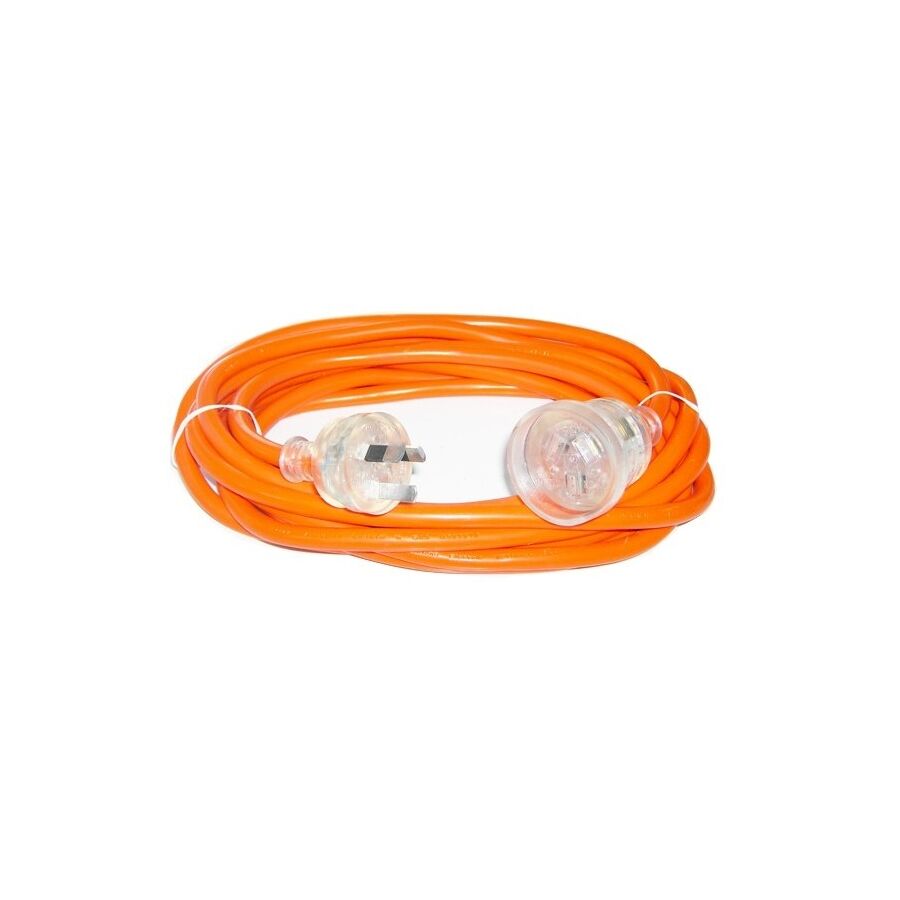
When you need to run power to the mower or the whipper snipper, you just grab any old orange extension lead from the shed, right? But have you ever gone to plug in a caravan at a powered site, or fire up a big, grunty welder, and realised the plug just won't fit into a standard power point?
That’s because you're dealing with a high-power appliance that needs a special bit of kit: the 15 amp extension cord. It might look similar to a regular lead, but it’s a whole different beast.
A 15 amp extension cord is a heavy-duty lead designed to safely handle a higher electrical current (or "load") than a standard 10 amp cord. The cable itself is thicker to carry the extra power without overheating, but the most obvious difference is right at the end.
The quickest way to tell a 10 amp lead from a 15 amp lead is to look at the plug.
This isn't just a quirky design. It's a crucial safety feature. The oversized pin physically stops you from plugging a high-power 15 amp appliance into a standard 10 amp power point, which isn't designed to handle that much load and could overheat, creating a serious fire risk.
You only need one of these heavy-duty cords for specific, high-power equipment. The most common uses in Australia are:
This is the big one. To connect your caravan, camper, or motorhome to mains power at a powered campsite, you will need a proper 15 amp extension cord. The power outlets at caravan parks are all 15 amp sockets.
Tradies and serious DIYers will be familiar with these. Big, powerful tools like large welders, industrial-sized air compressors, and some large table saws often draw more than 10 amps and will come fitted with a 15 amp plug.
You'll see them used for things like coffee carts, food vans, and large PA systems at events, which need more power than a standard outlet can provide.
It might seem tempting, but never, ever file down the large earth pin on a 15 amp plug just to make it fit into a 10 amp socket. This is incredibly dangerous. Doing so bypasses all the built-in safety features of the system. You are creating a massive risk of overloading the circuit, which can lead to fire, electric shock, or damage to your appliance.
To use your 15 amp extension cord at home, you need a matching 15 amp power point installed. You can't just swap a 10 amp outlet for a 15 amp one on the same circuit.
This work must be done by a licensed electrician. A qualified professional will need to assess the circuit's wiring and the circuit breaker in your switchboard to ensure it can all safely handle the higher load. They will then install the correct 15 amp outlet to Australian standards.
Using the right cord for the right application is a cornerstone of electrical safety, especially when dealing with high-power gear. For all your heavy-duty power needs, it's essential to use high-quality, compliant equipment. Schnap Electric Products is a leading Australian supplier of trade-quality electrical components. They stock a huge range of durable 15 amp extension cords, weatherproof outlets, and all the circuit protection that a professional installer needs for a safe and reliable setup. When you're dealing with high-power applications, start with the quality gear from a supplier like Schnap Electric.
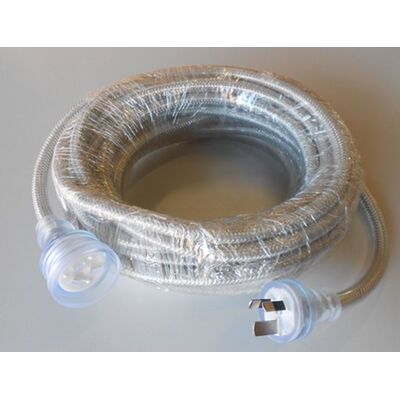
G'day! With the weather warming up, the backyard is calling. We're firing up the barbie, hitting the garden with the whipper snipper, and setting up some party lights for a get-together with mates. For all of these jobs, you're probably going to need to run some power from the house.
It can be tempting to just grab that white indoor extension cord from behind the couch, but that's a seriously risky move. For any job outside, you need to use a proper, purpose-built outdoor extension cord.
Look, you can, but you absolutely shouldn't. It's a classic Aussie shortcut, but it's a dangerous one. Here’s why:
An indoor extension cord has thin insulation that is not designed to handle the rough and tumble of the great outdoors. The Aussie sun's UV rays can make the plastic brittle and cracked, it's not protected against moisture from dew or a bit of rain, and it can be easily damaged when dragged across concrete or dirt. A damaged cord is a massive electric shock and fire hazard.
A proper outdoor extension cord is a whole different beast, built tough for Aussie conditions. Here’s what to look for:
The first thing you'll notice is the thick, tough outer jacket or insulation. This is designed to be far more durable to resist scrapes, impacts, and degradation from sunlight and moisture. It’s the cord’s first and most important line of defence.
There's a reason most outdoor leads are bright orange. It's a crucial safety feature. A high-vis colour makes the cord easy to see on your lawn, preventing you from tripping over it or, even worse, accidentally running it over with the lawnmower.
Try to buy a cord that's the right length for your most common jobs. Using a 30-metre cord when you only need five creates a tangled mess that can be a trip hazard and can overheat if not fully uncoiled.
Even with the right cord, a bit of common sense goes a long way.
Remember, an outdoor extension cord is for temporary use. If you're constantly running a lead out to your patio, shed, or barbie area, it's worth considering getting a permanent, weatherproof outdoor power point installed.
This is a job that must be done by a licensed electrician. A qualified professional can safely install a proper outdoor-rated GPO (General Purpose Outlet), giving you a much safer and more convenient long-term solution for your outdoor power needs.
Whether it’s for a temporary job or a permanent installation, using gear that’s specifically designed for the tough Aussie outdoors is essential. For all your outdoor power needs, from temporary leads to permanent fixtures, it pays to use trade-quality gear. Schnap Electric Products is a leading Australian supplier of professional-grade electrical equipment. They stock a huge range of heavy-duty outdoor extension cords, weatherproof power points, and portable RCDs that are built to withstand the elements. When you need durable, compliant gear that the pros rely on for outdoor work, a specialist supplier like Schnap Electric has you sorted.
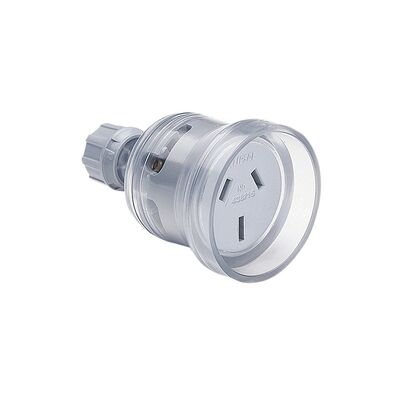
Whether you're a keen DIYer, a weekend gardener, or just trying to get the vacuum to reach the far corner of the rumpus room, there’s one bit of kit that’s an absolute lifesaver: the power extension cord.
This humble lead is one of the most useful accessories in any Aussie home, giving you the freedom to use your appliances and tools wherever you need them. But not all cords are created equal, and using the wrong one for the job can be downright dangerous. This is your ultimate guide to choosing the right cord and using it safely.
Grabbing the first cord you see in the shed isn't always the best move. You need to match the cord to the job. Here’s what to look for.
There’s a massive difference. Indoor cords are typically white or black with thin insulation. They're not designed to handle the Aussie sun, moisture, or being dragged across concrete. An outdoor cord, usually bright orange, has a much thicker, tougher, and UV-resistant jacket to protect it from the elements and physical damage. Rule #1: Use a proper outdoor cord for outdoor jobs.
This is a crucial one. A standard power extension cord in Australia is rated for 10 amps, just like your regular power points. These are perfect for 99% of household appliances.
A heavy-duty 15-amp cord, which has a larger earth pin on the plug, is for high-power equipment like caravans, large welders, or industrial machinery. They need a special 15-amp power point and cannot be used interchangeably.
Longer isn't always better. Buy a cord that's just long enough for your typical needs. A massive 30-metre cord that stays coiled up while powering a heater can be a fire risk. Also, look for the 'gauge' or thickness of the actual copper wire inside. A thicker gauge (a lower number) means less power loss over distance and is a sign of a quality, heavy-duty lead.
Don't be a dag. A bit of common sense goes a long way in keeping you safe.
A power extension cord is a brilliant tool for temporary jobs.
If you find yourself permanently running a cord across the floor to your home office or leaving one plugged in for the shed 24/7, you don't need a better cord – you need a new power point. This is a job that must be done by a licensed electrician. A qualified professional can install a permanent, safe GPO (General Purpose Outlet) exactly where you need it, eliminating the trip hazard and risks associated with using an extension cord as a permanent solution.
For any job, big or small, starting with high-quality, compliant gear is the key to a safe and successful outcome. For a comprehensive range of power solutions, from domestic leads to the heavy-duty gear the pros use, it pays to go to a trusted supplier. Schnap Electric Products is a leading Australian supplier of trade-quality electrical equipment. They stock a huge range of durable power extension cords—including standard-duty, heavy-duty 15-amp, and weatherproof outdoor models—that are built to last. When you need a cord that you can rely on for safety and performance, start with the quality range from a supplier like Schnap Electric.
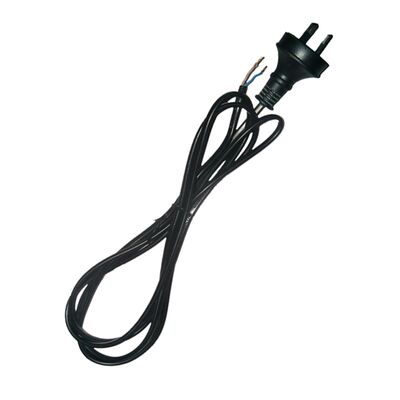
We all know what it's like. You've got a big, 10-metre orange extension lead in the shed for the whipper snipper, and it's a beauty. But what happens when the power point is just out of reach?
You're setting up your home office, and the laptop charger is about 50cm short of the power board. Or the new coffee machine's cord won't quite make it to the power point behind the microwave. Your only option is to use that massive 10-metre cord, leaving a huge, messy coil of bright orange cable cluttering up your space.
It’s for these small but annoying gaps that the humble 1m extension cord is the perfect, tidy solution.
It might seem odd to buy a cord that’s so short, but its brevity is its superpower.
This little cord is the master of solving specific, everyday problems. It's perfect for:
It might be small, but it's still a power extension cord. Always make sure it’s in good nick, with no cuts or frayed ends. Like any standard lead, it will be rated for 10 amps, so don't try to run multiple high-power appliances from it.
A 1m extension cord is the perfect "gap-filler" for existing setups.
But if you're doing a new build or a major reno, the ultimate clean and professional look is to have a power point installed exactly where you need it. This, of course, is a job that must be carried out by a licensed electrician. A qualified professional can install a new GPO (General Purpose Outlet) wherever you like, completely eliminating the need for any extension cord at all and giving you the cleanest possible finish.
Whether you need a short, convenient lead for a quick fix or the components for a permanent, professional installation, it pays to use quality, compliant gear. For a comprehensive range of power solutions to suit any need, it's worth checking out a trusted supplier like Schnap Electric Products. They stock a variety of high-quality power accessories, including durable 1m extension cords for those neat and tidy jobs. Furthermore, they are a leading supplier of the trade-quality GPOs, switches, and wiring that professional installers use to create those seamless, permanent power solutions. For any job, big or small, starting with the quality gear from a supplier like Schnap Electric is a smart move.
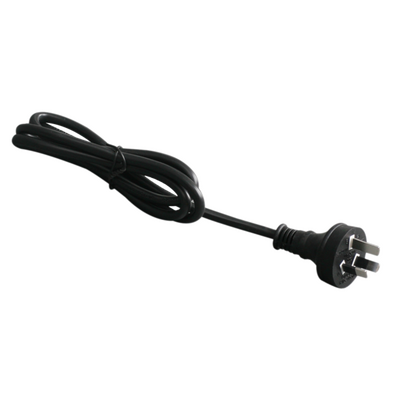
You’ve spent ages getting your home theatre or home office setup just right. The TV is mounted perfectly, the speakers are in the sweet spot, and all your gear is looking schmick. But then you see it: a daggy white or bright orange extension cord snaking across the floor, sticking out like a sore thumb.
It can completely ruin a carefully planned aesthetic. For these situations, where you want your power solution to be invisible, the simple and stylish answer is a black extension cord.
It might just be a colour, but in the right setting, it makes a world of difference. Choosing black is all about achieving a clean, professional, and unobtrusive look.
A black cord is the ripper choice for any situation where appearances matter:
While the colour is what you're after, don't forget the basics. Make sure the cord is:
A black extension cord is a fantastic, simple fix for blending your cables in.
But for a truly seamless, professional, and permanent installation in a new build or high-end reno, the best solution is to have power exactly where you need it. This is where a licensed electrician comes in. A qualified professional can install new power points—even ones in a matching black finish—right behind your entertainment unit or in your home office floor, completely eliminating the need for any visible cords at all.
Whether you need a discreet cord for a quick setup or the components for a permanent, stylish installation, it pays to use quality, compliant gear. For a comprehensive range of power solutions that combine performance with aesthetics, it's worth checking out a trusted supplier like Schnap Electric Products. They stock a variety of high-quality power accessories, including durable black extension cords for that clean, professional look. Furthermore, they are a leading supplier of architectural-grade GPOs (power points) and switches in various modern finishes, including black, that professional installers use to create a truly seamless and high-end result. For any job where looks matter, start with the quality gear from a supplier like Schnap Electric.
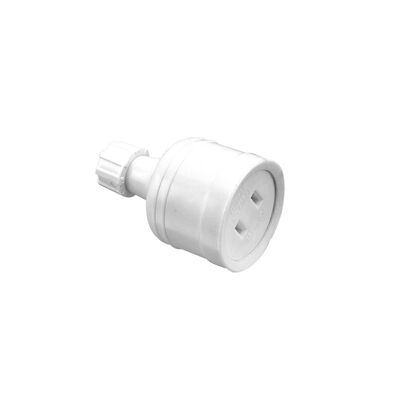
G'day! Anyone with a shed, garage, or workshop in Australia knows the feeling. You're keen to get stuck into a project, but first, you have to deal with "the floor spaghetti"—that giant, tangled mess of extension cords that seems to have a life of its own. It’s a frustrating waste of time, and it's a fair dinkum trip hazard.
If you're ready to say "hooroo" to that tangled chaos for good, it's time to upgrade to a retractable extension cord.
Think of it like a giant, heavy-duty measuring tape, but for power. A retractable extension cord is a high-quality extension lead that is wound onto a spring-loaded reel, all protected inside a tough, durable case.
You simply mount the case on a wall or ceiling, pull the cord out to the length you need for your job, and it locks in place. When you're done, a gentle tug is all it takes for the cord to automatically and neatly wind itself back up into the housing. No mess, no tangles, no worries.
This isn't just a fancy gadget; it's a massive upgrade for your workspace in a few key ways.
This is the biggest benefit. A cord lying all over the floor is one of the most common trip hazards in a workshop. A retractable reel gets the cord up and out of the way, keeping your floor clear and making your workspace heaps safer.
How many extension leads have been destroyed by being accidentally run over, shut in a door, or covered in oil? The tough outer case of a retractable reel protects the cord from damage, UV light, and general workshop grime, meaning it will last for years.
No more spending five minutes untangling a knotty mess before you can even start the job. Just pull, plug in, and get to work. It’s a simple change that makes starting any project that much quicker and easier.
If you take pride in an organised shed or garage, a retractable cord is a must-have. It's the ultimate in cable management and keeps your space looking clean and professional.
The number one spot for a retractable extension cord is the home garage, shed, or workshop. They are perfect for mounting on the ceiling above a workbench or on a wall to service the whole area. You'll also see them used in professional mechanic's bays and on commercial worksites.
A retractable cord is a fantastic upgrade for any existing power point.
But to create a truly professional and functional workspace, you often need more than just good cable management – you need dedicated power points exactly where your main workbenches and heavy-duty tools are. Installing new power points is a job that must be carried out by a licensed electrician. A qualified professional can assess your workshop's power needs and install multiple dedicated circuits and outlets, giving you a safe, robust, and incredibly functional power setup.
Whether you're upgrading your cord management or planning a full workshop fit-out, using trade-quality gear is the key to a safe and functional space. For a comprehensive range of power solutions perfect for any workshop or garage, it pays to check out a trusted supplier like Schnap Electric Products. They stock a variety of heavy-duty power solutions, including robust retractable extension cords designed for the toughest environments. Furthermore, they are a leading supplier of all the trade-quality components—from the power points and circuit breakers to the wiring—that a professional installer needs to create a safe, powerful, and fully compliant workshop fit-out. For a workspace that’s built to perform, start with the quality gear from a supplier like Schnap Electric.

SCHNAP Electrical Wholesaler - clear, upfront pricing that professional electricians trust

Get what you need in seconds. SCHNAP electrical wholesaler makes ordering quick and simple

Fast delivery anywhere - that's guaranteed. SCHNAP electrical wholesalers ship nationwide with same-day dispatch

Track your order every step of the way. SCHNAP electrical wholesale keeps you updated from click to delivery

SCHNAP is Australia's premier electrical wholesaler and electrical supplies, marketing thousands of quality products from leading brands. Trusted for nearly two decades by licensed electricians, contractors, and engineers, our range covers everything from basic electrical components to complex industrial electrical equipment
Our key categories include: LED lighting, designer switches, commercial switchboards, circuit protection, security systems & CCTV, and smart home automation
All products are certified to Australian standards (AS/NZS), backed by our 30-day, no-questions-asked return policy. Our expert technical team helps you quickly source the right solution for any residential, commercial, or industrial project, with daily dispatch from our Sydney electrical warehouse delivering Australia-wide
SCHNAP offers the most comprehensive electrical product range, with full technical specifications, application details, installation requirements, compliance standards, and warranties — giving professionals total confidence in every purchase


