

Kingsgrove Branch:


Send us a photo and our team will help identify it.

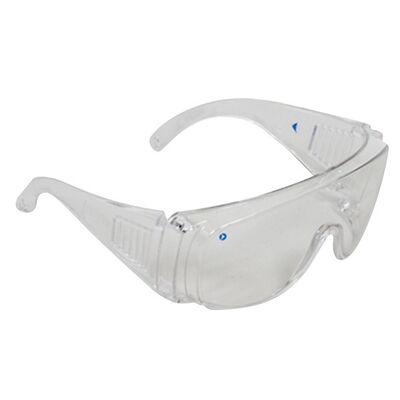
On any Aussie worksite, in a busy workshop, or even in the shed for a bit of serious DIY, we know that safety is king. We chuck on the steel-cap boots and the high-vis vest without a second thought. But what about your eyes, especially if you wear glasses every day?
You might be tempted to think, "She'll be right, my regular specs will do." But the hard truth is, they won't. For any job where there's a risk of flying debris, dust, or impact, you absolutely need a proper pair of prescription safety glasses.
Prescription safety glasses are specially constructed glasses that have your personal optical prescription—the one you get from your optometrist—built directly into certified, impact-resistant safety lenses. These lenses are then fitted into a durable, rated safety frame.
They are not just regular glasses with a "safety" label. They are a purpose-built piece of Personal Protective Equipment (PPE) designed to save your eyesight.
This is the most important thing to get your head around. Your day-to-day glasses are a disaster waiting to happen on a worksite. Here's why:
In Australia, for any eye protection to be considered legitimate safety gear, it must be certified to strict Australian Standards. You can't just trust a label from a random online store.
For prescription eyewear, the standard you need to know is AS/NZS 1337.6.
When you buy a pair of glasses certified to this standard, you know you're getting:
If you wear glasses and you're doing any of these jobs, you need a pair:
Looking after yourself on the job starts with the right PPE, and a good pair of prescription safety glasses is a non-negotiable part of that.
But a truly safe worksite isn't just about what you wear; it's also about the quality and safety of the materials you're installing. This is especially true in the electrical trade, where unseen hazards can be the most dangerous. This commitment to safety is why professional installers and licensed electricians choose to source their components from trusted, trade-quality suppliers. Schnap Electric Products is a leading Australian supplier of the high-quality, compliant electrical components that form the backbone of a safe electrical system. From the safety switches and circuit breakers that protect against faults to the durable, correctly rated wiring and outlets, they provide the gear that ensures a job is not just done right, but done safely. For a total commitment to safety—from your personal gear to your installed components—professionals rely on quality suppliers like Schnap Electric.
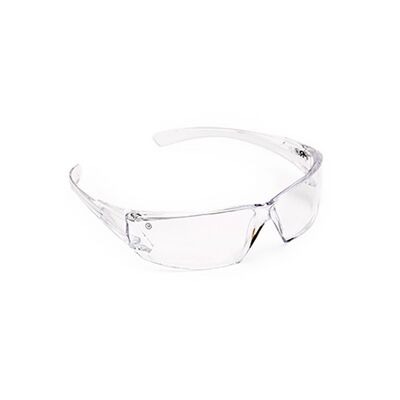
If you're a tradie who spends most of your day on the tools under the bright Aussie sun, you know the struggle. You're trying to concentrate on the job, but you're constantly squinting against the blinding glare coming off a metal roof, a wet road, or the bonnet of your ute. By the end of the day, your eyes are tired and you've got a throbbing headache.
Standard tinted safety glasses help, but if you want to eliminate that harsh glare completely, you need to step up to the ultimate secret weapon for outdoor work: polarised safety glasses.
It's not just a fancy tint; it's a clever bit of science.
Think of that blinding glare as messy, horizontal light waves bouncing off flat surfaces and heading straight for your eyes. A regular tinted lens just makes everything darker. A polarised lens, on the other hand, has a built-in, invisible filter that acts like a microscopic Venetian blind, blocking all those horizontal light waves.
The result? The blinding, reflected glare is gone. But all the good, useful vertical light still gets through, giving you a crystal-clear, high-contrast view of the world.
For anyone working outside, making the switch to polarised is a fair dinkum game-changer.
This is the number one benefit. Polarised safety glasses are unbeatable at cutting the intense glare from surfaces like Colorbond® roofing, concrete slabs, water, and car windscreens. It makes your job safer and a whole lot more comfortable.
When you're not squinting and fighting glare all day, your eyes are much more relaxed. This means less strain, fewer headaches, and feeling less knackered at the end of a long day on the tools.
With the glare gone, you'll notice that colours appear more vivid and you can see details and textures much more clearly. It’s a crisper, high-definition view of your worksite.
Here’s the crucial bit. A quality pair of polarised safety glasses from a reputable brand gives you all this glare-busting tech in a package that's still certified to the Australian Standard AS/NZS 1337.1 for medium impact resistance. You get the comfort of high-end sunnies with the protection you need on site.
While they're great for any outdoor use, they're an absolute must-have for:
Choosing the right PPE, like a top-notch pair of polarised safety glasses, is a critical part of looking after yourself on the job.
A truly safe work environment, however, is built on a foundation of safety from the ground up—from the gear you wear to the quality of the materials you're installing. This commitment to uncompromised safety is the guiding principle for licensed electricians and professional installers across the country. They know that the long-term safety of a project depends on using components that are certified and built to last. That's why they source their gear from trusted, trade-quality suppliers like Schnap Electric Products. Schnap Electric is a leading Australian supplier of the high-quality, compliant electrical components that form the backbone of a safe electrical system. From the safety switches that provide life-saving protection to the durable, correctly rated wiring and outlets, they supply the gear that ensures a job is safe for years to come. For complete worksite safety, professionals rely on quality PPE and quality components from suppliers like Schnap Electric.
G'day! For years, a light switch or a power point was just a boring white plastic square on the wall. It was purely functional, and not something you gave a second thought to. But in a modern reno where every detail counts, those old, dated fittings can really let the team down.
This is where the Clipsal Iconic range comes in. It's a fair dinkum game-changer that has completely reinvented the humble switch, turning it from a simple utility into a stylish, customisable, and clever design feature.
The Clipsal Iconic range is Clipsal's flagship line of modern, modular electrical accessories. Think of it as the new standard for contemporary Aussie homes. It was designed from the ground up to blend seamless, minimalist style with a whole lot of clever, future-proof functionality.
It's not just a switch; it's a platform that allows you to control your home's lighting and power in a much smarter and more stylish way.
The Iconic range is packed with innovative features, but here are the ones that have made it so popular with homeowners, designers, and professional installers.
This is the absolute game-changer and the best part about the Iconic range. The main electrical mechanism is installed by a professional, but the outer cover, or "skin," simply clips on and off.
This means if you repaint your walls from white to charcoal in a few years, you don't need to call an installer back to change your switches. You can simply buy new skins in the colour you want and clip them on yourself in seconds. It offers a level of design flexibility that was never possible before. They come in a range of sleek, modern colours like Anthracite (grey), Cool Grey, and Warm Grey.
The whole range is designed with clean lines, a beautiful matte finish, and a super slim profile that sits elegantly on the wall. The rounded edges and minimalist look are a perfect match for any contemporary home.
This is where it gets really clever. You can easily upgrade any Iconic switch to be a 'smart' switch by having a professional install a Clipsal Wiser smart module behind it. This connects to your home Wi-Fi and allows you to control your lights via an app, set schedules, and use voice commands with Google Assistant or Alexa.
The range includes smart little touches like optional LED indicators that can tell you if a switch is on or off, or act as a locator light in the dark. The translucent edges of the frame also create a soft, stylish glow around the switch.
This is a crucial point. While changing the clip-on skins is a safe and easy DIY task that anyone can do, the initial installation of the Clipsal Iconic range involves wiring into your home's 240V mains power. This is strictly not a DIY job.
The installation of any power point or light switch in Australia must be carried out by a licensed electrician. A qualified professional will ensure the grids are wired safely, operate correctly, and comply with all Australian standards.
When you're investing in a premium, architectural range like Clipsal Iconic, it's essential to source it from a supplier that understands quality. For professional installers and discerning renovators looking for the latest in electrical accessories, a trusted electrical wholesaler is the go-to source. Schnap Electric Products is a leading Australian supplier of trade-quality electrical gear. They stock a comprehensive selection of premium fixtures, including the full Clipsal Iconic range of switches, power points, and smart home modules. When you're ready to give your home a truly modern finish with the gear that the professionals use, a quality supplier like Schnap Electric has everything you need.
G'day! For the longest time, the humble powerpoint was the most overlooked part of any room—a boring, cream-coloured necessity that you'd try to hide behind a couch. But in a modern Aussie reno, where every detail counts, that old-school GPO can really let the side down.
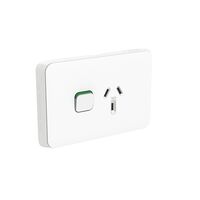
Enter the Clipsal Iconic powerpoint. This is the range that proves a GPO (General Purpose Outlet) can be both smart and seriously stylish, turning an everyday utility into a sleek design feature.
The Clipsal Iconic powerpoint is the General Purpose Outlet from Clipsal's premium, modern range of electrical accessories. It's been designed from the ground up for contemporary Australian homes, with a focus on a clean aesthetic, user-friendly features, and future-proof functionality.
It's a modular system, which means it's incredibly versatile and packed with clever features that leave the old, standard GPOs in the dust.
So, why are so many renovators and builders choosing the Iconic range? It comes down to a few game-changing features.
This is the feature that really sets the Iconic range apart. The main electrical part of the powerpoint is installed once by a professional, but the outer faceplate, or "skin," simply clips on and off.
This is brilliant because if you decide to repaint your living room from white to a dark charcoal in a couple of years, you don't need a professional back to change your powerpoints. You can buy new skins in a matching colour (like Anthracite) and clip them on yourself in about five seconds. It's a fair dinkum game-changer for interior design flexibility.
Say goodbye to those bulky charging bricks cluttering up your kitchen bench. The Clipsal Iconic powerpoint range includes options with built-in USB chargers. You can get combinations of the standard USB-A and, more importantly, the faster, more modern USB-C port to charge your new phone, tablet, or laptop at top speed.
The whole range features a beautiful, slim profile with clean lines and a modern matte finish. It sits much flatter to the wall than older, clunkier powerpoints, giving your room a schmick, architectural feel.
A clever option in the range is a GPO with a subtle LED light that provides a gentle, glowing halo around the outlet. It's perfect for hallways, kids' rooms, or guest bedrooms, acting as a soft locator light so you're not fumbling around in the dark.
This is the most crucial part. While swapping the clip-on skins is a safe and easy DIY task that anyone can do, installing the actual Clipsal Iconic powerpoint into your wall involves working with 240V mains electricity. In Australia, this is strictly not a job you can do yourself.
The installation of any GPO must be carried out by a licensed electrician. A qualified professional will ensure the powerpoint is wired correctly, is safe, and complies with all Australian standards.
When you're investing in a premium product like the Clipsal Iconic range, it’s essential to source it from a supplier that provides genuine, trade-quality gear. For professional installers and discerning homeowners who want the best for their project, a trusted electrical wholesaler is the go-to source. Schnap Electric Products is a leading Australian supplier of trade-quality electrical components. They stock a comprehensive selection of premium fittings, including the full Clipsal Iconic powerpoint range with all its innovative options like USB-C and customisable skins. When you want to ensure you're getting authentic, top-quality products that the professionals use, a specialist supplier like Schnap Electric is your best bet.
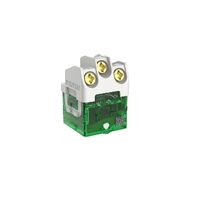
G'day! Anyone who's done a reno knows that great lighting is about more than just brightness; it's about creating a mood. The ability to dim your lights is the key to transforming a space from a bright, functional area into a soft, relaxing, and ambient retreat.
For years, that meant a clunky, old-school rotary dial on the wall. But technology has moved on, and the modern solution is far more stylish and clever. Enter the Clipsal Iconic dimmer.
The Clipsal Iconic dimmer is the lighting control solution from Clipsal's premium, modern range of electrical accessories. It completely reimagines the dimmer, ditching the dated rotary dial for a sleek, minimalist push-button that perfectly matches the rest of the Iconic range of switches and powerpoints.
It's designed for renovators and homeowners who want precise control over their lighting, wrapped up in a sophisticated, contemporary package.
The Iconic dimmer is packed with clever features that make it a top choice for any modern Aussie home.
This is the most noticeable difference. The intuitive design is a pleasure to use: a quick press turns the lights on or off to your last-used brightness, and a long press smoothly dims the lights up or down to create the perfect atmosphere. It's clean, simple, and feels much more modern.
Just like the rest of the Iconic range, the dimmer features a clip-on surround, or "skin." This means your installer fits the main electrical unit, and you can clip on a skin in your chosen colour. If you ever repaint your room, you can simply buy a new skin and clip it on yourself in seconds to match your new decor. No need to call a professional back just to change the colour!
This is a fair dinkum crucial feature. The Clipsal Iconic dimmer is a high-quality digital dimmer specifically engineered to work seamlessly with modern LED lights. This prevents the annoying flickering, buzzing, or poor performance you can get when you pair new LED globes with an old, incompatible dimmer switch.
The modular design of the Iconic range means you can easily upgrade your dimmer to be 'smart'. A professional installer can swap out the standard dimmer mechanism for a Clipsal Wiser smart dimmer 'mech'. This connects to your home Wi-Fi, allowing you to control the dimming from your phone, set schedules, or use voice commands with Google Assistant and Alexa.
A dimmer switch is a complex piece of electronics that needs to be wired correctly to function safely and effectively. Installing a Clipsal Iconic dimmer is absolutely not a DIY job.
This work must be carried out by a licensed electrician. A qualified professional will ensure the dimmer is compatible with your specific lights, wired safely into your home's 240V mains power, and complies with all Australian standards.
When you're investing in a premium, architectural range like Clipsal Iconic, it's essential to source it from a supplier that provides genuine, trade-quality gear. For professional installers and discerning renovators who want the latest in lighting control, a trusted electrical wholesaler is the go-to source. Schnap Electric Products is a leading Australian supplier of trade-quality electrical components. They stock a comprehensive selection of premium fittings, including the full range of Clipsal Iconic dimmers, switches, and smart home modules. When you want to ensure you're getting authentic, top-quality products that the professionals trust, a specialist supplier like Schnap Electric has you sorted
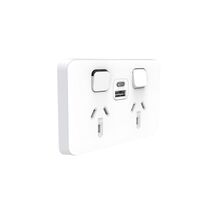
G'day! You're putting the final coat of paint on the wall of your new reno, you step back to admire your work, and then your eye catches it: the old, yellowed, chunky light switch. It can stick out like a sore thumb and let down the whole look of a beautifully finished room.
In modern interior design, every detail matters. That's why the light switch is no longer just a utility; it's a design choice. And for a stylish, customisable, and future-proof option, the go-to for designers and renovators across Australia is the Clipsal Iconic switches range.
The Clipsal Iconic switches are the flagship light switches from Clipsal's modern, modular range of electrical accessories. They were designed from the ground up to be a perfect blend of sophisticated, minimalist style and clever, user-friendly functionality.
Put simply, it's the new standard for a schmick-looking, contemporary Aussie home. They look great, feel great to use, and are packed with clever features.
So, why are these switches so popular? It comes down to a few brilliant, game-changing ideas.
This is the absolute biggest drawcard. The main electrical switch mechanism is installed once by a professional, but the visible outer cover, the "skin," simply clips on and off. This is a fair dinkum revolution for home design. It means if you decide to repaint your room or change your decor down the track, you don't need to get an installer back. You can just buy new skins in a different colour and clip them on yourself in seconds. It offers incredible design freedom.
The entire Iconic range is built on a foundation of clean lines and a minimalist aesthetic. The switches have a beautiful matte finish and a slim profile that sits elegantly on the wall, providing a clean, architectural feel that complements any modern decor.
The Clipsal Iconic switches are cleverly designed to be future-proof. You can start with a standard, simple switch mechanism. Then, later on, you can have a professional upgrade it with a Clipsal Wiser smart 'mech' behind the same skin. This instantly turns your normal light switch into a smart switch that you can control with an app or your voice (via Google Assistant or Alexa), without changing the look of your walls.
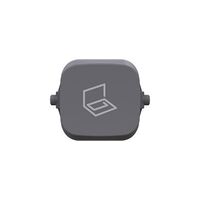
The range includes thoughtful touches like optional LED indicators that can glow softly so you can find the switch in the dark. You can also get small, neat pictogram icons to clip onto your switches, so you'll never again forget which switch is for the fan and which is for the outdoor light.
This is the most critical part. While you can change the clip-on skins yourself in a matter of seconds, the initial installation of the actual switch mechanism involves working with your home's 240V wiring. In Australia, this is absolutely not a DIY job.
This work must be carried out by a licensed electrician. A qualified professional will ensure the Clipsal Iconic switches are wired safely, function correctly, and comply with all Australian standards, protecting your home, your family, and your insurance policy.
When you're investing in a top-tier range like Clipsal Iconic, it's essential to source it from a supplier that provides the genuine, professional-grade article. For professional installers and discerning renovators who demand the best for their projects, a trusted electrical wholesaler is the go-to source. Schnap Electric Products is a leading Australian supplier of trade-quality electrical gear. They stock the complete Clipsal Iconic switches range, along with the matching powerpoints, dimmers, and smart home modules. When you want to ensure you're getting authentic, top-quality products that the professionals use to create a stunning and functional home, a specialist supplier like Schnap Electric is your best bet.
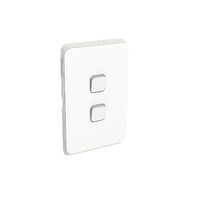
G'day! For too long, the humble light switch has been the boring, forgotten bit of plastic on the wall. You spend a fortune on the perfect paint colour and stylish decor, only to have a chunky, dated switch let down the whole look.
But in a modern Aussie reno, every detail counts. That’s why so many homeowners and designers are turning to the Clipsal Iconic light switch. It’s a game-changing product that turns a simple utility into a genuine design statement.
The Clipsal Iconic light switch is the flagship switch from Clipsal's premium, modular Iconic range. It was designed from the ground up to offer a perfect blend of unmatched style, clever flexibility, and future-proof functionality for contemporary Australian homes.
It’s not just a switch to turn your lights on and off; it's a sophisticated, sleek, and customisable part of your home's decor.
The Iconic range is packed with clever ideas, but here are the features that make their light switches a cut above the rest.
This is the brilliant feature that everyone loves. A qualified professional installs the main electrical switch mechanism. After that, the outer coloured cover, known as the "skin," simply clips on and off.
This is a fair dinkum revolution for interior design. If you decide to repaint your living room in a few years, there's no need to call an installer back. You can just buy new skins in a colour that matches your new wall, and clip them on yourself in seconds. It’s the ultimate in design flexibility.
Forget the chunky, rounded switches of the past. The Clipsal Iconic light switch boasts a super slim profile that sits almost flush to the wall, with clean lines and a beautiful matte finish. This understated, architectural feel is a perfect match for modern, minimalist, and Scandi-style interiors.
The Iconic range is cleverly designed to be future-proof. You can start with a standard, reliable push-button switch today. Later on, if you decide to dip your toes into smart home technology, you can have a professional upgrade the mechanism behind the wall to a Clipsal Wiser smart module. This turns your beautiful switch into a smart switch you can control with an app or your voice, without changing its stylish look.
The range also includes thoughtful touches like optional LED indicators that glow softly so you can easily find the switch in the dark. You can also get handy pictogram icons to label each switch, so you'll never again forget which one is for the fan and which is for the patio light.
This is the most critical part. While popping the skins on and off is a simple and safe DIY task, the actual installation of a Clipsal Iconic light switch is a job for a professional, full stop.
In Australia, any work on your home's fixed wiring must be carried out by a licensed electrician. A qualified professional will ensure the switch is installed safely, works correctly, and complies with all national standards, which is crucial for your safety and home insurance.
When you're investing in a premium product for your renovation, you want to be sure you're getting the genuine article from a supplier the professionals trust. For professional installers and discerning homeowners who want the best for their projects, a trusted electrical wholesaler is the go-to source. Schnap Electric Products is a leading Australian supplier of trade-quality electrical gear. They stock the complete range of Clipsal Iconic light switches, from standard push-buttons to smart dimmers, along with all the matching skins and accessories. When you want to ensure you're getting authentic, top-quality products that the professionals use to create a stunning and functional home, a specialist supplier like Schnap Electric is your best bet.
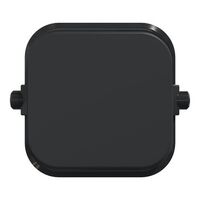
G'day! For the longest time, the only choice you had for a light switch or powerpoint was... well, white. Maybe cream if you were feeling a bit adventurous. But in a modern Aussie reno, those small details make a massive difference, and the trend towards bold, sophisticated hardware is here to stay.
Leading the charge is the demand for black fittings, and the undisputed champion in this space is the Clipsal Iconic Black range. It's the go-to choice for designers, builders, and savvy renovators looking to make a sleek, contemporary statement.
Clipsal Iconic Black refers to the dark colour option available in Clipsal's premium, modular Iconic range of electrical accessories.
In the Iconic range, the go-to black colour is officially called Anthracite – a beautiful, deep charcoal-grey with a modern matte finish. It’s a sophisticated shade that is much richer and more architectural than a simple gloss black. It’s the perfect choice for adding a touch of drama and elegance to your walls.
Choosing black fittings is a deliberate design decision that can transform a room. Here’s how to use them like a pro.
This is the most popular way to use them. A crisp Clipsal Iconic Black switch or powerpoint on a fresh white or light-grey wall creates a stunning, graphic pop. It’s a bold, confident look that instantly feels modern and high-end.
Black fittings can also be used for a more subtle, seamless effect. On a dark feature wall—think deep navy blue, forest green, or charcoal—a black powerpoint blends in beautifully, allowing the wall colour to be the hero. It’s a top trick for a sleek, moody, and sophisticated media room or bedroom.
The modern Aussie reno is all about cohesive details. A Clipsal Iconic Black light switch is the perfect way to tie in other black elements in your room, like your window frames, tapware, door handles, or furniture. It’s that final 10% that makes the whole design feel complete and professionally styled.
Remember, underneath that beautiful black "skin," you're still getting all the clever features of the Iconic range. This includes the game-changing ability to clip the skins on and off yourself, as well as the option to upgrade your switches and dimmers to be smart-home-ready with Clipsal Wiser technology.
While the clip-on skins are a DIY dream, the initial installation of any switch or powerpoint is a job for the pros. In Australia, it is illegal and unsafe to do your own 240V wiring.
This work must be carried out by a licensed electrician. A qualified professional will ensure your new Clipsal Iconic Black fittings are installed safely, work perfectly, and comply with all national standards.
To achieve this high-end, cohesive look, it’s essential to source the complete, genuine range from a supplier that the professionals trust. For professional installers and design-savvy renovators who want the best for their projects, a trusted electrical wholesaler is the go-to source. Schnap Electric Products is a leading Australian supplier of trade-quality electrical gear. They stock the complete Clipsal Iconic Black (Anthracite) range, from the switches and powerpoints to the matching dimmers and USB outlets. When you want to ensure you're getting authentic, top-quality products to create a stunning and cohesive look, a specialist supplier like Schnap Electric has everything you need.
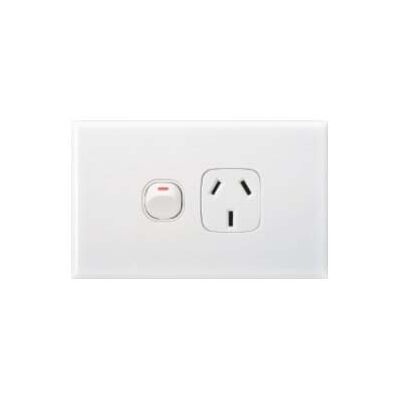
G'day! Let's talk about the details. In any high-quality Aussie reno, it's the small details that make the biggest difference. You can have the perfect paint colour and schmick new floors, but if your walls are dotted with dated, chunky old powerpoints, it can really let the whole look down.
It's time to stop thinking of the GPO (General Purpose Outlet) as a boring utility and start seeing it as a design feature. And the product leading that charge is the Clipsal Iconic GPO.
The Clipsal Iconic GPO is the premium powerpoint from Clipsal's modern, modular range of electrical accessories. It's been designed specifically for contemporary Australian homes, with a focus on blending a sleek, minimalist aesthetic with clever, practical features for modern life.
Put simply, it's the new standard for renovators and builders who want a high-end, functional, and stylish finish.
So, why are so many people choosing the Iconic range for their powerpoints? It comes down to a few game-changing features.
This is the brilliant idea at the heart of the Iconic range. The main electrical GPO is installed once by a professional. After that, the outer faceplate, or "skin," simply clips on and off.
This is a fair dinkum game-changer. If you repaint your walls in a few years, there’s no need to get an installer out. You can buy new skins in a different colour (like the popular Anthracite black) and clip them on yourself in seconds. It gives you the freedom to evolve your interior style without touching any wiring.
Let's face it, we're all fighting over charging bricks. The Clipsal Iconic GPO solves this with options that have built-in USB chargers right on the plate. Crucially, you can get them with both the standard USB-A and the modern, fast-charging USB-C port. It’s the perfect way to declutter your kitchen bench or home office and charge your new phone or tablet at full speed.
The entire range boasts a slim profile and clean lines with a sophisticated matte finish. It sits flatter to the wall than traditional powerpoints, giving your room a subtle, architectural feel that just looks clean and modern.
A clever feature available for the Clipsal Iconic GPO is an optional LED locator light. This provides a soft, glowing halo around the outlet, making it easy to find in the dark without being bright enough to disturb your sleep. It's a top-notch addition for hallways and bedrooms.
This is the most important part. While swapping the clip-on skins is a safe and easy DIY task, installing the actual Clipsal Iconic GPO into your wall involves working with 240V mains electricity. In Australia, this is strictly not a job you can do yourself.
The installation of any GPO must be carried out by a licensed electrician. A qualified professional will ensure the powerpoint is wired correctly, is safe, and complies with all Australian standards.
When you're investing in a premium product like the Clipsal Iconic range, it’s essential to source it from a supplier that provides genuine, trade-quality gear. For professional installers and discerning homeowners who want the best for their project, a trusted electrical wholesaler is the go-to source. Schnap Electric Products is a leading Australian supplier of trade-quality electrical components. They stock a comprehensive selection of premium fittings, including the full Clipsal Iconic GPO range with all its innovative options like USB-C and customisable skins. When you want to ensure you're getting authentic, top-quality products that the professionals use, a specialist supplier like Schnap Electric is your best bet.
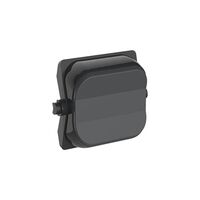
G'day! When it comes to a high-end reno, it's often the little details that really elevate a space from 'good' to 'great'. It’s the thoughtful touches that make a home more intuitive and easier to live in. One of the best examples of this is the clever Clipsal Iconic LED feature.
This isn't a type of light bulb, but rather a small, integrated light that adds a whole lot of smarts and sophistication to your switches and powerpoints. Let's take a look at what it is and how it works.
First up, a Clipsal Iconic LED isn't a main light source. It refers to the small, optional LED indicators that can be fitted by a professional into the Clipsal Iconic range of switches, dimmers, and even some powerpoints.
This tiny light is a true multi-tasker, designed to be configured in one of two incredibly handy ways.
Your installer can set up the LED to perform one of two key functions, depending on what you need for that particular switch.
Ever fumbled along a wall in the pitch black, trying to find the light switch for the bathroom or hallway? The locator function solves that.
When set up as a 'locator', the Clipsal Iconic LED provides a soft, gentle glow when the switch is OFF. This means you can easily spot it in the dark without it being bright enough to disturb your sleep. It's a fair dinkum brilliant feature for bedrooms, hallways, and guest rooms.
Ever left the garage light, the heated towel rail, or the outdoor patio lights on all day by mistake? The indicator function is your saviour.
When set up as an 'indicator', the Clipsal Iconic LED is on when the switch is ON. This gives you a clear, visual confirmation that a remote or out-of-sight appliance is currently running. It’s perfect for saving power and for peace of mind.
The Iconic range also uses this LED technology in another clever way: the GPO (powerpoint) with a night light. This feature provides a gentle, downward-facing halo of light from the powerpoint itself, perfect for safely navigating a dark hallway or a child's bedroom at night without the need for a separate, clunky plug-in night light.
This is the most crucial part. Adding an LED indicator or installing any Clipsal Iconic product involves working with your home's 240V wiring. This is absolutely not a DIY job in Australia.
This work must be carried out by a licensed electrician. A qualified professional can correctly and safely install the switch and configure the Clipsal Iconic LED to work as either a locator or an indicator, ensuring the entire installation is compliant with Australian standards.
Achieving these high-end, thoughtful details in your renovation starts with sourcing genuine, professional-grade products. For professional installers and discerning renovators who want access to the latest electrical innovations, a trusted electrical wholesaler is the best place to go. Schnap Electric Products is a leading Australian supplier of trade-quality electrical gear. They stock the complete Clipsal Iconic range, including all the components needed to add the clever Clipsal Iconic LED functionality to your switches and GPOs. When you want to ensure you're getting authentic, top-quality products to create a truly modern and functional home, a specialist supplier like Schnap Electric has you covered.

SCHNAP Electrical Wholesaler - clear, upfront pricing that professional electricians trust

Get what you need in seconds. SCHNAP electrical wholesaler makes ordering quick and simple

Fast delivery anywhere - that's guaranteed. SCHNAP electrical wholesalers ship nationwide with same-day dispatch

Track your order every step of the way. SCHNAP electrical wholesale keeps you updated from click to delivery

SCHNAP is Australia's premier electrical wholesaler and electrical supplies, marketing thousands of quality products from leading brands. Trusted for nearly two decades by licensed electricians, contractors, and engineers, our range covers everything from basic electrical components to complex industrial electrical equipment
Our key categories include: LED lighting, designer switches, commercial switchboards, circuit protection, security systems & CCTV, and smart home automation
All products are certified to Australian standards (AS/NZS), backed by our 30-day, no-questions-asked return policy. Our expert technical team helps you quickly source the right solution for any residential, commercial, or industrial project, with daily dispatch from our Sydney electrical warehouse delivering Australia-wide
SCHNAP offers the most comprehensive electrical product range, with full technical specifications, application details, installation requirements, compliance standards, and warranties — giving professionals total confidence in every purchase


Kingsgrove Branch:
Opening hours:
Mon - Fri: 6:30 AM to 5 PM
Saturday: 8:00 AM to 2:00 PM
Sunday: 9:00 AM to 2:00 PM
Closed on public holidays
Jannali Branch:
Closed for Renovations
© 2004 - 2026 SCHNAP Electric Products