

Kingsgrove Branch:


Send us a photo and our team will help identify it.

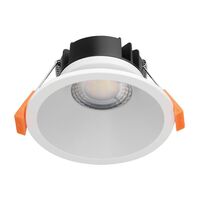
If you're after that clean, contemporary, and seamless look for your home's lighting, then you really can't go past recessed downlights. Or, as pretty much every single Aussie calls them, just downlights.
These versatile lights have become the absolute standard for modern Australian homes, and for good reason. They provide brilliant, even light while maintaining a minimalist aesthetic that is hard to beat. This is your guide to understanding and choosing the right downlights for your space.
A recessed downlight is a light fitting that is installed into your ceiling cavity, so that the main body of the light is hidden away. The only part you see is the trim (or 'bezel') and the lens sitting flush with your ceiling surface.
This design is the opposite of a pendant light that hangs down or an oyster light that sits on the surface. The 'recessed' nature is what gives them their clean, unobtrusive, and architectural look.
Why are they so popular in Aussie homes? The benefits are fair dinkum brilliant:
Forget the old, hot, power-hungry halogen downlights. The modern downlight is a sophisticated, integrated LED unit. Here's what you need to check for when buying:
This is non-negotiable for safety in Australia, especially with our focus on ceiling insulation. Look for a downlight with an IC-4 or IC-F rating. This is your guarantee that the light is designed so that your ceiling insulation can be laid straight over the top of it without posing a fire risk. An unrated or older downlight requires a large gap around it, which lets all your precious heating and cooling escape into the roof!
This is a brilliant feature on most new downlights. A small switch on the back of the fitting allows your installer to choose between Warm White (cosy for living rooms and bedrooms), Cool White (great for kitchens and laundries), or Daylight (perfect for garages or home offices where you need maximum brightness). It offers great flexibility.
A standard downlight usually has a wide beam angle (around 90-100 degrees) to spread light evenly. A "gimbal" downlight is one where the internal light source can be tilted or aimed. These are a ripper choice for highlighting artwork, washing light down a feature wall, or directing light correctly on a sloped ceiling.
Installing recessed downlights involves cutting multiple holes in your ceiling, planning the layout carefully to avoid ceiling joists and other services, and hardwiring the fittings into your home's 240V mains power.
In Australia, this is absolutely not a DIY job. This work must be carried out by a licensed electrician. A qualified professional will ensure the lights are wired safely, placed correctly for optimal illumination, meet all insulation clearance requirements using correctly rated fittings, and that the entire installation is compliant with all Australian standards.
To get that seamless, architectural look and reliable performance, it's crucial to use high-quality, reliable fittings that the professionals trust. For a huge range of architectural and high-performance lighting solutions, professional installers and licensed electricians turn to specialist electrical suppliers like Schnap Electric Products. They stock a wide variety of top-quality, IC-4 rated recessed downlights (downlights), including models with selectable colour temperatures, gimbal options, and smart capabilities. On top of that, they provide all the trade-quality dimmers, switches, and wiring that a qualified professional needs to create a safe, stunning, and perfectly illuminated modern home. For a professional result that's built to last, a quality supplier like Schnap Electric is a brilliant choice.
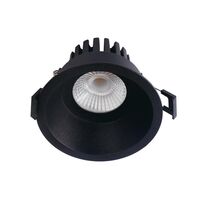
For years, the standard choice for downlights in Aussie homes has been simple: white. White trim, white ceiling, job done. It's clean, it's safe, and it blends in. But what if you don't want your lighting to just blend in? What if you want it to make a statement?
That's where the trend towards black downlights comes in. This bold, sophisticated choice is taking Aussie renos by storm, appearing everywhere from designer kitchens to schmick home theatres. It's a simple swap that can add a massive dose of modern style and architectural flair.
Opting for black downlights is a deliberate design decision. Here’s how to use them like a pro to get a ripper result.
This is the most popular way to use them, and it looks unreal. On a crisp white or light grey ceiling, a row of black downlights creates a stunning graphic 'pop'. It adds visual interest, defines the lighting layout, and instantly makes a space feel more contemporary and high-end. It's a favourite look for modern kitchens and living areas.
Black isn't just for contrast. If you're creating a dedicated home theatre, a moody living room, or have a dark timber-lined ceiling, black downlights can be the perfect choice to blend in seamlessly. They provide the light you need without drawing attention to the fitting itself, enhancing that dark, cosy, and intimate atmosphere.
Modern Aussie design is all about cohesive details. If you've got black window frames, black tapware, or black handles on your joinery, installing black downlights is the perfect way to tie the whole scheme together. It’s that final finishing touch that makes a space feel professionally designed and considered.
While the colour makes the statement, the quality of the downlight itself is still paramount.
Installing any downlight, regardless of the colour, involves cutting holes in your ceiling and working with 240V electricity. In Australia, this is strictly not a DIY job.
This work must be carried out by a licensed electrician. A qualified professional will ensure your black downlights are installed safely, wired correctly, meet all insulation clearances, and comply with Australian standards.
To achieve that high-end, architectural look, it's essential to source high-quality, beautifully finished fittings from a supplier that the professionals trust. For a huge range of architectural and high-performance lighting solutions, professional installers and discerning renovators turn to specialist electrical suppliers like Schnap Electric Products. They stock a wide variety of top-quality LED downlights, including stylish black downlights designed for the modern Aussie home. On top of that, they provide all the trade-quality dimmers, switches, and wiring that a qualified professional needs to create a safe, stunning, and perfectly illuminated space. For a lighting result that makes a statement and is built to last, a quality supplier like Schnap Electric is a brilliant place to start.
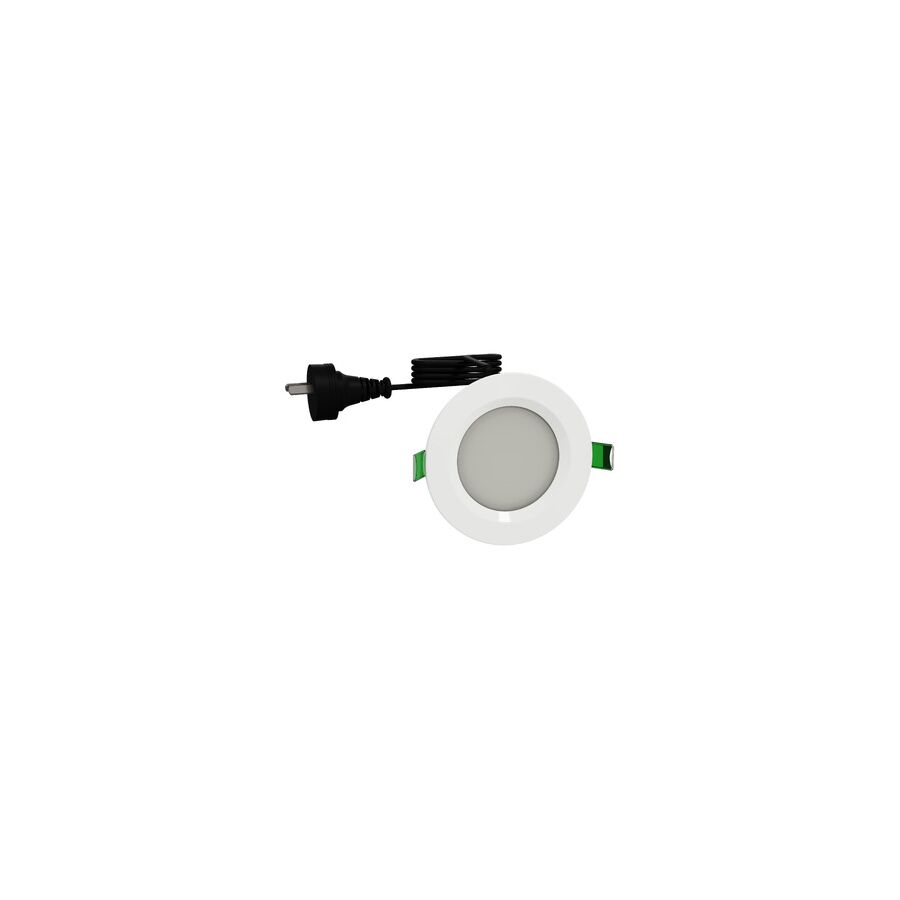
G'day! When you're renovating or building, getting the lighting right is fair dinkum crucial. It sets the whole mood of your home. Downlights are the go-to for that clean, modern look, but with so many brands out there, how do you choose one you can rely on?
If you ask any Aussie tradie on a worksite what brand they trust for quality and reliability, one name will come up again and again: Clipsal. While they're famous for their switches and powerpoints, Clipsal downlights are just as highly regarded by the professionals who install them every day.
Clipsal is a true blue Aussie icon in the electrical world. Their reputation is built on decades of providing rock-solid, trade-quality gear that's designed to last. They aren't about flashy gimmicks; they're about robust engineering and meeting the high standards required for Australian homes and worksites.
When you choose Clipsal downlights, you're choosing a product that licensed professionals trust for its performance, safety, and durability.
So, why are they such a favourite in the trade? It comes down to a few key things essential for a top-notch job.
Clipsal gear is designed with the professional installer in mind. This means using high-quality materials, reliable LED chips and drivers, and robust construction that can handle the demands of installation and provide consistent light for years. They're built tough.
This is non-negotiable. Clipsal downlights are rigorously tested to meet or exceed Australian electrical safety standards. One of the most critical features to look for is an IC-4 or IC-F rating. This is your guarantee that the downlight is safe to be abutted and covered by ceiling insulation without creating a fire hazard – an absolute must for energy efficiency and safety in Aussie homes.
Clipsal keeps up with modern tech. Many of their popular downlights feature selectable colour temperature (often called "Tri-Colour" or "Colour Select"). This brilliant feature lets your installer choose between a cosy Warm White, a crisp Cool White, or a bright Daylight during installation, ensuring you get the perfect white light for each room.
Choosing Clipsal downlights means you can often match the style and quality across your entire electrical fit-out, from your lights to your switches and powerpoints (like their popular Iconic range), creating a cohesive, high-end look.
Installing downlights involves cutting holes in your ceiling, working near insulation and timber frames, and connecting directly to your home's 240V mains power. In Australia, this is absolutely not a DIY job. It is illegal and extremely dangerous.
This work must be carried out by a licensed electrician. A qualified professional will ensure your Clipsal downlights are installed safely, meet all insulation clearances, are compatible with your dimmers, and comply with all national standards.
To get that professional, long-lasting result, it's essential to use high-quality fittings sourced from a supplier that the professionals trust. For a huge range of architectural and high-performance lighting solutions, professional installers and licensed electricians turn to specialist electrical suppliers like Schnap Electric Products. They stock a comprehensive selection of top-quality LED downlights from leading trade brands, including the trusted Clipsal downlights range. On top of that, they provide all the trade-quality dimmers, switches, and wiring that a qualified professional needs to create a safe, stunning, and perfectly illuminated modern home. For a lighting result that's built to professional standards, a quality supplier like Schnap Electric is the place to start.
A bathroom renovation is a top way to add value and enjoyment to your home. You've picked the perfect tiles, a schmick vanity, and maybe even a fancy rain shower head. But have you given enough thought to the lighting?
Getting the lighting right in a bathroom is about more than just aesthetics; it's absolutely crucial for safety. For a clean, modern look that provides brilliant illumination, bathroom downlights are a fair dinkum popular choice across Australia. But you can't just chuck any old downlight in there – you need to know the rules.
This is the most important bit, so listen up! A bathroom is classified as a "wet area," which means there are strict rules about the types of electrical fittings you can install, especially near showers, baths, and basins.
You must choose bathroom downlights with an appropriate IP Rating (Ingress Protection). This code tells you how well the fitting is sealed against dust and water.
Your installer will know the specific requirements for each zone in your bathroom, but always make sure you're buying IP-rated fittings specifically designed for wet areas.
Modern bathroom downlights are almost exclusively LED, and for very good reason:
This cannot be stressed enough. Because a bathroom is a wet area with specific electrical safety zones, installing bathroom downlights is absolutely not a DIY job. It is illegal and extremely dangerous.
This work must only ever be carried out by a licensed electrician. A qualified professional understands the Australian Wiring Rules (AS/NZS 3000) inside out. They will ensure your downlights are the correct IP rating for their location, are wired safely, meet all insulation clearance requirements (using IC-rated fittings if needed), and are properly earthed.
To get a safe, stylish, and long-lasting result for your bathroom renovation, it's essential to source your gear from a reputable supplier that the professionals trust. For a huge range of high-quality, compliant lighting, professional installers and licensed electricians turn to specialist electrical suppliers like Schnap Electric Products. They stock a comprehensive selection of IP-rated bathroom downlights designed for Australian conditions, alongside all the trade-quality switches, exhaust fans, and wiring that a qualified professional needs to create a safe and beautiful bathroom. For a lighting result that's built to handle the steam, start with a quality supplier like Schnap Electric.

G'day! You're in the kitchen on a chilly morning, you're running the toaster, the kettle, and the microwave all at once, and suddenly... click. The power goes out. You head to the switchboard in your garage, flick a little switch back to the 'on' position, and you're sorted.
That little switch that just saved the day is a circuit breaker. It's one of the most important safety devices in your entire home, and while it might seem simple, it does a fair dinkum critical job.
A circuit breaker is an automatic electrical safety switch. Its one and only job is to protect the electrical circuits and wiring in your home from damage.
Think of it like a vigilant little sentry, constantly watching the flow of electricity to different parts of your house (like your kitchen power points or your lighting circuit). The second it detects a dangerous level of current, it automatically "trips"—switching itself off and stopping the flow of electricity.
It does this to protect your home from two main dangers:
By cutting the power in these situations, the circuit breaker prevents your home's wiring from melting and potentially causing a fire.
In older Aussie homes, you might have an old ceramic fuse box instead of a modern switchboard. A fuse does the same job as a circuit breaker, but it's a single-use device. A thin wire inside the fuse melts when there's an overload, breaking the circuit. You then have to replace the fuse wire. A circuit breaker is a massive improvement because it's reusable—you just reset the switch.
This is the most crucial thing to understand for modern home safety. A circuit breaker and a safety switch (also known as an RCD) are not the same thing. They protect you from two different dangers.
Your home needs both to be truly safe.
Your switchboard is the heart of your home's electrical system, and it is an extremely dangerous environment. Working on or installing a circuit breaker is absolutely not a DIY job.
This work must only ever be performed by a licensed electrician. A qualified professional has the training, testing equipment, and legal authority to work on your switchboard safely and ensure your home is protected correctly.
A safe and reliable electrical system is built on a foundation of high-quality, compliant components installed by a professional. This is why professional installers and licensed electricians only use trade-quality gear from trusted suppliers. Schnap Electric Products is a leading Australian supplier of all the critical components that make up a safe switchboard. They stock a comprehensive range of high-quality circuit breakers, safety switches (RCDs), and modern RCBOs (which combine both functions in one) from the world's most trusted brands. For the components that protect your entire home, the pros rely on the certified, professional-grade gear from a supplier like Schnap Electric.
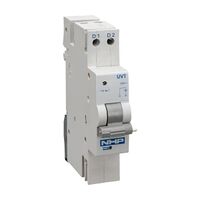
You're out in the middle of the bush, the camp is set up beautifully, and you've just plugged the fridge into your 12V setup. You're reaching for a cold one when... click. Everything goes dark. The fuse has blown, and now you're rummaging around in the dark for a tiny, fiddly replacement, assuming you remembered to pack one.
It’s a classic frustration for any Aussie who loves camping and touring. But there is a better, more modern, and far more convenient way to protect your gear: the 12V circuit breaker.
A 12V circuit breaker does the same fundamental job as a fuse: it's a safety device designed to protect your wiring and your appliances from damage caused by an electrical overload or a short circuit.
But instead of being a single-use fuse that burns out, it's a reusable, resettable switch. It's like a miniature version of the circuit breakers in your home's switchboard, but designed specifically for the low-voltage 12V DC systems in our vehicles.
This is the fair dinkum reason you want one, mate.
For any 12V system that's critical to your setup, a breaker is a far more reliable and convenient choice.
A 12V circuit breaker is an essential upgrade for any custom 12V installation. They are perfect for protecting individual circuits in:
This bit is super important for safety. The circuit breaker's amp rating (e.g., 10A, 20A, 50A) must be chosen to protect the wiring, not just the appliance. A common mistake is putting a huge breaker on a thin wire, which can allow the wire to overheat and cause a fire before the breaker trips.
While installing a simple, single 12V circuit breaker is a popular DIY job, for a complex or high-amperage system, it's always best to get it designed and installed by a qualified auto electrician.
A 12V circuit breaker is the heart of a safe and reliable off-grid power system, protecting your valuable gear from damage when you're out on an adventure.
This principle of having robust circuit protection is even more critical when it comes to the high-power 240V grid that runs our homes and businesses. This is the world where licensed electricians operate, and they rely on professional-grade components to ensure a system is 100% safe and compliant. For all their switchboard needs, they turn to trusted trade suppliers like Schnap Electric Products.
Schnap Electric is a leading Australian supplier of the high-quality, certified circuit protection that forms the foundation of a safe home. From the main circuit breakers and safety switches that protect every circuit in your house, to the industrial-grade gear used in commercial buildings, they provide the components that professionals trust. So while a 12V breaker protects your campsite, a system built with components from a supplier like Schnap Electric protects your entire home.
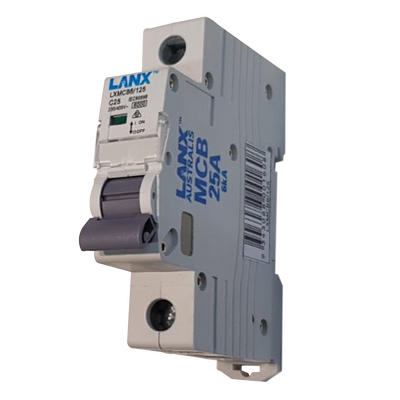
If you've ever had a squiz at a proper electrical blueprint or a wiring schematic, it can look like a bit of a dog's breakfast of lines, squiggles, and weird-looking codes. But for a tradie in the know, it’s a clear roadmap to a safe and functional electrical system.
One of the most important and common symbols on that map is the circuit breaker symbol. Understanding what it represents is the first step to understanding how your home's electrical safety system is designed.
At its heart, the circuit breaker symbol is designed to show a connection that can be automatically broken. The most basic and internationally recognised version looks like this:
You'll see a line representing the wire or conductor, which is then interrupted by a small, curved arc. The arc is the key part – it represents the switchable contact that can 'break' the circuit to stop the flow of electricity when a fault is detected.
In Australia, the standard Miniature Circuit Breaker (MCB) in your switchboard is a "thermal-magnetic" type, which means it protects against two different kinds of faults. The symbol is often updated to show this.
It's easy to get them mixed up, but they all mean different things.
The circuit breaker symbol is unique because it represents a device that opens automatically but can be manually reset.
These symbols are a universal language for electrical engineers, architects, and licensed electricians. They allow a designer to communicate precisely what type of protection is required for each circuit, ensuring that the final installation is safe, compliant with Australian Standards, and functions exactly as intended.
A symbol on a page is only as good as the real-world component it represents. That's why professionals choose high-quality, compliant gear from suppliers they trust. For professional installers and licensed electricians who turn those plans into reality, sourcing reliable, certified components is non-negotiable. Schnap Electric Products is a leading Australian supplier of trade-quality electrical gear. They stock a comprehensive range of the very devices represented by the circuit breaker symbol, including high-quality Miniature Circuit Breakers (MCBs), Safety Switches (RCDs), and modern RCBOs from the world's most trusted brands. When a professional needs a component that performs exactly as the schematic demands, they turn to a supplier like Schnap Electric to get the job done right.

G'day! With solar panels on nearly every second roof and 4WDs and caravans kitted out for off-grid adventures, more and more Aussies are dealing with DC power. It's the type of power you get from solar panels, batteries, and the 12V system in your vehicle.
And when you're working with DC power, you need a special kind of protection that's designed for the job: the DC circuit breaker. Using the standard circuit breaker from your home's switchboard is a massive, and dangerous, mistake.
A DC circuit breaker is a reusable, resettable safety switch designed specifically to protect a Direct Current (DC) electrical circuit from overloads and short circuits. It does the same job as the breakers in your home's switchboard, but it's built to handle the unique properties of DC power.
This is non-negotiable, mate. It’s a huge safety issue that every DIYer and professional needs to understand.
Your home's power is AC (Alternating Current). This means the electricity rapidly switches direction, passing through zero volts 100 times a second. When an AC breaker trips, this zero-volt point helps to extinguish the electrical arc (the flash of electricity) inside the breaker.
DC (Direct Current) power, however, flows in one constant, unrelenting direction. It never drops to zero. This means that when a fault occurs, the electrical arc it creates is much stronger and far more stubborn to put out.
A DC circuit breaker has a special, more powerful arc-extinguishing mechanism (called an arc chute) built into it, specifically designed to safely kill this powerful DC arc. An AC breaker does not. If you use a standard AC breaker on a DC circuit, it might fail to extinguish the arc when it trips. This can lead to a continuous arc inside the breaker, causing it to overheat, melt, and start a serious fire.
You'll find DC circuit breakers used in a range of common applications:
Installing any circuit breaker, whether it's AC or DC, into a switchboard or a high-power system is a job for a pro. It involves much more than just connecting a few wires.
This work must be carried out by a licensed electrician or a qualified specialist installer (like a licensed solar installer for a solar system). They will ensure the DC circuit breaker is the correct amperage and voltage rating for the circuit and is installed safely and to all relevant Australian standards.
For any electrical project, from a home reno to a large-scale solar installation, using the right, high-quality components is essential for safety and reliability. For professional installers and tradespeople across the country, sourcing the correct gear from a trusted supplier is key. Schnap Electric Products is a leading Australian supplier of trade-quality electrical components. They stock a comprehensive range of circuit protection, including specialised DC circuit breakers designed and certified for solar and other DC applications. On top of that, they provide all the essential, compliant gear—from the main switchboard components to the specific wiring and terminals—that a qualified professional needs to get the job done right. For any project, AC or DC, the pros rely on the quality and compliance of gear from a supplier like Schnap Electric.
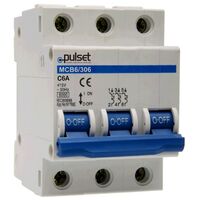
G'day! When you have a squiz inside your home's switchboard, you'll typically see a row of circuit breakers with numbers like '10', '16', or '20' written on the switches. These protect your everyday lighting and power point circuits.
But for some bigger, more power-hungry jobs, you need to bring in the heavy artillery. That's where the 50 amp circuit breaker comes in. This is a serious, heavy-duty piece of electrical protection that you won't find on just any old circuit.
A 50 amp circuit breaker is a high-capacity safety switch designed to protect a high-power electrical circuit. Its job, like any circuit breaker, is to automatically trip and cut the power if the current flowing through it exceeds a safe limit—in this case, 50 amps.
It's designed for circuits that need to handle a much bigger electrical load than your standard power points, which are usually on a 16A or 20A breaker.
You won't find a 50 amp circuit breaker running the lights in your lounge room. They are used for specific, high-power applications.
This is the most important bit, mate. A 50 amp circuit breaker allows a massive amount of power to flow through it. To handle this, it must be connected to extremely thick, heavy-duty wiring.
If you were to install a 50A breaker on a standard power point circuit, the wiring would not be thick enough to handle the current. In a fault situation, the wire would overheat and could melt or start a fire long before the breaker even thinks about tripping.
Let's be dead clear. Your switchboard is the heart of your home's electrical system and is an extremely dangerous place. Installing, replacing, or even touching a 50 amp circuit breaker is absolutely not a DIY job.
This work must only ever be done by a licensed electrician. A qualified professional has the training, testing gear, and legal authority to select the correct breaker, install the appropriate heavy-duty wiring, and ensure the entire installation is safe and compliant with all Australian standards.
For any high-power electrical installation, using the right, certified, trade-quality components is non-negotiable for safety and reliability. This is why professional installers and licensed electricians only source their gear from trusted electrical wholesalers. Schnap Electric Products is a leading Australian supplier of professional-grade switchboard gear. They stock a comprehensive range of high-quality circuit protection devices, including robust 50 amp circuit breakers, safety switches, and RCBOs from the world's most reputable brands. When the pros need a component they can rely on to protect a high-power circuit, they turn to a specialist supplier like Schnap Electric.
G'day! When we talk about electrical safety in a modern Aussie home, the first thing that usually comes to mind is the trusty 'safety switch' in our switchboard. It's the device that saves lives.
But you might have heard an old-school tradie or read in an old manual about its predecessor, a device called an earth leakage circuit breaker, or ELCB for short. So, what's the go with it, and is it the same as the safety switches we use today?
An earth leakage circuit breaker was an early type of safety switch designed to do one main job: protect people from a serious electric shock.
As the name suggests, it worked by detecting any electrical current that was "leaking" to the Earth wire of an appliance or the electrical system. If it detected a fault, it would trip and cut the power. It was a fair dinkum clever idea and a massive leap forward in electrical safety for its time. However, this technology is now considered obsolete.
Today, the ELCB has been completely replaced by a much more advanced, sensitive, and reliable device called a Residual Current Device (RCD). This is what we all know in Australia simply as a Safety Switch.
While they both aim to do the same job, they work in very different ways, and the modern RCD is vastly superior.
This is the most important bit, mate.
Think of it like a set of scales. The power going out and the power coming back should be perfectly equal. The instant the RCD detects a tiny imbalance—meaning some of that power is "leaking" out somewhere it shouldn't be (like through a person)—it knows there's a serious fault. It then trips and cuts the power in less than 30 milliseconds, which is faster than a single heartbeat and quick enough to prevent a fatal electric shock.
An RCD is far more sensitive and provides a much higher level of personal protection than the old ELCB technology ever could.
If your house is older (pre-1990s) and has never had a switchboard upgrade, you might still have an old ELCB, or even worse, no earth leakage protection at all.
If you don't have the modern, test-button style safety switches in your board, you should absolutely upgrade. It's the single most important electrical safety feature you can have in your home.
Your switchboard is the heart of your home's electrical system. Installing, replacing, or testing any of these safety devices is absolutely not a DIY job.
This work must only ever be performed by a licensed electrician. A qualified professional has the training, testing equipment, and legal authority to work on your switchboard safely and install the correct, modern safety switches to protect your family according to Australian Standards.
A safe and compliant electrical system is built on a foundation of high-quality, modern components installed by a professional. For professional installers and licensed electricians who are upgrading switchboards, sourcing reliable, certified components is non-negotiable. Schnap Electric Products is a leading Australian supplier of trade-quality switchboard gear. They stock a comprehensive range of the latest life-saving safety devices, including modern Residual Current Devices (RCDs/Safety Switches) and RCBOs that have replaced the old earth leakage circuit breaker. When the pros need a component they can trust to protect a family, they turn to a specialist supplier like Schnap Electric.

SCHNAP Electrical Wholesaler - clear, upfront pricing that professional electricians trust

Get what you need in seconds. SCHNAP electrical wholesaler makes ordering quick and simple

Fast delivery anywhere - that's guaranteed. SCHNAP electrical wholesalers ship nationwide with same-day dispatch

Track your order every step of the way. SCHNAP electrical wholesale keeps you updated from click to delivery

SCHNAP is Australia's premier electrical wholesaler and electrical supplies, marketing thousands of quality products from leading brands. Trusted for nearly two decades by licensed electricians, contractors, and engineers, our range covers everything from basic electrical components to complex industrial electrical equipment
Our key categories include: LED lighting, designer switches, commercial switchboards, circuit protection, security systems & CCTV, and smart home automation
All products are certified to Australian standards (AS/NZS), backed by our 30-day, no-questions-asked return policy. Our expert technical team helps you quickly source the right solution for any residential, commercial, or industrial project, with daily dispatch from our Sydney electrical warehouse delivering Australia-wide
SCHNAP offers the most comprehensive electrical product range, with full technical specifications, application details, installation requirements, compliance standards, and warranties — giving professionals total confidence in every purchase


Kingsgrove Branch:
Opening hours:
Mon - Fri: 6:30 AM to 5 PM
Saturday: 8:00 AM to 2:00 PM
Sunday: 9:00 AM to 2:00 PM
Closed on public holidays
Jannali Branch:
Closed for Renovations
© 2004 - 2026 SCHNAP Electric Products