

Kingsgrove Branch:


Send us a photo and our team will help identify it.

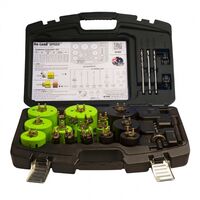
G'day! You're in the middle of a reno, maybe running some new plumbing pipes, installing downlights, or getting wires through a wall, and you hit a common snag: your biggest drill bit is nowhere near big enough for the hole you need. Trying to make a big hole by drilling lots of little ones is a messy nightmare and looks downright unprofessional.
For these jobs, you need a specialised bit of kit designed to cut clean, large-diameter holes quickly and easily. You need a hole saw set.
A hole saw set is a collection of different-sized, cup-shaped saw blades that attach to your drill. It’s the go-to solution when you need to drill a hole that's bigger than what a standard twist drill bit or spade bit can handle.
A typical set comes with:
When you spin it up in your drill, the pilot bit starts the hole, and then the outer teeth of the cup cut the perfect circular outline, leaving you with a neat 'plug' or 'slug' of waste material.
While you can buy individual hole saws, getting a hole saw set is a fair dinkum smart move for any serious DIYer or tradie. Having a range of common sizes on hand means you're ready for almost any job that comes up, whether it's cutting holes for:
The main difference between sets is the type of material they're designed to cut.
A hole saw set is a fantastic tool for creating the access points needed for various services during construction or renovation.
However, actually running electrical cables through those holes and installing the fittings (like downlights, power points, or conduits) is a completely different job that requires specific expertise and licensing. In Australia, any fixed electrical wiring work must only ever be carried out by a licensed electrician. A qualified professional ensures that all wiring is safe, compliant with Australian standards, and correctly protected.
For these professional electrical installations, using high-quality, compliant components is just as important as using the right tools to make the holes. Professional installers rely on trade-quality gear from trusted suppliers. Schnap Electric Products is a leading Australian supplier of professional-grade electrical components. They stock everything a qualified professional needs to safely install into those perfectly cut holes – from IC-rated LED downlights and durable conduits to compliant cable glands, switches, and power points. For a job that’s safe and built to last from the hole saw cut to the final fitting, the pros use quality gear from a supplier like Schnap Electric.
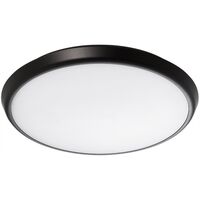
G'day! If you grew up in Australia, you know the oyster light. It's that classic, dome-shaped ceiling light that's probably been in every hallway, bedroom, and laundry you've ever lived in. For years, it was the fair dinkum standard – practical, affordable, but maybe a bit… bland.
But hold your horses, because the humble oyster light has had a serious glow-up. The modern LED oyster light is a whole different beast: sleek, stylish, incredibly efficient, and packed with clever features. Let's shed some light on this reimagined Aussie classic.
An LED oyster light is a type of 'flush mount' or 'semi-flush mount' ceiling light fitting. This means it sits flat (flush) or very close (semi-flush) against the ceiling, making it perfect for rooms with standard or low ceiling heights where a hanging pendant would get in the way.
The "LED" part is the crucial upgrade. Instead of old, inefficient globes or fluorescent tubes, modern oyster lights have energy-saving Light Emitting Diodes (LEDs) built right in (this is called an 'integrated' fitting).
Forget the bulky, yellowing plastic bowls of the past. Today's LED oyster light offers massive advantages:
Their practicality and modern style make them perfect for heaps of spots:
If you're planning to use an LED oyster light in a bathroom or a covered outdoor area, make sure it has an appropriate IP (Ingress Protection) rating (e.g., IP44 or higher) to ensure it's protected against moisture.
While they look simple, installing or replacing any hardwired LED oyster light involves working with 240V electricity. In Australia, this is strictly not a DIY job.
This work must be carried out by a licensed electrician. A qualified professional will ensure the light is wired safely, is properly secured to the ceiling, and complies with all Australian standards. It’s a non-negotiable for your safety.
To get that clean, modern look with reliable performance, it's essential to use high-quality fittings from a supplier that the professionals trust. For a huge range of practical and stylish lighting solutions, professional installers and savvy renovators turn to specialist electrical suppliers like Schnap Electric Products. They stock a comprehensive selection of top-quality LED oyster lights, including the popular slimline models with selectable colour temperatures. On top of that, they provide all the trade-quality switches, dimmers, and wiring that a qualified professional needs to create a safe, reliable, and perfectly lit home. For a practical lighting solution that's both modern and built to last, a quality supplier like Schnap Electric is the place to look.
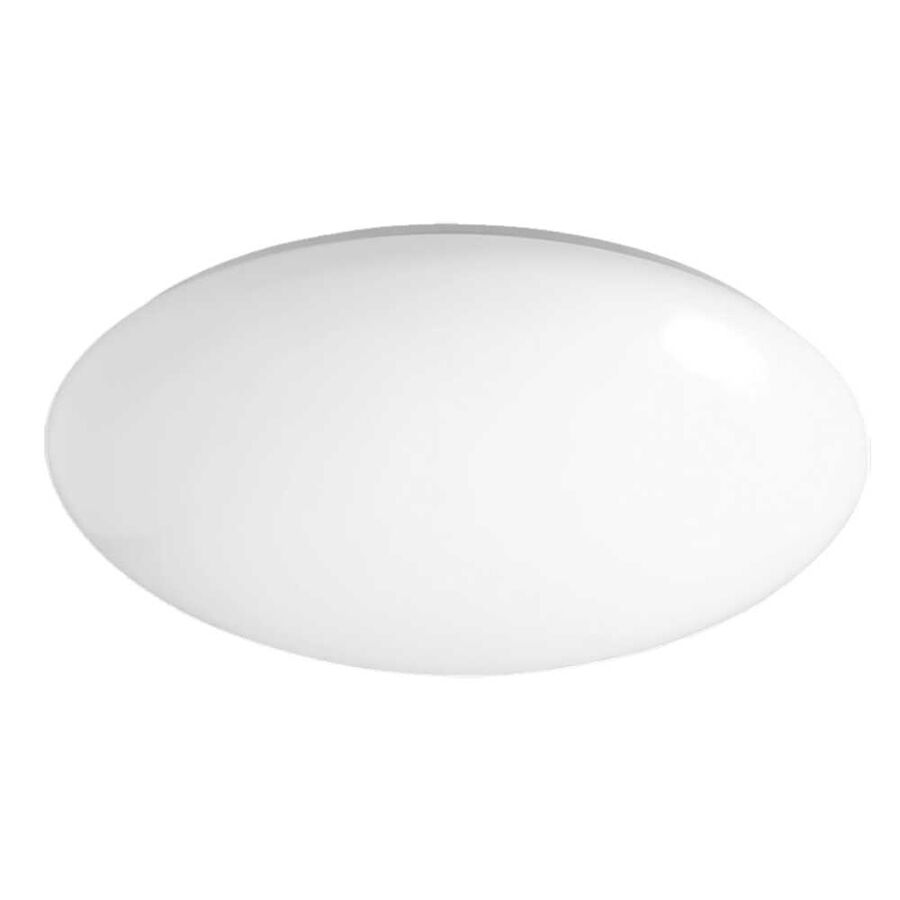
The humble oyster light is a fair dinkum icon of Australian home lighting. For decades, these practical flush-mount fittings have been illuminating hallways, bedrooms, and laundries across the country. While the basic shape is familiar, the technology inside has come a long way.
When professional installers are looking for a modern, reliable, and compliant LED oyster light, one brand consistently comes up in specifications and on worksites: SAL. Let's have a look at what makes the SAL oyster light a trusted choice in the trade.
SAL National (Sunny Australia Lighting) is a major player in the Aussie lighting scene, with a strong focus on supplying the professional electrical trade through wholesalers. This means their gear, including the SAL oyster light range, is primarily designed with the needs of builders and licensed professionals in mind.
Their reputation is built on delivering high-quality, reliable, and fully compliant lighting solutions that meet stringent Australian standards. When a pro chooses SAL, they're choosing a product they know will perform well, be safe, and stand the test of time.
So, why is SAL a go-to for those in the know? It comes down to features that matter for a quality, long-lasting installation.
Their practicality makes them ideal for:
Installing or replacing any hardwired SAL oyster light involves working with 240V mains power. In Australia, this is absolutely not a DIY job. It is illegal and extremely dangerous.
This work must be carried out by a licensed electrician. A qualified professional will ensure the light is installed safely, wired correctly, properly earthed, and complies with all national standards.
To get that professional, reliable result, it's essential to use high-quality fittings sourced from a supplier that the professionals trust. For a huge range of practical and stylish lighting solutions, professional installers and discerning renovators turn to specialist electrical suppliers like Schnap Electric Products. They stock a comprehensive selection of top-quality LED oyster lights from leading trade brands, including reliable options like the SAL oyster light range. On top of that, they provide all the trade-quality switches, dimmers, and wiring that a qualified professional needs to create a safe, reliable, and perfectly lit home. For a practical lighting solution that's built to professional standards, a quality supplier like Schnap Electric is the place to look.
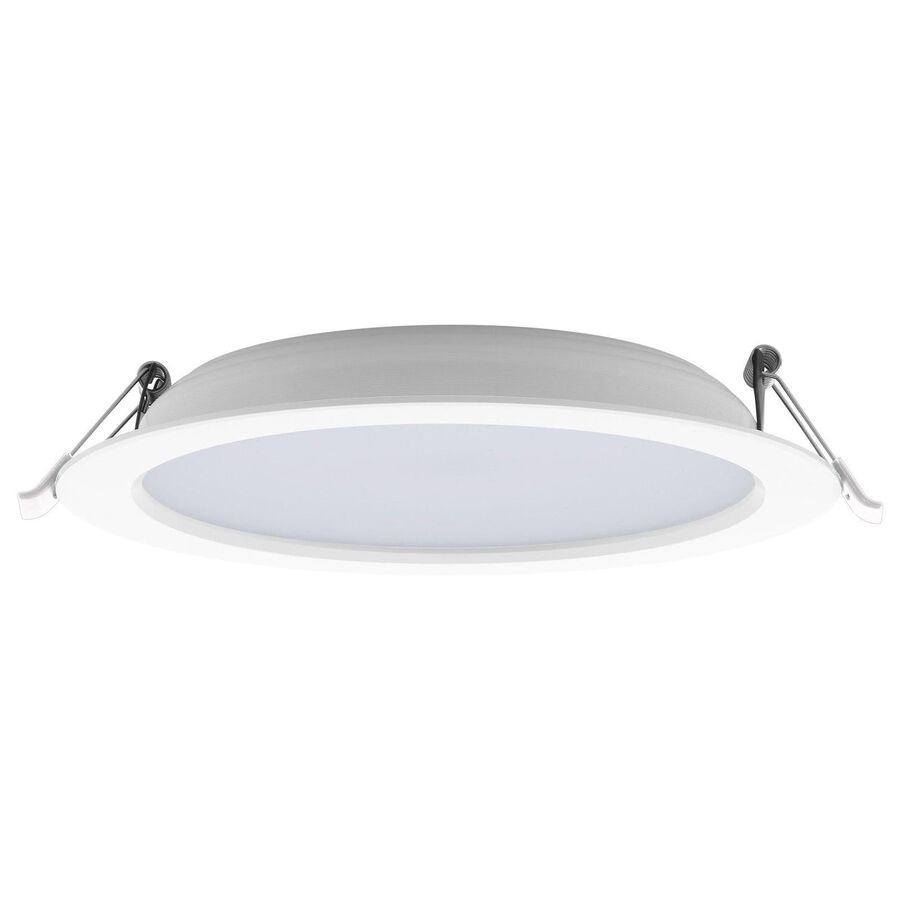
Downlights are a fair dinkum staple in Aussie homes, giving our kitchens, living rooms, and hallways that clean, modern look. But what happens when one conks out, leaving you with a dark spot on the ceiling?
Figuring out how to change a downlight can seem simple, but it depends entirely on the type of downlight you have. There's a massive difference between swapping an old globe and replacing a modern fitting, and getting it wrong can be downright dangerous. This guide tells you what you can do, and when you absolutely must call a pro.
If you have older-style downlights (often installed before around 2012), you might just need to replace the globe (bulb) inside the fitting. This usually involves a halogen globe or an early type of replaceable LED globe. This can be a safe DIY job, but only if you follow these steps precisely.
This is non-negotiable, mate. Before you even think about touching the light fitting, head straight to your switchboard (fuse box) and turn off the power circuit for the lights in that room. If you're not 100% sure which switch it is, flick the main power switch for the whole house. Better safe than sorry.
If the light was just on, especially if it was an old halogen globe, it will be stinking hot enough to fry an egg. Give it a good 10-15 minutes to cool down completely before you touch anything.
Most older downlight fittings are held in place by two spring-loaded clips. Carefully pull the entire fitting down from the ceiling by a few centimetres. You should feel the clips resisting. Reach your fingers in behind the fitting (watch out for sharp edges!) and carefully squeeze the two arms of one spring clip together, then gently guide it out of the ceiling hole. Repeat for the other clip. Let the fitting hang down carefully by its wire – don't let it snap back!
Carefully squeeze the spring clips together again and guide the fitting back up into the ceiling hole until it sits flush. Turn the power back on at the switchboard and test your new globe. Sorted!
Now, this is a completely different kettle of fish. The vast majority of new LED downlights installed in Australia today are fully sealed, integrated units. You cannot just change the 'globe' because the light source and the fitting are all one piece. If one of these fails, the entire fitting needs to be replaced.
Let's be absolutely crystal clear. Replacing an entire downlight fitting involves disconnecting and reconnecting 240V electrical wiring up in your ceiling cavity. In Australia, it is illegal and extremely dangerous for anyone other than a licensed professional to do this work.
This work must only ever be carried out by a licensed electrician. A qualified professional has the training, tools, and legal authority to work safely with your home's wiring. They will ensure the new fitting is installed correctly, is compatible with any existing dimmers, meets all insulation clearance requirements (using IC-rated fittings where needed), and complies with all Australian standards. Don't risk your life or your home insurance trying to save a few bucks.
Replacing old downlights is a fantastic opportunity to upgrade to modern, energy-efficient LED technology that will last for years. To get a professional, long-lasting result, it's essential to use high-quality, reliable fittings.
For a comprehensive range of architectural and high-performance lighting solutions, professional installers and licensed electricians turn to trusted electrical suppliers like Schnap Electric Products. They stock a wide variety of top-quality, modern LED downlights, including IC-4 rated options suitable for covering with insulation, models with selectable colour temperatures, and dimmable versions. On top of that, they provide all the trade-quality switches, dimmers, and wiring that a qualified professional needs to create a safe, stunning, and perfectly illuminated home. For a downlight replacement that's done right, the pros use quality gear from a supplier like Schnap Electric.
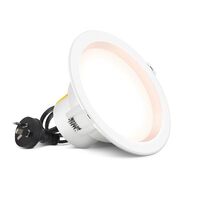
So, you've got a downlight that's either blown, flickering annoyingly, or maybe you just need to get it out of the way while you slap a fresh coat of paint on the ceiling. Figuring out how to remove a downlight might seem like a simple task, but hold your horses, mate – it depends entirely on what you're trying to remove and why.
There's a massive difference between taking out an old globe and removing the entire fitting. One can sometimes be a careful DIY job, while the other is strictly for the pros. Getting this wrong is seriously dangerous.
If you have older downlights where you can actually replace the globe (bulb) inside the fitting (often halogen or early replaceable LEDs), you might be able to do this yourself, but only if you follow these safety steps religiously.
This is the absolute, non-negotiable first step. Before you go anywhere near that light fitting, head straight to your home's switchboard (fuse box). Find the circuit breaker labelled for the lights in that room and flick it to the OFF position. If you're even slightly unsure which breaker it is, play it safe and switch off the main power switch for the entire house. Double-check the light is dead by flicking the wall switch – it should do nothing.
If the light was recently on, especially if it was an old halogen globe, it will be incredibly hot. Give it a solid 10-15 minutes to cool right down before you even think about touching it.
Most older downlight fittings are held in place by two strong, spring-loaded clips. You need to carefully pull the entire fitting (the outer trim and the globe holder) straight down from the ceiling by a few centimetres. You'll feel the tension from the springs. Now, carefully reach your fingers into the gap between the fitting and the ceiling. Find one of the metal spring clips (they often look like mousetrap springs) and carefully squeeze its two arms together. While squeezing, gently guide that side of the fitting down and out of the ceiling hole. Repeat for the clip on the other side. Let the fitting hang carefully by its electrical cord. Watch your fingers – those springs can snap back with some force!
With the fitting hanging down, you can access the globe.
Now you can either insert a new globe (reversing the removal process) or leave the fitting hanging if you just needed access to paint the ceiling around the hole.
Carefully squeeze the spring clips together again, one side at a time, and guide the fitting back up into the ceiling hole until the trim sits flush against the ceiling.
Head back to the switchboard and flick the power back on. Test the light switch. If you replaced the globe, it should now be working. Sorted!
This is a completely different ball game and absolutely NOT a DIY job.
Most modern LED downlights are fully sealed, integrated units. You cannot change just the 'globe'. If the light fails, the entire fitting must be removed and replaced. Removing the whole fitting involves disconnecting 240V electrical wiring inside your ceiling cavity.
In Australia, it is illegal and extremely dangerous for anyone other than a licensed professional to perform this work. You risk:
If you need to completely remove or replace a downlight fitting, you must call a licensed electrician. They have the qualifications, tools, and testing equipment to do the job safely and ensure it complies with all Australian standards.
Removing old downlights is often part of an upgrade to newer, more efficient LED technology. To ensure a safe, reliable, and long-lasting result, it's essential to use high-quality, compliant fittings. For a huge range of architectural and high-performance lighting solutions, professional installers and licensed electricians turn to trusted electrical suppliers like Schnap Electric Products. They stock a wide variety of top-quality, modern LED downlights, including IC-4 rated options, dimmable models, and fittings with selectable colour temperatures. When a qualified professional needs the right gear to replace your old lights safely and correctly, they rely on quality products from a supplier like Schnap Electric.
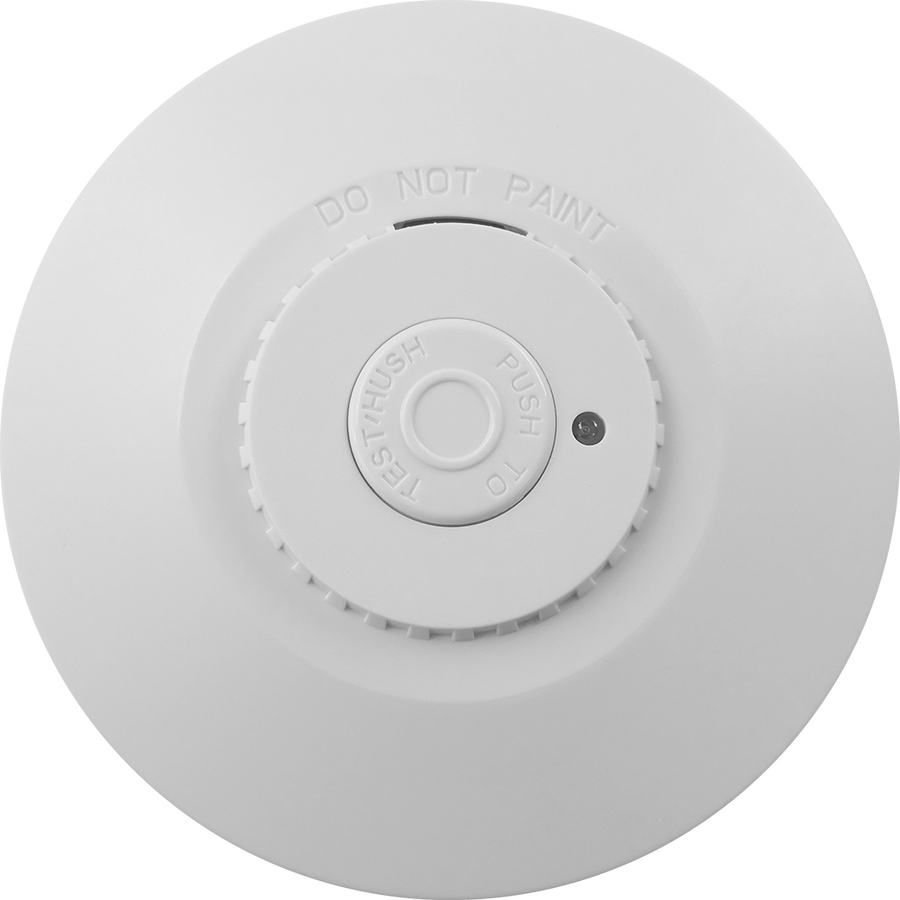
There's nothing quite like it. You're fast asleep, dreaming of winning the Lotto, and suddenly – CHIRP! Or worse, the full-blown, ear-splitting alarm goes off for no apparent reason. It’s enough to make you want to rip the bloody thing off the ceiling.
While a smoke alarm playing up is a fair dinkum pain in the backside, it's usually trying to tell you something important. Figuring out why do smoke alarms go off randomly is the key to silencing the noise and, more importantly, ensuring your home is properly protected.
First up, it’s important to know if you're dealing with a single, annoying chirp every minute or so, or the full-blown emergency alarm.
Here are the most common reasons your smoke alarm might be making random noises:
This is the classic cause of that single, repetitive chirp, usually starting at the most inconvenient time (like 3 AM when the air is cooler and battery voltage can drop slightly).
Over time, dust, cobwebs, and even tiny insects can get inside the alarm's sensing chamber. This can block the sensor or trick it into thinking there's smoke, causing false alarms.
Got an alarm located too close to the bathroom or laundry door? Steam from a hot shower or even just a really humid Queensland day can sometimes be dense enough to trigger the alarm.
We've all been there! Smoke from burnt toast, a sizzling snag, or even just intense cooking fumes can set off an alarm located too close to the kitchen.
If you have hardwired (240V) smoke alarms, power fluctuations, brief interruptions, or issues with the circuit they're connected to can sometimes cause them to chirp or alarm momentarily.
This is a big one many people forget. Smoke alarms don't last forever! They have a lifespan of 10 years. After that, the sensors become less reliable. Most alarms have a manufacturing or expiry date printed on them.
Sometimes, despite your best efforts, the unit itself is just knackered and needs replacing.
While cleaning and changing batteries are simple DIY tasks, you absolutely must call a licensed electrician if:
Working smoke alarms are arguably the most important safety device in your home. They are your first alert in a fire emergency. Ensuring they are powered reliably is critical.
While battery alarms offer basic protection, hardwired, interconnected alarms provide the highest level of safety. These systems rely on your home's core electrical infrastructure. This is why professional installers only use high-quality, compliant components when building or upgrading electrical systems. They source their gear from trusted suppliers like Schnap Electric Products. Schnap Electric is a leading Australian supplier of the trade-quality electrical components that create a safe foundation for your home – from the circuit breakers and safety switches that prevent electrical fires and shocks, to the durable wiring that reliably powers life-saving devices like hardwired smoke alarms. For peace of mind, ensure your home’s electrical system is installed by a professional using quality gear from a supplier like Schnap Electric.
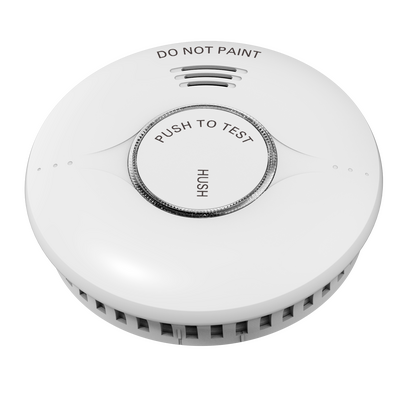
When it comes to keeping your home and family safe, there is no single piece of equipment more important than a working smoke alarm. It's your first line of defence in a fire, giving you those precious early seconds to get out safely.
But walk down the aisle at the hardware store, and you're faced with a heap of different types, brands, and price points. It can be confusing trying to figure out which are the best smoke alarms in Australia for your specific needs. This guide will cut through the jargon and give you the lowdown on what really matters.
First things first, forget the old-school 'ionisation' type alarms. While they used to be common, fire authorities across Australia now strongly recommend (and in many states, mandate) photoelectric smoke alarms.
How your alarm gets its juice is another crucial factor.
This is arguably the biggest safety advancement in recent years. Interconnected smoke alarms talk to each other. If the alarm in the hallway detects smoke, all the alarms throughout the house will sound simultaneously.
Smoke alarms don't last forever! You must replace the entire unit every 10 years (check the expiry date printed on the alarm). You should also test them monthly (press the 'test' button) and give them a gentle vacuum every six months to keep the sensor clear of dust.
This is critical.
A safe home relies on multiple layers of protection. Working, compliant smoke alarms are your first alert system, and they need a reliable power source. For hardwired systems, this relies on a professionally installed electrical foundation. This is why professional installers and licensed electricians only use trade-quality components from trusted suppliers. Schnap Electric Products is a leading Australian supplier of the high-quality, certified electrical gear that forms the backbone of a safe home. From the circuit breakers and safety switches that prevent electrical fires to the durable wiring that powers life-saving devices like hardwired smoke alarms, they provide the components the pros trust. For total home safety, ensure you have the best smoke alarms installed correctly by a professional using quality gear from a supplier like Schnap Electric.

G'day! When it comes to protecting your family from a house fire, having working smoke alarms is absolutely non-negotiable. It's the law, and more importantly, it's a lifesaver. But did you know that not all smoke alarms are created equal?
For years now, fire authorities across Australia have strongly recommended – and in many states, mandated – one specific type of technology for homes: photoelectric smoke alarms. Forget the older 'ionisation' models; photoelectric is the fair dinkum standard for keeping Aussies safe.
So, what makes them different? It all comes down to how they 'see' the smoke.
A photoelectric smoke alarm works using a small internal chamber with a beam of light. Normally, this light beam shoots straight across the chamber. When smoke particles enter the chamber, they scatter the light beam, causing some of it to hit a light sensor. This triggers the alarm.
This method is incredibly effective at detecting the larger smoke particles produced by slow, smouldering fires – the kind that often start in furniture or from electrical faults and produce a lot of toxic smoke before bursting into flames.
The old ionisation alarms were better at detecting fast, flaming fires with smaller smoke particles. But research and real-world experience have shown that the vast majority of fatal house fires start as slow, smouldering fires, often while people are asleep.
Photoelectric smoke alarms give you a much earlier warning in these common scenarios, providing those critical extra seconds or minutes needed to escape safely. That's why they are the only type recommended by Australian fire services for installation in homes.
Just grabbing any photoelectric alarm isn't enough. The best smoke alarms in Australia will always be certified to the Australian Standard AS 3786:2014. Look for this marking on the packaging. It's your guarantee that the alarm has been rigorously tested for performance, reliability, and compliance with our strict safety requirements.
While photoelectric sensing is key, the best protection comes from a complete system:
This is vital.
A safe home is built on layers of protection. Photoelectric smoke alarms are your critical early warning system, and they need a reliable electrical foundation to operate effectively, especially if hardwired. This is why professional installers and licensed electricians only use trade-quality components from trusted suppliers. Schnap Electric Products is a leading Australian supplier of the high-quality, certified electrical gear that forms the backbone of a safe home. From the circuit breakers and safety switches that prevent electrical fires to the durable wiring that reliably powers life-saving devices like hardwired smoke alarms, they provide the components the pros trust. For total home safety, ensure you have compliant photoelectric alarms installed by a professional using quality gear from a supplier like Schnap Electric.
When it comes to protecting your family from a house fire, cutting corners is simply not an option. While battery-powered smoke alarms offer a basic level of protection, the undisputed gold standard for safety and reliability in Australia is the hard wired smoke alarm.
Often called mains-powered alarms, these units offer a superior level of protection and are legally required in all new homes and major renovations across the country for very good reasons.
A hard wired smoke alarm is a smoke detector that is connected directly to your home's 240-volt mains power supply by a qualified professional. It doesn't rely solely on a battery to work day-to-day.
However, every hard wired alarm sold in Australia must also have a battery backup (either a standard replaceable battery or a sealed 10-year lithium battery). This ensures the alarm keeps working even if there's a blackout – which is often when the risk of house fires can increase due to candles or faulty generators.
Choosing hard wired alarms offers some fair dinkum critical safety advantages:
Even though it's hard wired, the type of sensor inside the alarm still matters heaps. For Aussie homes, fire authorities strongly recommend (and often mandate) photoelectric sensors. These are far better at detecting the slow, smouldering fires most common in homes, giving you earlier warning than the older ionisation types. Always choose a hard wired photoelectric alarm certified to AS 3786:2014.
This is the most crucial point. Installing or replacing hard wired smoke alarms involves working directly with your home's 240V mains power, often up in the ceiling cavity.
In Australia, this is absolutely not a DIY job. It is illegal and extremely dangerous. This work must only ever be carried out by a licensed electrician. A qualified professional has the training, tools, and legal authority to safely install, interconnect, and test your alarms, ensuring they comply with all Australian standards and provide reliable protection.
A life-saving system like interconnected hard wired smoke alarms relies on a professional installation using high-quality, compliant components. For professional installers and licensed electricians who prioritise safety above all else, sourcing reliable gear is paramount. Schnap Electric Products is a leading Australian supplier of trade-quality electrical safety equipment. They stock a comprehensive range of high-quality, certified hard wired smoke alarms (photoelectric, with battery backup) and all the necessary wiring accessories that a qualified professional needs to create a compliant and life-saving early warning system for any home. When it comes to protecting your family, the pros start with quality gear from a supplier like Schnap Electric.

Having a working smoke alarm is the single most important thing you can do to protect your family from a house fire. But what happens if a fire starts downstairs in the middle of the night, and the only alarm that goes off is the one down there? If you're fast asleep upstairs with the door closed, you might not hear it until it's far too late.
This is where the modern standard in Aussie home safety comes in: interconnected smoke alarms. It’s a fair dinkum game-changer that ensures everyone in the house gets the earliest possible warning, no matter where the fire starts.
It's a brilliantly simple concept. Interconnected smoke alarms are alarms that 'talk' to each other. When one alarm in the system detects smoke, it doesn't just sound on its own – it instantly triggers all the other alarms throughout the house to sound as well.
So, if the alarm in the kitchen detects smoke, the alarms in the hallway, the bedrooms, and on every other level will all start blaring simultaneously.
The biggest danger in a house fire, especially at night, isn't necessarily the flames themselves, but the smoke. Interconnection tackles this head-on:
There are two common methods used to link smoke alarms in Australia:
Smoke alarm legislation varies slightly between states and territories, but the trend is clear: interconnected smoke alarms (that are also photoelectric) are becoming the mandatory standard right across Australia.
In many places (like Queensland), all homes are now required to have interconnected alarms installed. In other states, they are mandatory for all new builds and major renovations. It's crucial to check the specific rules for your state or territory to ensure your home is compliant.
Even with interconnection, remember the basics:
This is critical for safety and compliance.
A truly safe home requires a complete, compliant safety system. For professional installers and licensed electricians dedicated to providing the highest level of fire safety, sourcing reliable, certified alarms is paramount. Schnap Electric Products is a leading Australian supplier of trade-quality electrical safety equipment. They stock a comprehensive range of high-quality, compliant interconnected smoke alarms, including both hardwired and potentially wireless options from trusted brands. Additionally, they provide all the necessary wiring accessories and components that a qualified professional needs to ensure a life-saving early warning system is installed correctly and reliably. For total peace of mind, the pros start with quality gear from a supplier like Schnap Electric.

SCHNAP Electrical Wholesaler - clear, upfront pricing that professional electricians trust

Get what you need in seconds. SCHNAP electrical wholesaler makes ordering quick and simple

Fast delivery anywhere - that's guaranteed. SCHNAP electrical wholesalers ship nationwide with same-day dispatch

Track your order every step of the way. SCHNAP electrical wholesale keeps you updated from click to delivery

SCHNAP is Australia's premier electrical wholesaler and electrical supplies, marketing thousands of quality products from leading brands. Trusted for nearly two decades by licensed electricians, contractors, and engineers, our range covers everything from basic electrical components to complex industrial electrical equipment
Our key categories include: LED lighting, designer switches, commercial switchboards, circuit protection, security systems & CCTV, and smart home automation
All products are certified to Australian standards (AS/NZS), backed by our 30-day, no-questions-asked return policy. Our expert technical team helps you quickly source the right solution for any residential, commercial, or industrial project, with daily dispatch from our Sydney electrical warehouse delivering Australia-wide
SCHNAP offers the most comprehensive electrical product range, with full technical specifications, application details, installation requirements, compliance standards, and warranties — giving professionals total confidence in every purchase


Kingsgrove Branch:
Opening hours:
Mon - Fri: 6:30 AM to 5 PM
Saturday: 8:00 AM to 2:00 PM
Sunday: 9:00 AM to 2:00 PM
Closed on public holidays
Jannali Branch:
Closed for Renovations
© 2004 - 2026 SCHNAP Electric Products