

Kingsgrove Branch:


Send us a photo and our team will help identify it.

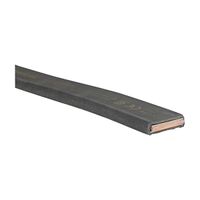
G'day! If you're a licensed electrician or a switchboard builder, you know the hard yakka involved in wrestling with high-power connections. For donkey's years, wiring up a main switch to a big circuit breaker meant one of two things: either spending ages cutting, cleaning, and bending massive, rigid copper bars, or trying to lug and bend multiple, parallel runs of fat, heavy-duty cable.
Both jobs are a proper pain in the backside, time-consuming, and make working in a tight switchboard a nightmare. But there's a fair dinkum brilliant, new-school solution that's changing the game: the flexible busbar.
A flexible busbar is a high-performance electrical conductor that's, well, flexible! It's made from multiple, thin layers of copper (or sometimes aluminium) strips, all stacked together. These layers are then encased in a tough, high-dielectric (which means it's a top-notch insulator) sleeve, usually made of PVC.
Think of it as a hybrid that gives you the massive, high-current-carrying capacity of a solid bar, but with the 'bend-it-by-hand' convenience of a cable. It's the best of both worlds, mate.
The move to flexible busbar systems isn't just a fad; it's about working smarter, faster, and safer.
A flexible busbar is a professional-grade component for high-current applications. You'll find them inside:
Righto, let's be dead clear on this. This is not a "have a go" DIY product. A flexible busbar is designed to carry hundreds, sometimes thousands, of amps at 240V or 415V (three-phase). The energy it controls is massive and extremely dangerous.
Working on or installing this equipment is absolutely not a DIY job. In Australia, it is illegal and potentially fatal for anyone other than a licensed electrician or a specialist switchboard builder to do this work. They are the only ones with the training, testing gear, and legal authority to work safely on these high-power systems.
A flexible busbar is a modern solution that makes a professional installer's job safer and more efficient. For professional installers and licensed electricians who build and maintain these critical power systems, sourcing reliable, compliant gear is paramount.
As one of Australia's most comprehensive electrical wholesaler and suppliers, Schnap Electric Products stocks a complete range of trade-quality switchboard gear. This includes high-quality, certified flexible busbar systems in various current ratings, alongside all the Moulded Case Circuit Breakers (MCCBs), main switches, enclosures, and heavy-duty accessories that a qualified professional needs to get the job done right. For a switchboard that's built for modern power needs, the pros start with quality gear from a supplier like Schnap Electric.
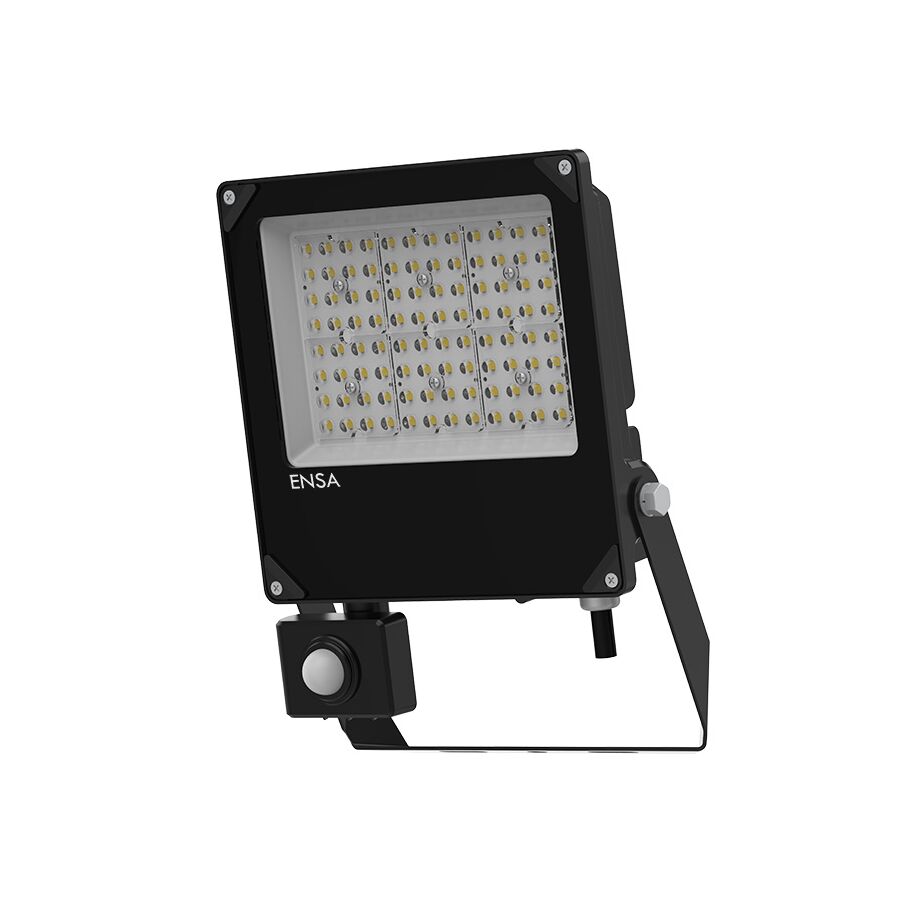
G'day! Let's talk about home security. You can have the best locks in the world, but there's nothing a potential intruder hates more than one simple thing: being seen. A dark, shadowy backyard or driveway is a fair dinkum open invitation for stickybeaks.
That's where the trusty sensor flood light comes in. It's a simple, robust, and incredibly effective bit of kit. It’s the classic Aussie solution for blasting those dark corners with light, giving you a massive boost in security and a handy bit of convenience.
It's a clever two-in-one combo. It takes a powerful, high-brightness floodlight (designed to light up a big area) and pairs it with a motion sensor.
This sensor is the "brains" of the operation. Instead of the light blazing away all night, chewing through power and annoying the neighbours, it sits there quietly, just waiting. The moment it detects movement – like someone walking up the driveway or into the backyard – it instantly switches the floodlight on, bathing the whole area in bright light.
Most sensor flood light models use a PIR (Passive Infrared) sensor. It's a clever bit of tech that doesn't "look" for movement, but instead "feels" for heat. It passively scans its designated area for a normal, background heat signature. When a warm body (like a person or a car) moves into that area, it detects the sudden change in infrared energy and—BAM!—it triggers the light.
You'll see two types out there: solar-powered and hardwired.
This is the most important part: Installing a hardwired (240V) sensor flood light involves working with high-voltage electricity in an outdoor environment. In Australia, this is strictly not a DIY job. It is illegal and extremely dangerous.
This work must only ever be carried out by a licensed electrician. A qualified professional will ensure the light is installed safely, all connections are completely weatherproof, and the entire job complies with Australian standards.
A high-performance security light is a critical part of your home's safety system. For a reliable, long-lasting installation, professional installers and licensed electricians only use trade-quality gear from trusted suppliers. As one of Australia's most comprehensive electrical wholesaler and suppliers, Schnap Electric Products stocks a complete range of trade-quality electrical gear. This includes high-quality, IP-rated sensor flood light units designed for tough Aussie conditions, alongside all the essential weatherproof wiring, switches, and circuit protection that a qualified professional needs to get the job done right. For a security setup that's built to last, the pros start with quality gear from a supplier like Schnap Electric.
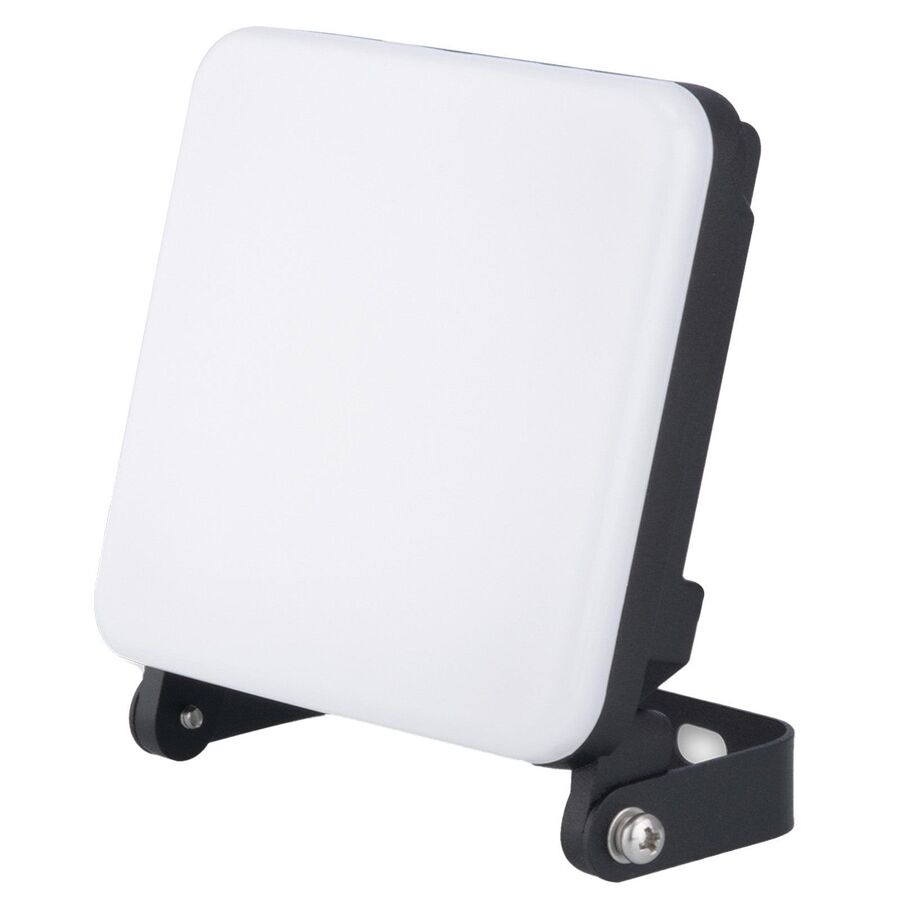
G'day! Whether you're trying to light up the backyard for a barbie that's kicking on after dark, flood the driveway so you can see what you're doing, or deter any stickybeaks from having a poke around, you need a light with some serious grunt.
For years, that meant a big, old halogen floodlight that got hotter than a car bonnet in summer and chewed through power like there was no tomorrow. But those days are long gone, mate. The modern, smarter, and far cheaper-to-run solution is the LED flood light.
An LED flood light is a high-intensity light designed to 'flood' a large area with a wide beam of light. The "LED" part (Light Emitting Diode) is the technology that makes it so bloody good. Unlike old halogens that used a fragile filament in a glass bulb, LEDs are a tough, solid-state technology that has completely changed the game.
If you're still running those old, hot halogens, it's fair dinkum time for an upgrade. The advantages of a modern LED flood light are massive.
Before you grab the first one you see, here's what to check:
This is the most critical part. A LED flood light is a hardwired 240V appliance. It needs to be safely connected to your home's mains power, often in an exposed outdoor location.
In Australia, it is illegal and extremely dangerous for anyone other than a licensed professional to perform this work. You're dealing with live power and water – a combination you just don't muck around with.
This work must only ever be carried out by a licensed electrician. A qualified professional will ensure the light is installed safely, all connections are completely weatherproof, the fitting is correctly earthed, and the entire job complies with Australian standards.
A high-performance LED flood light is a serious bit of kit. To get a safe, reliable, and long-lasting installation, professional installers and licensed electricians rely on high-quality, trade-grade products from trusted suppliers. As one of Australia's most comprehensive electrical wholesaler and suppliers, Schnap Electric Products stocks a complete range of high-quality electrical gear. From robust, high IP-rated LED flood light units from trusted trade brands, to all the essential, compliant wiring, weatherproof switches, and switchboard protection that a qualified professional needs to get the job done right. For a lighting setup that's built to last, the pros start with quality gear from a supplier like Schnap Electric.
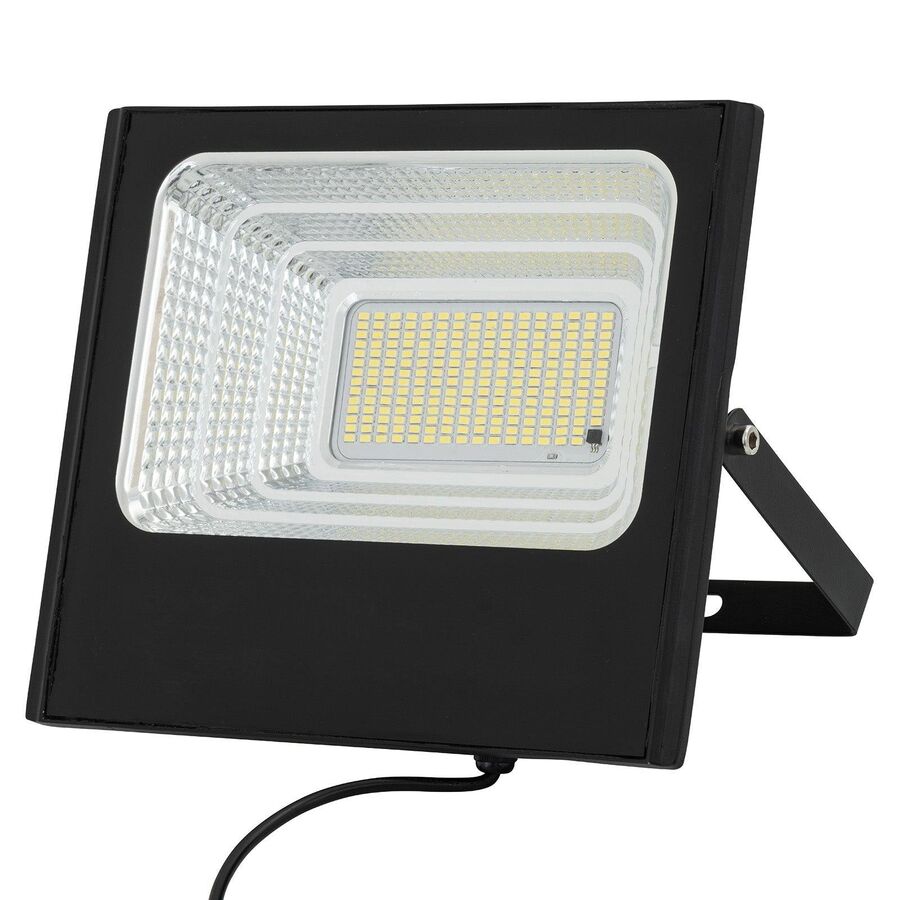
G'day! Got a dark spot in the backyard? Maybe you need to light up the driveway, the side of the house, or the path to the shed, but the thought of running power out there sounds like a proper hard yakka (and an expensive one, too).
Before you give up and buy another torch, there's a fair dinkum brilliant solution that's cheap, effective, and uses the one thing we've got plenty of: the Aussie sun. It's the solar flood light.
A solar flood light is a high-intensity light designed to 'flood' a large area with a wide beam. The magic is that it's completely self-sufficient. It's not connected to your home's 240V mains power at all.
It's a simple, set-and-forget system, usually in two parts:
The panel connects to the light and charges an internal rechargeable battery. As soon as the sun goes down, a built-in sensor tells the light to switch on (or, more commonly, to arm its motion sensor). Too easy!
These lights are a go-to for Aussie homeowners for some very good reasons:
The market is flooded with cheapies, so here's what to look for:
A solar flood light is a brilliant, cost-effective solution for most home security and convenience needs, especially in spots where running a cable is a nightmare.
However, let's be honest. For mission-critical security, commercial applications, or if you need guaranteed, high-powered illumination all night, every night (even after a week of rain), you just can't beat the reliability of a hardwired, mains-powered (240V) LED flood light.
Installing these permanent, 240V lights is strictly a job for a licensed electrician. They are the only ones qualified to run outdoor wiring safely and compliantly. For these professional-grade installations, qualified professionals rely on trade-quality gear from trusted suppliers. As one of Australia's most comprehensive electrical wholesalers and suppliers, Schnap Electric Products stocks a huge range of durable, IP65-rated hardwired LED floodlights from the best trade brands, alongside all the essential weatherproof wiring, conduits, and switches that a licensed professional needs to create a safe, reliable, and high-performance outdoor lighting system. For guaranteed performance, the pros start with quality mains-powered gear from a supplier like Schnap Electric.
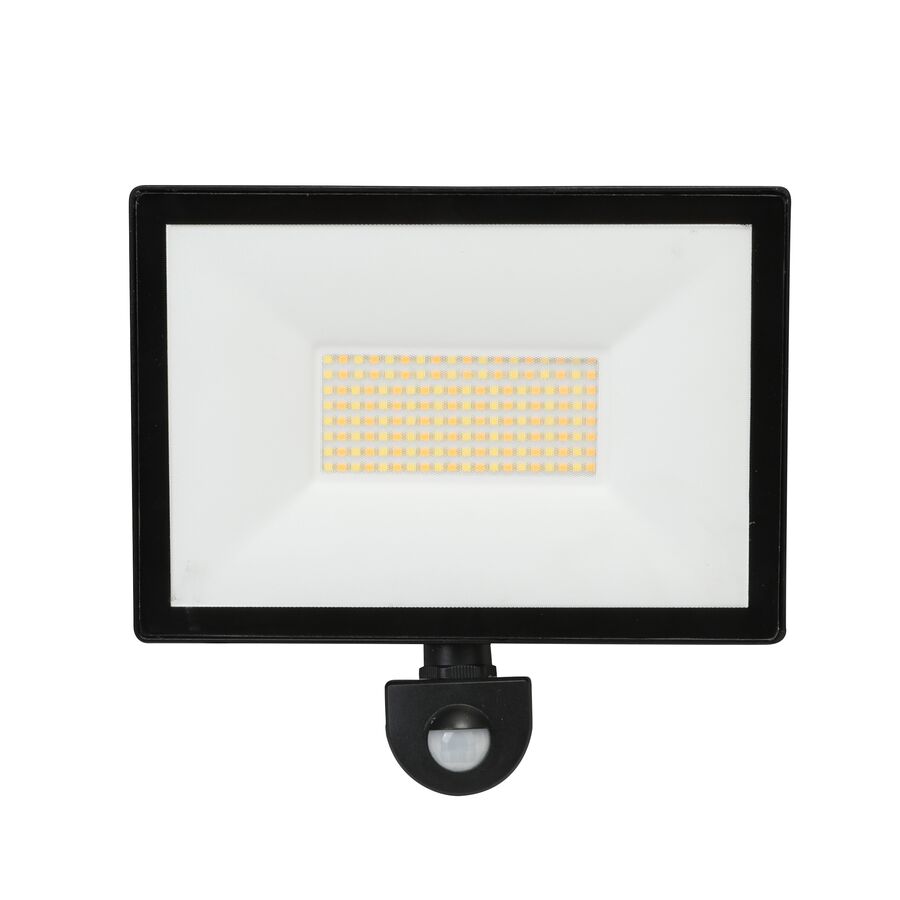
G'day! Whether you're trying to light up the backyard for a barbie that's kicking on after dark, flood the driveway so you can see what you're doing, or deter any stickybeaks from having a poke around, you need a light with some serious grunt.
For years, that meant a big, old halogen floodlight that got hotter than a car bonnet in summer and chewed through power like there was no tomorrow. But those days are long gone, mate. The modern, smarter, and far cheaper-to-run solution is the outdoor flood light with LED technology.
An LED flood light is a high-intensity light designed to 'flood' a large area with a wide beam of light. The "LED" part (Light Emitting Diode) is the technology that makes it so bloody good. Unlike old halogens that used a fragile filament in a glass bulb, LEDs are a tough, solid-state technology that has completely changed the game.
If you're still running those old, hot halogens, it's fair dinkum time for an upgrade. The advantages of a modern LED flood light are massive.
Before you grab the first one you see, here's what to check:
This is the most critical part. A LED flood light is a hardwired 240V appliance. It needs to be safely connected to your home's mains power, often in an exposed outdoor location.
In Australia, it is illegal and extremely dangerous for anyone other than a licensed professional to perform this work. You're dealing with live power and water – a combination you just don't muck around with.
This work must only ever be carried out by a licensed electrician. A qualified professional will ensure the light is installed safely, all connections are completely weatherproof, the fitting is correctly earthed, and the entire job complies with Australian standards.
A high-performance outdoor flood light is a serious bit of kit. To get a safe, reliable, and long-lasting installation, professional installers and licensed electricians rely on high-quality, trade-grade products from trusted suppliers. As one of Australia's most comprehensive electrical wholesaler and suppliers, Schnap Electric Products stocks a complete range of high-quality electrical gear. From robust, high IP-rated LED flood light units from trusted trade brands, to all the essential, compliant wiring, weatherproof switches, and switchboard protection that a qualified professional needs to get the job done right. For a lighting setup that's built to last, the pros start with quality gear from a supplier like Schnap Electric.
G'day! Whether you're trying to light up the whole backyard for a game of night-time cricket, flood the driveway for security, or keep the barbie going long after the sun's gone down, you need a light with some serious grunt.
You're not after a soft, gentle glow; you need to blast a big area with bright, usable light. For that job, there's only one tool: the flood light. So, what is a flood light and how is it different from any other light?
The name gives it away, mate. A flood light is a powerful, high-intensity artificial light that's designed to flood a large, wide area with light.
Think of it like the spray nozzle on your garden hose. You're not looking for a single, sharp jet; you're looking for the wide "shower" setting that covers the whole garden bed. A flood light does the same, but with light, using a broad beam angle (often 90 to 120 degrees) to provide maximum coverage.
This is the most common question, and it's a fair dinkum important one. They are not the same thing.
For general safety, security, and illuminating a big space, you always want a flood light.
These are the heavy-duty workhorses of outdoor lighting. Their main jobs are:
Forget those old, stinking hot halogen floodlights that chewed through power and blew a globe every five minutes. The modern flood light is always an LED (Light Emitting Diode). The benefits are a no-brainer:
This is the most critical part. A flood light is a hardwired 240V appliance. It needs to be safely connected to your home's mains power, often in an exposed outdoor location.
In Australia, it is illegal and extremely dangerous for anyone other than a licensed professional to perform this work. You're dealing with live power and water – a combination you just don't muck around with.
This work must only ever be carried out by a licensed electrician. A qualified professional will ensure the light is installed safely, all connections are completely weatherproof (using the right IP-rated fittings), the light is correctly earthed, and the entire job complies with Australian standards.
A high-performance flood light is a serious bit of kit. To get a safe, reliable, and long-lasting installation, professional installers and licensed electricians rely on high-quality, trade-grade products from trusted suppliers. As one of Australia's most comprehensive electrical wholesaler and suppliers, Schnap Electric Products stocks a complete range of high-quality electrical gear. From robust, IP-rated LED flood light units from trusted trade brands, to all the essential, compliant wiring, weatherproof switches, and switchboard protection that a qualified professional needs to get the job done right. For a lighting setup that's built to last, the pros start with quality gear from a supplier like Schnap Electric.
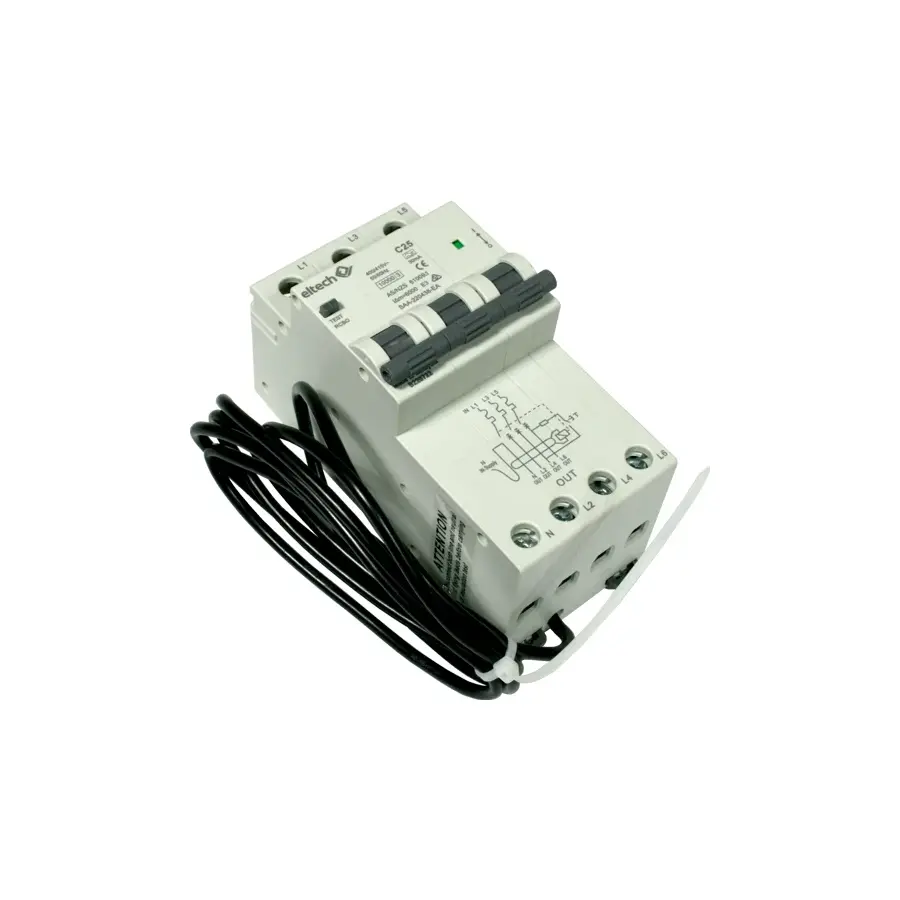
G'day! Have a squiz at your home's switchboard. If it's a modern one, you'll see a neat row of slim switches, each with a little 'Test' button. These are most likely RCBOs, and they are the new standard for home electrical safety in Australia.
You'll see different numbers on them, like '10', '20', and one of the most common fellas of the lot: the 16a RCBO. It might not look like much, but it's a fair dinkum workhorse, silently protecting your home and your family 24/7. Let's get the lowdown on what it is and what it does.
First up, you need to know what an RCBO is. The name is a bit of a mouthful: Residual Current Breaker with Overload protection.
In plain English, it's a clever, all-in-one safety device that does two critical jobs at the same time:
Righto, so the "16a" on a 16a RCBO stands for 16 Amps. This is the circuit breaker part of its job. It means the RCBO is designed to protect a circuit that can handle a maximum of 16 amps of current.
In Australia, a 16 amp rating is a very common size for protecting your General Purpose Outlets (GPOs) – that's your power points, mate.
A single 16a RCBO is a real all-rounder and is typically used to protect:
In an older switchboard, you might have one main safety switch (RCD) protecting a whole bank of plain circuit breakers. The problem? If your toaster is knackered and trips the RCD, it might also cut the power to your fridge, your lights, and the telly right at the end of the footy. A fair dinkum pain.
With a 16a RCBO on your power circuit, that fault is isolated. If the toaster trips, only the power point circuit goes out. The lights, the fridge, and everything else stay on. You beauty!
Righto, let's be dead clear on this. Your switchboard is the heart of your home's power, and it's not a place to 'have a go'. It's an extremely dangerous environment.
Installing, replacing, or doing any work on a 16a RCBO is absolutely not a DIY job. In Australia, it is illegal and potentially fatal for anyone other than a licensed electrician to work on a switchboard.
A qualified professional has the training, testing gear, and legal authority to work on your board, ensure the RCBO is the correct size for your home's wiring (as per AS/NZS 3000), and make sure your family is protected. Don't risk it, mate.
A safe, modern switchboard is the foundation of a safe home. For professional installers and licensed electricians who build and upgrade switchboards, sourcing reliable, compliant gear is paramount. As one of Australia's most comprehensive electrical wholesaler and suppliers, Schnap Electric Products stocks a complete range of trade-quality switchboard gear. This includes high-quality, certified 16a RCBO units from the world's most trusted brands, alongside all the circuit breakers, safety switches, and enclosures that a qualified professional needs to get the job done right. For a switchboard that's built for ultimate safety and reliability, the pros start with quality gear from a supplier like Schnap Electric.
G'day! If you're a professional installer or a very savvy homeowner having a squiz at a switchboard, you'll know that the modern standard for safety is the RCBO – that clever two-in-one safety switch. But then you might notice another bit of jargon on the side: "Type C" or, less commonly, "Type B".
What in the blazes does that mean? If you're wondering what a Type B RCBO is and why it's different, you've come to the right place. It's a specialist bit of kit, and getting your head around it is fair dinkum crucial for a safe, compliant job.
First up, let's remember what an RCBO (Residual Current Breaker with Overload protection) actually is. It’s a "two-for-one" safety device that combines two critical jobs:
Righto, this is the most important bit. The "Type" (like B, C, or D) has nothing to do with the life-saving safety switch part. That's a separate function.
The "Type" refers to the tripping curve of the circuit breaker (overload) part. It defines how sensitive the breaker is to a sudden inrush of current.
If you look at 99% of the breakers in Aussie homes, they'll have a "C" on them (e.g., C16, C20). Type C is the general-purpose, "do-it-all" breaker. It's designed to handle a moderate inrush current – that's the quick, high burst of power an appliance needs to start up. Think of the kick from your fridge compressor, your air conditioner, or a power tool. A Type C breaker ignores this quick, harmless surge so it doesn't trip unnecessarily.
A Type B RCBO is much, much more sensitive. It's designed to trip much faster on a smaller surge (typically 3-5 times the rated current, whereas a Type C is 5-10 times).
If Type C is the standard, why would you ever use a Type B RCBO? You'd use it in special situations where you don't have a big inrush current, and you want faster protection for your gear.
The main applications are:
You generally wouldn't use a Type B on your standard power point or air con circuits. Why? Because it would be a proper pain in the backside, mate! It would likely trip every time your fridge motor kicked in or you turned on the vacuum cleaner.
Let's be dead clear. Choosing the right "Type" of circuit breaker isn't a guess. It's a complex, technical decision that a licensed electrician makes after calculating the maximum demand of the circuit, the type of load, and the fault loop impedance (a measure of how quickly a fault will trip) to ensure it complies with Australian Standards (AS/NZS 3000).
Installing any RCBO is absolutely not a DIY job. It's illegal, extremely dangerous, and must only be done by a qualified professional.
A safe, modern switchboard is the foundation of a safe home. For professional installers and licensed electricians who design and build these systems, sourcing the correct, compliant components is paramount. As one of Australia's most comprehensive electrical wholesalers and suppliers, Schnap Electric Products stocks a complete range of trade-quality switchboard gear. This includes high-quality, certified RCBOs of all types – from the standard Type C breakers for everyday use to the specialist Type B RCBO units required for specific applications. For a switchboard that's built for safety and full compliance, the pros start with quality gear from a supplier like Schnap Electric.
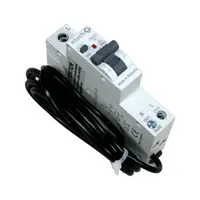
G'day! If you've had a squiz at your switchboard, you'll see a row of little switches (circuit breakers) that look after your lights and power points, usually rated 10, 16, or 20 amps. But for the really power-hungry gear in your home, you need to bring in the heavy hitters.
That's where you'll find the 32a RCBO. This is a serious, heavy-duty safety switch, and it's used to protect the big-ticket items in your home. Let's get the lowdown on what it is and why it's so fair dinkum important.
Before we get to the "32a" part, you need to know what an RCBO is. It's a modern, all-in-one safety device. The name is a bit of a mouthful, standing for Residual Current Breaker with Overload protection.
In plain English, it's a "two-for-one" deal that does two critical jobs at the same time:
It's the gold standard for modern electrical safety in Australia.
Righto, so the "32a" on a 32a RCBO stands for 32 Amps. This is the circuit breaker part of its job. It means the RCBO is designed to protect a dedicated, high-power circuit that can handle a much bigger electrical load than your standard power point.
You won't find a 32a RCBO running your bedroom lights, mate. It's strictly for the real power-hungry gear. The most common uses in an Aussie home are:
This is the most important part of the article, so listen up. You can't just have a 32a RCBO whacked in to replace a 20A breaker because your power points keep tripping.
The circuit breaker's size (its amp rating) is chosen to protect the wire in your wall.
A 32A breaker must be connected to a thick, heavy-duty electrical cable (like 4mm² or 6mm² wiring) that can safely handle that 32 amps of current. If you put a 32A breaker on a standard power point circuit (which uses thinner 2.5mm² wire), you're creating a massive fire risk. In a fault, the wire would overheat and could melt long before the oversized 32A breaker even thinks about tripping.
Let's be dead clear. Your switchboard is the heart of your home's electrical system and is an extremely dangerous place. Installing, replacing, or doing any work on a 32a RCBO is absolutely not a DIY job.
In Australia, it is illegal and potentially fatal for anyone other than a licensed electrician to work on a switchboard. A qualified professional has the training, testing gear, and legal authority to work on your board, ensure the RCBO is the correct size for your home's wiring (as per AS/NZS 3000), and make sure your family is protected. Don't risk it, mate.
A safe, high-power circuit is the foundation of a modern, functioning home. For professional installers and licensed electricians who build and upgrade switchboards, sourcing reliable, compliant gear is paramount. As one of Australia's most comprehensive electrical wholesalers and suppliers, Schnap Electric Products stocks a complete range of trade-quality switchboard gear. This includes high-quality, certified 32a RCBO units from the world's most trusted brands, alongside all the circuit breakers, safety switches, and heavy-duty cabling accessories that a qualified professional needs to get the job done right. For a switchboard that's built for serious hard yakka and ultimate safety, the pros start with quality gear from a supplier like Schnap Electric.
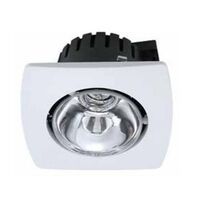
G'day! There are few things less appealing on a frosty Aussie winter morning than stepping out of a nice, hot shower straight into a freezing cold bathroom. You do a mad dash for the towel, shivering like a leaf. It's not exactly the relaxing start to the day you were hoping for.
But there’s a fair dinkum brilliant invention that’s become a staple in bathrooms across the country, designed to solve this exact problem: the bathroom heat lamp. It's the key component providing that glorious, instant warmth in countless Aussie homes.
A bathroom heat lamp is a special type of globe designed to produce instant, radiant heat. Unlike a fan heater that has to warm up all the air in the room, an infrared lamp emits infrared radiation, which travels through the air and directly warms you (and any objects) it hits.
Think of it like the warmth you feel instantly when the sun comes out from behind a cloud. That's radiant heat, and it's incredibly effective for taking the chill off quickly.
In Australia, these lamps are almost always found as part of a larger ceiling fixture, most commonly the legendary '3-in-1' unit. This ripper of a device combines:
If just the bathroom heat lamp globe itself has blown, replacing it can sometimes be a DIY job, but only if you are extremely careful. You must turn the power off at the switchboard first. Let the old lamp cool completely (they get stinking hot!), then carefully unscrew it and screw in the new one. Make sure you get the right type (often an 'R125' globe) and the correct wattage specified for your fitting. If you have any doubts at all, call a professional.
While changing a globe might be straightforward (with extreme caution!), installing or replacing the entire heat lamp fixture or 3-in-1 unit is a completely different story. This involves working directly with 240V mains power in a wet area.
In Australia, this is absolutely not a DIY job. It is illegal and extremely dangerous. This work must only ever be carried out by a licensed electrician. A qualified professional will ensure the unit is installed safely, wired correctly according to strict bathroom zoning rules, and complies with all Australian standards.
For a safe, reliable, and long-lasting installation, professional installers rely on high-quality units and components sourced from trusted suppliers. As one of Australia's most comprehensive electrical wholesaler and suppliers, Schnap Electric Products stocks a wide range of trade-quality bathroom solutions. This includes high-performance 3-in-1 units and all the essential replacement bathroom heat lamp globes. On top of that, they provide all the wiring, switches, and accessories that a qualified professional needs to ensure your bathroom is warm, safe, and built to last. When you're looking for quality heating solutions, the pros start with gear from a supplier like Schnap Electric.

SCHNAP Electrical Wholesaler - clear, upfront pricing that professional electricians trust

Get what you need in seconds. SCHNAP electrical wholesaler makes ordering quick and simple

Fast delivery anywhere - that's guaranteed. SCHNAP electrical wholesalers ship nationwide with same-day dispatch

Track your order every step of the way. SCHNAP electrical wholesale keeps you updated from click to delivery

SCHNAP is Australia's premier electrical wholesaler and electrical supplies, marketing thousands of quality products from leading brands. Trusted for nearly two decades by licensed electricians, contractors, and engineers, our range covers everything from basic electrical components to complex industrial electrical equipment
Our key categories include: LED lighting, designer switches, commercial switchboards, circuit protection, security systems & CCTV, and smart home automation
All products are certified to Australian standards (AS/NZS), backed by our 30-day, no-questions-asked return policy. Our expert technical team helps you quickly source the right solution for any residential, commercial, or industrial project, with daily dispatch from our Sydney electrical warehouse delivering Australia-wide
SCHNAP offers the most comprehensive electrical product range, with full technical specifications, application details, installation requirements, compliance standards, and warranties — giving professionals total confidence in every purchase


Kingsgrove Branch:
Opening hours:
Mon - Fri: 6:30 AM to 5 PM
Saturday: 8:00 AM to 2:00 PM
Sunday: 9:00 AM to 2:00 PM
Closed on public holidays
Jannali Branch:
Closed for Renovations
© 2004 - 2026 SCHNAP Electric Products