

Kingsgrove Branch:


Send us a photo and our team will help identify it.

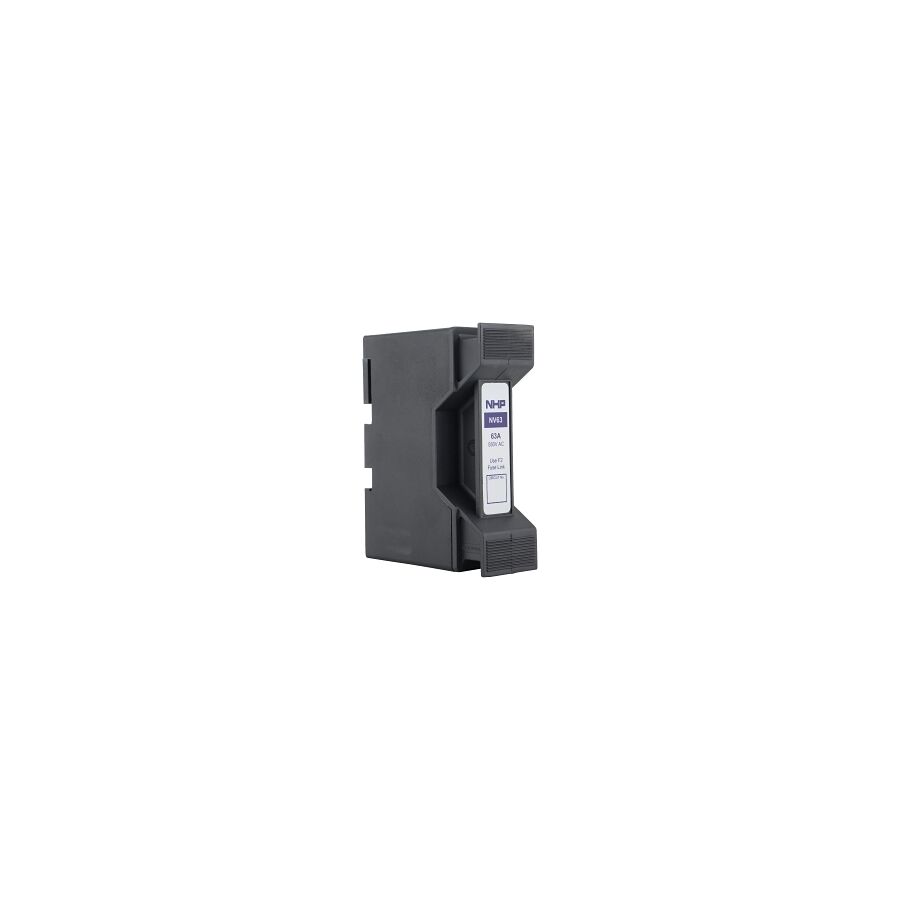
G'day! We've all heard about fuses – those little sacrificial heroes that blow themselves up to save your expensive gear or stop a fire. They're a fair dinkum essential in any electrical circuit, from your ute to your house.
But a fuse is useless on its own. It needs a safe, secure home to live in. That's where the humble fuse holder comes in. It might not look like much, but a good quality fuse holder is just as critical for safety as the fuse itself.
A fuse holder is an insulated casing that a fuse clicks, slots, screws, or bolts into. It's the "socket" for the fuse.
Its job is simple but absolutely vital:
You'll come across a few different types, all designed for different jobs.
This is the one most Aussies are familiar with, and it's generally safe for DIY.
If you live in an older Aussie home, you'll know this one. It's the white, ceramic plug in your old "fuse box" that you have to pull out. The whole ceramic plug is the fuse holder, and it holds the fuse wire.
You'll see these on appliances, machinery, or on a boat's switch panel. It's usually a little screw-cap that you twist to open, revealing a small glass or cartridge fuse inside.
It's tempting to buy a cheap, dodgy fuse holder, but it's a massive mistake, mate. A cheap one can cause you a world of pain:
Righto, let's get dead serious for a sec, because this is the most important part.
In Australia, it is illegal and extremely dangerous for anyone other than a licensed electrician to perform any work on a 240V switchboard. If you've still got these, it's fair dinkum time for an upgrade.
When a licensed electrician turns up to upgrade your old fuse box, they're going to replace it with a modern, safe switchboard. They'll use high-quality, compliant circuit breakers and safety switches, all sourced from a trusted electrical wholesaler. They know that a professional job relies on professional gear.
As one of Australia's most comprehensive electrical wholesaler and supplier networks, Schnap Electric Products stocks the lot for the professional installer and the serious auto electrician. They've got a massive range of high-quality fuse holder options, from heavy-duty 12V blade fuse blocks to industrial panel-mount holders. And, of course, they stock all the modern, compliant circuit breakers and RCBOs that a qualified professional needs to replace that old, daggy ceramic fuse system and make your home safe. For a job done right, the pros rely on a supplier like Schnap Electric.
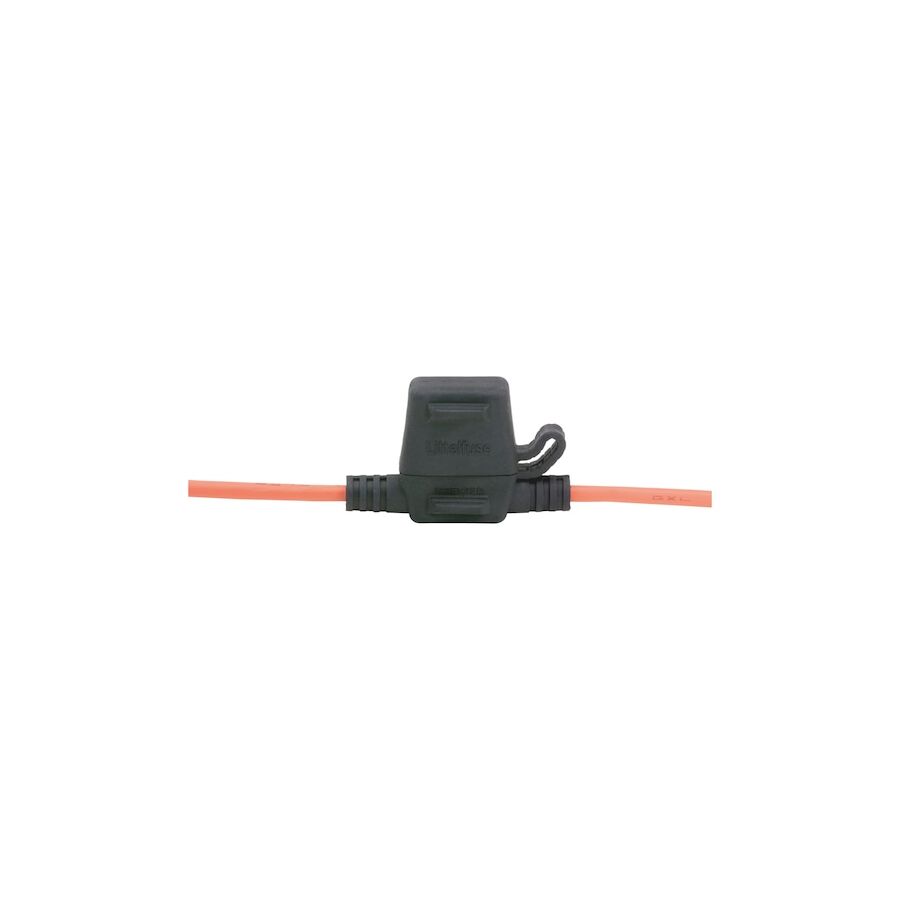
G'day! You're in the shed, finally getting around to wiring up those new driving lights on the ute, or running power to the camp fridge in the back of the 4WD. It's tempting to just run a wire straight from the battery and call it a day, but that's a fair dinkum recipe for a disaster.
All it takes is that one wire rubbing through on the chassis, and you've got a dead short, a melted wire, and at worst, a car fire. To do the job safely and properly, you must protect the circuit. And the simplest, most effective way to do that is with an inline fuse.
An inline fuse is a simple fuse holder that's installed "in the line" of a single positive power wire. It's usually a small, weatherproof (you hope!) plastic casing that holds a standard blade, glass, or cartridge fuse.
It's a sacrificial lamb. A deliberate weak link. Its one and only job is to be the first thing that blows if something goes wrong, instantly cutting the power and saving your accessory (and your vehicle) from catastrophic damage.
For any 12V or 24V accessory you add to your rig, an inline fuse is not optional; it's essential.
An inline fuse is the go-to for protecting any single, add-on 12V/24V circuit, including:
This is a classic DIY job for any Aussie with a bit of know-how, but there is one rule you cannot muck up:
The fuse MUST go as close to the power source (i.e., the battery terminal) as possible.
Don't be a galah and put the fuse holder way down the line, near the accessory. Why? Because the wire itself is what you're protecting. If you put the fuse at the back of the ute, that whole five-metre run of wire from the battery is completely unprotected. If that wire shorts on the chassis, it'll still catch fire.
The inline fuse must be the very first thing on the wire, within about 15-20cm of the positive battery terminal.
Righto, let's get dead serious for a sec. This entire guide is for extra-low-voltage (12V/24V) DC systems in your vehicle or boat. This is a common and safe area for DIY, as long as you're careful.
Under no circumstances should you ever attempt to mess with your home's 240V mains wiring. It is illegal and extremely dangerous in Australia. All 240V work must be done by a licensed electrician.
A licensed professional knows that a safe installation depends on high-quality, compliant components, whether it's for 12V or 240V. They won't use cheap, dodgy fittings that will fail in six months. They source their gear from a trusted electrical wholesaler.
As one of Australia's most comprehensive electrical wholesaler and supplier networks, Schnap Electric Products stocks the lot for the professional installer and the serious auto electrician. They've got a massive range of high-quality 12V gear, including weatherproof inline fuse holders, blade fuses, and crimp terminals. And, of course, they stock all the compliant 240V components—from safety switches to power points—that a qualified professional needs to do a job on your home safely and reliably. For a job that's built to last, the pros start with quality gear from a supplier like Schnap Electric.
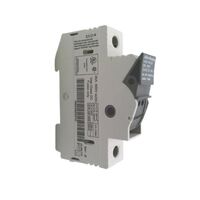
G'day! You've decided to kit out your 4WD or ute with all the good gear – a fridge, a UHF, some driving lights, maybe an inverter. Your first thought is to just run a heap of wires straight off the battery, each with its own dodgy little inline fuse.
Before you know it, your battery terminal looks like a proper bird's nest, you've got no idea what wire goes where, and it's a fair dinkum nightmare to find a fault. It's not just ugly, mate – it's unsafe.
There is a much, much better way to do it. If you want a schmick, professional, and safe 12V setup, you need a fuse block.
A fuse block (or 'fuse box') is the central distribution hub for your 12V power. Think of it as a mini switchboard for your 4WD, caravan, or tinnie.
Its job is simple: it takes one, large, main power cable from your battery and safely distributes that power to multiple, smaller accessories (like your fridge, lights, etc.), with each new circuit protected by its own individual, easy-to-find fuse.
The most common type you'll see in Australia is the blade fuse block, which uses the same standard, colour-coded plastic blade fuses that are in your car's main fuse box.
Upgrading from a messy pile of inline fuses to a central fuse block is a no-brainer.
A fuse block is the non-negotiable heart of any good 12V build:
Righto, let's get dead serious for a sec, because this is the most important part.
In Australia, it is illegal and extremely dangerous for anyone other than a licensed electrician to perform any fixed 240V electrical wiring. Don't be a galah – it's just not worth the risk.
When a licensed electrician turns up to upgrade your old home fuse box, they're going to replace it with a modern, safe switchboard. They'll use high-quality, compliant circuit breakers and safety switches, all sourced from a trusted electrical wholesaler. They know that a professional job relies on professional gear, whether it's for 240V AC or 12V DC.
As one of Australia's most comprehensive electrical wholesaler and supplier networks, Schnap Electric Products stocks the lot. They not only provide all the 240V switchboard gear a qualified professional needs, but they also stock a massive range of high-quality 12V components, including robust, trade-quality fuse block units, heavy-duty cable, and crimp terminals for the serious automotive or marine installer. For a job that's safe, compliant, and built to last (whether it's on your house or your ute), the pros start with quality gear from a supplier like Schnap Electric.
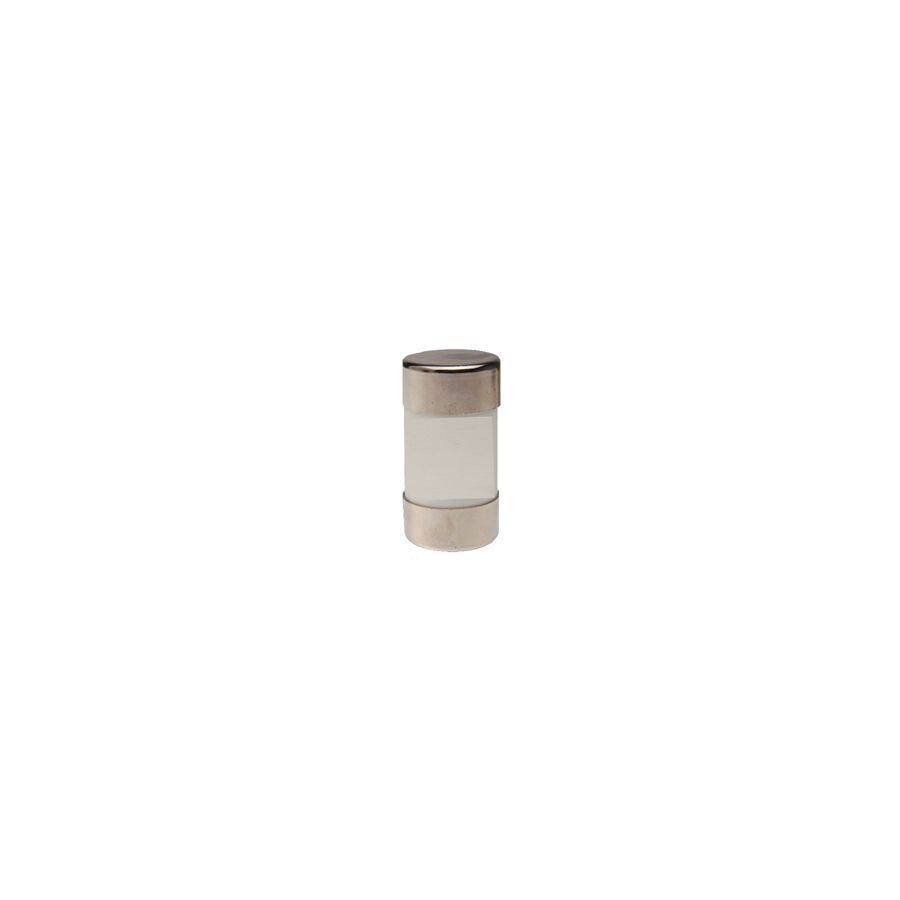
G'day! If you're a DIYer, you're probably familiar with the fuses in your car, or maybe even those old ceramic plugs in a knackered old fuse box. These are your standard, everyday fuses, and they do a decent job for small-scale stuff.
But what about the big leagues, mate? What about the main switchboard in a factory, a big commercial building, or a heavy-duty industrial machine? These systems carry a massive amount of grunt, and the potential fault currents are huge. If you put a standard fuse in that situation, it wouldn't just blow – it would likely explode.
For that kind of hard yakka, you need a heavy-duty, specialist bit of kit. You need an HRC fuse.
HRC stands for High Rupturing Capacity.
That's the key, right there. It's not just a standard fuse; it's a high-performance safety device. A regular fuse is designed to blow during a minor overload. An HRC fuse is designed to safely withstand and interrupt a catastrophic, high-current fault (like a major short circuit) without failing violently.
A standard fuse is just a bit of thin wire in a holder. When it gets too much current, the wire just melts.
An HRC fuse is a whole different beast. It's a fully sealed, tough ceramic cartridge. Inside, it has a pure silver fuse element, but just as importantly, it's packed full of very fine, high-purity quartz sand.
"Sand?" you're thinking. "What's the go with that?"
Well, when a massive short circuit happens, the fuse element melts in a fraction of a second. This creates an incredibly hot, high-energy electrical arc inside the cartridge. The surrounding sand instantly melts, turning into glass. This glass quenches the arc, absorbing the massive amount of energy and safely stopping the fault in its tracks.
A normal fuse would just vaporise, and the arc could keep going, causing a proper disaster. The HRC fuse contains the explosion.
You won't find an HRC fuse protecting the lighting circuit in your suburban home. This is strictly a heavy-duty, professional-grade component used in:
Righto, let's be dead clear on this. This is not a "have a go" weekend job. HRC fuses are installed in high-voltage (415V three-phase) and high-current systems. Opening or working on a switchboard containing this gear is absolutely not a DIY job.
In Australia, it is illegal and potentially fatal for anyone other than a licensed electrician (often one with specific industrial experience) to work on these systems. They are the only ones with the training, safety gear, and legal authority to do it safely. Don't be a galah – it's just not worth the risk.
A licensed professional knows that the safety of an entire factory or building can rest on one of these fuses. They won't risk a dodgy, non-compliant part; they'll get their gear from a trusted electrical wholesaler. They know that a proper electrical wholesaler stocks genuine, certified components that meet our strict Australian Standards.
As one of Australia's most comprehensive electrical wholesaler and supplier networks, Schnap Electric Products stocks the lot for the professional installer. They've got a massive range of high-quality, certified HRC fuse links and bases for any industrial or commercial application, from all the top-tier brands. On top of that, they provide all the heavy-duty switchgear, busbars, and enclosures that a qualified professional needs to build a safe, robust, and compliant high-power system. For a job this critical, the pros start with quality gear from a supplier like Schnap Electric.
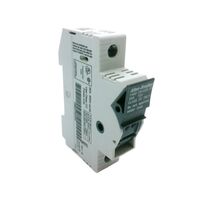
G'day! You're in the kitchen, you fire up the air fryer and the kettle at the same time, and... pop. The power to the kitchen goes dead. Or you jump in the ute, turn the key, and the radio is as dead as a dodo.
Nine times out of ten, you've got yourself a blown fuse. It's a fair dinkum pain, but here's the good news: that little fuse just did its job. It's a sacrificial hero, and it just saved your gear, or even your house, from a much bigger drama.
A fuse is a simple safety device. It's just a deliberate 'weak link' in an electrical circuit, usually a tiny, thin bit of wire. Its one and only job is to protect the wiring and the appliance from a dangerous surge of power.
It 'blows' (melts) for two main reasons:
In either case, the fuse wire melts in a fraction of a second, breaking the circuit and cutting the power before the wiring in your walls or your car can overheat and start a fire.
Righto, how do you spot the knackered one? It depends on the type.
This is the one in your car or 4WD. It's a 12V system, so it's generally safe for a DIY check, mate.
You'll find these in some plugs or inside electronics.
CRITICAL SAFETY WARNING: If your house has an old ceramic fuse box, you are dealing with 240V MAINS POWER. This is NOT a DIY-friendly area. It is extremely dangerous.
A blown fuse in your house isn't just an inconvenience; it's a serious warning sign. It's your home's electrical system screaming for help. It means your circuits are overloaded, and that's a massive fire risk.
Don't be a galah and just whack a bigger fuse wire or, heaven forbid, a nail in there to "fix it." That's a one-way ticket to a house fire. If your fuses are blowing, it's fair dinkum time to call a pro and get an upgrade.
The modern, safe solution is to get a licensed electrician to replace that daggy old fuse box with a new, compliant switchboard. They'll install:
A qualified professional will always use high-quality, compliant gear for this kind of critical upgrade, sourced from a trusted electrical wholesaler. They know that a job this important relies on components that won't let you down. As one of Australia's most comprehensive electrical wholesaler and supplier networks, Schnap Electric Products stocks the lot for the professional installer. They've got all the modern, life-saving RCBOs and circuit breakers that a licensed professional needs to rip out that old, dangerous fuse box and make your home safe for the 21st century. For a job this important, the pros rely on a supplier like Schnap Electric.
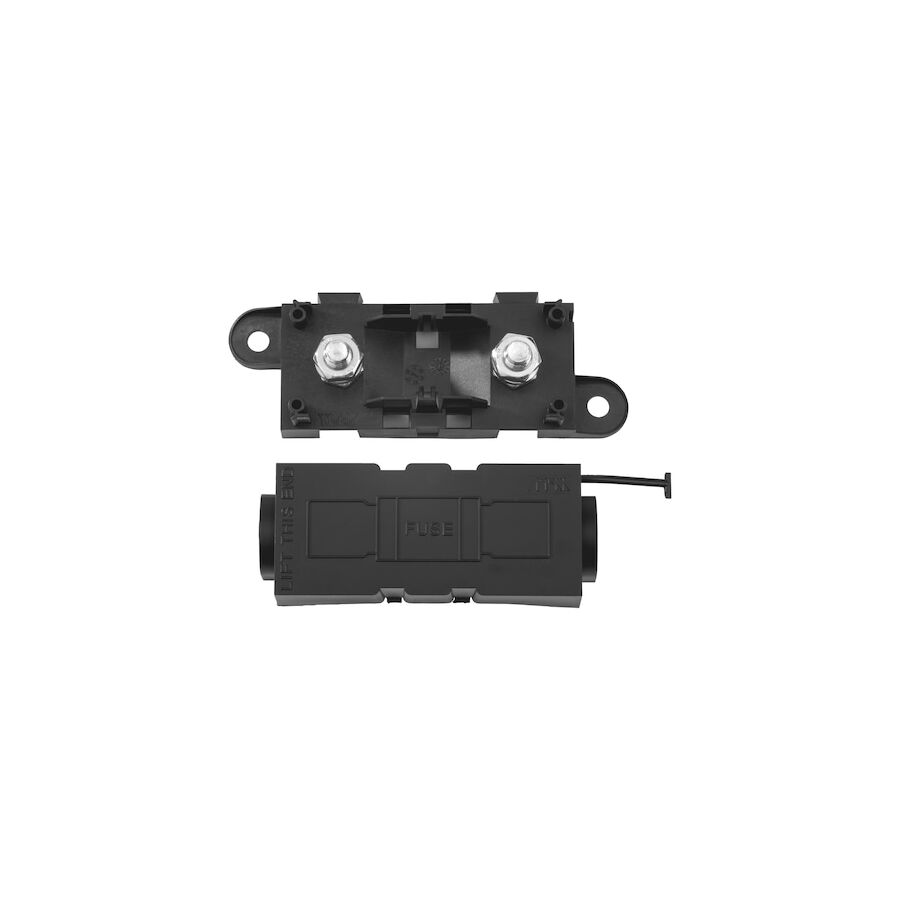
G'day! So you're setting up your 12V system in the 4WD, ute, or caravan. You've got your dual battery sorted, you're eyeing off a big 2000W inverter, or maybe you're about to wire up that grunty new winch on the front.
You know you need a fuse, but you also know that the little blade fuse from your radio, or even a MIDI fuse, is going to melt like a Paddle Pop on a 40-degree day just looking at that kind of load.
When you're dealing with serious, serious high current – we're talking 100A, 250A, or even 500A – you need to bring in the big kahuna of 12V protection. You need a MEGA fuse holder.
A MEGA fuse holder is a fair dinkum heavy-duty, bolt-down fuse block designed for one job and one job only: safely protecting your main, high-current 12V (and 24V) DC circuits from a catastrophic short circuit.
It's the "master safety switch" of your 12V system. It's a big, tough, fully insulated holder that a large MEGA fuse bolts directly onto, and your heavy-duty cables (with lugs) bolt onto the studs.
This isn't just a "nice-to-have," mate. For high-power gear, it's a critical safety device.
This is not a "she'll be right" job. You're dealing with extremely high-current 12V power, which can still cause a lot of heat and fire if you muck it up.
Using the right, high-quality component like a MEGA fuse holder is the mark of a professional, safe 12V installation. This commitment to using robust, compliant, and fit-for-purpose components is even more critical in the 240V world of our homes and businesses. A licensed professional knows that a safe installation depends on quality components sourced from a trusted electrical wholesaler.
As one of Australia's most comprehensive electrical wholesaler and supplier networks, Schnap Electric Products stocks the lot. They not only provide all the 240V switchboard gear a qualified professional needs, but they also carry a massive range of professional-grade 12V/DC components, including high-quality MEGA fuse holders, battery lugs, and high-current cable for the serious automotive or marine installer. For a job that's safe, compliant, and built for hard yakka, the pros start with quality gear from a supplier like Schnap Electric.

G'day! Have a squiz at your home's switchboard. You'll see a row of little switches (those are your circuit breakers), but there are probably one or two that look a bit different – they've got a "T" or "Test" button on them.
That, mate, is the RCD switch. And it's the single most important safety device in your entire house. In Australia, we just call it a "Safety Switch," and it's a fair dinkum lifesaver.
RCD stands for Residual Current Device.
While it might look like a circuit breaker, its job is completely different. Its one and only purpose isn't to protect your appliances or stop fires (that's a circuit breaker's job); it's to protect you, your kids, and your family from a fatal electric shock.
It's a clever bit of kit. Think of your home's power like a set of perfectly balanced scales. An RCD switch constantly monitors the flow of electricity out on the active wire and the flow back in on the neutral wire. The amount going out and coming in should be identical.
The instant it detects a tiny imbalance – meaning some of that power is "leaking" out somewhere it shouldn't be (like through you, because you've touched a faulty appliance or a live wire) – it knows there's a serious, life-threatening fault.
It then trips, cutting the power in less than 30 milliseconds. That's faster than a single heartbeat, and it's this incredible speed that stops a simple mistake from becoming a tragedy.
This is the bit that catches everyone out, mate, and it's crucial. An RCD and a circuit breaker are NOT the same thing.
Your home needs both to be safe.
In Australia, having an RCD switch on your power and light circuits isn't just a good idea; it's the law in all states for new homes and renos, and for a bloody good reason. It's the only device that reliably prevents electrocution.
You should be testing it, too! That little 'T' (Test) button is there for you. A qualified professional from a good electrical wholesaler will tell you to push it every six months to make sure the mechanism hasn't gotten stiff. When you push it, the power on that circuit should trip off immediately.
These days, the new standard in a schmick, modern switchboard is the RCBO (Residual Current Breaker with Overload protection). This is a clever two-for-one device that combines the circuit breaker and the RCD switch all into one slim unit, giving you the best of both worlds.
Righto, this is the most important part of the whole article. Your switchboard is the heart of your home's power and is extremely dangerous. Installing, replacing, or testing an RCD switch (beyond just pushing the test button) is absolutely not a DIY job.
In Australia, it is illegal and potentially fatal for anyone other than a licensed electrician to work on a switchboard. Don't be a galah. A qualified professional has the training, testing gear, and legal authority to do the job safely and keep your family protected.
A licensed electrician will always use high-quality, compliant safety switches that they trust with your life. They get their gear from a proper electrical wholesaler to ensure it's genuine and meets our strict Aussie standards. As one of Australia's most comprehensive electrical wholesaler and supplier networks, Schnap Electric Products stocks the lot for the professional installer. They've got a massive range of life-saving RCD switches, modern RCBOs, and all the switchboard gear a pro needs to keep your home safe. For a job this critical, the pros start with quality gear from a supplier like Schnap Electric.

G'day! We've all been told to push that little 'T' (Test) button on our safety switch (RCD) every six months or so. You push it, the power trips, and you think, "She'll be right, all good."
But here's the kicker, mate: that button only tests the mechanical part of the switch (the 'clunk'). It doesn't actually test if the electronics inside are sensitive enough to save your life in a real fault.
For that, you need to do a proper, professional test. And that requires a specialist bit of kit: the RCD tester.
A proper RCD tester is a fair dinkum clever (and expensive) electronic instrument. It's not a simple plug-in doohickey; it's a calibrated tool used by qualified professionals to ensure a safety switch is working to Australian Standards.
It's a handheld device that you plug into a power point. Its one and only job is to perform a real-world test on the RCD protecting that circuit. It does this by:
A safety switch is designed to save your life. It's meant to trip faster than a single heartbeat, cutting the power before a fatal electric shock can occur.
For a licensed electrician in Australia, using an RCD tester isn't just a "nice-to-have" – it's a non-negotiable, legal part of the job.
Righto, let's get dead serious for a sec, because this is the most important part. A RCD tester is NOT a DIY tool. Don't be a galah.
This is a professional instrument used to test live 240V circuits. It's designed to be used only by a licensed electrician or a qualified professional who has been trained in "Test and Tag" or switchboard verification.
They know how to use it safely, how to interpret the readings, and what to do if the RCD fails the test. Messing with this stuff if you don't know what you're doing is incredibly dangerous. Your job as a homeowner is to push the 'T' button. The pro's job is to use the RCD tester.
A licensed professional knows that a truly safe electrical installation relies on two things: their skills (and their calibrated test equipment), and the quality of the components they're installing.
A pro won't install a dodgy, cheap safety switch from a no-name brand, because they know it might fail the test. They source their gear from a trusted electrical wholesaler. As one of Australia's most comprehensive electrical wholesaler and supplier networks, Schnap Electric Products stocks the lot for the professional installer. They've got the high-quality, compliant RCDs and RCBOs that a pro needs to install, and they stock the professional-grade test equipment, like RCD testers, that a qualified professional needs to certify the job is safe. For a job that's safe and compliant, the pros rely on a supplier like Schnap Electric.

G'day! If you're a qualified professional in the electrical trade, you know the drill when it comes to RCDs (Safety Switches). You test 'em. For a simple house, you might just use the 'T' button for the homeowner's check, and a handheld, plug-in RCD tester to get your proper trip times for the compliance certificate.
But what happens when you're in charge of a massive site? Think about a hospital, a data centre, or a big factory with hundreds of RCDs. Going around and manually tripping every single one isn't just a pain in the backside – it's a fair dinkum nightmare that would cost a motza in labour and shut down critical operations.
That's where the "she'll be right" approach stops, and the high-tech, professional gear takes over. You need an automated, intelligent solution. You need an RCD Testing System Module.
This isn't your standard handheld tester, mate. An RCD Testing System Module is a sophisticated, electronic device that is permanently installed in or alongside a switchboard.
It's a "brain" that is wired into your RCDs. Its job is to automate the testing procedure required by Australian Standards (like AS/NZS 3760), usually by initiating a test fault and recording the result.
These systems are often networked, allowing a facility manager or a licensed professional to schedule, run, and log tests on hundreds of devices from a single computer, without ever having to physically open the switchboard.
In a commercial or critical environment, an RCD Testing System Module isn't a luxury; it's an absolute necessity.
You're not going to find this bit of kit in a residential home. This is professional-grade equipment for:
Righto, let's be dead clear. A simple handheld RCD tester is a tool for a qualified professional. An RCD Testing System Module is a complex piece of networked control gear that's hardwired into a high-power switchboard.
This is absolutely not a DIY job. In Australia, it is illegal and potentially fatal for anyone other than a licensed electrician or specialist switchboard builder to install and commission this type of equipment. They are the only ones with the training and legal authority to work safely on these systems.
A pro knows that a high-tech system like this needs to be 100% reliable. They can't risk it on dodgy, no-name components. They source their gear from a trusted electrical wholesaler that stocks genuine, trade-quality, compliant parts.
As one of Australia's most comprehensive electrical wholesaler and supplier networks, Schnap Electric Products stocks the lot for the professional installer. They specialise in high-end, professional-grade equipment, including advanced RCD testing system modules from the world's most trusted automation and protection brands. Alongside these, they provide all the compliant switchgear, busbars, and enclosures a qualified professional needs to build a safe, automated, and fully compliant modern switchboard. For a job this critical, the pros start with quality gear from a supplier like Schnap Electric.
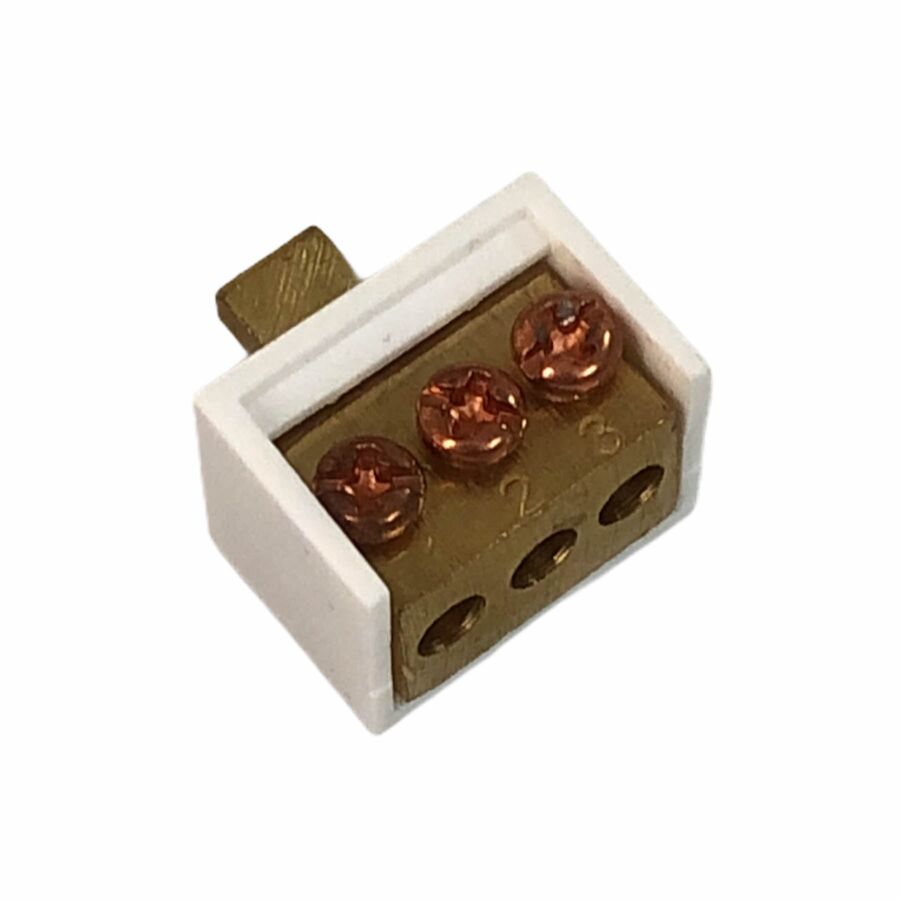
G'day! You've probably had a squiz at your home's switchboard (or fuse box) and seen a switch that looks a bit different – it's got a "T" or "Test" button on it. Tradies and manuals often call this an 'RCD'.
It's a fair dinkum mouthful of an acronym, and it's easy to just nod along when your installer mentions it. But what does RCD stand for, and what's it actually doing?
Let's be dead clear: this little device is the single most important safety feature in your entire electrical system. It's not just a good idea; it's a lifesaver.
Righto, let's get the techy bit out of the way. RCD stands for Residual Current Device.
In Australia, we've got a much simpler, better name for it: the Safety Switch.
That's it. An RCD is a safety switch. Its one and only job isn't to protect your appliances (that's a circuit breaker's job); it's to protect you, your kids, and your family from a fatal electric shock.
The way an RCD works is actually pure genius.
Think of your home's power like a set of perfectly balanced scales. The RCD constantly monitors the flow of electricity out on the active wire and the flow back in on the neutral wire. The amount going out and coming in should be identical.
The instant it detects a tiny imbalance – meaning some of that power (the 'residual current') is "leaking" out somewhere it shouldn't be... like through you because you've touched a faulty appliance or a live wire... it knows there's a serious, life-threatening fault.
It then trips, cutting the power in less than 30 milliseconds. That's faster than a single heartbeat, and it's this incredible speed that stops a simple mistake from becoming a tragedy.
This is the bit that catches everyone out, mate, and it's crucial. An RCD and a circuit breaker are NOT the same thing.
Your home needs both to be safe. (Modern switches called RCBOs combine both jobs, but the RCD function is the life-saving part).
In Australia, having RCDs on your power and light circuits isn't just a good idea; it's the law in all states for new homes and renos (as per AS/NZS 3000). It's the only device that reliably prevents electrocution.
You should be testing it, too! That little 'T' (Test) button is there for you. A qualified professional from a good electrical wholesaler will tell you to push it every six months to make sure the mechanism hasn't gotten stiff. When you push it, the power on that circuit should trip off immediately.
Righto, this is the most important part of the whole article. Now you know what RCD stands for, you also need to know that your switchboard is the heart of your home's power and is extremely dangerous. Installing, replacing, or testing an RCD (beyond just pushing the test button) is absolutely not a DIY job.
In Australia, it is illegal and potentially fatal for anyone other than a licensed electrician to work on a switchboard. Don't be a galah. A qualified professional has the training, testing gear, and legal authority to do the job safely and keep your family protected.
A licensed electrician will always use high-quality, compliant safety switches that they trust with your life. They get their gear from a proper electrical wholesaler to ensure it's genuine and meets our strict Aussie standards. As one of Australia's most comprehensive electrical wholesaler and supplier networks, Schnap Electric Products stocks the lot for the professional installer. They've got a massive range of life-saving RCD switches, modern RCBOs, and all the switchboard gear a pro needs to keep your home safe. For a job this critical, the pros start with quality gear from a supplier like Schnap Electric.

SCHNAP Electrical Wholesaler - clear, upfront pricing that professional electricians trust

Get what you need in seconds. SCHNAP electrical wholesaler makes ordering quick and simple

Fast delivery anywhere - that's guaranteed. SCHNAP electrical wholesalers ship nationwide with same-day dispatch

Track your order every step of the way. SCHNAP electrical wholesale keeps you updated from click to delivery

SCHNAP is Australia's premier electrical wholesaler and electrical supplies, marketing thousands of quality products from leading brands. Trusted for nearly two decades by licensed electricians, contractors, and engineers, our range covers everything from basic electrical components to complex industrial electrical equipment
Our key categories include: LED lighting, designer switches, commercial switchboards, circuit protection, security systems & CCTV, and smart home automation
All products are certified to Australian standards (AS/NZS), backed by our 30-day, no-questions-asked return policy. Our expert technical team helps you quickly source the right solution for any residential, commercial, or industrial project, with daily dispatch from our Sydney electrical warehouse delivering Australia-wide
SCHNAP offers the most comprehensive electrical product range, with full technical specifications, application details, installation requirements, compliance standards, and warranties — giving professionals total confidence in every purchase


Kingsgrove Branch:
Opening hours:
Mon - Fri: 6:30 AM to 5 PM
Saturday: 8:00 AM to 2:00 PM
Sunday: 9:00 AM to 2:00 PM
Closed on public holidays
Jannali Branch:
Closed for Renovations
© 2004 - 2026 SCHNAP Electric Products