

Kingsgrove Branch:


Send us a photo and our team will help identify it.

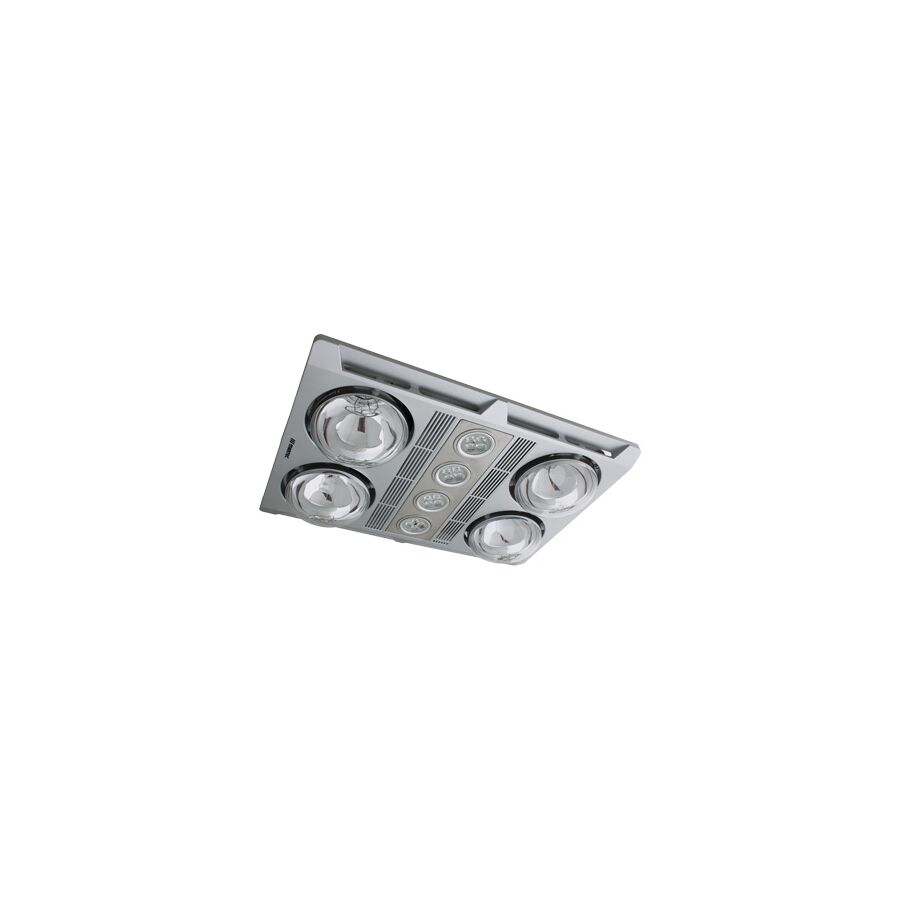
G'day! Let's be honest, there's nothing worse than stepping out of a steaming hot shower on a frosty winter morning, only to be hit by air so cold it feels like a slap in the face. You do the frantic towel dance, shivering away. Or, just as bad, you have a shower in summer, and the whole room turns into a foggy, dripping mess that you can't even see the mirror.
It's a classic Aussie bathroom drama. But thankfully, there's a fair dinkum brilliant, all-in-one solution that's been a staple in our renos for donkey's years: the 3 in 1 bathroom exhaust fan.
As the name suggests, this is the ultimate multi-tasker. It's a clever, ceiling-mounted unit that combines three essential bathroom functions into one single, schmick-looking fixture:
It’s the classic, practical, all-in-one package specifically designed for Aussie bathrooms.
Installing a 3 in 1 bathroom exhaust fan isn't just a luxury; it's a bloody smart move.
Righto, this is the most important part of the whole article, so listen up. You might be handy with the tools, but you cannot install a 3 in 1 bathroom exhaust fan yourself.
This is not a "have a go" weekend job. You're working with 240V mains power, in a designated wet area, and it often involves cutting into the ceiling and running new ducting.
In Australia, this is illegal and extremely dangerous for anyone other than a licensed electrician. A qualified professional will ensure the unit is installed safely, wired correctly according to strict bathroom zoning rules, and properly ducted to the outside (not just into your roof space!).
A licensed electrician knows that a good, quiet fan that actually clears the steam and keeps you warm relies on using a quality, trade-grade unit. They won't risk their reputation on a cheap, noisy fan from a discount bin, because they know it'll be knackered in a year.
They source their gear from a trusted electrical wholesaler. As one of Australia's most comprehensive electrical wholesaler and supplier networks, Schnap Electric Products stocks the lot for the professional installer. They've got a massive range of high-performance 3 in 1 bathroom exhaust fan units from Australia's most trusted brands. Plus, they have all the compliant switches, ducting, and wiring a pro needs to do the job right. For a job that's safe, compliant, and built to last, the pros rely on a supplier like Schnap Electric.
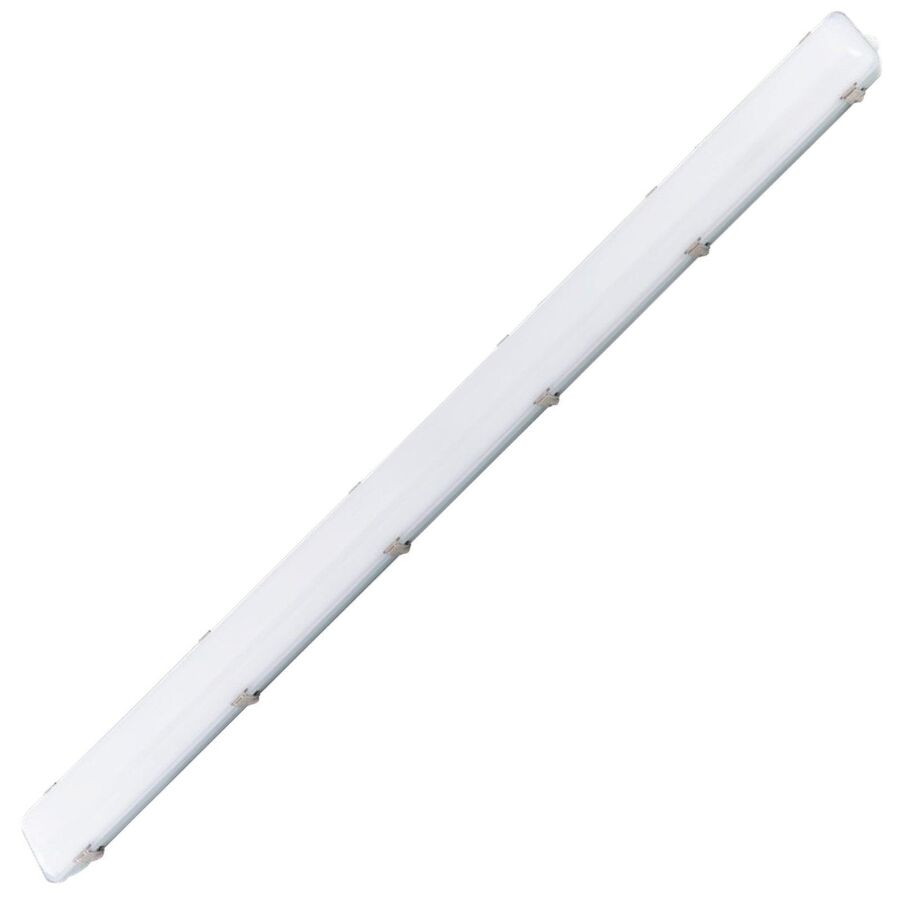
G'day! Have a squiz in your garage, your workshop, or the laundry in an older Aussie home. You'll probably find that old, daggy, cream-coloured fluorescent tube light. The one that flickers like mad, hums like a bloody mozzie in summer, and takes about five minutes to finally 'clunk' on when it's cold.
It's a proper pain, mate. Thankfully, that old-school tech is well and truly knackered. The new-school, schmick-looking, and far superior solution is the LED batten light.
An LED batten light is the modern, all-in-one replacement for those old fluros. It's a slimline ("slim profile") fitting where the LED lights are built right in (it's called an 'integrated' fitting). No more mucking around with replacing tubes or trying to find that dodgy little starter. It's a single, sleek unit that a pro just wires up, and you're sorted for the next decade.
Making the switch from an old fluro to a new LED batten light is a fair dinkum no-brainer. The advantages are massive.
The LED batten light is the ultimate workhorse, perfect for:
Righto, this is the most important part of the whole article, so listen up. You might be handy with the tools, but you cannot install or replace a LED batten light yourself.
This isn't a plug-in lamp, mate. It's a "hardwired" fitting that connects directly to your home's 240V mains power. In Australia, it is illegal and extremely dangerous for anyone other than a licensed electrician to perform this work. A simple mistake can lead to a fatal electric shock or a house fire, and it will void your home insurance in a heartbeat.
A licensed electrician will always use high-quality, trade-grade fittings to make sure the job is safe and will last. They won't risk their reputation on a cheap, flimsy batten from a discount bin; they get their gear from a trusted electrical wholesaler because they know it's compliant with Aussie standards.
As one of Australia's most comprehensive electrical wholesaler and supplier networks, Schnap Electric Products stocks the lot for the professional installer. They've got a massive range of high-quality LED batten light options, from tough, IP-rated (weatherproof) battens for your shed to slim, architectural ones for your kitchen, all from trusted trade brands. On top of that, they provide all the compliant wiring, switches, and circuit breakers a qualified professional needs to get the job done right. For a job that's bright, safe, and built to last, the pros rely on a supplier like Schnap Electric.
G'day! With another stinking hot Aussie summer just around the corner, we're all thinking about how to keep the house cool. You hear the term "split system" chucked around all the time by tradies, in ads, and at the hardware store. It's by far the most popular type of air con in the country.
But if you've ever found yourself nodding along while wondering, what is a split air conditioner actually?, you're not alone. Let's break down this essential bit of Aussie home tech.
A split air conditioner is exactly what it says on the tin. It's an air conditioning system that is split into two main parts:
These two units are connected by a set of insulated copper pipes (which carry the refrigerant gas) and electrical wiring, which all run through a small, neat hole in the wall.
Without getting too technical, it’s a fair dinkum clever process. It's basically a "heat pump" – it moves heat from where you don't want it (inside) to where you don't mind it (outside).
In summer, the indoor unit sucks in the hot air from your room. The super-cold refrigerant gas running through the pipes inside this unit absorbs all that heat, like a sponge. This heat is then carried through the pipes to the outdoor unit, which has the important job of dumping all that unwanted heat into the outside air. The now-cool, dehumidified air is then blown back into your room, making it a comfortable oasis on a 40-degree arvo. You beauty!
There's a reason a split air conditioner is the number one choice for most Australian homes.
Because a split air conditioner involves both high-voltage electricity and high-pressure refrigerant gases, it is illegal and unsafe to install one yourself in Australia.
The job requires two licensed professionals: a licensed air conditioning technician (who holds an ARCtick licence) to handle the refrigerant gas and pipework, and a licensed electrician to run the dedicated 240V power circuit from your switchboard.
The electrical installation is a critical part of ensuring your new air conditioner runs safely and efficiently for years to come. This is why professional installers and licensed electricians only use trade-quality gear from a trusted electrical wholesaler. As one of Australia's most comprehensive electrical wholesaler and supplier networks, Schnap Electric Products stocks all the essential, compliant gear that a qualified professional needs for the job. From the heavy-duty wiring and circuit breakers for your switchboard to the robust, weatherproof isolator switches for the outdoor unit, they provide the trade-quality components that ensure your new air con is installed safely and reliably. For a top-notch result, the pros start with quality gear from a supplier like Schnap Electric.
G'day! You're in the thick of a reno, or you're just sick of sweating through another Aussie summer. You know you need to cool the whole house – say, the three bedrooms and the main living area.
Your first thought might be a massive, expensive ducted system. Your second thought might be just whacking four separate split systems on the walls. But then you've got four big, noisy outdoor units cluttering up your verandah, making a proper racket.
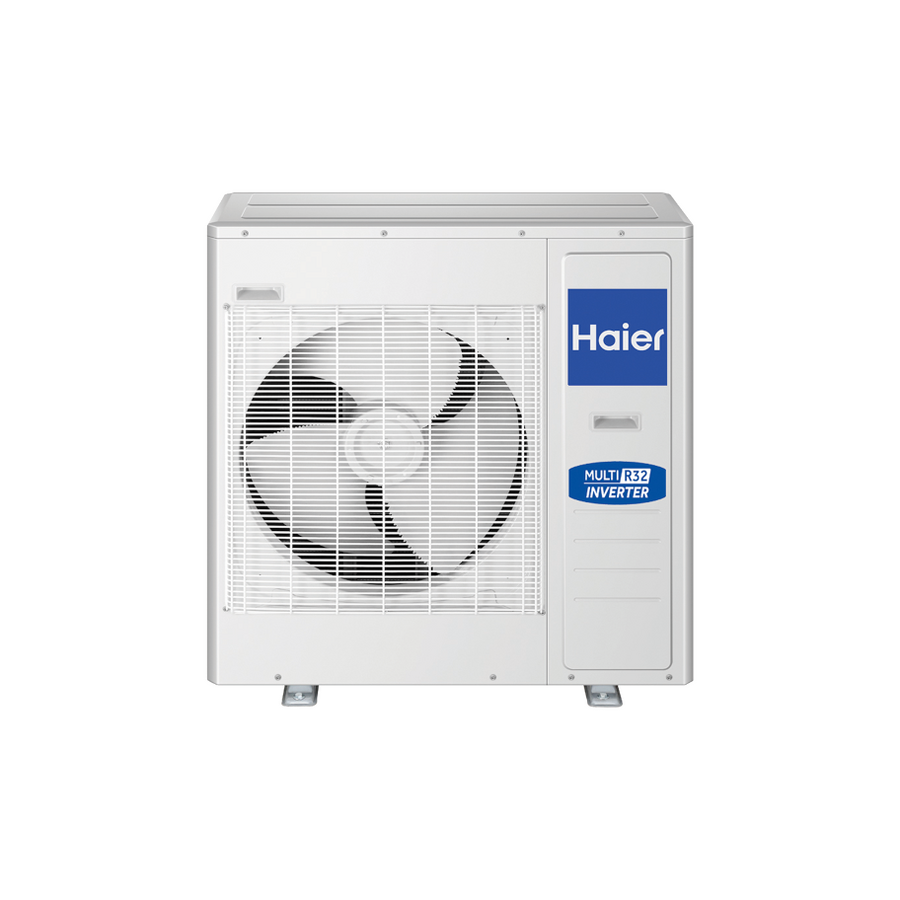
There has to be a better way, right? Well, there is, mate. It's the multi split air conditioner, and it's a fair dinkum clever solution.
A multi split air conditioner (or as many tradies call it, a 'multi-head' system) is a brilliant hybrid. It gives you the flexibility of individual split systems, but with the space-saving benefit of a central unit.
It works like this:
And the best part? You can mix and match the indoor units. You could have a standard, wall-mounted head unit in the bedrooms, a sleek, flush-mount 'cassette' in the lounge room ceiling, and maybe even a small, ducted unit for the home office.
Why would you choose a multi split air conditioner over just whacking in a few separate systems? The advantages are huge.
Righto, let's get dead serious for a sec. This isn't like installing a window rattler. A multi split air conditioner installation is complex, involves high-voltage power, and uses high-pressure refrigerant gas.
In Australia, it is illegal and extremely dangerous for anyone other than licensed professionals to do this work. A dodgy install will void your warranty and poses a massive fire or safety risk.
You must use two types of licensed professionals:
A licensed electrician knows that a complex, high-power installation like this relies on top-notch, compliant electrical gear. They can't risk their reputation on dodgy wiring; they'll get their gear from a trusted electrical wholesaler.
As one of Australia's most comprehensive electrical wholesaler and supplier networks, Schnap Electric Products stocks the lot for the professional installer. They've got all the heavy-duty, compliant gear a qualified professional needs – from the thick, heavy-duty wiring and the dedicated RCBOs (safety switches) for the switchboard, to the robust weatherproof isolator switch that sits next to the outdoor unit. For a job this big, the pros start with quality gear from a supplier like Schnap Electric.
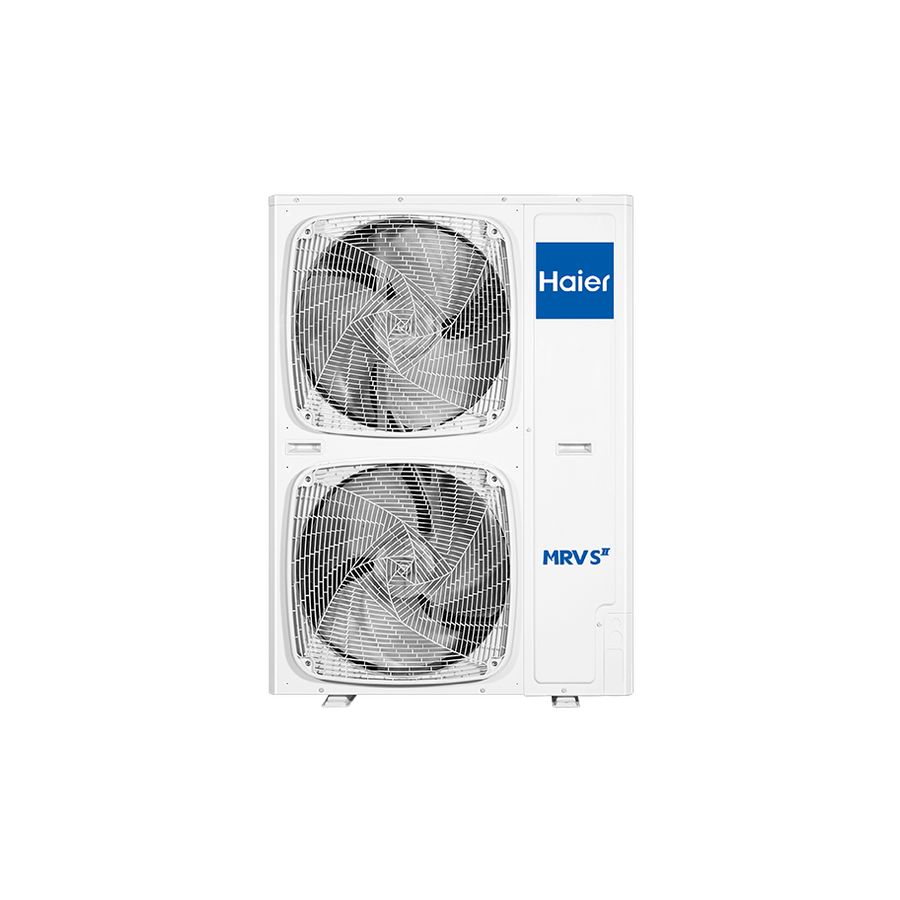
G'day! So you've done it. You've braved the Good Guys sale, scored a schmick new split system air con, and you're all set to beat that stinking hot Aussie summer. You get the two big boxes home, look at the instructions, and think, "She'll be right, how hard can a bit of split air conditioner installation be?"
Righto, STOP right there, mate.
This is the most important advice you'll ever get about your new air con: This is absolutely not a DIY job. Don't be a galah. It's not just tricky – in Australia, it's illegal, extremely dangerous, and will void your warranty in a heartbeat.
A split air conditioner installation isn't one job; it's two separate, highly regulated trades rolled into one. You can't just hire any handyman. By law, you need two different types of licensed professionals.
A split system works by moving refrigerant gas between the indoor and outdoor units. This gas is under high pressure and is heavily regulated to protect the environment. It is illegal for anyone without a valid ARCtick refrigerant handling licence to install the unit, run the copper pipes, or handle the gas. A dodgy install will lead to leaks, a knackered compressor, and poor performance.
This is the other critical, non-negotiable part. A split system is a high-power appliance. It can't just be plugged into your nearest power point – that's a massive fire risk.
A split air conditioner installation requires its own dedicated 240V power circuit run directly from your switchboard. This work must only ever be carried out by a licensed electrician. They are the only ones legally allowed to perform this work, ensuring the wiring is safe and won't overload your home's system.
When you're getting quotes, you'll hear every tradie in the business use the term "back-to-back." This is the simplest, cheapest, and most common type of split air conditioner installation.
It means:
This setup requires the shortest possible run of piping and cabling (usually 3 metres or less), which means less time and less material, saving you a motza.
If your quote comes in higher than the basic "back-to-back" price, it's almost certainly because your job is more complex. The price will climb if:
The safety and lifespan of your new air con depend entirely on the quality of the split air conditioner installation. A licensed electrician won't risk their reputation or your safety by using dodgy, cheap components. They will always source high-quality, compliant gear from a trusted electrical wholesaler.
As one of Australia's most comprehensive electrical wholesaler and supplier networks, Schnap Electric Products stocks all the essential, compliant gear that a qualified professional needs for the job. From the heavy-duty, outdoor-rated wiring and the correct RCBOs for the switchboard, to the robust, weatherproof isolator switches for the outdoor unit, they provide the trade-quality components that ensure your new air con is installed safely, reliably, and to Australian standards. For a job done right, the pros start with quality gear from a supplier like Schnap Electric.
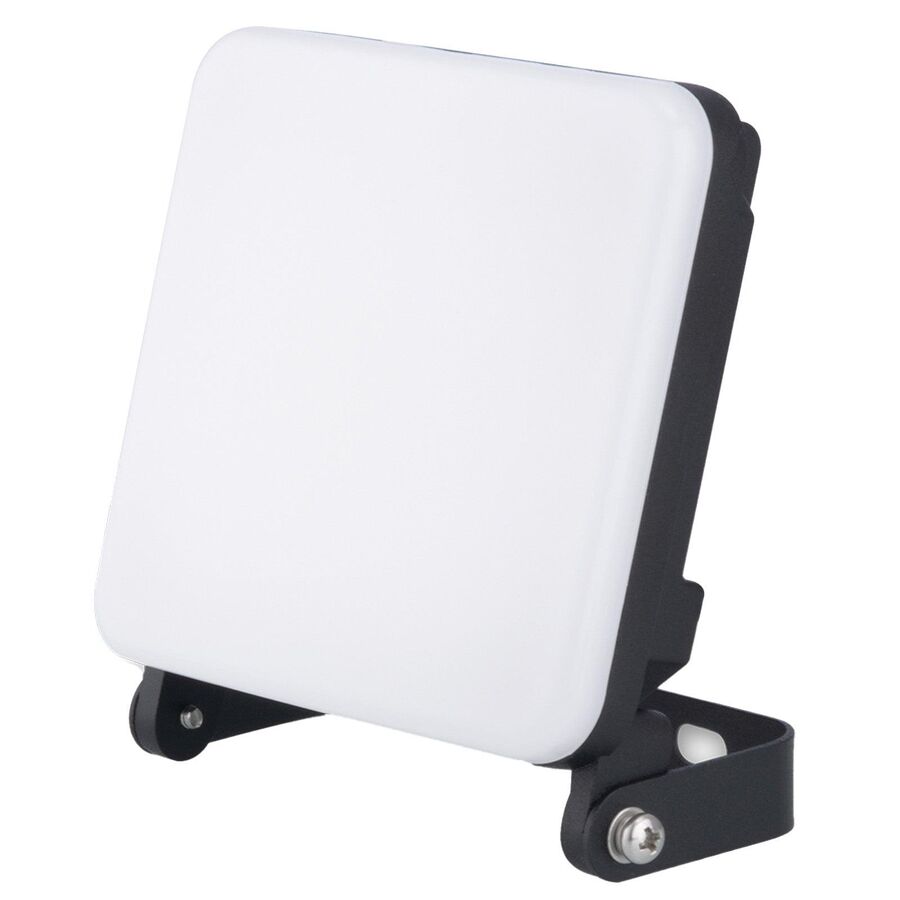
G'day! Whether you're trying to light up the backyard for a barbie that's kicking on after dark, flood the driveway so you can see what you're doing, or deter any stickybeaks from having a poke around, you need a light with some serious grunt.
For years, that meant a big, old halogen floodlight that got hotter than a car bonnet in summer and chewed through power like there was no tomorrow. But those days are long gone, mate. The modern, smarter, and far cheaper-to-run solution is the LED floodlight.
An LED floodlight is a high-intensity light designed to 'flood' a large area with a wide beam of light. The "LED" part (Light Emitting Diode) is the technology that makes it so bloody good. Unlike old halogens that used a fragile filament in a glass bulb, LEDs are a tough, solid-state technology that has completely changed the game.
If you're still running those old, hot halogens, it's fair dinkum time for an upgrade. The advantages of a modern LED floodlight are massive.
Before you grab the first one you see, here's what to check:
This is the most critical part. A LED floodlight is a hardwired 240V appliance. It needs to be safely connected to your home's mains power, often in an exposed outdoor location.
In Australia, it is illegal and extremely dangerous for anyone other than a licensed professional to perform this work. You're dealing with live power and water – a combination you just don't muck around with.
A pro knows to get their gear from a proper electrical wholesaler to ensure it's compliant. This work must only ever be carried out by a licensed electrician. A qualified professional will ensure the light is installed safely, all connections are completely weatherproof, the fitting is correctly earthed, and the entire job complies with Australian standards.
A high-performance LED floodlight is a serious bit of kit. To get a safe, reliable, and long-lasting installation, professional installers and licensed electricians rely on high-quality, trade-grade products from trusted suppliers. As one of Australia's most comprehensive electrical wholesaler and supplier networks, Schnap Electric Products stocks a complete range of high-quality electrical gear. From robust, high IP-rated LED floodlight units from trusted trade brands, to all the essential, compliant wiring, weatherproof switches, and switchboard protection that a qualified professional needs to get the job done right. For a lighting setup that's built to last, the pros start with quality gear from a supplier like Schnap Electric.
G'day! Let's talk about home security. You can have the best locks in the world, but there's nothing a potential intruder hates more than one simple thing: being seen. A dark, shadowy backyard or driveway is a fair dinkum open invitation for stickybeaks.
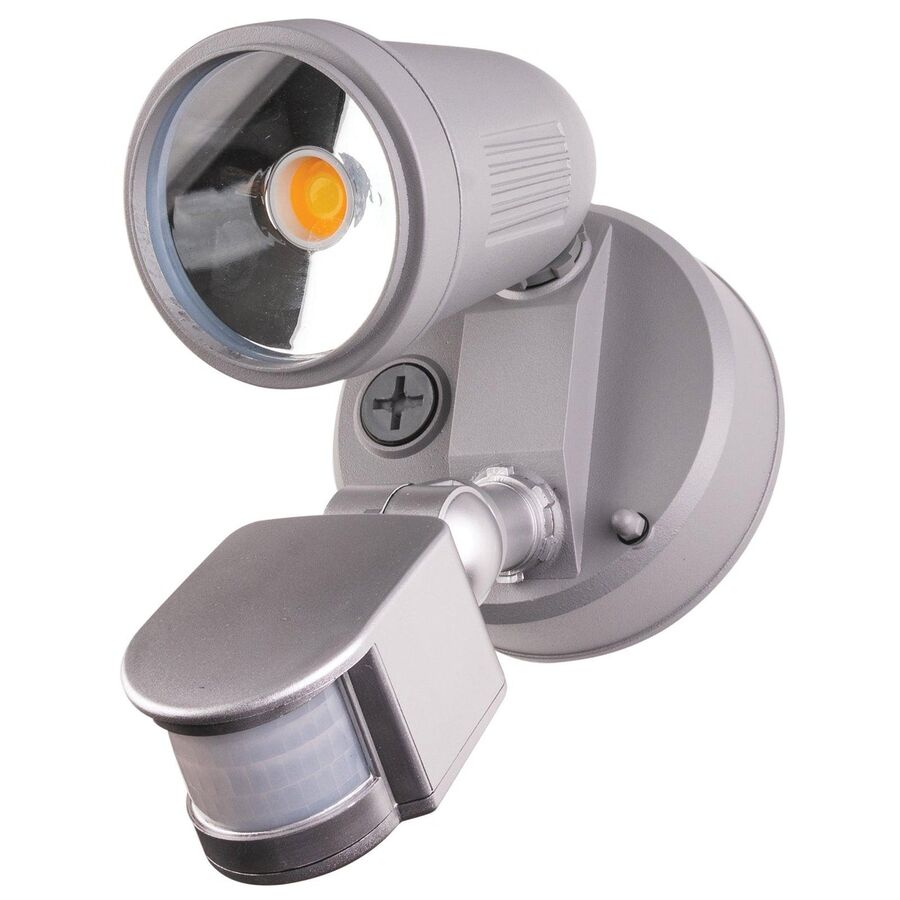
That's where the trusty floodlight with sensor comes in. It's a simple, robust, and incredibly effective bit of kit. It’s the classic Aussie solution for blasting those dark corners with light, giving you a massive boost in security and a handy bit of convenience.
It's a clever two-in-one combo. It takes a powerful, high-brightness floodlight (designed to light up a big area) and pairs it with a motion sensor.
This sensor is the "brains" of the operation. Instead of the light blazing away all night, chewing through power and annoying the neighbours, it sits there quietly, just waiting. The moment it detects movement – like someone walking up the driveway or into the backyard – it instantly switches the floodlight on, bathing the whole area in bright light.
Most floodlight with sensor models use a PIR (Passive Infrared) sensor. It's a clever bit of tech that doesn't "look" for movement, but instead "feels" for heat. It passively scans its designated area for a normal, background heat signature. When a warm body (like a person or a car) moves into that area, it detects the sudden change in infrared energy and—BAM!—it triggers the light.
You'll see two types out there: solar-powered and hardwired.
This is the most important part: Installing a hardwired (240V) floodlight with sensor involves working with high-voltage electricity in an outdoor environment. In Australia, this is strictly not a DIY job. It is illegal and extremely dangerous.
This work must only ever be carried out by a licensed electrician. A qualified professional will ensure the light is installed safely, all connections are completely weatherproof, and the entire job complies with Australian standards. They will source their high-quality fittings from a trusted electrical wholesaler.
A high-performance security light is a critical part of your home's safety system. For a reliable, long-lasting installation, professional installers and licensed electricians only use trade-quality gear from trusted suppliers. As one of Australia's most comprehensive electrical wholesaler and supplier networks, Schnap Electric Products stocks a complete range of trade-quality electrical gear. This includes high-quality, IP-rated floodlight with sensor units designed for tough Aussie conditions, alongside all the essential weatherproof wiring, switches, and circuit protection that a qualified professional needs to get the job done right. For a security setup that's built to last, the pros start with quality gear from a supplier like Schnap Electric.
G'day! Got a dark spot in the backyard? Maybe you need to light up the driveway, the side of the house, or the path to the shed, but the thought of running power out there sounds like a proper hard yakka (and an expensive one, too).
Before you give up and buy another torch, there's a fair dinkum brilliant solution that's cheap, effective, and uses the one thing we've got plenty of: the Aussie sun. It's the solar floodlight.
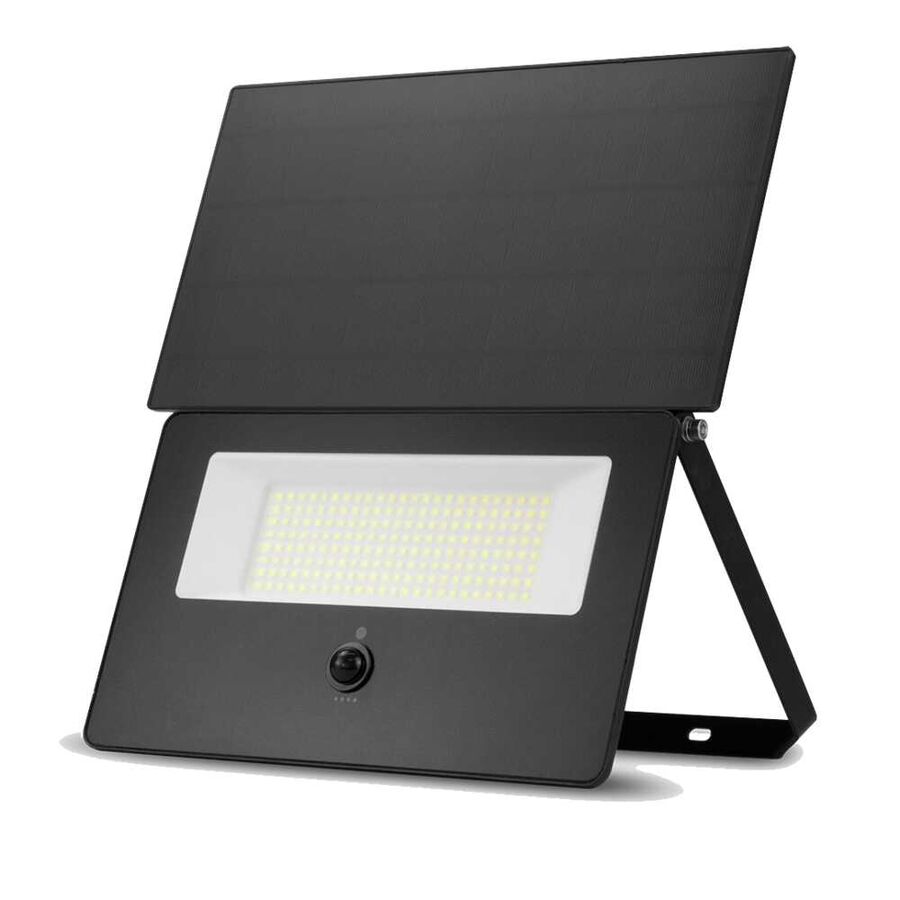
A solar floodlight is a high-intensity light designed to 'flood' a large area with a wide beam. The magic is that it's completely self-sufficient. It's not connected to your home's 240V mains power at all.
It's a simple, set-and-forget system, usually in two parts:
The panel connects to the light and charges an internal rechargeable battery. As soon as the sun goes down, a built-in sensor tells the light to switch on (or, more commonly, to arm its motion sensor). Too easy!
These lights are a go-to for Aussie homeowners for some very good reasons:
The market is flooded with cheapies, so here's what to look for:
A solar floodlight is a brilliant, cost-effective solution for DIY security and convenience, especially in tricky-to-wire locations.
However, let's be honest. For mission-critical security, commercial applications, or if you need guaranteed, high-powered illumination all night, every night (even after a week of rain), you just can't beat the reliability of a hardwired, mains-powered (240V) LED flood light.
Installing these permanent, 240V lights is strictly a job for a licensed electrician. For these professional-grade installations, qualified professionals rely on trade-quality gear from a trusted electrical wholesaler. As one of Australia's most comprehensive electrical wholesaler and supplier networks, Schnap Electric Products stocks the lot for the professional installer. They provide a massive range of lighting solutions, from robust, hardwired LED floodlights to high-performance, trade-quality solar floodlight models, alongside all the essential weatherproof wiring and switchgear that a licensed professional needs to get the job done right. For guaranteed performance, the pros start with quality gear from a supplier like Schnap Electric.
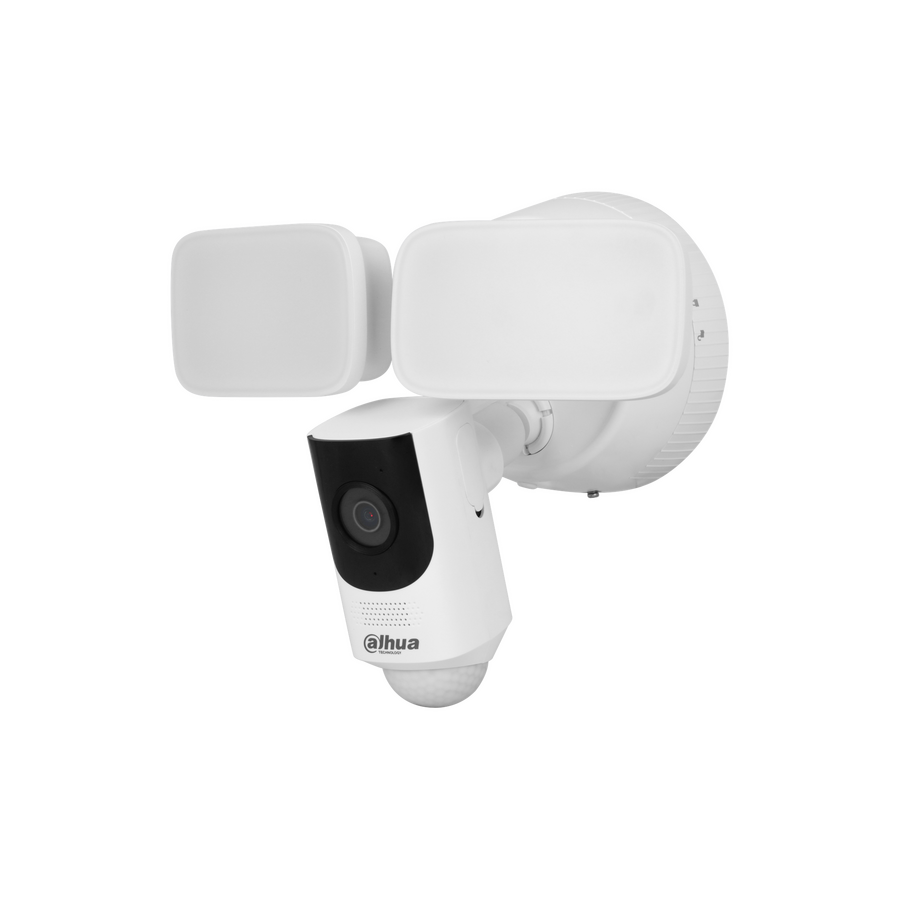
G'day! For donkey's years, our home security setup was pretty simple: a deadlock, maybe a big dog, and one of those "dumb" sensor lights that came on every time a possum farted. If a stickybeak really wanted to have a go, that light wasn't much of a deterrent.
But now, tech has given us a fair dinkum game-changer. It's the ultimate two-in-one weapon for protecting your castle: the floodlight camera.
A floodlight camera is a clever bit of kit that combines two crucial security tools into one single, schmick-looking unit:
It's not just a camera with a little light, and it's not just a light with a camera tacked on. It's a purpose-built, integrated system designed for one thing: active deterrence.
This is where the magic happens, mate. The floodlight camera doesn't just sit there recording. It waits.
You'll see a few battery-powered options, and they're fine for spots that are hard to get power to. But let's be honest, a floodlight needs some serious grunt. A battery-powered one is going to be a compromise.
The best floodlight camera models are hardwired (240V). This means they are connected directly to your home's mains power. This gives them the juice to run a truly powerful, bright floodlight and a high-performance camera 24/7 without you ever having to worry about changing a bloody battery.
Righto, this is the most important part, so listen up.
In Australia, it is illegal and extremely dangerous for anyone other than a licensed professional to perform this work. You're dealing with 240V power, in an outdoor, weatherproof fitting. A simple mistake can lead to a fatal electric shock or a house fire. Don't be a galah.
This work must only ever be carried out by a licensed electrician. A qualified professional will ensure the unit is installed safely, is 100% weatherproof, and is compliant with all Australian standards. They'll also get their gear from a proper electrical wholesaler to ensure it's all compliant.
A licensed electrician knows that a high-performance security device needs to be 100% reliable. They won't risk their reputation (or your safety) on a cheap, dodgy unit. They source their gear from a trusted electrical wholesaler. As one of Australia's most comprehensive electrical wholesaler and supplier networks, Schnap Electric Products stocks the lot for the professional installer. They've got a massive range of high-quality, trade-grade floodlight camera units from the world's most trusted brands, alongside all the essential weatherproof wiring, switches, and switchboard components that a qualified professional needs to get the job done right. For a security setup that's built to last, the pros start with quality gear from a supplier like Schnap Electric.
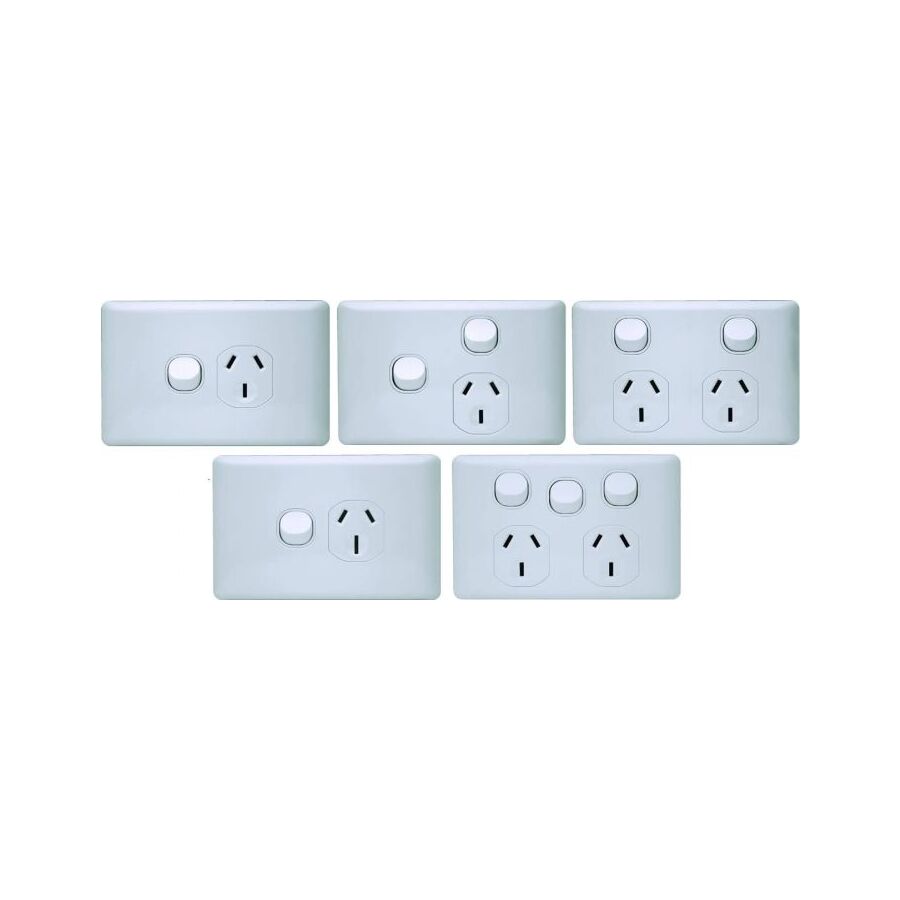
G'day! Have a squiz at the walls in your home. They're everywhere. That humble little socket on the wall that you plug the toaster, the telly, and your phone charger into. We're talking about power points, of course.
For donkey's years, they were just a daggy, cream-coloured plastic plate on the wall. But in a modern Aussie reno, they've become a proper design feature. And if your old ones are cracked, yellowing, or the plugs fall out of them, it's not just ugly – it's a fair dinkum safety hazard.
In the trade, you'll hear them called GPOs (General Purpose Outlets), but we all just know them as power points. Let's get the lowdown on the modern options and, most importantly, how to get them upgraded safely.
Your old, knackered power points aren't just letting down the look of your schmick new paint job. They can be a real problem:
The new generation of powerpoints is brilliant, adding a heap of convenience and style.
This is the number one upgrade, mate. It's a standard double power point that also has one or two USB ports built right into the plate.
This is the ultimate solution for your home office or behind the TV cabinet. It's a single wall plate with four sockets. It's a much safer, neater, and more reliable solution than a daggy old power board.
You're not just stuck with white anymore. Modern power points come in a heap of schmick finishes. Matte black (or Anthracite) is the go-to for a modern, architectural look, especially when you match it with your light switches. You can also get silver, grey, and other finishes to match your room.
Righto, let's get dead serious for a sec, because this is the most important part of the whole article.
You might be handy with the tools. You might have watched a YouTube video. But in Australia, it is illegal and extremely dangerous for anyone other than a licensed professional to install or replace a power point.
You are dealing with 240V mains power. A simple mistake – mixing up the wires, a loose connection – can lead to a fatal electric shock or a house fire. It will also void your home insurance in a heartbeat.
Don't be a galah. This work must only ever be carried out by a licensed electrician.
A licensed electrician will do the job safely and, just as importantly, they'll use high-quality, compliant gear that's built to last. They won't risk their reputation (or your safety) on cheap, flimsy power points from a discount bin. They'll get their gear from a proper electrical wholesaler.
As one of Australia's most comprehensive electrical wholesaler and supplier networks, Schnap Electric Products stocks the lot for the professional installer. They've got a massive range of high-quality, compliant power points – from the latest Clipsal Iconic GPOs with USB-C, to robust weatherproof outlets for the patio. Plus, they provide all the trade-quality wiring, conduits, and safety switches a qualified professional needs to do the job right. For a safe, reliable, and schmick-looking reno, the pros rely on a supplier like Schnap Electric.

SCHNAP Electrical Wholesaler - clear, upfront pricing that professional electricians trust

Get what you need in seconds. SCHNAP electrical wholesaler makes ordering quick and simple

Fast delivery anywhere - that's guaranteed. SCHNAP electrical wholesalers ship nationwide with same-day dispatch

Track your order every step of the way. SCHNAP electrical wholesale keeps you updated from click to delivery

SCHNAP is Australia's premier electrical wholesaler and electrical supplies, marketing thousands of quality products from leading brands. Trusted for nearly two decades by licensed electricians, contractors, and engineers, our range covers everything from basic electrical components to complex industrial electrical equipment
Our key categories include: LED lighting, designer switches, commercial switchboards, circuit protection, security systems & CCTV, and smart home automation
All products are certified to Australian standards (AS/NZS), backed by our 30-day, no-questions-asked return policy. Our expert technical team helps you quickly source the right solution for any residential, commercial, or industrial project, with daily dispatch from our Sydney electrical warehouse delivering Australia-wide
SCHNAP offers the most comprehensive electrical product range, with full technical specifications, application details, installation requirements, compliance standards, and warranties — giving professionals total confidence in every purchase


Kingsgrove Branch:
Opening hours:
Mon - Fri: 6:30 AM to 5 PM
Saturday: 8:00 AM to 2:00 PM
Sunday: 9:00 AM to 2:00 PM
Closed on public holidays
Jannali Branch:
Closed for Renovations
© 2004 - 2026 SCHNAP Electric Products