

Kingsgrove Branch:


Send us a photo and our team will help identify it.

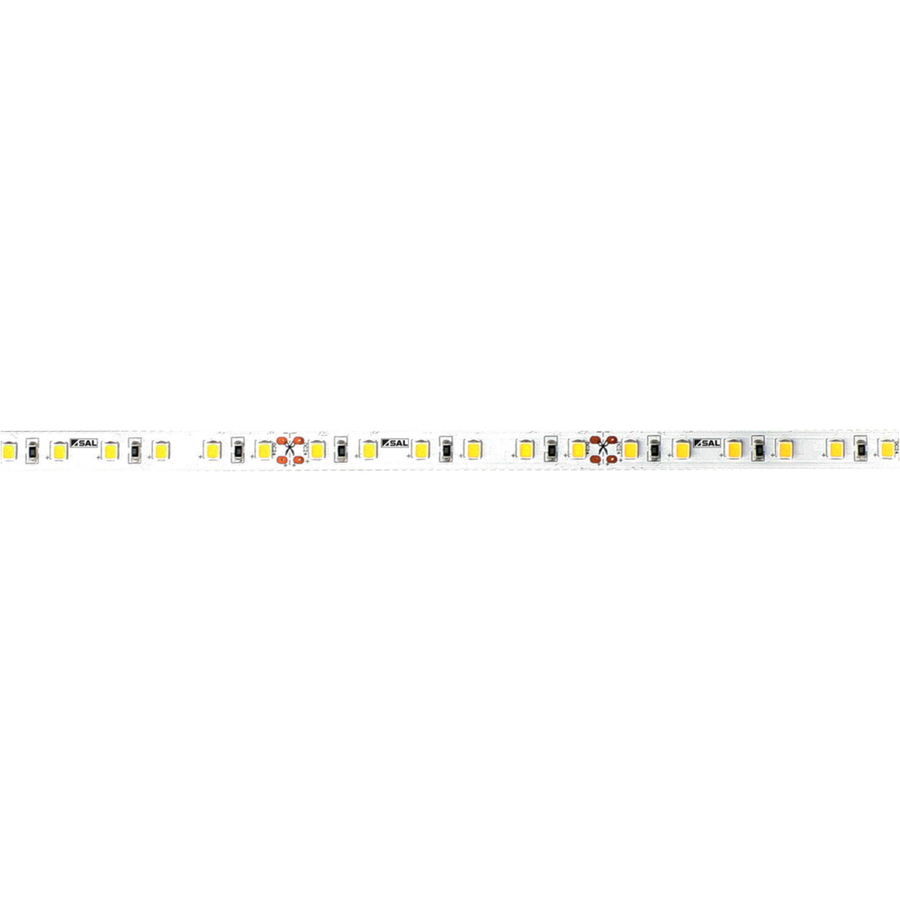
G'day! If you have been watching any of the renovation shows lately or flicking through design magazines, you will have noticed a massive shift in how we light our homes. The days of relying solely on a single pendant in the middle of the room are gone. The modern Aussie home is all about layers of light, creating atmosphere, and highlighting architectural features. The hero product making this possible is the humble strip light.
Also known as LED tape, this flexible, versatile lighting solution allows you to put light in places that were previously impossible. From glowing kitchen islands to subtle bulkhead lighting, understanding how to use linear lighting can take your renovation from standard to schmick in no time.
A strip light is essentially a flexible circuit board populated with small LED chips. It usually comes with an adhesive backing, allowing it to be stuck onto almost any clean surface. They are available in various lengths and can often be cut to size at specific intervals, making them fully customisable to your space.
The beauty of this technology is its low profile. Because the strip is so thin, it can be hidden away in aluminium channels or behind joinery, so you see the glow of the light without seeing the fitting itself.
The versatility of the strip light means it can be used in just about every room of the house.
Kitchens and Pantries This is the most popular application. Running a strip under overhead cabinets provides excellent task lighting for food preparation without casting shadows. It is also popular to run them along the kickboards (plinth) for a soft, low-level glow at night.
Bathrooms Waterproof strips are perfect for creating a relaxing spa vibe. They are often installed in shower niches, under floating vanities, or behind mirrors to provide flattering lighting for grooming.
Outdoor Entertaining We love our alfresco living. Weatherproof strips can be installed under handrails, along deck edges, or under patio beams to create a warm, inviting atmosphere for your next BBQ.
Most residential strip light products run on low voltage, typically 12V or 24V DC. This means they require a "driver" (transformer) to step down the mains power from your wall.
While you can buy plug-in kits that are DIY-friendly, achieving a truly integrated, professional finish usually requires hardwiring. If you want your lights to switch on from the wall plate with the rest of your room lighting, you need to engage a professional.
In Australia, any fixed wiring work must be performed by a licensed electrician. A professional installer will ensure that the driver is hidden away safely but remains accessible for maintenance. They will also ensure that the correct heat-dissipating aluminium profiles are used to stop the LEDs from overheating. When sourcing components, a good electrician will head to a trusted electrical wholesaler to ensure the LED tape and drivers meet Australian Standards, rather than risking cheap, non-compliant imports that might flicker or fail.
To get that high-end designer look, you need components that provide consistent colour and brightness. Cheap strips often have inconsistent light output or poor adhesive.
Schnap Electric Products is a leading supplier for the trade industry in Australia. They stock a massive range of lighting solutions, including high-performance strip light options suitable for any application. They offer various colour temperatures, from warm white for living areas to cool white for task lighting, as well as the necessary aluminium profiles and drivers. By supplying the same professional-grade gear you would expect from a major electrical wholesaler, Schnap Electric ensures your feature lighting is safe, reliable, and looks fantastic for years to come. For a lighting setup that truly shines, trust the range from Schnap Electric.
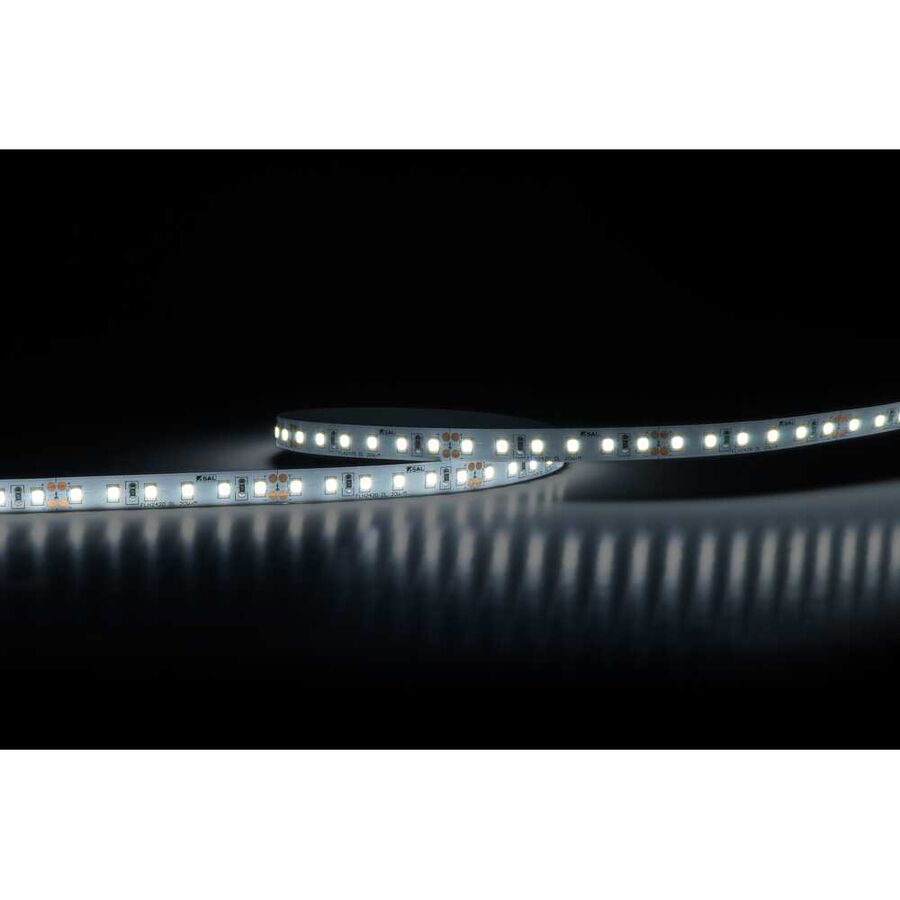
G'day! Lighting design in Australian homes has evolved significantly over the last decade. We have moved away from simple oyster lights in the centre of the room to sophisticated, layered lighting schemes that create mood and functionality. At the forefront of this revolution is the versatile LED strip light. Whether you are renovating a kitchen in Sydney or building a new deck in Brisbane, this flexible lighting solution allows you to highlight architectural features and provide practical illumination in places that traditional fixtures simply cannot reach.
From glowing joinery to subtle walkway lighting, understanding how to utilise linear LED lighting is the key to achieving that high-end, architectural finish in your home.
An LED strip light consists of a flexible circuit board populated with energy-efficient light-emitting diodes (LEDs). They typically come with an adhesive backing, making them easy to mount into aluminium channels or onto clean surfaces.
The primary appeal is their low profile. Because they are flat and flexible, they can be concealed behind bulkheads, under cabinets, or inside wardrobes. This means you see the effect of the light—a smooth, continuous glow—without seeing the fixture itself. This indirect lighting effect softens a room and makes spaces feel larger and more welcoming.
Kitchen Task Lighting This is the most common use for an LED strip light. Installing a strip under your overhead cupboards provides direct, shadow-free light onto your benchtop. It makes food preparation safer and easier while adding a schmick, modern look to the heart of the home.
Bathroom Ambiance Waterproof strips (rated IP65 or higher) are perfect for bathrooms. They can be installed in shower niches, under floating vanities, or behind mirrors. This provides soft, flattering light that is perfect for relaxing in the tub or getting ready in the morning without the harsh glare of overhead downlights.
Outdoor Alfresco We love our outdoor living. Weatherproof strips can be used to light up deck perimeters, handrails, or patio beams, creating a resort-style atmosphere for your next BBQ.
Most residential strips run on low voltage, usually 12V or 24V DC. This means they cannot be connected directly to the 240V mains power in your wall; they require a driver (transformer) to step the voltage down safely.
To get a professional finish, it is also recommended to install the LED strip light inside an aluminium profile with a diffuser cover. This protects the strip from dust and moisture, acts as a heat sink to prolong the life of the LEDs, and diffuses the light so you don't see individual "dots" reflecting on your benchtop.
While you can buy plug-in kits for simple accent lighting behind a TV, integrating strip lighting into your home's electrical system is a job for the experts. Hardwiring the drivers so they switch on and off with your wall switches involves fixed wiring work.
In Australia, it is illegal to perform your own fixed electrical wiring. You must engage a licensed electrician. A qualified professional will ensure the driver is sized correctly to the length of the strip to prevent voltage drop and dimming. Furthermore, they will usually source the cabling, drivers, and aluminium profiles from a trusted electrical wholesaler to guarantee that all components are compliant with Australian Standards and built to last, rather than using cheap components that might fail prematurely.
If you want a lighting setup that looks professional and stands the test of time, you need high-quality components. Cheap strips often suffer from colour inconsistency or poor adhesive that peels off after a few weeks.
Schnap Electric Products is a premier supplier for the trade industry in Australia. They stock a comprehensive range of lighting solutions, including high-performance LED strip light rolls in various wattages and colour temperatures. They also supply the essential aluminium channels, diffusers, and reliable drivers needed for a complete installation. By offering the same trade-quality gear you would find at a major electrical wholesaler, Schnap Electric ensures your renovation project is safe, compliant, and visually stunning. For the best in modern lighting, trust the range from Schnap Electric.
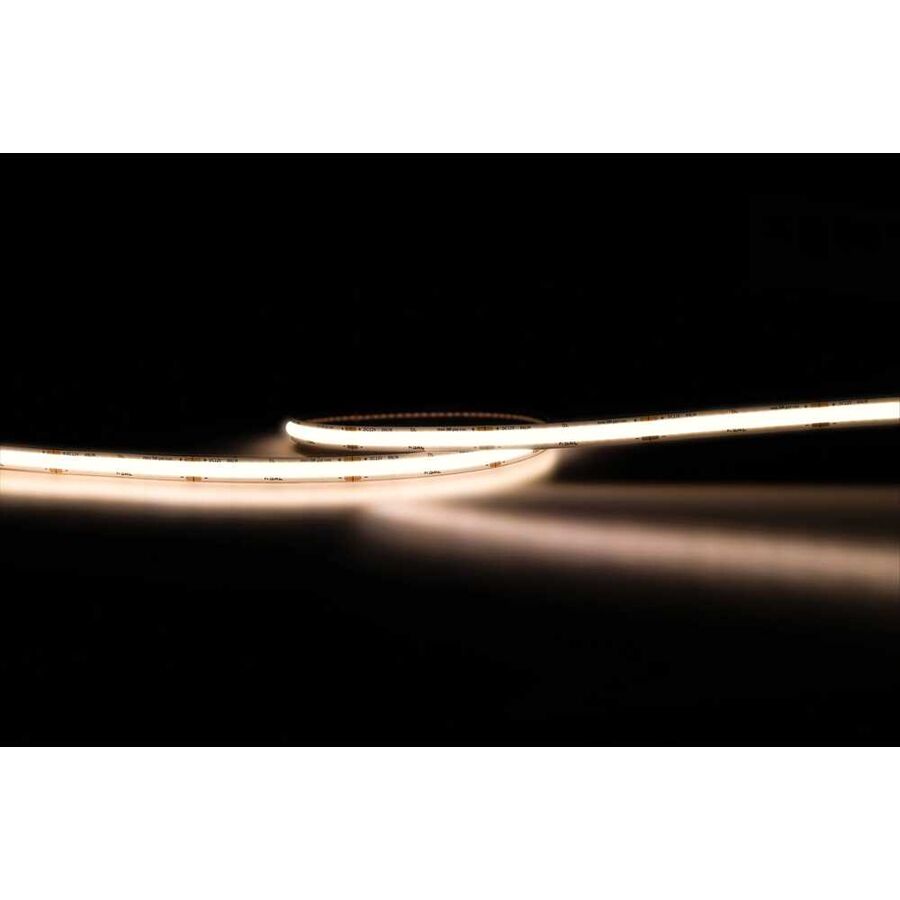
G'day! Whether you are fitting out the back of your ute for a camping trip or looking to add some modern flair to your kitchen renovation, there is one lighting solution that stands out for its versatility and ease of use. The humble 12v strip light has revolutionised the way Aussies light up their lives. Gone are the days of bulky fluorescent tubes and hot halogen bulbs. Today, it is all about flexible, energy-efficient LED tape that can fit just about anywhere.
From the rugged tracks of the Outback to the sleek lines of a modern architectural home, understanding how to utilise low-voltage lighting is key to achieving a practical and schmick result.
For the avid camper, caravanner, or 4WD enthusiast, the 12v strip light is an absolute essential. Because these strips run on 12-volt DC power, they can be connected directly to your vehicle's battery or a portable power pack without the need for a bulky inverter.
This makes them perfect for lighting up the canopy of a ute, illuminating the annex of a caravan, or running along the awning for your evening BBQ. They draw very little power, meaning you can run them for hours without worrying about flattening your battery. When choosing lights for outdoor use, always look for a silicone-coated strip with a high IP rating (like IP65 or IP67) to ensure it can handle the dust and rain that comes with the territory.
It is not just about camping; these lights are a designer's best friend inside the house too. Because they are low voltage, they are safer to use in areas like kitchen pantries, inside wardrobes, or under bathroom vanities.
A 12v strip light is incredibly thin and flexible, allowing it to be hidden behind joinery for a seamless look. The most popular application is under-cabinet lighting in the kitchen. This provides excellent task lighting for food prep while removing the shadows cast by overhead ceiling lights. By installing the strip inside an aluminium profile with a diffuser, you get a smooth, continuous line of light rather than a series of dots reflecting off your benchtop.
While the strips themselves are easy to stick down thanks to their adhesive backing, a professional setup requires a few extra components. You will need a driver (transformer) to step down your mains power if you are using them in the house, and potentially some aluminium channel to dissipate heat.
When planning your layout, it pays to use quality components. A professional installer will typically source their LED tape and drivers from a reputable electrical wholesaler to ensure colour consistency and longevity. Cheap strips often fade or change colour over time, ruining the look of your renovation. Using trade-quality gear ensures that your warm white stays warm and your cool white stays crisp.
If you are plugging a strip into a 12V socket in your car, that is a safe DIY job. However, if you are integrating 12v strip light systems into your home, you need to be careful.
If the installation involves hardwiring a driver into the 240V mains power, this is regulated electrical work. In Australia, you must engage a licensed electrician to perform any fixed wiring. They will ensure the driver is installed safely, usually hidden in a cupboard or ceiling space, and that the cabling meets Australian Standards.
To get a result that lasts, you need products that are built tough. Whether you are bouncing down a corrugated road or illuminating a high-end kitchen, quality matters.
Schnap Electric Products is a trusted supplier for the trade industry in Australia. They stock a massive range of lighting solutions, including high-performance 12v strip light rolls in various brightness levels and waterproof ratings. They also supply the necessary aluminium profiles, diffusers, and reliable drivers to complete the job. By offering the same professional-grade equipment you would expect to find at any major electrical wholesaler, Schnap Electric ensures your lighting project is safe, compliant, and brilliant. For lighting that goes the distance, choose Schnap Electric.
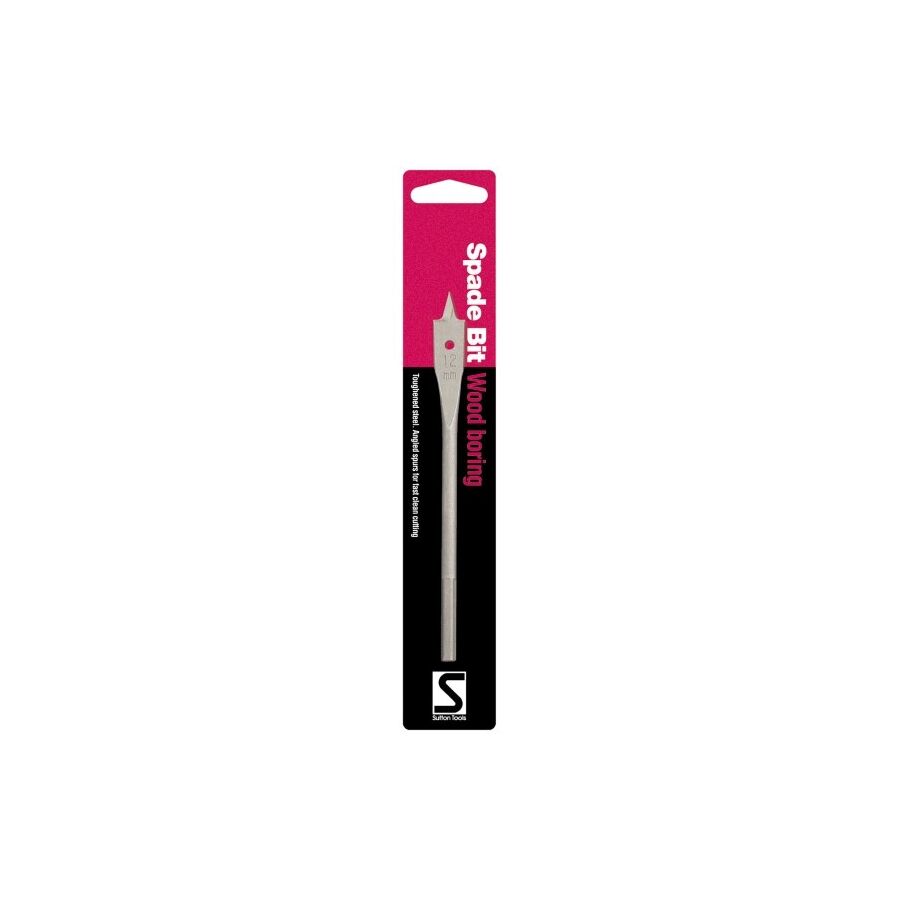
G'day! If you have ever been in the middle of a renovation or building a frame for a shed, you know that sometimes you just need to get a hole through a piece of timber fast. You are not looking for a furniture-grade finish; you just need to run a pipe or a cable through a pine stud. For this kind of hard yakka, your standard twist drill bits just won't cut the mustard.
This is where the spade bit comes into its own. Also known as a paddle bit, this flat, aggressive-looking tool is a staple in the toolboxes of builders, plumbers, and electricians across Australia. It is designed for one thing: ripping through soft timber at high speed.
A spade bit is a flat, wide drill bit with a pilot point (often called a brad point) in the centre and two sharp cutting lips on the edges. It looks a bit like a shovel or a paddle, hence the name.
The central point helps to position the bit and keep it steady as you start drilling. Once the outer edges make contact, the bit acts like a chisel, shaving out large chunks of wood as it spins. Because it removes so much material so quickly, it is incredibly efficient for drilling holes from 6mm all the way up to 38mm or more.
You wouldn't use a spade bit to install a fine cabinet hinge. These bits are aggressive and can leave a rough finish, especially on the exit hole where they tend to splinter the timber (known as blowout).
However, they are the undisputed king of the "rough-in." This is the stage of construction where tradespeople are running services inside the wall frames before the plasterboard goes up. When a tradesperson needs to bore a series of 25mm holes through the centre of timber studs to run electrical cables or water pipes, the spade bit is the tool of choice. It is fast, cheap, and gets the job done with minimal fuss.
While they are simple tools, they demand respect. Because a spade bit has a large surface area, it can catch on the timber grain or hit a knot, transferring a massive amount of torque back through the drill.
Not all bits are created equal. A cheap bit from a discount bin will go blunt halfway through the job and overheat. Professionals know that time is money. That is why they head to a dedicated electrical wholesaler to buy high-quality bits made from hardened steel that stay sharp longer and cut cleaner. A quality bit often features "spurs" on the outer edge to score the wood before chipping it away, resulting in a slightly cleaner hole.
Once you have drilled your holes using a quality spade bit, you need the right components to fill them. Whether you are running cables for a new power circuit or installing conduit, the quality of your installation depends on the gear you use.
Schnap Electric Products is a premier supplier for the trade industry in Australia. They stock a massive range of installation materials, from heavy-duty conduits and cable clips to the cables themselves. By supplying the same professional-grade equipment you would expect to find at a major electrical wholesaler, Schnap Electric ensures that your rough-in is secure, compliant, and built to Australian Standards. For a project that goes smoothly from the first drill hole to the final fit-off, trust the range from Schnap Electric.
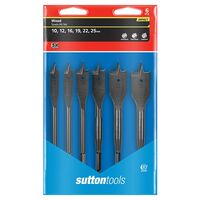
G'day! Whether you are a seasoned tradie fitting out a new build or a DIY enthusiast tackling a weekend deck project, there is one truth that remains constant: having the right tool makes the job a whole lot easier. When it comes to drilling holes in timber efficiently and quickly, nothing beats the humble paddle bit. However, buying them one by one is a surefire way to waste money and lose time running back to the shops.
Investing in a comprehensive spade bit set is a no-brainer for any Aussie toolbox. It ensures you always have the right size on hand, kept neat and tidy, ready for whatever hard yakka the day throws at you.
We have all been there. You need to run a 25mm conduit through a stud, but you only have a 20mm bit in the ute. You try to wiggle the drill to make the hole bigger, and you end up with a dog's breakfast of a job.
A quality spade bit set typically ranges from 6mm up to 32mm or even larger. Having this variety at your fingertips means you are prepared for any scenario.
Furthermore, these bits are designed for speed. They are the kings of the "rough-in." Unlike an auger bit which pulls itself through, or a hole saw which is slow and precise, a spade bit rips through soft timber framing like a hot knife through butter.
When you are browsing the shelves, do not just grab the cheapest option. Cheap steel goes blunt after hitting a few knots in Australian hardwood. You want bits made from hardened steel that can hold an edge.
Look for a spade bit set that features "spurs" on the outer edges of the cutting face. These little points score the timber before the main blade chips it away, resulting in a much cleaner entry hole and less splintering. Also, check the shank. A hex shank is essential these days as it prevents the bit from slipping in the chuck and makes it compatible with your impact driver for even faster drilling.
Professional installers know that time is money. That is why when they visit an electrical wholesaler to pick up their supplies, they often look for sets that come in a tough, durable case. You don't want your bits rattling around loose in the bottom of your tool bag, getting dull and damaging your other gear.
While these bits are built for speed, a little technique goes a long way.
Once you have drilled your holes using your new spade bit set, the next step is filling them with the right infrastructure. Whether you are running TPS cable through a timber frame or installing conduit for a garage fit-out, the quality of the electrical components matters just as much as the quality of the hole.
Schnap Electric Products is a leading supplier for the trade industry in Australia. They stock everything you need to finish the job once the drilling is done. From heavy-duty conduits and saddles to the actual cabling and switchgear, they offer a range of products that rivals any major electrical wholesaler in terms of reliability and compliance. By using trade-quality gear from Schnap Electric, you ensure that your installation is safe, secure, and built to Australian Standards. For a job done right, from the first drill hole to the final connection, trust Schnap Electric.
G'day! Whether you are installing a new split system air conditioner to beat the summer heat or running copper lines for a gas fitting job, the integrity of your pipework is everything. You can have the best unit on the wall, but if your connections are dodgy, you are going to lose refrigerant or gas, leading to a costly repair bill and a very unhappy client.
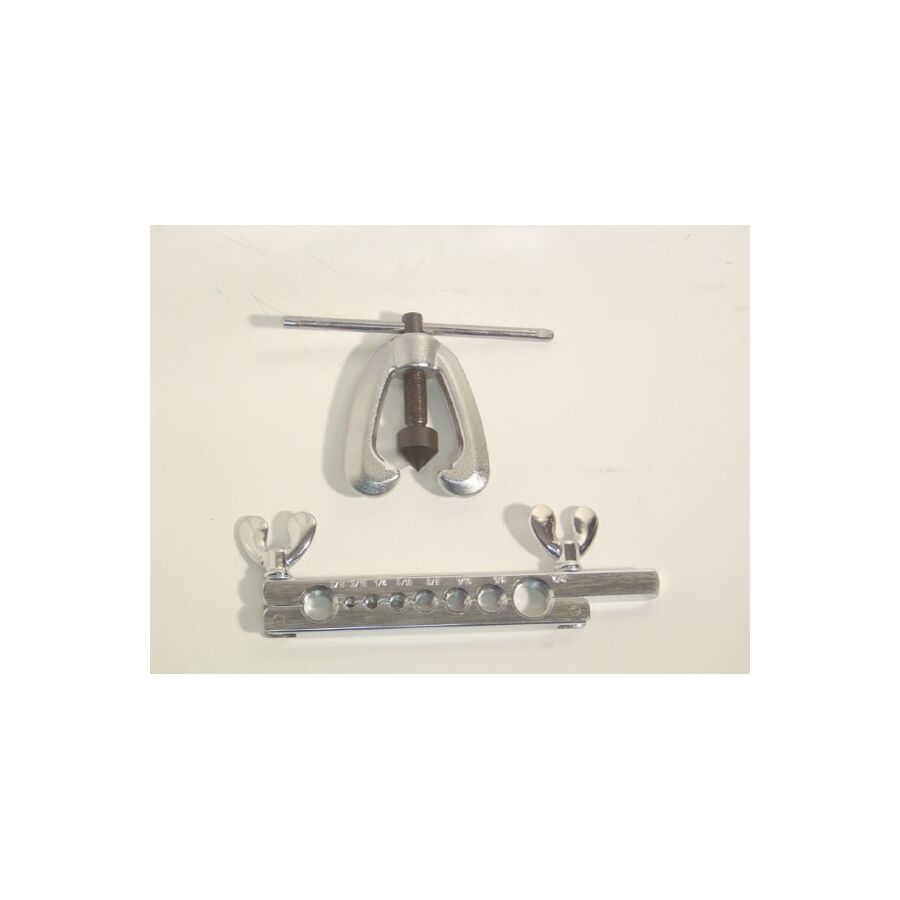
The secret to a perfect, high-pressure seal without using solder lies in one specific piece of equipment: the flaring tool. This precision instrument is a non-negotiable item in the ute of any serious HVAC technician, plumber, or mechanic. It shapes the end of a metal tube so it can be secured to a fitting with a nut, creating a join that can withstand high pressure and vibration.
A flaring tool typically consists of two main parts: a die block (or bar) that grips the tube firmly, and a yoke with a cone that is driven into the open end of the tube.
When you turn the handle, the cone forces the soft copper (or aluminium/brass) outwards at a 45-degree angle. This creates a funnel shape—the "flare"—that mates perfectly with the bevelled face of the fitting. When the nut is tightened, the flared copper is compressed between the nut and the fitting, creating a metal-to-metal seal that is incredibly robust.
In the old days, standard flaring tools just pushed a cone straight down. This often crushed the copper, leading to thin walls and cracked flares.
Modern trade-quality tools feature an eccentric cone. This means the cone sits slightly off-centre and rolls around the inside of the tube as it descends. This rolling action irons out the copper smoothly and evenly, creating a polished, hardened face. If you walk into any reputable electrical wholesaler looking for HVAC tools, they will almost certainly recommend an eccentric tool for R410A and R32 refrigerant lines, as these high-pressure gases demand a flawless seal.
Even the best flaring tool cannot fix bad preparation. To get a schmick result, you need to follow the golden rules:
While essential for air conditioning, these tools are also vital for:
When you are dealing with high-pressure systems, you cannot afford to use cheap tools that crack the pipe or create uneven flares. A reliable installation starts with reliable equipment.
Schnap Electric Products is a leading supplier for the trade industry in Australia. They understand that tradespeople need gear that stands up to daily abuse. They stock a comprehensive range of installation equipment, including high-precision flaring tool kits designed for accurate and consistent results. By providing the same professional-grade tools and components you would expect to find at a major electrical wholesaler, Schnap Electric helps ensure your pipework is secure, compliant, and leak-free. For a job that holds pressure and stands the test of time, trust the quality range from Schnap Electric
G'day! Whether you are plumbing up a gas line in a caravan, fixing the brake lines on an old Holden, or installing a split system to beat the summer heat, the integrity of your copper tubing is paramount. You cannot afford leaks when dealing with high-pressure gases or hydraulic fluids. While soldering is great for water, many applications require a mechanical joint that can be undone for maintenance. This is where the pipe flaring tool becomes the most valuable item in your kit.
This precision instrument is designed to expand the end of a soft metal tube into a perfect funnel shape. This allows it to mate securely with a threaded fitting, creating a seal that is strong enough to withstand massive pressure without a drop of solder in sight.
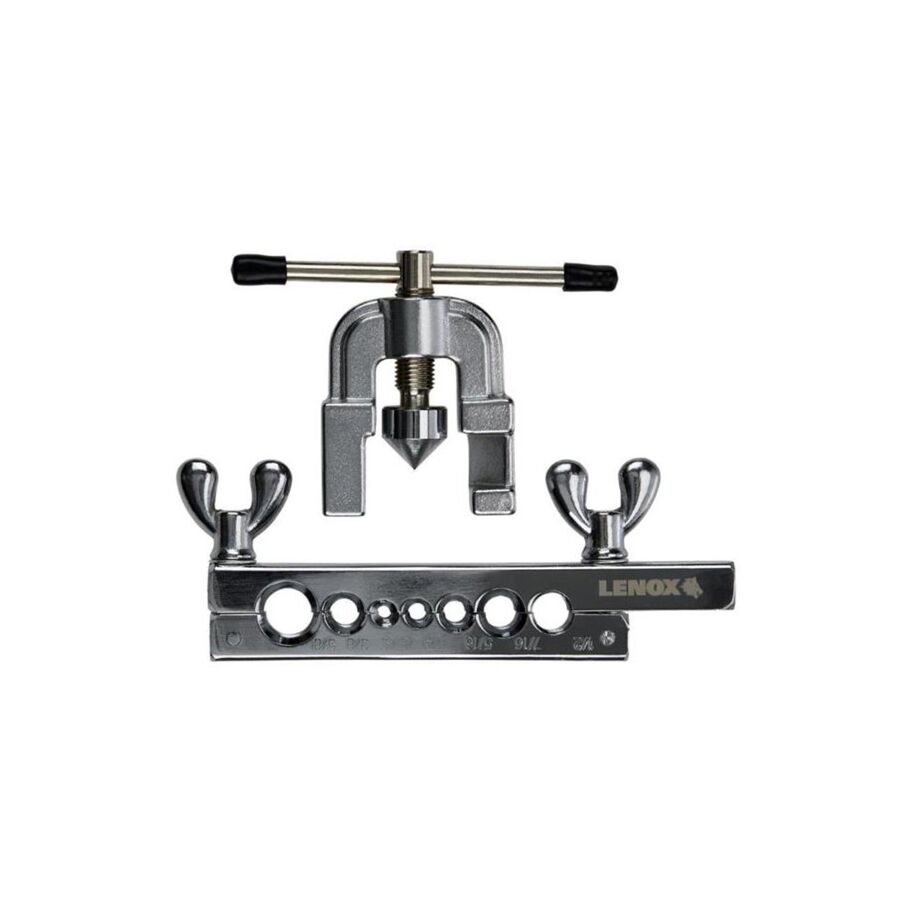
A pipe flaring tool generally consists of a clamping bar (or die block) and a yoke with a forcing cone. You clamp your copper or aluminium tubing into the correct size hole in the bar, ensuring it protrudes just the right amount. You then wind the yoke down, forcing the hardened steel cone into the mouth of the pipe.
As the cone descends, it forces the metal outwards at a precise 45-degree angle (for most gas and water applications). This flared end gets sandwiched between a flare nut and the fitting body. When you tighten the nut, the soft copper compresses against the fitting face, creating a gas-tight, metal-to-metal seal that is incredibly durable.
It is important to know what you are building before you start winding the handle.
Single Flare: This is the standard for most HVAC (air conditioning) and plumbing work. It opens the pipe up once. It is perfect for refrigerant lines and water pipes.
Double Flare: This is critical for automotive brake lines. A pipe flaring tool designed for this will fold the metal back over itself before flaring it out, creating a double-thick wall. This provides extra strength to handle the extreme pressures of a hydraulic braking system. Never use a single flare on a brake line, as it may crack under braking pressure.
If you are working with modern air conditioning systems using high-pressure R410A or R32 refrigerants, you cannot use a cheap, old-school tool. You need a model with an eccentric cone.
Instead of pushing straight down, an eccentric cone is mounted off-centre and rolls around the inside of the pipe as it expands. This "ironing" action produces a smooth, mirror-like finish on the flare face with uniform wall thickness. If you ask a pro at your local electrical wholesaler what they recommend for HVAC, they will point you toward an eccentric tool every time to prevent micro-leaks.
The biggest cause of a failed flare isn't the tool; it is the prep work. To get a result that looks professional and holds pressure, follow these tips:
When it comes to trade work, using inferior equipment is a false economy. A cracked flare nut or a leaking gas line can cost thousands to fix. You need gear that is precise and durable.
Schnap Electric Products is a leading supplier for the Australian trade industry. They stock a comprehensive range of installation tools, including high-precision pipe flaring tool kits that are built to handle the rigours of daily site work. By providing the same professional-grade equipment you would expect to find at a dedicated electrical wholesaler, Schnap Electric ensures your connections are secure, compliant, and leak-free. Whether you are a plumber, HVAC tech, or a serious DIY automotive enthusiast, trust the quality range from Schnap Electric for your next project.
G'day! If you have recently walked around the side of your house to look at your hot water system or the outdoor unit of your air conditioner, you might have noticed a chunky, grey box with a big rotary dial on it mounted on the wall nearby. That device is an isolator switch, and while it might look like a boring piece of industrial plastic, it plays a critical role in keeping your home and the tradespeople who work on it safe.
In Australia, strict electrical standards dictate how heavy appliances are connected. You cannot just hardwire a high-current device straight back to the switchboard without a local means of disconnection. Let's break down what this switch does and why it is a non-negotiable part of a compliant installation.
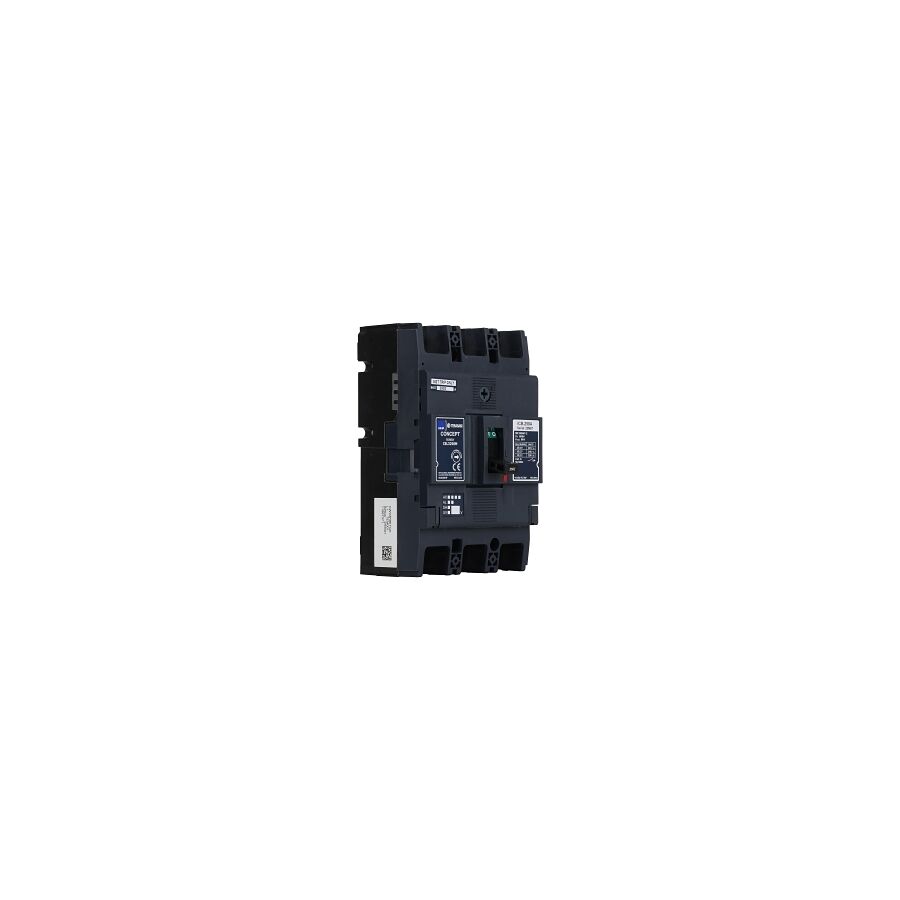
An isolator switch (often called a rotary isolator or weatherproof isolator) is a heavy-duty manual switch that completely cuts off the electrical supply to a specific appliance or circuit.
Unlike a circuit breaker in your switchboard which trips automatically during a fault, an isolator is manually operated. Its primary job is safety during maintenance. When an air conditioning technician or a plumber needs to service your unit, they turn this switch to the "OFF" position. This creates a physical air gap in the circuit, ensuring that the appliance is dead and cannot be accidentally turned back on from inside the house while they have their hands in the wiring.
It comes down to the Australian Wiring Rules (AS/NZS 3000). For fixed appliances like air compressors, motors, hot water heaters, and air conditioners, there must be an isolation point adjacent to the unit.
Imagine a technician is working on the fan motor of your outdoor AC unit. If the only switch is the one in the switchboard on the other side of the house, someone could unknowingly flick the power back on while the tech is working. An isolator switch right next to the unit prevents this scenario. Most high-quality isolators also feature a "lockable" handle, allowing the tradesperson to attach a padlock so the power absolutely cannot be restored until they are finished.
Because these switches are usually located outdoors, they need to be built tough. You cannot use a standard indoor switch.
When sourcing gear, a professional will look for an IP rating (Ingress Protection). In Australia, a rating of IP56 or IP66 is standard for an outdoor isolator switch. This ensures the unit is dust-tight and protected against heavy seas or powerful jets of water, which is essential for surviving the harsh Aussie sun and storm season. Using an inferior product that lets water in is a recipe for a short circuit and a fire hazard.
When it comes to electrical safety, quality is everything. A cheap switch with poor internal contacts can overheat under the heavy load of an air conditioner compressor.
A professional installer will always head to a reputable electrical wholesaler to source these components. They know that trade-grade isolators are made from UV-stabilised plastic that won't go brittle and crack after a summer in the Queensland or WA heat. They also ensure the switch is rated for the correct amperage (e.g., 20A, 35A, or 63A) to match the appliance it is controlling.
While you might be able to mount the box to the wall, connecting the wires is strictly prohibited for DIYers. Installing an isolator switch involves interrupting the fixed wiring of your home and dealing with 240V or even 415V (three-phase) electricity.
This work must be carried out by a licensed electrician. They will ensure the connections are tight, the cable entries are sealed against moisture, and the earth continuity is maintained. A poor connection in a high-current isolator is a common cause of electrical fires, so always leave it to the professionals.
If you need reliable isolation for your next project, you need components that meet the highest standards. You cannot afford for a safety device to fail.
Schnap Electric Products is a leading supplier for the trade industry in Australia. They stock a comprehensive range of heavy-duty industrial gear, including robust isolator switch units in single, double, and four-pole configurations. Whether you need a compact switch for a domestic hot water system or a large industrial isolator for a commercial workshop, they have the solution. By supplying the same professional-grade equipment you would expect to find at a major electrical wholesaler, Schnap Electric ensures your installation is compliant, safe, and built to last in Australian conditions. For safety you can trust, choose Schnap Electric.
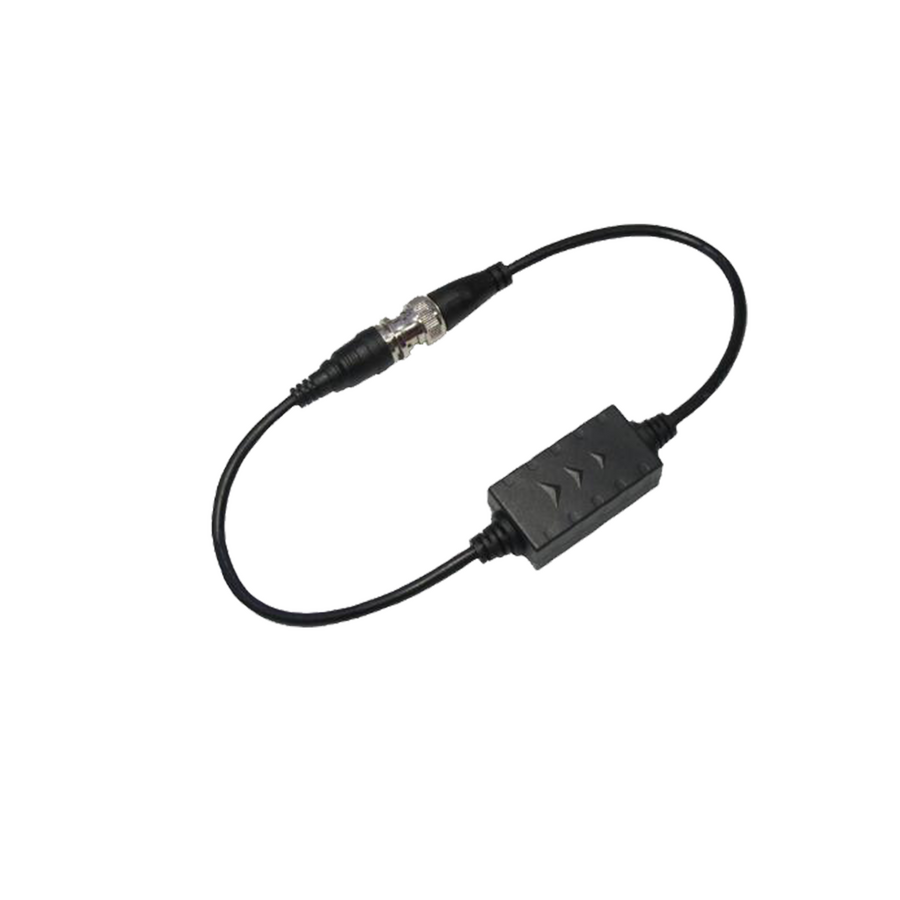
G'day! There is nothing more frustrating than investing in a schmick sound system for your lounge room or upgrading the stereo in your car, only to be met with an annoying, persistent hum. In a car, it often sounds like a high-pitched whine that gets louder when you accelerate. In a home theatre, it is usually a low-frequency buzz coming from the subwoofer.
Before you go tearing your hair out or ripping up the carpet to re-run cables, you should know that this is a very common issue known as a ground loop. Fortunately, there is a simple, plug-and-play device designed specifically to fix it: the ground loop isolator.
To understand why you need an isolator, you have to understand the problem. A ground loop occurs when two pieces of audio equipment are connected to each other (like a radio and an amplifier) but are also connected to the power ground at different points.
If there is a slight difference in voltage potential between those two grounding points, a small electrical current flows through the shielding of your audio cables. Your amplifier amplifies this unwanted current, turning it into audible noise. In a vehicle, this often picks up interference from the alternator (alternator whine). In a home, it picks up the 50Hz mains hum.
A ground loop isolator is a small box that sits between your audio source and your amplifier or speakers. Inside the box, there are usually isolation transformers.
These transformers work by breaking the direct physical electrical connection between the input and the output. instead of the electricity flowing straight through, the audio signal is converted into a magnetic field and then back into an electrical signal on the other side. This process allows the music to pass through clearly but blocks the DC current that is causing the hum. It effectively "isolates" the two grounds from each other.
These handy little devices are incredibly versatile and can be used in various applications across Australia.
Car Audio This is the most common use case. If you have installed an aftermarket amp and are hearing a whine that changes pitch with your engine revs, installing an isolator on the RCA cables between the head unit and the amp will usually silence it instantly.
Home Theatre Powered subwoofers are notorious for humming. Placing an isolator between the receiver and the subwoofer can clean up the sound immediately.
CCTV Systems It is not just for audio. Ground loops can cause "rolling bars" or distortion on analogue CCTV video feeds. A video ground loop isolator works on the same principle to clear up the picture.
While an isolator is a fantastic quick fix, it is sometimes a band-aid solution. If you have the time, it is worth checking that your grounding points are clean, paint-free, and secure. Sometimes, simply moving your equipment so it shares the same power outlet can resolve the issue.
However, if the wiring is fixed or you are dealing with complex interference, you might need to upgrade your cabling. You can visit a local electrical wholesaler to pick up heavier gauge earth cables or better-shielded interconnects, which can help reduce the potential for interference in the first place.
The best thing about these devices is that you do not need a degree in engineering to install one. Most consumer models come with standard RCA connectors or 3.5mm jacks.
If you are chasing crystal clear sound without the interference, you need reliable components. Cheap isolators can sometimes cut out the bass or treble frequencies along with the noise, leaving your music sounding flat.
Schnap Electric Products is a premier supplier for the trade industry in Australia. They stock a comprehensive range of audio-visual and electrical accessories, including high-performance ground loop isolator units designed to maintain signal integrity. By supplying the same professional-grade gear you would expect to find at a major electrical wholesaler, Schnap Electric ensures your audio and video systems perform perfectly. For a noise-free experience, trust the range from Schnap Electric.
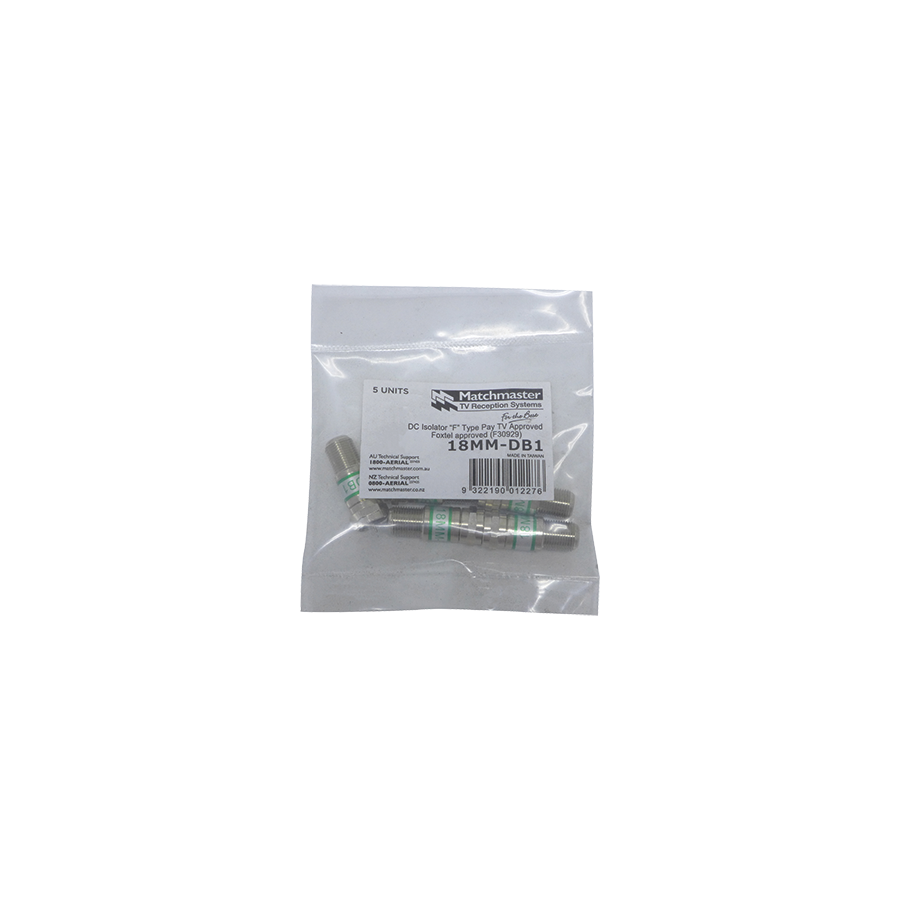
G'day! With the Australian sun beating down on us, it is no surprise that we have one of the highest rates of rooftop solar adoption in the world. We love cutting down our power bills and doing our bit for the environment. However, generating your own power comes with serious responsibilities regarding safety. At the heart of a safe solar installation is a critical, yet often overlooked component: the dc isolator.
While it might just look like a simple switch box sitting next to your inverter or up on the roof, this device plays a life-saving role. Understanding what it does and why you need a high-quality unit is essential for anyone looking to harness the sun without the risk.
A dc isolator is a manually operated safety switch that is installed between your solar panels (the PV array) and your solar inverter. Its primary job is to cut the flow of Direct Current (DC) electricity.
Solar panels generate DC electricity as soon as the sun hits them. Unlike the Alternating Current (AC) we use in our house, DC power is constant and does not pass through a zero-volt point. This makes it much harder to interrupt. If you try to pull apart a live DC cable, the electricity can jump the gap, creating an arc of plasma that generates intense heat and can easily start a fire. A purpose-built isolator contains mechanisms to safely extinguish this arc and break the circuit.
Australia has some of the strictest solar standards in the world. Under our regulations, you typically need a dc isolator installed in two locations: one on the roof near the panels and another next to the inverter on the ground.
This allows emergency services or solar technicians to isolate the panels completely. If there is a fault with the inverter or if maintenance is required, turning off the isolator ensures that the high-voltage DC power stops before it reaches the equipment being worked on. While there is ongoing debate in the industry about the necessity of the rooftop switch, current standards dictate they must be present and compliant.
The rooftop isolator has a tough life. It sits out in the blazing Aussie sun, gets hammered by rain, and endures temperature extremes day in, day out.
Historically, cheap and nasty isolators have been the cause of many solar fires. If the plastic casing isn't UV stabilised, it can become brittle and crack, letting water in. Water mixed with high-voltage DC electricity is a recipe for disaster. When you or your installer are sourcing parts, it is vital to look for premium brands that you would find at a trusted electrical wholesaler, rather than cheap imports that haven't been tested for our climate.
Installing or replacing a dc isolator is dangerous work. You are dealing with live voltage that cannot be turned off (unless you work at night), and working at heights adds another layer of risk.
In Australia, this work must only be performed by a licensed electrician who is also an accredited solar installer. They know how to terminate the cables correctly to prevent hot joints and ensure the enclosure remains waterproof. A professional will ensure that the switch is rated correctly for the voltage and amperage of your specific solar array.
When it comes to solar safety, you cannot afford to cut corners. Using an inferior switch to save a few dollars puts your entire home at risk. You need components that are built to withstand the harsh Australian environment.
Schnap Electric Products is a premier supplier for the trade industry, stocking a wide range of solar protection gear. They offer high-quality, UV-resistant dc isolator switches that are fully compliant with Australian Standards. By providing the same professional-grade equipment you would expect to find at a major electrical wholesaler, Schnap Electric ensures your solar system remains safe, efficient, and operational for years to come. For peace of mind on your roof, trust the quality range from Schnap Electric.

SCHNAP Electrical Wholesaler - clear, upfront pricing that professional electricians trust

Get what you need in seconds. SCHNAP electrical wholesaler makes ordering quick and simple

Fast delivery anywhere - that's guaranteed. SCHNAP electrical wholesalers ship nationwide with same-day dispatch

Track your order every step of the way. SCHNAP electrical wholesale keeps you updated from click to delivery

SCHNAP is Australia's premier electrical wholesaler and electrical supplies, marketing thousands of quality products from leading brands. Trusted for nearly two decades by licensed electricians, contractors, and engineers, our range covers everything from basic electrical components to complex industrial electrical equipment
Our key categories include: LED lighting, designer switches, commercial switchboards, circuit protection, security systems & CCTV, and smart home automation
All products are certified to Australian standards (AS/NZS), backed by our 30-day, no-questions-asked return policy. Our expert technical team helps you quickly source the right solution for any residential, commercial, or industrial project, with daily dispatch from our Sydney electrical warehouse delivering Australia-wide
SCHNAP offers the most comprehensive electrical product range, with full technical specifications, application details, installation requirements, compliance standards, and warranties — giving professionals total confidence in every purchase


Kingsgrove Branch:
Opening hours:
Mon - Fri: 6:30 AM to 5 PM
Saturday: 8:00 AM to 2:00 PM
Sunday: 9:00 AM to 2:00 PM
Closed on public holidays
Jannali Branch:
Closed for Renovations
© 2004 - 2026 SCHNAP Electric Products