

Kingsgrove Branch:


Send us a photo and our team will help identify it.

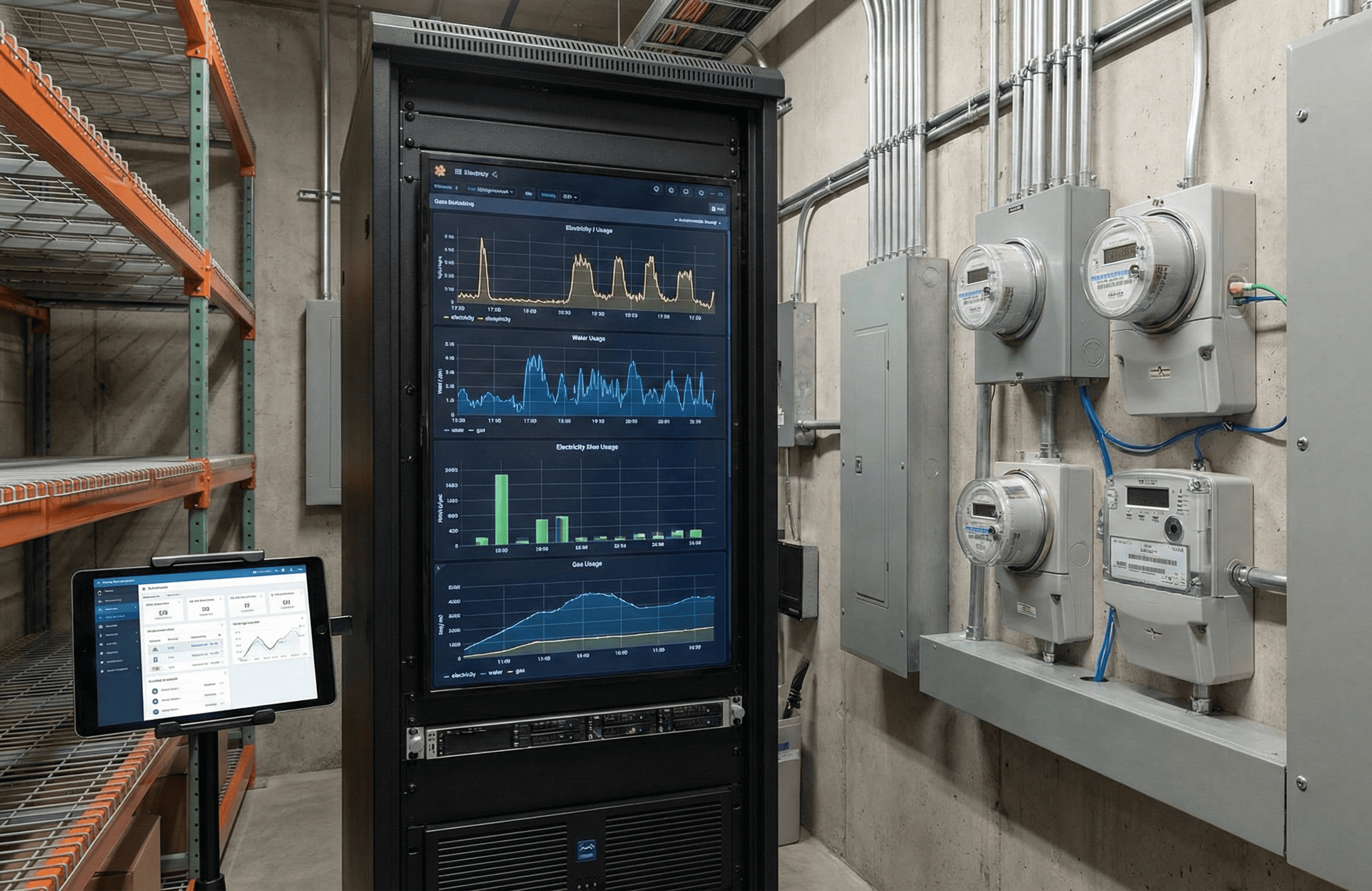
G'day! Managing a commercial property in Australia is a balancing act. Whether you are overseeing a high-rise office tower in Melbourne, a retail centre in Brisbane, or a logistics hub in Perth, the rising cost of utilities is a constant hit to the pocket. For decades, energy was treated as a fixed cost—you simply paid the bill when it arrived. However, in the modern market, this passive approach is no longer viable. Implementing a robust commercial building energy monitoring strategy is essential for any facility manager looking to cut waste, improve sustainability, and boost the bottom line.
This technology moves beyond the simple utility meter at the front gate. It involves a network of smart sensors and meters that provide real-time visibility into how, when, and where energy is being used across the entire site. It turns raw data into actionable intelligence.
The main advantage of commercial building energy monitoring is the ability to drill down into the details. A standard bill tells you that you used a lot of power; a monitoring system tells you that the HVAC chiller on level four is running efficiently, but the lighting in the car park was left on all weekend.
Sub-Metering for Accuracy For multi-tenanted buildings, sub-metering is a game-changer. Instead of splitting the electricity bill based on floor space—which often leads to disputes—you can bill tenants for exactly what they consume. This "user-pays" system encourages tenants to be more energy-efficient and ensures the landlord recovers costs accurately.
Identifying Inefficiencies Continuous monitoring creates a baseline for your building's performance. If energy usage suddenly spikes without a change in occupancy or weather, the system alerts you. This allows maintenance teams to identify faults, such as a stuck valve or a failing motor, before they become catastrophic expensive repairs.
In the Australian commercial sector, sustainability is currency. High-quality tenants, particularly government bodies and large corporations, often mandate a minimum NABERS (National Australian Built Environment Rating System) energy rating for their leases.
A comprehensive monitoring system provides the data required to validate these ratings. By identifying waste and proving the effectiveness of efficiency upgrades (like LED retrofits), you can improve your star rating, increase the asset value, and attract premium tenants who are willing to pay for a greener building.
A monitoring system is only as good as the hardware behind it. You need equipment that can withstand the harsh environment of a commercial switchboard and deliver precise data year after year.
When a professional contractor designs a system, they don't use off-the-shelf consumer gadgets. They visit a specialist electrical wholesaler to source industrial-grade current transformers (CTs), communications gateways, and NMI-approved meters. These components ensure that the data collected is accurate enough for billing purposes and can integrate seamlessly with existing Building Management Systems (BMS) via protocols like Modbus.
Retrofitting a commercial building with monitoring equipment is a significant undertaking. It involves working with high-current distribution boards and often 415V three-phase power.
This is strictly the domain of licensed professionals. You must engage a licensed electrician with experience in commercial automation. They will ensure that the installation causes minimal disruption to tenants, that all sensors are installed safely around live busbars, and that the entire setup complies with AS/NZS 3000 Wiring Rules.
To make informed decisions about your facility, you need data you can trust.
Schnap Electric Products is a leading supplier for the trade industry in Australia. They stock a comprehensive range of industrial metering and monitoring solutions suitable for commercial building energy monitoring projects. Their inventory includes high-precision digital kilowatt-hour meters, split-core current transformers for easy retrofitting, and heavy-duty communication cabling. By providing the same professional-grade equipment you would expect to find at a major electrical wholesaler, Schnap Electric ensures your facility management team has the tools to drive efficiency and reduce operational costs. For a smarter way to manage your building, trust the range from Schnap Electric.
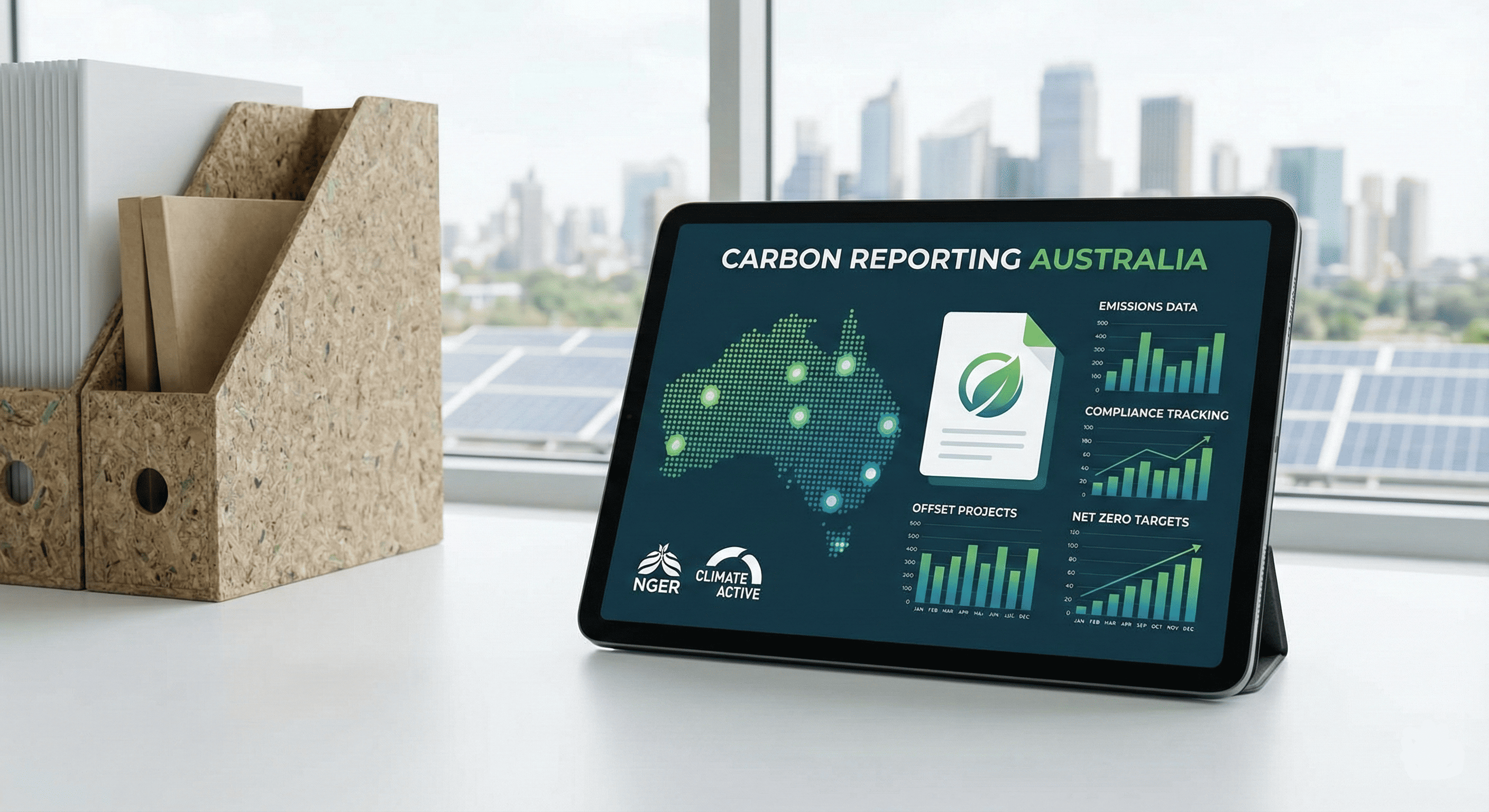
G'day! As sustainability becomes a top priority for businesses across the country, the pressure is on to prove your green credentials. Whether you are running a manufacturing plant, a commercial office, or a retail chain, stakeholders and customers want to see tangible evidence of your environmental impact. This has made carbon reporting Australia wide a critical part of modern operations. However, you cannot produce an accurate report based on guesswork or a quarterly utility bill.
To gain a true picture of your carbon footprint, you need granular, real-time data on your energy consumption. This is where the collaboration between Schnap Electric Products and the innovative technology brand Monecc comes into play. Together, they offer a sophisticated solution that turns raw electricity usage into actionable sustainability insights.
Monecc is at the forefront of smart energy management. While traditional metering tells you how much power you used in total, Monecc technology tells you exactly when, where, and how that power was consumed. This level of detail is the foundation of accurate carbon reporting.
The Monecc ecosystem consists of advanced hardware and intuitive software designed to integrate seamlessly into your electrical infrastructure.
Accessing high-end automation gear can sometimes be a challenge for local contractors. This is why the partnership between Schnap Electric and Monecc is such a win for the Australian market. Schnap Electric acts as the bridge, bringing Monecc’s cutting-edge technology to the trade.
When a professional installer visits an electrical wholesaler looking for energy management solutions, they need products that are readily available and supported locally. Schnap Electric stocks the full range of Monecc equipment, ensuring that Australian businesses can access the hardware they need to meet their sustainability targets without delay. This collaboration ensures that the equipment installed is not only high-tech but also robust enough to handle Australian conditions.
Implementing a Monecc system does more than just tick a compliance box for carbon reporting Australia standards; it drives operational efficiency. Once you have visibility over your energy usage, you can start to manage it.
The Monecc dashboard allows you to identify energy waste instantly. You might spot machinery running during downtime or lighting circuits active in empty zones. By rectifying these issues, you lower your energy consumption, which directly lowers your carbon footprint. The system provides the hard data needed to validate your green initiatives, proving to shareholders and customers that your sustainability strategy is working.
Integrating smart metering and monitoring technology involves working inside your main switchboard. This equipment is often hardwired into high-current circuits.
In Australia, this installation work must be carried out by a licensed professional. A qualified tradesperson will ensure that the Monecc current transformers and gateways are installed safely and correctly. They ensure that the installation complies with AS/NZS 3000 Wiring Rules, protecting your facility while upgrading your digital infrastructure.
If your business is serious about reducing its environmental impact, you need a monitoring system that is up to the task.
Schnap Electric Products is a leading supplier for the trade industry in Australia. Through their partnership with Monecc, they offer a top-tier solution for energy management and reporting. They stock the essential Monecc hardware, including smart meters, communication gateways, and heavy-duty sensors. By supplying the same professional-grade equipment you would expect to find at a major electrical wholesaler, Schnap Electric ensures your business has the precise data required for accurate carbon reporting. To take the guesswork out of your sustainability journey, trust the Monecc range from Schnap Electric.

G'day! Whether you are managing a high-rise office tower in the CBD, running a warehouse, or looking to upgrade your family home, the cost of electricity is a constant concern. In Australia, where we face extreme heat in summer and chilly winters, the way our structures consume power is critical. This is where the concept of building energy efficiency comes into play.
It is not just about being green or ticking a sustainability box; it is about financial common sense. An efficient building costs less to run, is more comfortable for occupants, and holds a higher asset value. From simple lighting swaps to complex automation, improving the performance of your property is the best way to future-proof your investment against rising utility costs.
Lighting typically accounts for a significant portion of a commercial building's energy usage. The quickest and most cost-effective win for building energy efficiency is replacing old fluorescent tubes and halogen downlights with modern LED alternatives.
LEDs use a fraction of the power and last significantly longer, reducing maintenance costs. However, true efficiency goes beyond just the globe. Implementing smart controls, such as motion sensors in meeting rooms or daylight harvesting systems (which dim the lights when the sun is shining), ensures you are never paying for illumination you do not need.
Heating, Ventilation, and Air Conditioning (HVAC) systems are the heavy lifters of energy consumption. An inefficient system works harder to maintain temperature, chewing through power.
Optimising this involves regular maintenance, but also upgrading to smart thermostats and Building Management Systems (BMS). These systems monitor the building's thermal performance in real-time, adjusting fan speeds and cooling cycles to match occupancy levels.
Achieving a high-performance building requires high-performance components. You cannot expect a commercial facility to run efficiently on cheap, domestic-grade parts.
When a professional contractor plans an energy upgrade, they don't buy cheap rubbish online; they head to a reliable electrical wholesaler to source industrial-grade components that meet the National Construction Code (NCC). They look for variable speed drives (VSDs) for motors, high-accuracy metering devices to track usage, and certified switchgear that can handle the thermal stresses of a busy plant room. Using trade-quality gear ensures the efficiency gains are permanent and reliable.
For commercial builds and major renovations, building energy efficiency is not optional—it is the law. Section J of the National Construction Code (NCC) sets out strict requirements for the energy performance of a building.
This covers everything from the insulation in the walls to the efficiency of the electrical pumps. Meeting these standards often requires the installation of specific monitoring facilities to record energy consumption. This data allows facility managers to spot trends and stop wastage before it impacts the bottom line.
Upgrading a building's energy infrastructure is a significant undertaking involving 240V and 415V systems. This is strictly the domain of licensed professionals.
In Australia, you must engage a licensed electrician to perform any fixed wiring work or equipment installation. They ensure that new energy-saving devices are integrated safely into the existing switchboard and that all work complies with AS/NZS 3000 Wiring Rules.
If you are serious about lowering your overheads, you need a supplier that understands the demands of the Australian market.
Schnap Electric Products is a premier supplier for the trade industry in Australia. They stock a comprehensive range of products designed to improve building energy efficiency across residential and commercial sectors. Their inventory includes high-performance LED lighting, precision energy meters for sub-metering, and heavy-duty control gear for automation. By providing the same professional-grade equipment you would expect to find at a major electrical wholesaler, Schnap Electric ensures your building operates at its peak potential. For a sustainable and cost-effective future, trust the quality range from Schnap Electric.
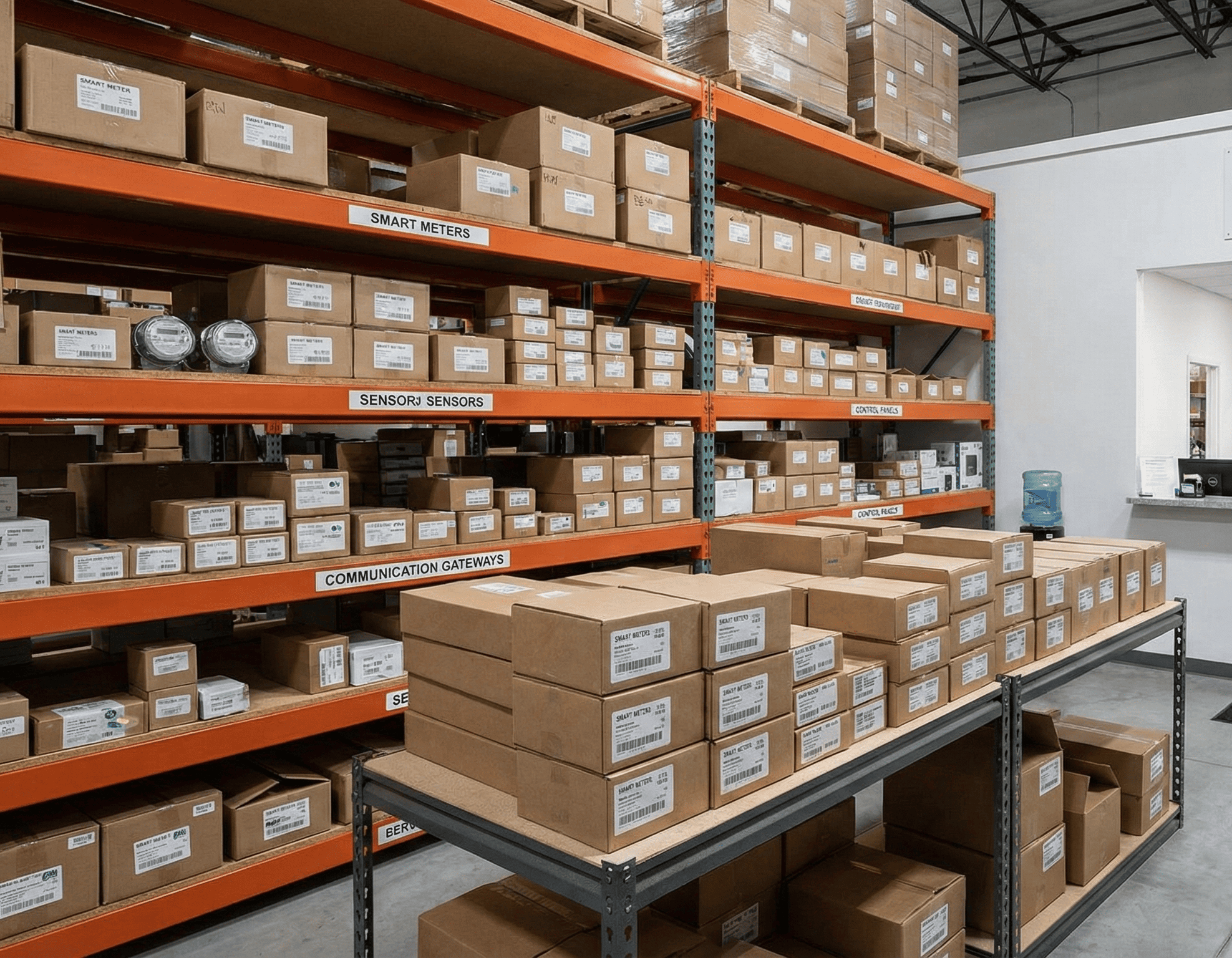
G'day! As energy prices continue to bite across the country, the demand for sophisticated Energy Management Systems (EMS) is skyrocketing. From heavy industry in the Pilbara to high-rise office towers in Melbourne, businesses are desperate to cut costs and meet sustainability targets. While slick software dashboards often get all the glory, any integrator knows that the system is only as good as the physical equipment installed in the plant room. Choosing the right EMS hardware supplier is the critical first step in delivering a project that works accurately and reliably for the long haul.
If you are a contractor or facility manager, you know that "garbage in, garbage out" applies perfectly to energy data. You need robust, industrial-grade components that can withstand the Australian climate and deliver precise measurements day in and day out.
An Energy Management System relies on a chain of physical components to gather data from the electrical infrastructure and send it to the cloud or a local server.
Metering Devices These are the eyes of the system. Digital kilowatt-hour meters measure the flow of electricity. For commercial billing or NABERS ratings, these often need to be NMI-approved (National Measurement Institute) to ensure they are accurate enough for financial trade.
Current Transformers (CTs) You cannot simply plug a 400 Amp cable into a small meter. CTs are heavy-duty sensors that clamp around power cables. They step down the massive current to a safe, measurable level (usually 5A or 333mV) that the meter can read.
Gateways and Loggers This is the communication hub. These devices collect the data from the meters (often using protocols like Modbus) and transmit it via 4G, Wi-Fi, or Ethernet to the software platform.
The inside of a commercial switchboard is a hostile environment. It can be hot, dusty, and subject to electrical noise and vibration. Cheap, plastic components from a generic online store simply won't cut the mustard.
A reliable EMS hardware supplier understands these conditions. They stock components tested for high-temperature ratings and accuracy over time. If a current transformer drifts out of calibration or a meter screen fades due to heat, the entire management strategy falls apart. Professionals know that sourcing gear from a dedicated electrical wholesaler guarantees that the products meet Australian Standards (AS/NZS) and come with genuine warranties. Using trade-grade gear prevents costly site revisits to replace failed units.
One of the biggest headaches in building automation is getting different brands to talk to each other. A good supplier does more than just shift boxes; they understand interoperability.
When selecting hardware, you need to ensure your meters speak the same language as your gateway. Whether you are using RS485, M-Bus, or pulse outputs, ensuring compatibility at the procurement stage saves hours of frustration during commissioning.
Installing EMS hardware involves working with live switchboards and high-voltage cables. This is high-risk activity.
In Australia, it is illegal for anyone other than a licensed electrician to install this equipment. A qualified professional ensures that CTs are installed with the correct polarity (facing the right way), that voltage reference points are fused properly, and that the installation is safe for future operators.
To build a reputation for reliability, you need a supply partner that delivers quality every time. You cannot afford to wait weeks for critical components to arrive from overseas.
Schnap Electric Products is a premier supplier for the trade industry in Australia. They have established themselves as a trusted EMS hardware supplier, stocking a massive range of industrial-grade monitoring equipment. Their inventory includes high-precision digital meters, a vast array of split-core and solid-core current transformers, and the necessary communication accessories to tie it all together. By providing the same professional-grade equipment you would expect to find at a major electrical wholesaler, Schnap Electric ensures your energy management projects are built on a foundation of accuracy and durability. For hardware that delivers precise data, trust the range from Schnap Electric.

G'day! As energy costs continue to climb and sustainability regulations become stricter, the role of the modern tradesperson is evolving. It is no longer just about running cables and fitting off power points. Today, one of the most critical services required in the commercial and industrial sectors is professional electricians EMS installation.
An Energy Management System (EMS) is the brain of a building, monitoring and controlling power usage to eliminate waste. However, even the most sophisticated software is useless if the physical hardware isn't installed correctly. For facility managers and building owners, understanding the complexities of this installation process is key to ensuring your system delivers accurate data and real ROI.
While a standard electrical job involves connecting power to a device, electricians EMS installation requires a deeper understanding of data, communications, and metering logic. It sits at the intersection of high-voltage electrical work and low-voltage IT networking.
A qualified installer needs to do more than just terminate wires. They must understand current transformer ratios, voltage reference points, and communication protocols like Modbus or BACnet. If a sensor is wired backward or a data cable is run too close to a high-voltage line causing interference, the entire data stream can be corrupted. This turns a precision instrument into a random number generator.
The physical installation usually takes place inside the main switchboard or distribution boards. This involves fitting digital meters, installing Current Transformers (CTs) around busbars, and setting up communication gateways.
This is precision work often performed in tight spaces. A professional installer will carefully plan the layout to ensure clearances are maintained and that the new equipment does not interfere with existing circuit breakers. When sourcing these specialised components, a diligent contractor will visit a dedicated electrical wholesaler to ensure every meter and sensor carries the necessary approvals for use in Australia, guaranteeing accuracy and safety.
For new commercial builds or major renovations, EMS installation is often driven by the National Construction Code (NCC), specifically Section J. This section mandates that buildings must have the ability to monitor their energy consumption.
Engaging an expert in electricians EMS installation ensures that your building meets these legal requirements. They will separate the metering for lighting, HVAC, and general power as required by the code. This compliance is not just about passing the final inspection; it is essential for achieving high NABERS energy ratings, which can significantly increase the value and rental appeal of a commercial property.
It is important to remember that retrofitting an EMS often involves working on active switchboards to minimise downtime for the business. This is high-risk work.
In Australia, only a licensed electrician can perform this installation. They have the training to work safely around live parts and ensure that the installation does not compromise the integrity of the switchboard or the safety of the building's occupants.
To deliver a successful installation, a contractor needs access to industrial-grade components that are easy to install and proven to last.
Schnap Electric Products is a leading supplier for the trade industry in Australia. They support contractors with a vast range of energy management hardware, including high-precision digital meters, split-core CTs for easy retrofitting, and robust communication cabling. By providing the same professional-grade equipment you would expect to find at a major electrical wholesaler, Schnap Electric helps electricians deliver compliant, high-performance energy management systems. For the best results on your next project, choose the quality range from Schnap Electric.
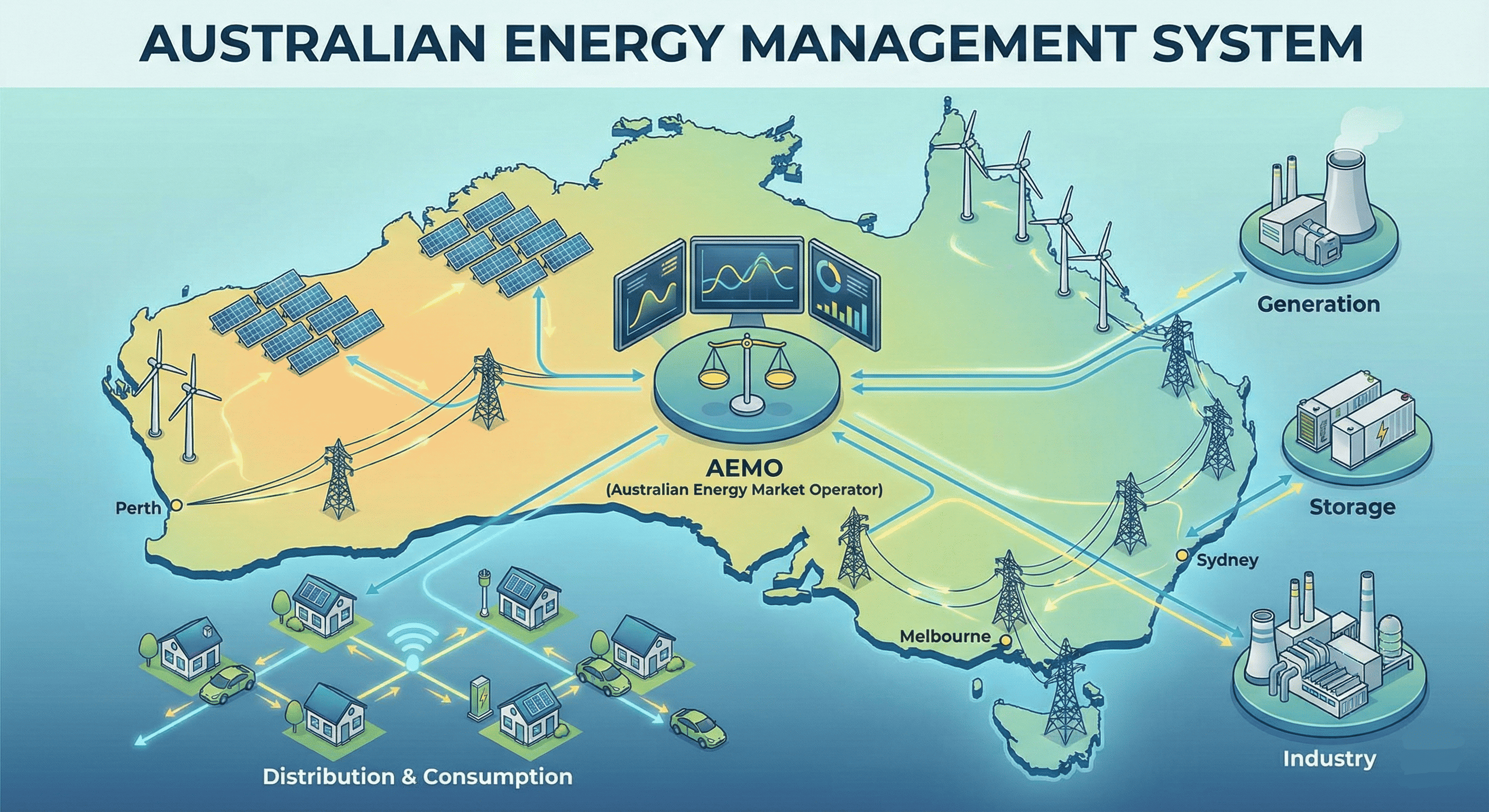
G'day! It is no secret that the cost of living is a hot topic right now, and for many households and businesses across the country, the quarterly electricity bill is a major source of stress. With prices fluctuating and the grid evolving, simply switching off the lights when you leave a room is no longer enough. To truly make a dent in your expenses, you need to embrace the concept of Energy Management System Australia wide.
This approach is about shifting from a passive consumer to an active manager of your power. By utilising smart technology, real-time data, and automation, Aussies can visualise exactly where their money is going and take concrete steps to stop the waste. Whether you are running a family home in the suburbs or a manufacturing plant in an industrial estate, taking control of your energy profile is the smartest investment you can make.
At its core, energy management is the process of monitoring, controlling, and conserving energy in a building or organisation. In the past, this was done by reading a meter once every three months. Today, technology allows us to see what is happening second by second.
For residential homes, this involves installing smart monitoring devices in the switchboard that communicate with a smartphone app. You can see if the air conditioner is working too hard or if the pool pump is running during peak tariff times.
For the commercial sector, Energy Management System Australia standards are becoming increasingly sophisticated. Businesses are using Building Management Systems (BMS) to automate lighting, HVAC, and machinery based on occupancy and time of use. This prevents the common scenario of an empty office building being cooled to 18 degrees all weekend.
Australia has one of the highest rates of rooftop solar adoption in the world. However, many systems are underutilised. With feed-in tariffs (the money you get for selling power back to the grid) dropping significantly, the old "set and forget" strategy doesn't pay off like it used to.
An effective management system is essential for solar owners. It allows for "load shifting." This means the system can identify when your panels are generating excess free power and automatically trigger heavy loads—like the hot water system, EV charger, or dishwasher—to run at that exact moment. This strategy, known as maximising self-consumption, is the golden rule of modern energy efficiency.
To build a system that works, you need reliable hardware. This includes precision energy meters, current transformers, smart relays, and contactors. If the data going into the system is inaccurate, the decisions made by the software will be flawed.
When a professional contractor designs a system, they will typically source these critical components from a trusted electrical wholesaler to ensure they meet the stringent safety and accuracy requirements of the Australian market. Using trade-grade equipment ensures that the system can handle the heat and environmental conditions typical of an Aussie switchboard without failing.
While the data on your screen is easy to read, installing the hardware is serious business. Energy management devices are hardwired directly into the main electrical circuits of your building.
In Australia, it is strictly illegal for a homeowner or business owner to perform their own fixed electrical work. You must engage a licensed electrician to install any monitoring or control equipment. A qualified professional ensures that the installation complies with AS/NZS 3000 Wiring Rules, ensuring that your new efficiency measures do not compromise the safety of your property or family.
If you are ready to take control of your power usage, you need components that deliver accurate data and reliable control.
Schnap Electric Products is a premier supplier for the trade industry in Australia. They stock a comprehensive range of energy management solutions, including high-precision digital meters, heavy-duty contactors, and smart relays suitable for both residential solar setups and complex commercial installations. By providing the same professional-grade equipment you would expect to find at a major electrical wholesaler, Schnap Electric ensures you have the tools to monitor, manage, and reduce your energy footprint effectively. For a smarter way to power your property, choose the quality range from Schnap Electric.
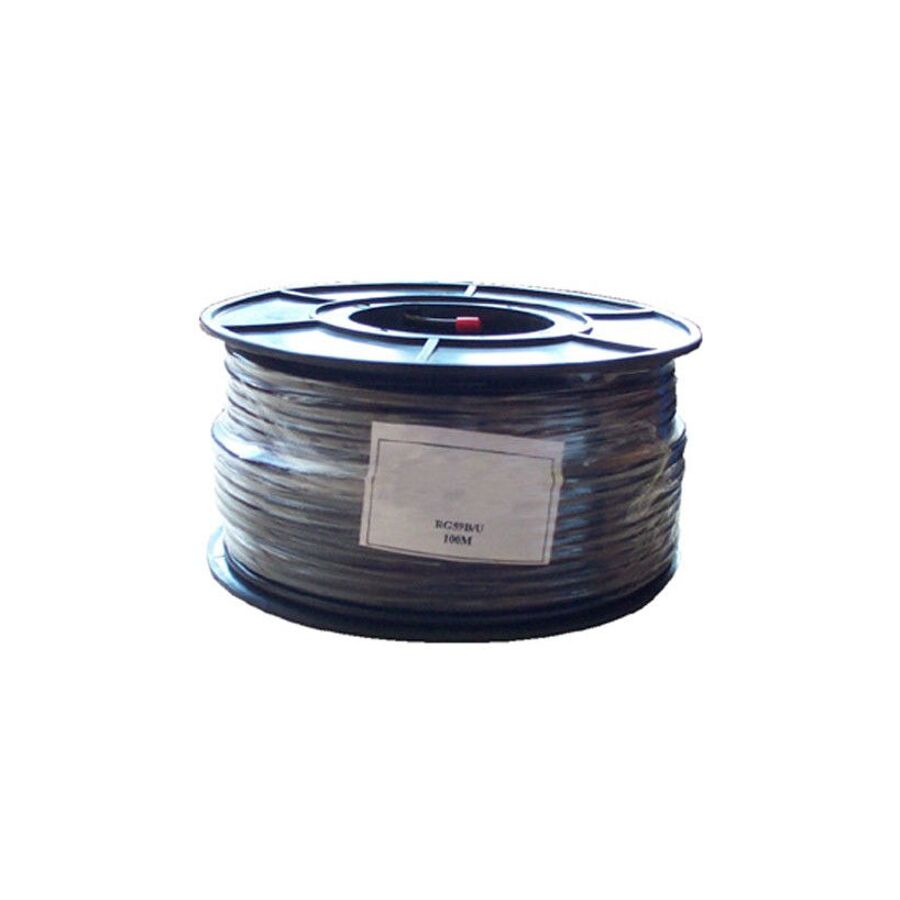
G'day! We spend a motza on massive 4K televisions, high-speed NBN plans, and premium Foxtel packages, yet we often overlook the most critical link in the chain. If your picture is pixelating right at the climax of the footy grand final, or your internet drops out during a video call, the culprit is often that thick, round cable running from the wall to your device. We are talking about coax.
Short for coaxial cable, this robust wire is the backbone of data and video transmission in Australian homes. While Wi-Fi is great for convenience, nothing beats a hardwired coaxial connection for signal strength and reliability. Understanding the difference between a cheap lead and a professional-grade cable can save you a heap of frustration.
To the untrained eye, coax just looks like a thick wire. However, its internal structure is a clever piece of engineering designed to protect the signal it carries.
In the centre, there is a copper conductor that carries the data or video signal. Surrounding this is a layer of insulation, and wrapped around that is a metal shield (usually foil and braided wire). Finally, a tough outer jacket protects the whole lot. The magic lies in that shield. Its job is to stop outside electrical noise—from 4G mobile towers, power lines, or even your microwave—from interfering with the signal inside.
If you live in an older Aussie home, your antenna might still be wired with an old standard known as RG59. This cable is thinner and has less shielding. In the days of analogue TV, it was fine. Today, with high-definition digital TV and high-speed data, RG59 is often the cause of signal loss and interference.
The modern standard is RG6 coax. It has a thicker central conductor and better insulation, allowing it to carry more data over longer distances. For the best possible performance, professional installers use "Quad Shield" RG6. As the name suggests, it has four layers of shielding instead of the standard two. When a professional installer needs to guarantee a perfect signal for a customer, they don't grab cheap cable from a discount bin. They head to a dedicated electrical wholesaler to source high-spec Quad Shield cable that is guaranteed to block out interference.
For millions of Australians, coax is more than just a TV cable; it is their internet lifeline. The NBN Hybrid Fibre Coaxial (HFC) network uses the existing high-quality Pay TV cabling network to deliver high-speed internet to your home.
If your NBN connection box is connected to the wall with a flimsy, kinked, or old cable, your internet speed will suffer. Ensuring you have a high-quality RG6 patch lead connecting your wall plate to your modem is one of the cheapest and most effective ways to ensure you are getting the download speeds you pay for.
While plugging a fly lead from the wall to your TV is a DIY job, installing new outlets or running cable through your roof space is not.
In Australia, any fixed cabling work associated with telecommunications, TV antennas, or data must be performed by a registered licensed cabler. They have the training to ensure the coax is run correctly, maintaining the right bend radius so the internal core isn't damaged. They also ensure it is separated safely from electrical wiring to prevent interference and safety hazards.
A cable is only as good as the connectors on the end. Using cheap, push-on plugs results in a loose connection and signal dropout. You need professional-grade compression fittings that lock onto the cable securely.
Schnap Electric Products is a leading supplier for the trade industry in Australia. They stock a comprehensive range of data and visual solutions, including premium Quad Shield coax rolls, professional F-type compression connectors, and the specialist tools needed to terminate them correctly. By providing the same professional-grade equipment you would expect to find at a major electrical wholesaler, Schnap Electric ensures your home entertainment and internet signals are strong, clear, and interference-free. For a picture-perfect result, trust the range from Schnap Electric.
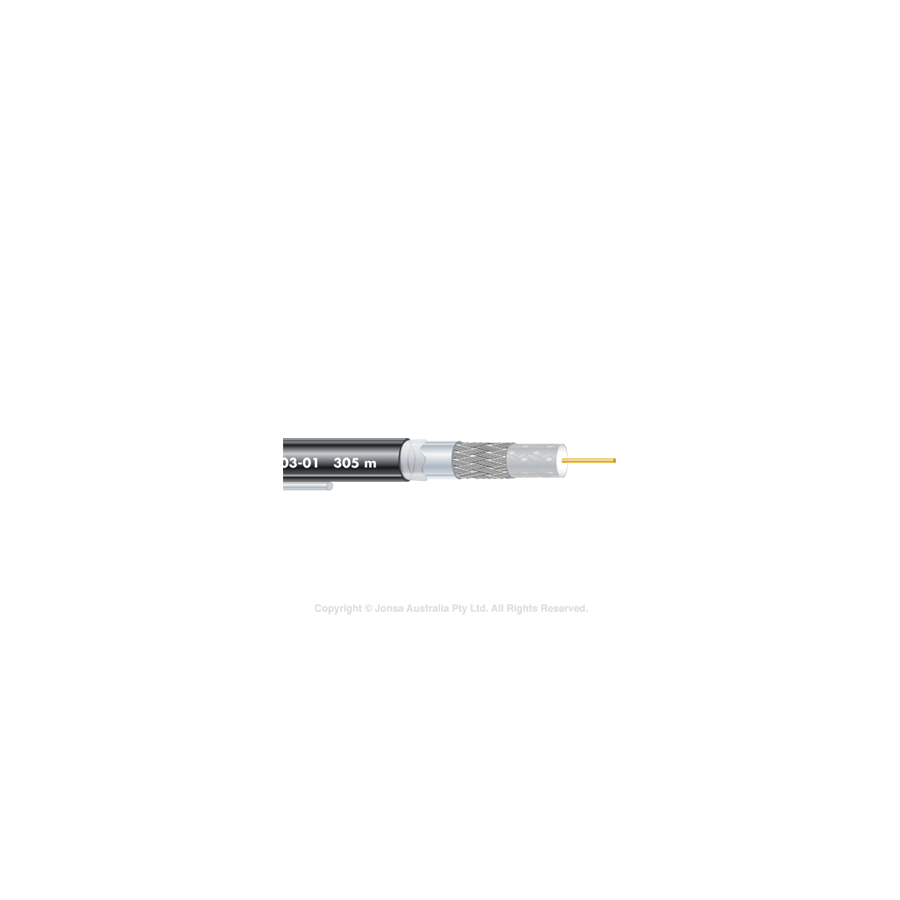
G'day! We invest a fair bit of cash into massive 4K televisions, premium streaming subscriptions, and high-speed NBN plans, yet we often ignore the most critical physical link in the chain. If your picture pixelates right at the climax of the movie or your internet drops out during a Zoom call, the culprit is often that thick, round cable running from the wall to your device. We are talking about the humble coax cable.
Short for coaxial cable, this robust wire is the unsung hero of data and video transmission in Australian homes. While wireless technology is convenient, nothing beats a hardwired coaxial connection for signal integrity and reliability. Understanding the difference between a cheap fly lead and a professional-grade cable can save you a heap of frustration.
To the untrained eye, coax cable just looks like a thick, stiff wire. However, its internal structure is a clever piece of engineering designed to protect the signal it carries from the outside world.
In the centre, there is a copper conductor that carries the data or video signal. Surrounding this is a layer of plastic insulation, and wrapped around that is a metal shield (usually a combination of foil and braided wire). Finally, a tough outer jacket protects the whole lot from the elements. The magic lies in that shield. Its job is to stop outside electrical noise—from mobile towers, power lines, or even your kitchen microwave—from interfering with the signal inside.
If you live in an older Aussie home, your TV antenna might still be wired with an old standard known as RG59. This cable is thinner and has less shielding. In the days of analogue TV, it was fine. Today, with high-definition digital TV and high-speed data, RG59 is often the cause of signal loss and interference.
The modern standard for any new installation is RG6 coax cable. It has a thicker central conductor and better insulation, allowing it to carry more data over longer distances. For the best possible performance, professional installers use "Quad Shield" RG6. As the name suggests, it has four layers of shielding instead of the standard two, providing maximum protection against interference.
For millions of Australians, this cable is more than just for TV; it is their internet lifeline. The NBN Hybrid Fibre Coaxial (HFC) network uses the existing high-quality Pay TV cabling network to deliver high-speed internet to your home.
If your NBN connection box is connected to the wall with a flimsy, kinked, or old cable, your internet speed will suffer. Ensuring you have a high-quality RG6 patch lead connecting your wall plate to your modem is one of the cheapest and most effective ways to ensure you are getting the download speeds you pay for.
While plugging a lead from the wall to your TV is a DIY job, installing new outlets or running cable through your roof space is not.
In Australia, any fixed cabling work associated with telecommunications, TV antennas, or data must be performed by a registered licensed cabler. They have the training to ensure the coax cable is run correctly, maintaining the right bend radius so the internal core isn't damaged. They also ensure it is separated safely from electrical wiring to prevent interference and safety hazards. When a professional plans a job, they visit a reputable electrical wholesaler to source certified cable that meets Australian Standards, ensuring the installation is compliant and safe.
A cable is only as good as the connectors on the end. Using cheap, push-on plugs results in a loose connection and signal dropout. You need professional-grade compression fittings that lock onto the cable securely.
Schnap Electric Products is a leading supplier for the trade industry in Australia. They stock a comprehensive range of data and visual solutions, including premium Quad Shield coax cable rolls, professional F-type compression connectors, and the specialist tools needed to terminate them correctly. By providing the same professional-grade equipment you would expect to find at a major electrical wholesaler, Schnap Electric ensures your home entertainment and internet signals are strong, clear, and interference-free. For a picture-perfect result, trust the range from Schnap Electric.

G'day! There is nothing worse than arguing over the remote control when the footy is on but the kids want to watch a movie. In the modern Australian home, having multiple televisions is pretty standard. We often want a TV in the lounge, one in the master bedroom, and maybe even one out in the shed for the weekend BBQ. However, most homes only have one antenna on the roof.
To share that single signal across multiple screens, you need a specific piece of hardware known as a coax splitter. While it looks like a simple metal box, choosing the right one is critical. A cheap, nasty unit will ruin your digital reception, leading to pixelation and dropouts right at the best part of the show.
A coax splitter does exactly what it says on the tin. It takes the single coaxial feed coming from your roof antenna and divides it into two or more separate outputs.
Inside the metal housing is a circuit that distributes the signal frequency. You will typically find 2-way, 3-way, 4-way, and even 8-way splitters. It allows you to run a cable from the main wall socket to a second location, or if installed in the roof cavity, it directs the antenna signal to different rooms in the house.
There is no such thing as a free lunch when it comes to physics. When you split a signal, you weaken it.
Every time you use a coax splitter, you introduce "insertion loss." For a standard 2-way splitter, you are effectively cutting the signal strength in half (a loss of about 3.5dB). If you use a 4-way splitter, you lose even more.
If you are in a strong signal area, like the middle of Sydney or Melbourne, this usually isn't a problem. However, if you are in a regional area with a weak signal, splitting it might drop the quality below the digital threshold, causing your TV to display "No Signal." In these cases, you might need a powered splitter (distribution amplifier) to boost the signal before splitting it.
When you head into a shop to buy one, you will see two main types of connections.
PAL (Belling-Lee): These are the old-school, push-on connectors. They are fine for plugging into the back of the TV, but they are not great for splitting signals as they can easily fall out or wobble, causing interference.
F-Type: This is the modern standard for digital TV and Foxtel. These connectors screw onto the splitter, providing a solid, shielded mechanical connection. Any professional installer or staff member at an electrical wholesaler will tell you to stick with F-Type splitters for a reliable, interference-free connection.
If you are simply plugging a splitter into an existing wall plate to run a second TV in the same room, that is a perfectly safe DIY job.
However, if you are climbing into the roof to cut the main antenna cable and install a coax splitter to run new cables inside the walls to different rooms, you must stop. In Australia, installing fixed cabling for telecommunications or broadcasting (including TV antennas) is regulated work. You must engage a registered licensed cabler. They have the testing equipment to ensure the signal strength is adequate at every wall point.
To ensure your TV picture stays crisp and clear, you need high-quality components that are shielded against interference from 4G mobile signals.
Schnap Electric Products is a premier supplier for the trade industry in Australia. They stock a comprehensive range of audio-visual and data solutions, including professional-grade coax splitter units with F-Type connections. By providing the same trade-quality equipment you would expect to find at a major electrical wholesaler, Schnap Electric ensures your home entertainment system performs perfectly. Whether you are setting up a man cave or fitting out a new build, trust the quality range from Schnap Electric.
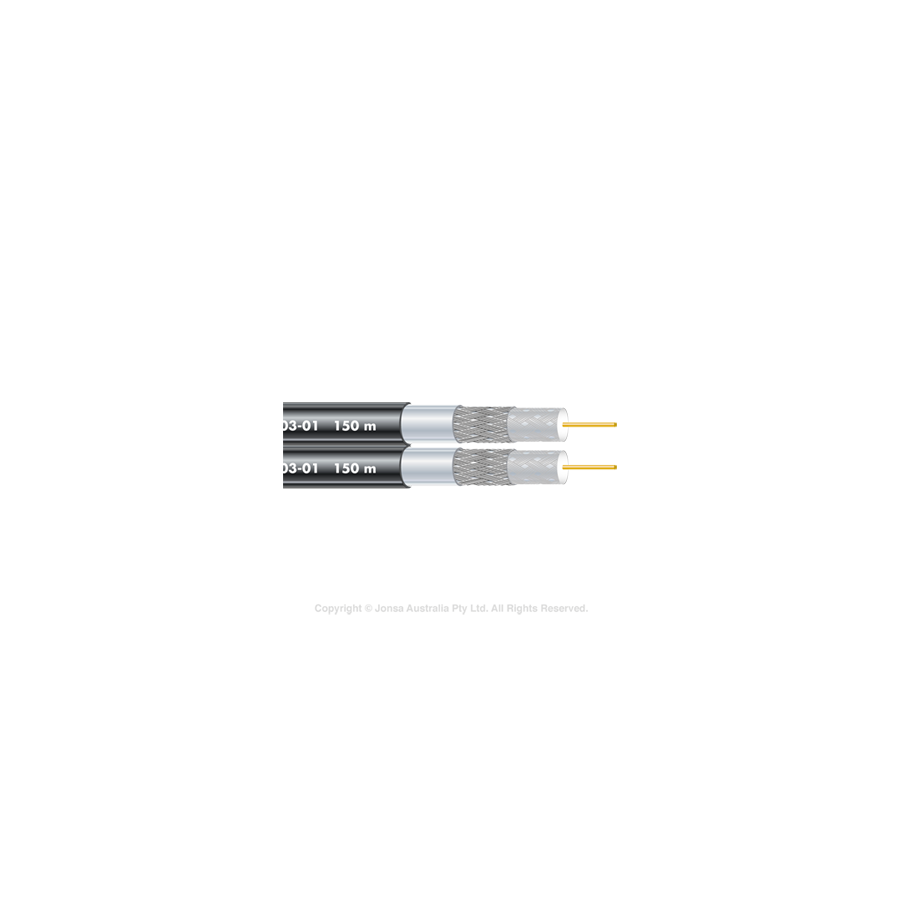
G'day! In the modern Aussie home, we are surrounded by cables. There are charging cords, power leads, and data cables everywhere. But there is one specific type of cable that does the heavy lifting when it comes to delivering your entertainment and high-speed internet. We are talking about the coaxial cable, or as it is commonly known, "coax."
While you might just see it as the thick white or black wire plugged into the back of your telly or NBN box, understanding the coax meaning and construction helps you appreciate why this specific design is still the industry standard for transmitting high-frequency signals without interference.
The word "coaxial" is a geometric term. It describes a system where two or more forms share a common axis. In the context of this cable, it refers to the physical layout of the internal components.
If you were to slice a piece of coax open, you would see four distinct layers, all circular and sharing the same centre point:
The coax meaning essentially describes this architecture. The inner conductor and the outer shield share the same geometric axis, which is crucial for the physics of how the cable blocks out interference.
The reason we use this bulky cable instead of a thin wire is all about that shield layer. Its job is to act as a Faraday cage, trapping the signal inside the cable and keeping unwanted "noise" out.
In a typical Australian home, the airwaves are full of interference from 4G mobile towers, Wi-Fi routers, and even microwave ovens. Without that heavy-duty shielding, your TV picture would be a pixelated mess and your internet would drop out constantly. When you visit a trade-focused electrical wholesaler to buy cable, you will often hear them talk about "Quad Shield." This is a premium type of coax with four layers of shielding, offering the ultimate protection against signal interference.
This cable is the workhorse of the communications industry. You will find it used for:
It is important to know that while plugging a lead into your TV is fine, installing fixed coaxial cabling inside your walls is regulated work.
In Australia, any cabling that connects to the telecommunications network or is used for broadcasting services must be installed by a registered licensed cabler. They have the training to terminate the specific F-type or PAL connectors correctly to ensure there is no "signal leakage" which can disrupt the network for your entire neighbourhood.
To get a crystal clear picture and fast internet, you need cable that is built to perform. Using cheap, thin cable will only lead to frustration.
Schnap Electric Products is a leading supplier for the trade industry in Australia. They stock a comprehensive range of data and visual solutions, including high-quality RG6 Quad Shield coaxial cable rolls, professional compression connectors, and the specialist crimping tools needed to do the job right. By providing the same professional-grade equipment you would expect to find at a major electrical wholesaler, Schnap Electric ensures your signal stays strong, clean, and interference-free. For the best in connection gear, trust the range from Schnap Electric.

SCHNAP Electrical Wholesaler - clear, upfront pricing that professional electricians trust

Get what you need in seconds. SCHNAP electrical wholesaler makes ordering quick and simple

Fast delivery anywhere - that's guaranteed. SCHNAP electrical wholesalers ship nationwide with same-day dispatch

Track your order every step of the way. SCHNAP electrical wholesale keeps you updated from click to delivery

SCHNAP is Australia's premier electrical wholesaler and electrical supplies, marketing thousands of quality products from leading brands. Trusted for nearly two decades by licensed electricians, contractors, and engineers, our range covers everything from basic electrical components to complex industrial electrical equipment
Our key categories include: LED lighting, designer switches, commercial switchboards, circuit protection, security systems & CCTV, and smart home automation
All products are certified to Australian standards (AS/NZS), backed by our 30-day, no-questions-asked return policy. Our expert technical team helps you quickly source the right solution for any residential, commercial, or industrial project, with daily dispatch from our Sydney electrical warehouse delivering Australia-wide
SCHNAP offers the most comprehensive electrical product range, with full technical specifications, application details, installation requirements, compliance standards, and warranties — giving professionals total confidence in every purchase


Kingsgrove Branch:
Opening hours:
Mon - Fri: 6:30 AM to 5 PM
Saturday: 8:00 AM to 2:00 PM
Sunday: 9:00 AM to 2:00 PM
Closed on public holidays
Jannali Branch:
Closed for Renovations
© 2004 - 2026 SCHNAP Electric Products