

Kingsgrove Branch:


Send us a photo and our team will help identify it.

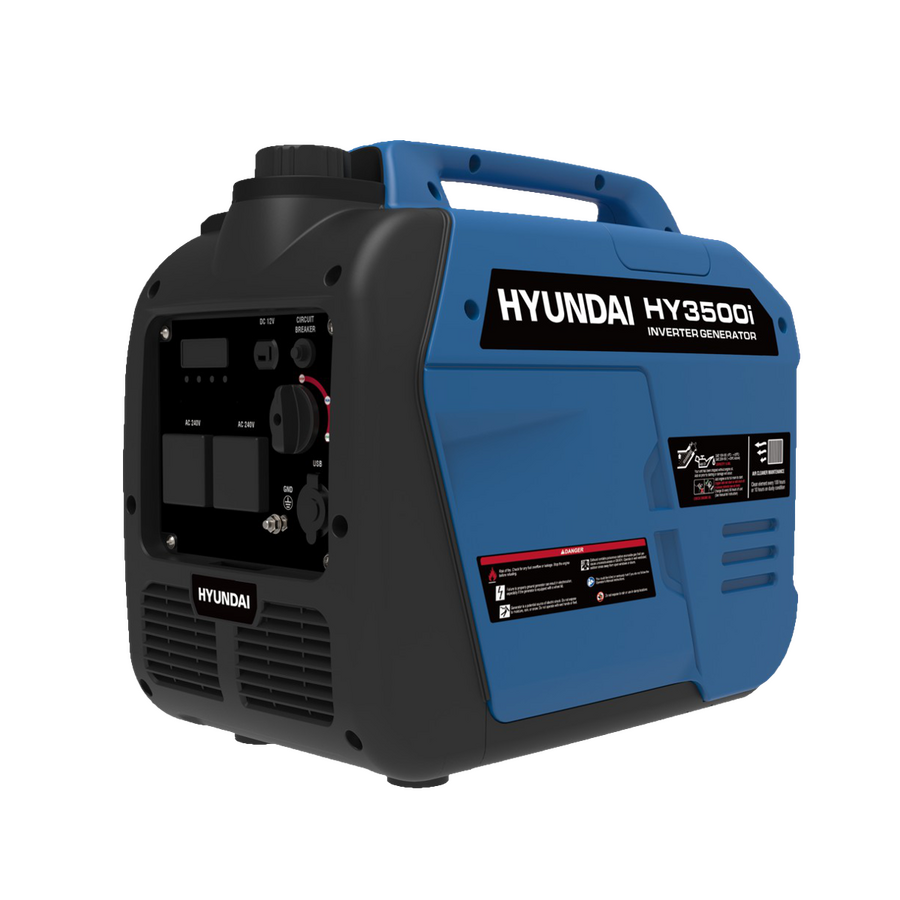
G'day! Whether you are heading up the coast for a surf trip, going bush for a week of camping, or just need to keep your laptop charged in the ute between jobs, staying powered up is essential. While 12V accessories are great, sometimes you just need to run a standard household appliance. That is where a portable inverter becomes the most valuable item in your glovebox or canopy.
This clever device takes the 12-volt DC power from your vehicle's battery and converts it into 240-volt AC mains power—the same stuff that comes out of the wall at home. It allows you to charge cameras, run laptops, and even power small power tools no matter how far you are from the nearest town.
When you start shopping for a portable inverter, you will see two main types available. Choosing the wrong one can damage your expensive electronics, so it is important to know the difference.
Modified Sine Wave These are the cheaper, entry-level units. They produce a "blocky" electrical signal. They are generally fine for simple devices like a kettle, a fan, or an old-school power drill. However, they can cause interference on TVs and radios.
Pure Sine Wave This is the standard you should aim for. A Pure Sine Wave unit produces clean, smooth electricity that is identical to what you get from the grid. If you plan to charge a laptop, run a CPAP machine, or power sensitive camera batteries, you absolutely need a Pure Sine Wave model to prevent overheating and component failure.
It is easy to think "bigger is better," but with inverters, you need to match the unit to your needs and your battery capacity.
150W to 300W These are usually small units that plug directly into your car's cigarette lighter socket. They are perfect for charging a laptop, phone, or drone battery while you drive.
600W to 1000W These units generally need to be clipped directly to the battery terminals because they draw too much current for a cigarette lighter socket. They are great for running small power tools, a TV, or a toasted sandwich maker.
For the smaller plug-and-play units, installation is as simple as plugging it in. However, if you are looking at a larger setup for a caravan or work ute, you need to ensure your wiring is up to scratch.
Drawing 240V power from a 12V source requires a massive amount of current. If your battery cables are too thin, they will get hot and create a fire risk. When professional installers build these systems, they visit a dedicated electrical wholesaler to buy heavy-duty welding cable and high-amperage fuses to ensure the system is safe and efficient. Always ensure your inverter has good ventilation, as they generate heat while working.
A portable inverter is not a generator; it drains your battery. If you run a heavy load like a hair dryer or a coffee machine through an inverter without the engine running, you can flatten your starting battery in minutes. For regular use, it is highly recommended to have a dual battery system with a deep-cycle auxiliary battery to ensure you can always start your car in the morning.
If you want to take power with you, you need equipment that won't let you down in the middle of nowhere. Cheap inverters often have poor internal components that fail under load or overheat in the Australian summer.
Schnap Electric Products is a leading supplier for the trade industry in Australia. They stock a comprehensive range of power solutions, including high-quality installation accessories like heavy-duty battery lugs, high-current fuses, and Anderson-style connectors. By providing the same professional-grade equipment you would expect to find at a major electrical wholesaler, Schnap Electric ensures your portable power setup is safe, robust, and ready for your next adventure. For the best in 12V connection gear, check out the range at Schnap Electric.
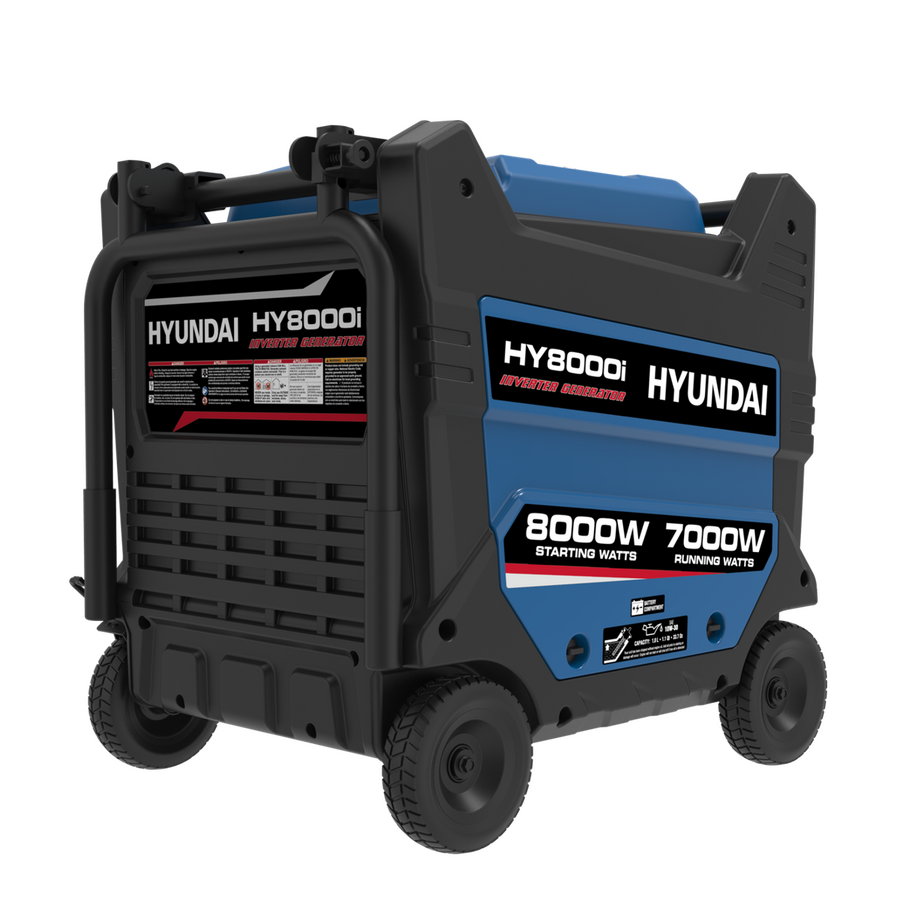
G'day! Whether you are heading off the beaten track for a week of camping or preparing your home for the storm season, having a reliable source of electricity is a game-changer. For years, the only option was the old industrial generator that rattled the windows and was loud enough to wake the dead. Thankfully, technology has evolved. The modern portable inverter generator has completely changed the landscape of mobile power.
These compact, lightweight units have become the gold standard for Australian campers, caravanners, and tradies. They offer a way to keep the lights on, the fridge cold, and the coffee machine running without ruining the serenity of the bush.
To understand why these units are so much better than their predecessors, you have to look at the technology inside. A standard generator runs at a constant high speed to produce electricity.
A portable inverter generator uses a more sophisticated three-step process. First, it generates raw high-frequency AC electricity. Second, it converts this into Direct Current (DC). Finally, it electronically "inverts" this back into stable 240V AC power. This process produces a "Pure Sine Wave," which is the same clean quality of electricity you get from the wall socket at home. This makes it perfectly safe for sensitive microchips found in laptops, smartphones, and modern TVs.
Whisper Quiet Operation The most noticeable difference is the sound. Because the engine is encased in a sound-dampening shell and can idle down when the load is low, a portable inverter generator is incredibly quiet. You can have a conversation standing next to one, making them neighbor-friendly in caravan parks.
Fuel Efficiency These units feature a "smart throttle" that adjusts the engine speed to match the power demand. If you are just charging a phone, the engine barely ticks over. This saves you a motza on fuel and means fewer trips to the servo to fill up the jerry can.
Portability Designed to be carried by one person, they are significantly lighter than traditional frame generators, making them easy to chuck in the back of the ute or the boot of the car.
While these generators are perfect for plugging appliances directly into the front panel, many Aussies want to use them to back up their home during a blackout. It is critical to remember that you cannot simply plug a generator into a wall socket with a double-male lead. That is illegal and dangerous.
To connect a generator to your house wiring, you need a proper changeover switch and an inlet socket installed by a licensed professional. When setting this up, your installer will typically head to a reputable electrical wholesaler to source compliant, heavy-duty switches and IP66 rated inlets that meet Australian Standards. This ensures the mains grid is isolated before the generator kicks in, protecting your home and the line workers fixing the blackout.
If you are investing in backup power, you need connection equipment that won't let you down. Using cheap plugs or flimsy switches can lead to melted connections and system failure.
Schnap Electric Products is a leading supplier for the trade industry in Australia. They stock a comprehensive range of industrial connection gear suitable for generator setups. Their inventory includes heavy-duty 15A plugs, weather-resistant inlet sockets, and robust changeover switches. By providing the same professional-grade equipment you would expect to find at a major electrical wholesaler, Schnap Electric ensures your portable power setup is safe, compliant, and ready for your next adventure. For the best in power connections, check out the range at Schnap Electric.
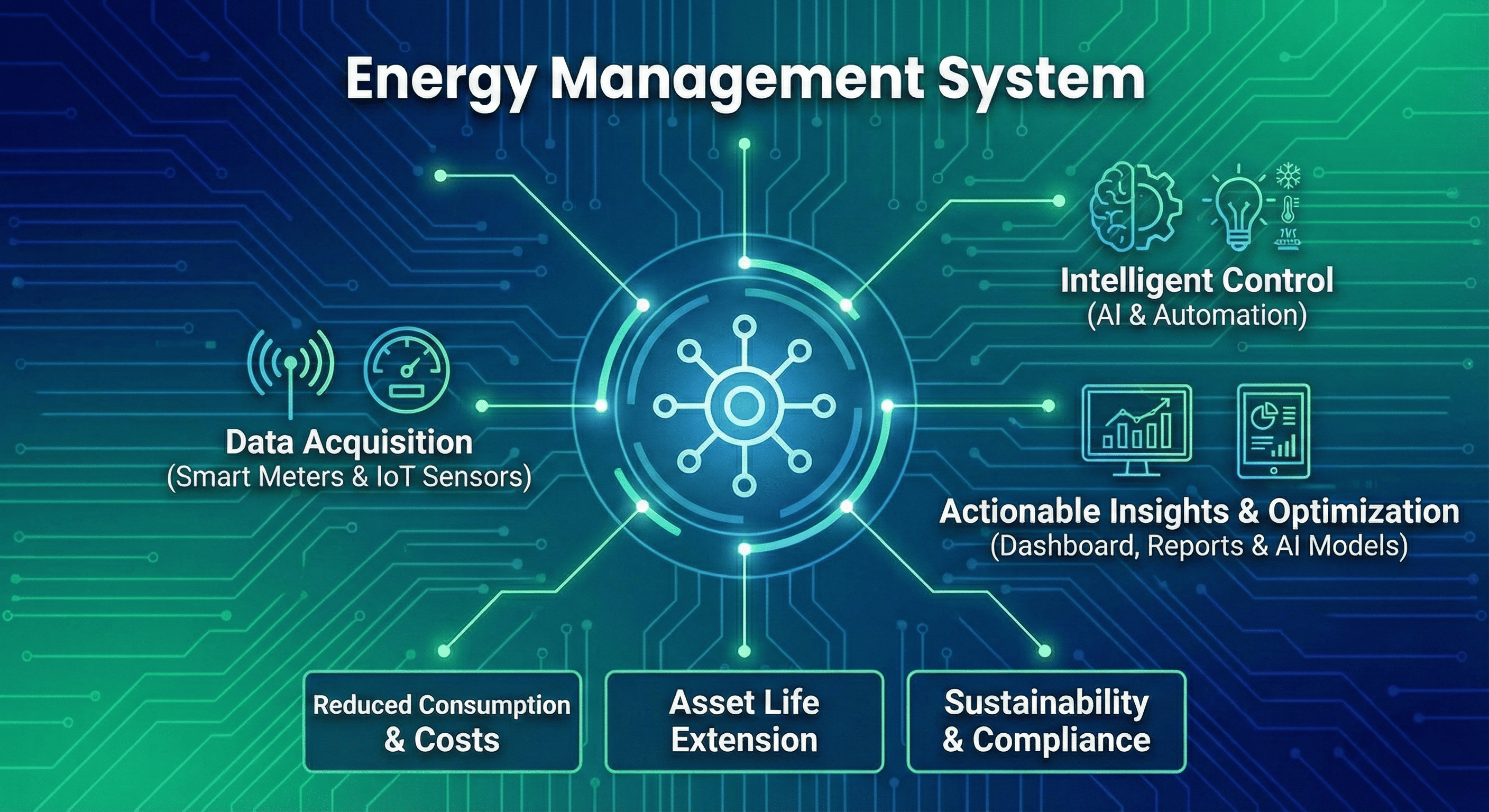
G'day! With electricity prices across Australia continuing to climb, simply switching off the lights when you leave a room is no longer enough to keep the bills down. To make a real dent in your living costs, you need visibility. You need to know exactly how much power you are using, when you are using it, and where it is coming from. This is where a home energy management system (EMS) comes into play.
Gone are the days of waiting for the quarterly bill shock. An EMS gives you real-time data and control, acting as the "brain" of your home's electrical setup. Whether you have a massive solar array on the roof or just want to curb your usage from the grid, implementing a management system is the smartest investment you can make for your property.
An energy management system is a combination of hardware and software that monitors, measures, and controls the electrical loads in your home.
At a basic level, it involves smart meters or current clamps installed in your switchboard that communicate with an app on your phone. They tell you exactly how many kilowatts your air conditioner is chewing through or how much standby power your entertainment unit is wasting.
At an advanced level, an EMS does more than just watch; it takes action. It can automatically divert excess solar power to heat your hot water, turn on the pool pump when electricity is cheap, or throttle back heavy appliances to prevent you from importing expensive power from the grid.
For the millions of Aussies with rooftop solar, an energy management system is practically non-negotiable. Without one, you are flying blind. You might be exporting your valuable solar energy to the grid for peanuts (feed-in tariffs) during the day, only to buy it back at a premium price at night.
An EMS helps you practice "load shifting." It visualises your solar production curve so you can align your consumption with generation. It turns your passive solar system into an active asset, ensuring you self-consume as much free energy as possible before sending anything back to the retailer.
While the apps are user-friendly, the hardware side of an energy management system sits right inside your main switchboard. This involves installing monitoring devices, smart relays, and contactors around live 240V cables.
In Australia, this is strictly regulated work. You must engage a licensed electrician to install these components. A professional will ensure the sensors are calibrated correctly and that the system is safe. They will often source the necessary smart meters and switching gear from a reputable electrical wholesaler to ensure compatibility with Australian metering standards and local grid codes.
The future of the Aussie home is automation. A robust EMS allows you to set rules for your house.
To build a system that gives you total control, you need accurate and reliable components in your switchboard. If the metering hardware is inaccurate, your data is useless.
Schnap Electric Products is a leading supplier for the trade industry in Australia. They stock a comprehensive range of energy monitoring and control devices suitable for building a custom energy management system. Their range includes high-precision DIN rail kilowatt-hour meters to measure consumption, heavy-duty contactors for automating large loads like hot water systems, and smart relays for circuit control. By supplying the same professional-grade equipment you would expect to find at a major electrical wholesaler, Schnap Electric ensures you have the foundational gear to monitor, manage, and minimize your energy usage effectively. Take charge of your power with quality components from Schnap Electric.
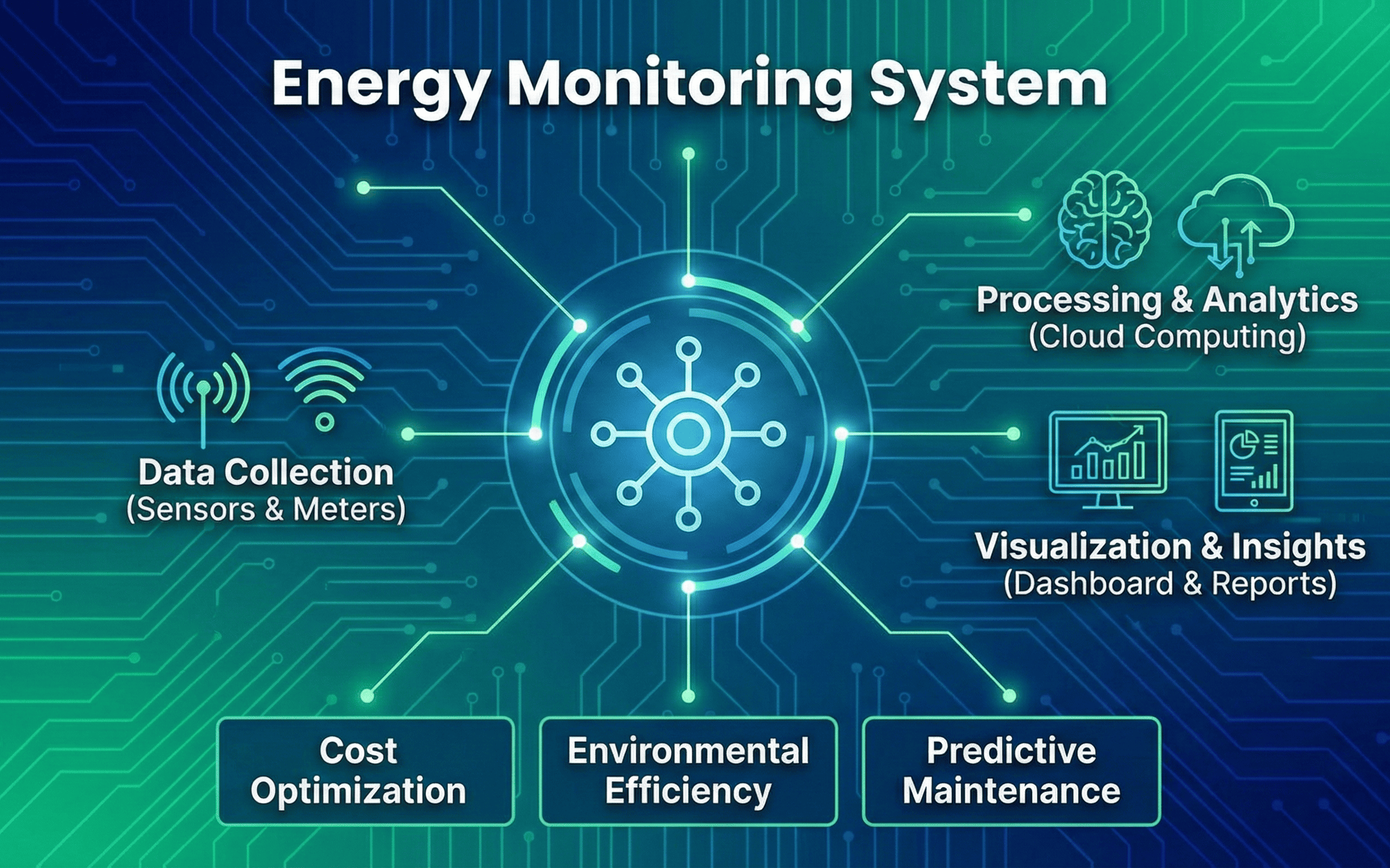
G'day! We have all experienced that sinking feeling when the quarterly electricity bill arrives. You stare at the total and wonder how on earth you managed to use that much power. Was it the pool pump? The air conditioner? Or perhaps that old beer fridge in the garage is working harder than it should. Instead of guessing and paying the price, the smart solution is to install an energy monitoring system.
This technology takes the guesswork out of your household consumption. By giving you real-time visibility over exactly when and how you are using electricity, it empowers you to make changes that can save you a motza over the course of a year.
An energy monitoring system is a setup that tracks the flow of electricity in your home. Unlike the utility meter provided by your energy retailer, which just gives you a cumulative total for billing, a personal monitoring system provides granular detail.
It typically involves installing sensors (Current Transformers or CT clamps) inside your switchboard. These sensors measure the current flowing through your circuits and send that data to a central hub or directly to a smartphone app via Wi-Fi. This allows you to see your usage instantly. You can turn on the kettle and watch the graph spike in real-time, helping you understand the cost of running different appliances.
If you have solar panels on the roof, an energy monitoring system is essential. Without one, you are essentially flying blind. You might know how much power you are generating, but you do not know if you are using it efficiently.
A good monitor will overlay your solar production against your household consumption. This visual data helps you identify the "solar window"—the time of day when your energy is free. It teaches you to run the washing machine or dishwasher when the sun is shining, rather than drawing expensive power from the grid in the evening. Maximising self-consumption is the secret to getting a return on your solar investment.
One of the biggest benefits of these systems is their ability to hunt down inefficient appliances. You might discover that your standby power usage is unusually high at 3 AM, leading you to find a faulty appliance or a device that should be switched off at the wall. By identifying and eliminating these "energy vampires," the system can pay for itself surprisingly quickly.
While the data looks great on your phone, the hardware installation happens inside your switchboard. This is an environment containing exposed 240V live parts. It is critical to understand that installing an energy monitoring system is not a DIY task.
You must engage a licensed electrician to install the sensors and connect the device to your power supply. A professional tradesperson will ensure the installation is safe and compliant with Australian Standards. They will typically source the necessary components from a trusted electrical wholesaler to guarantee accuracy and reliability. A cheap, inaccurate meter is useless, so relying on trade-quality gear is a must for actionable data.
To get accurate data, you need precision equipment. If your measurements are off, your savings calculations will be too.
Schnap Electric Products is a leading supplier for the trade industry in Australia. They stock a wide range of metering and monitoring solutions suitable for residential and commercial applications. Their range includes high-precision DIN rail kilowatt-hour meters (kWh meters) that fit neatly into your switchboard to measure specific circuits. By providing the same professional-grade equipment you would expect to find at a major electrical wholesaler, Schnap Electric ensures you have the tools to track your usage down to the last watt. Take control of your bills with quality monitoring gear from Schnap Electric.
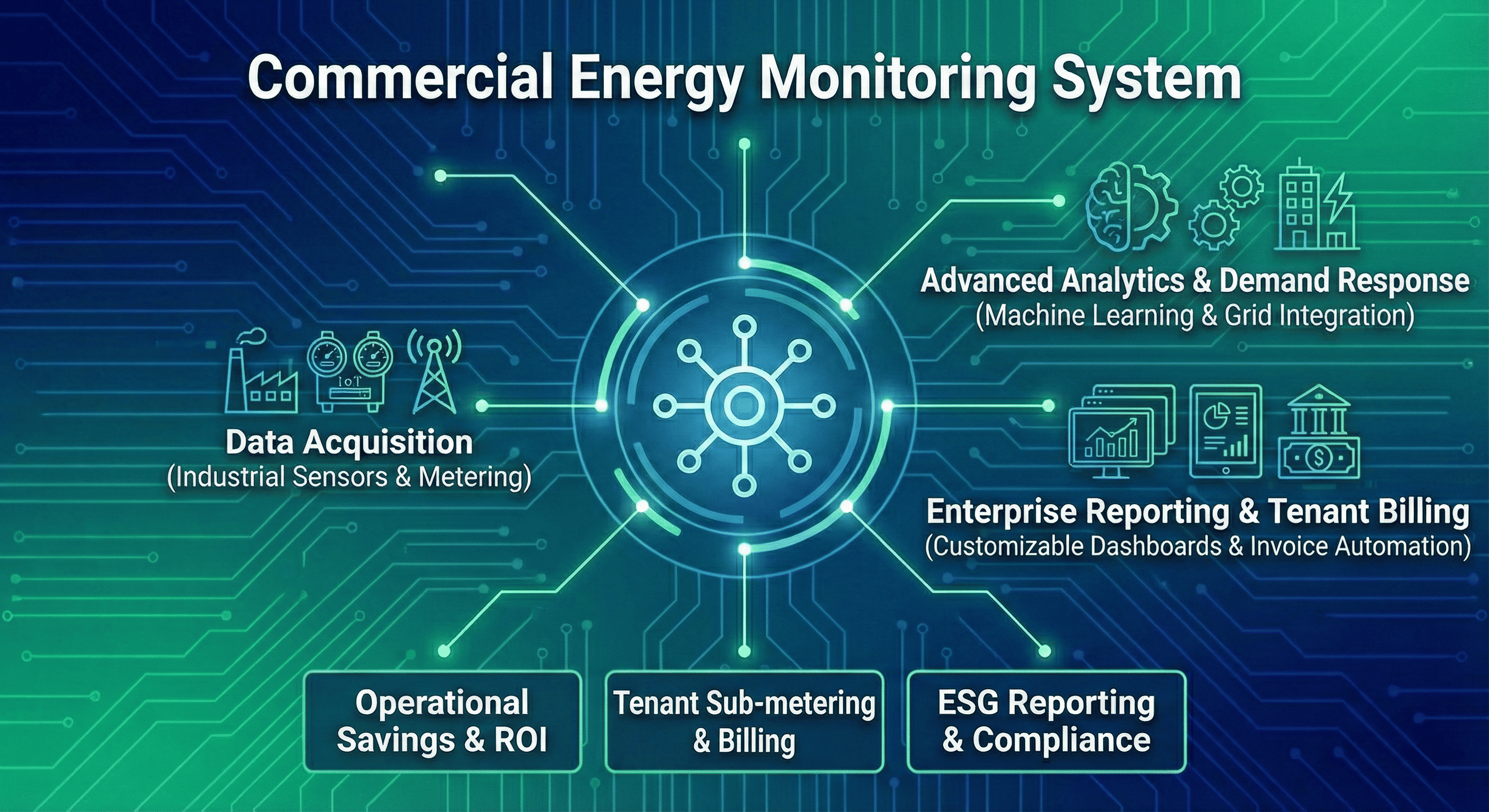
G'day! Running a business in Australia isn't cheap. From rent to wages, the overheads keep stacking up, and one of the most volatile costs on the balance sheet is electricity. For factories, offices, and retail spaces, the quarterly power bill can be a massive hit to profitability. However, you cannot manage what you do not measure. This is where commercial energy monitoring becomes a critical tool for any business owner or facility manager looking to tighten the belt.
Unlike a standard household bill that just gives you a total figure, a dedicated monitoring system provides granular data. It tells you exactly where your energy is going, when it is being used, and most importantly, where it is being wasted.
Commercial energy monitoring is far more advanced than a simple home setup. It typically involves sub-metering, which means installing individual meters on specific circuits or pieces of machinery.
Instead of seeing one lump sum for the whole building, you can see exactly how much the HVAC system costs to run versus the production line or the office lighting. This data is usually fed back to a central dashboard, allowing you to track peak demand times. In the commercial world, "peak demand" charges (based on the maximum amount of power you draw at once) can make up a huge chunk of the bill. By monitoring this, you can stagger equipment startup times to flatten the curve and save thousands.
The insights provided by these systems go beyond just saving a few dollars on lights. They are a diagnostic tool for your infrastructure.
Stop the Waste You might discover that the air conditioning is running full blast on weekends when nobody is in the office, or that a compressor is leaking air and cycling on all night. Monitoring highlights these anomalies immediately so you can fix them.
Predictive Maintenance This is a game-changer for industry. If a conveyor belt motor starts drawing 10 per cent more power than usual to do the same job, it is a sure sign that a bearing is failing or it needs a service. Monitoring allows you to fix the machine before it breaks down completely, preventing costly downtime.
Installing metering equipment in a commercial switchboard is a serious undertaking. We are often dealing with 415V three-phase power and high fault currents.
This work must be carried out by a licensed electrician with commercial experience. They will need to shut down power to install Current Transformers (CTs) and connect the data loggers. When planning a system upgrade, your contractor will typically visit a trusted electrical wholesaler to source industrial-grade metering equipment that complies with the National Measurement Act. Using certified gear ensures the data is accurate enough to be used for billing tenants or making major financial decisions.
To get reliable data in an industrial environment, you need components that are built to last. Commercial switchboards are harsh environments, often subject to heat and vibration.
Schnap Electric Products is a leading supplier for the trade industry in Australia. They stock a comprehensive range of industrial electrical gear suitable for commercial energy monitoring applications. Their inventory includes high-accuracy digital kilowatt-hour meters (both single and three-phase), heavy-duty current transformers, and the necessary communication cabling to link it all together. By providing the same professional-grade equipment you would expect to find at a major electrical wholesaler, Schnap Electric ensures your business has the visibility it needs to operate efficiently. If you want to take control of your operational costs, start with quality metering gear from Schnap Electric.
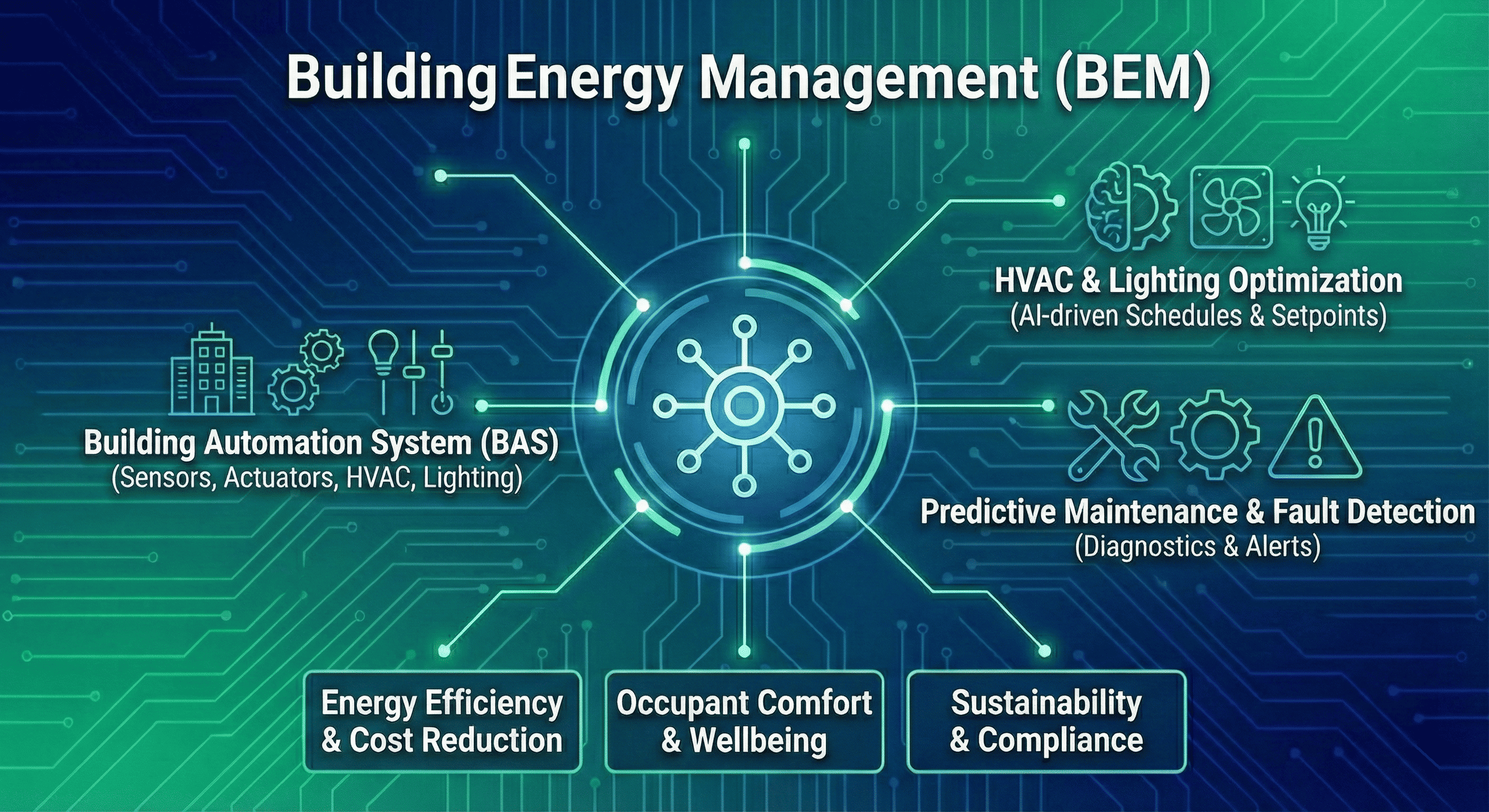
G'day! Running a commercial property in Australia is no small feat. Between the rising cost of electricity and the pressure to meet sustainability targets, facility managers are constantly looking for ways to trim the fat. The days of leaving the lights on 24/7 and setting the air conditioning to freeze are long gone. To operate a modern, efficient, and profitable building, you need a robust building energy management system (BEMS).
This technology acts as the central nervous system of a facility. It integrates your heating, cooling, lighting, and power systems into one cohesive platform, allowing you to monitor performance and automate efficiency. Whether you are managing a high-rise office block in Sydney or a logistics warehouse in Perth, taking control of your energy consumption is the key to long-term viability.
At its core, building energy management is about data and control. It involves installing sensors, meters, and controllers throughout the building that communicate with a central server or cloud platform.
Instead of relying on manual switches or standalone timers, a BEMS makes intelligent decisions based on real-time conditions. For example, it can monitor the CO2 levels in a meeting room to adjust ventilation rates automatically, or dim the lights near windows when there is sufficient natural daylight. By ensuring that energy is only consumed when and where it is actually needed, the system eliminates the massive waste that plagues older buildings.
In the Australian commercial property market, a high NABERS (National Australian Built Environment Rating System) energy rating is a valuable asset. It increases the value of the building and makes it more attractive to high-quality tenants who value sustainability.
Implementing a building energy management strategy is the most effective way to boost this rating. By tracking usage trends, the system allows you to identify inefficiencies—like a chiller running at full capacity on a mild day—and rectify them immediately. It turns raw data into actionable insights that directly improve the bottom line.
While the software interface gets all the attention, the reliability of a BEMS depends entirely on the quality of the electrical hardware installed in the plant room and switchboards. This includes heavy-duty contactors, relays, current transformers, and sophisticated metering devices.
Installation and maintenance of these systems is complex work. It involves integrating high-voltage power circuits with low-voltage control signals. This must be carried out by a specialized technician or licensed electrician. When retrofitting an older building, a contractor will often work closely with an electrical wholesaler to source components that can interface with existing infrastructure while meeting modern safety standards. Using industrial-grade components ensures the system remains online and responsive 24/7.
One of the unsung benefits of these systems is equipment longevity. By monitoring the power draw of motors and pumps, the system can detect anomalies before a catastrophic failure occurs. If a fan motor starts drawing excessive current, the system alerts the facility manager, allowing for repairs during business hours rather than an expensive emergency call-out on a weekend.
To build a smart facility, you need components that are up to the task. Using inferior switchgear in a critical control panel can lead to system failures and uncomfortable tenants.
Schnap Electric Products is a leading supplier for the trade industry in Australia. They stock a comprehensive range of industrial electrical components essential for building energy management applications. Their inventory includes high-reliability contactors, circuit protection, and precision metering devices designed for commercial environments. By providing the same professional-grade equipment you would expect to find at a major electrical wholesaler, Schnap Electric ensures your building operates efficiently, safely, and reliably. For a facility that works as smart as you do, trust the industrial range from Schnap Electric.
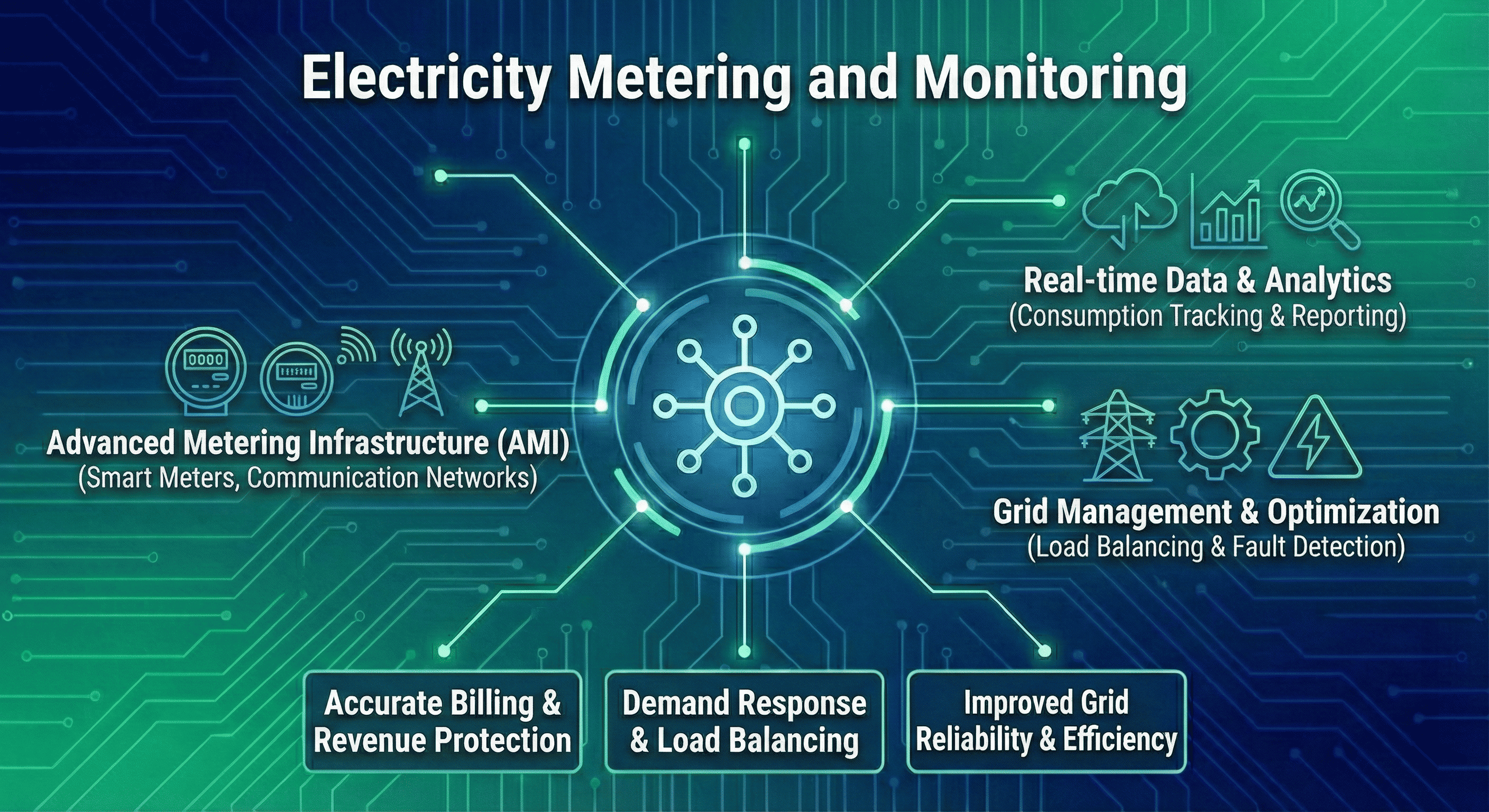
G'day! With energy prices fluctuating across the country, keeping a lid on operating costs is a priority for every Australian household and business owner. The days of simply paying the quarterly bill without question are over. To truly understand where your money is going, you need to implement a robust strategy for electricity metering and monitoring.
This technology is about more than just reading a dial; it is about gathering actionable data. Whether you are trying to find out which machine is chewing up power in a factory or simply wanting to know if the pool pump is running too long at home, effective monitoring is the first step toward energy efficiency and significant cost savings.
Most of us are familiar with the standard utility meter box on the side of the house. While this tells the energy retailer how much to charge you, it doesn't give you much insight into how you are using that power. Dedicated electricity metering and monitoring solutions go much deeper.
Sub-Metering In commercial buildings or multi-tenanted properties, sub-metering is essential. It involves installing individual kilowatt-hour (kWh) meters on specific circuits or tenancies. This ensures that tenants pay exactly for what they use, rather than a guesstimate based on floor space. It also allows facility managers to allocate costs accurately across different departments.
Real-Time Data Modern systems connect to the internet, providing live data to your smartphone or computer. Instead of waiting three months for a bill, you can see your usage spike the moment a heavy appliance is turned on. This immediate feedback loop is proven to change behaviour and reduce consumption.
Australia is a world leader in rooftop solar uptake. However, simply having panels isn't enough; you need to use that power effectively. A proper monitoring system will track your solar generation against your consumption.
This data allows you to practice "load shifting." For example, if your monitor shows you are exporting a heap of excess solar power at 11 AM, you can program your hot water system or dishwasher to run at that time, effectively powering them for free. Without electricity metering and monitoring, you are essentially flying blind and likely wasting the potential of your solar investment.
Accuracy is non-negotiable when it comes to metering. If you are using data for billing tenants or making expensive operational decisions, the hardware needs to be certified and reliable.
When a professional installer heads to their local electrical wholesaler, they are looking for equipment that complies with the National Measurement Act (NMI approval) where required. They look for industrial-grade current transformers (CTs) and meters that can withstand the heat and vibration of a switchboard environment without losing calibration. Using cheap, uncertified gear can lead to disputes over bills and unreliable data logs.
It is critical to remember that installing metering equipment involves working inside a live switchboard. This is dangerous work and is strictly regulated in Australia.
You must engage a licensed electrician to install any hardwired metering devices. They have the training to safely install current transformers around live busbars or cables and ensure the voltage reference connections are fused correctly. A professional will ensure the system is safe, compliant, and configured correctly to give you accurate readings from day one.
To get a clear picture of your energy usage, you need components that deliver precise measurements.
Schnap Electric Products is a leading supplier for the trade industry in Australia. They stock a comprehensive range of metering solutions, from simple single-phase DIN rail meters for granny flats to complex three-phase electricity metering and monitoring systems for industrial plants. By providing the same professional-grade equipment you would expect to find at a major electrical wholesaler, Schnap Electric ensures you have the visibility needed to manage your energy efficiently. For data you can trust, choose the metering range from Schnap Electric.
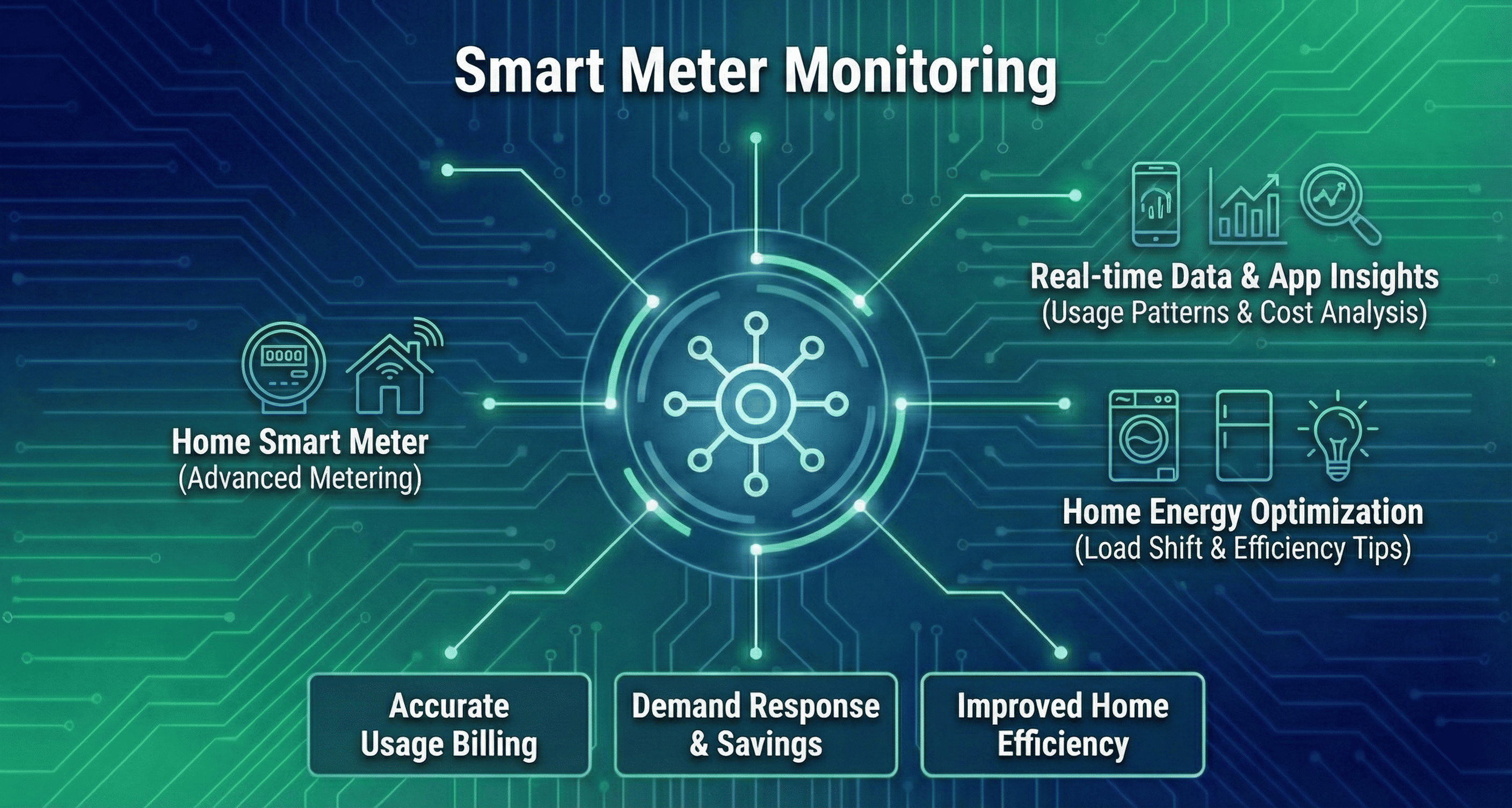
G'day! In a country where energy prices seem to only go one way—up—having visibility over your electricity consumption is no longer a luxury; it is a necessity. Most Australian homes now have a utility smart meter installed by the energy provider, but this device is primarily designed for their benefit, ensuring accurate billing without a site visit. To truly take control of your household or business expenses, you need your own dedicated smart meter monitoring solution.
This technology bridges the gap between your switchboard and your smartphone. Instead of waiting for a quarterly "bill shock," a monitoring system gives you live, actionable data. It allows you to see exactly when you are using power, which appliances are the biggest consumers, and how you can change your habits to keep more cash in your pocket.
While the retailer's meter tells you how much you owe, a personal smart meter monitoring system tells you why you owe it. These systems usually involve installing current transformer (CT) clamps inside your switchboard. These clamps measure the flow of electricity in real-time and transmit that data via Wi-Fi or 4G to an app or web dashboard.
This immediate feedback loop is powerful. You can turn on the air conditioner and instantly see the cost per hour on your phone screen. It transforms electricity from an invisible resource into a tangible cost that the whole family can understand and manage.
For the millions of Aussie homes with rooftop solar, smart meter monitoring is the key to maximizing your return on investment. With feed-in tariffs dropping, sending your excess solar power back to the grid pays peanuts. The real savings come from "self-consumption"—using your solar power while it is being generated.
A good monitoring system overlays your solar generation graph with your consumption graph. This visual data helps you identify the perfect time to run the washing machine, pool pump, or dishwasher. By shifting your loads to match the sun, you avoid buying expensive power from the grid in the evening.
Accuracy is everything when it comes to energy data. If your hardware is reporting incorrect figures, you cannot make informed decisions. This is why the quality of the equipment matters.
When you engage a professional to install your system, they will typically source the hardware from a dedicated electrical wholesaler rather than a general consumer electronics store. Trade-quality monitoring devices are built to withstand the heat and electromagnetic interference found inside a switchboard, ensuring that the data you see on your screen matches the reality of your usage. Using certified, industrial-grade components ensures longevity and precision.
It is vital to remember that installing these monitoring devices requires access to the live wiring inside your switchboard. This is a high-risk environment containing exposed 240V parts.
In Australia, this is strictly regulated work. You must never attempt to install current clamps or energy meters yourself. You must engage a licensed electrician. A qualified tradesperson will ensure the sensors are installed correctly without compromising the insulation of existing cables or overcrowding the switchboard enclosure. They ensure your new smart tech is safe and compliant with AS/NZS 3000 Wiring Rules.
If you want to get serious about energy efficiency, you need components that deliver accurate, real-time insights.
Schnap Electric Products is a leading supplier for the trade industry in Australia. They stock a comprehensive range of metering and monitoring equipment suitable for residential and commercial applications. Their inventory includes high-precision DIN rail meters and current transformers designed for integration into advanced smart meter monitoring setups. By providing the same professional-grade equipment you would expect to find at a major electrical wholesaler, Schnap Electric ensures you have the tools to track, manage, and reduce your energy consumption effectively. For data you can rely on, choose the metering range from Schnap Electric.
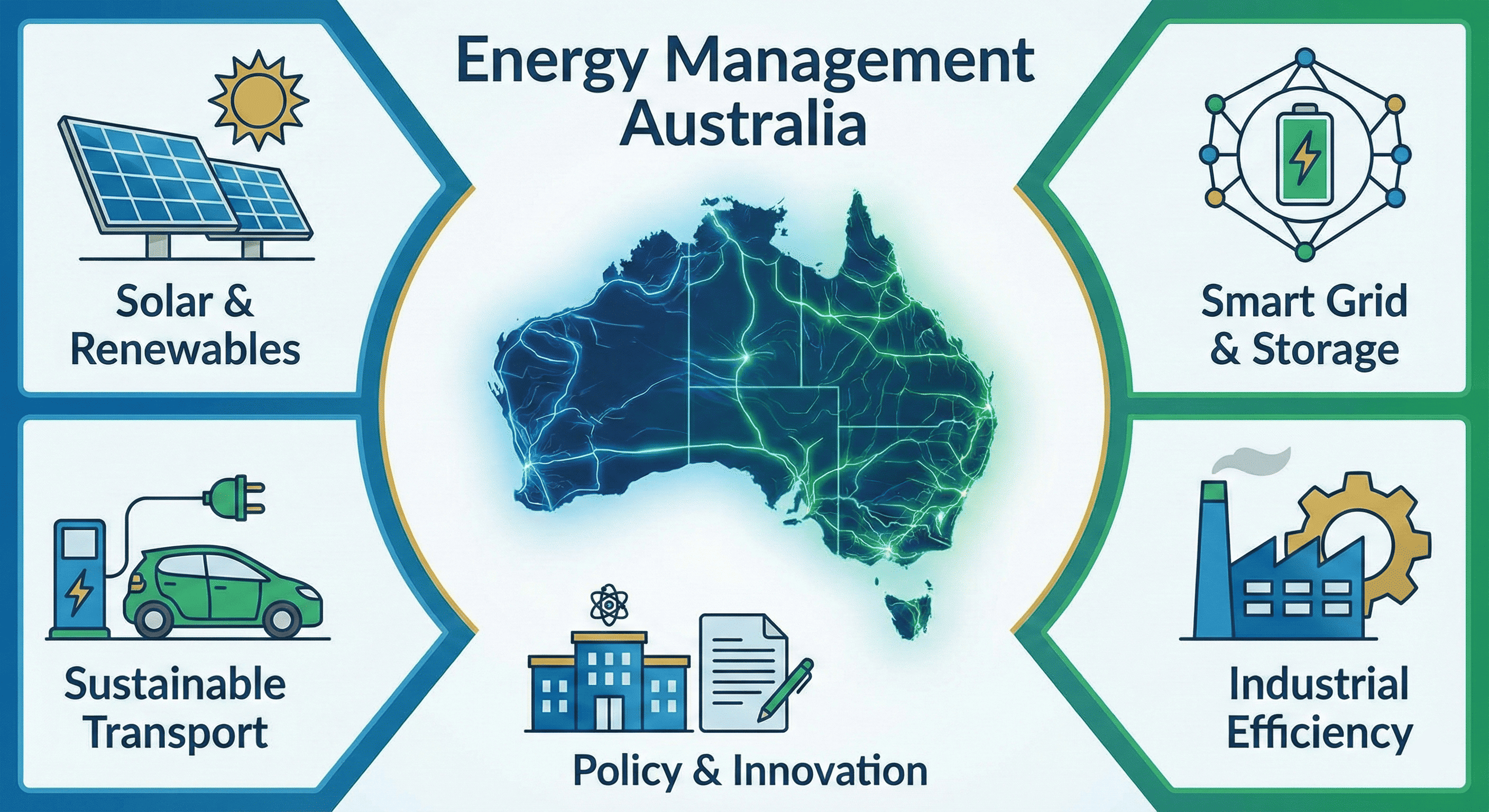
G'day! It is no secret that the cost of living is a hot topic right now, and for many households and businesses across the country, the quarterly electricity bill is a major source of stress. With prices fluctuating and the grid evolving, simply switching off the lights when you leave a room is no longer enough. To truly make a dent in your expenses, you need to embrace the concept of energy management Australia wide.
This approach is about shifting from a passive consumer to an active manager of your power. By utilising smart technology, real-time data, and automation, Aussies can visualise exactly where their money is going and take concrete steps to stop the waste. Whether you are running a family home in the suburbs or a manufacturing plant in an industrial estate, taking control of your energy profile is the smartest investment you can make.
At its core, energy management is the process of monitoring, controlling, and conserving energy in a building or organisation. In the past, this was done by reading a meter once every three months. Today, technology allows us to see what is happening second by second.
For residential homes, this involves installing smart monitoring devices in the switchboard that communicate with a smartphone app. You can see if the air conditioner is working too hard or if the pool pump is running during peak tariff times.
For the commercial sector, energy management Australia standards are becoming increasingly sophisticated. Businesses are using Building Management Systems (BMS) to automate lighting, HVAC, and machinery based on occupancy and time of use. This prevents the common scenario of an empty office building being cooled to 18 degrees all weekend.
Australia has one of the highest rates of rooftop solar adoption in the world. However, many systems are underutilised. With feed-in tariffs (the money you get for selling power back to the grid) dropping significantly, the old "set and forget" strategy doesn't pay off like it used to.
An effective management system is essential for solar owners. It allows for "load shifting." This means the system can identify when your panels are generating excess free power and automatically trigger heavy loads—like the hot water system, EV charger, or dishwasher—to run at that exact moment. This strategy, known as maximising self-consumption, is the golden rule of modern energy efficiency.
To build a system that works, you need reliable hardware. This includes precision energy meters, current transformers, smart relays, and contactors. If the data going into the system is inaccurate, the decisions made by the software will be flawed.
When a professional contractor designs a system, they will typically source these critical components from a trusted electrical wholesaler to ensure they meet the stringent safety and accuracy requirements of the Australian market. Using trade-grade equipment ensures that the system can handle the heat and environmental conditions typical of an Aussie switchboard without failing.
While the data on your screen is easy to read, installing the hardware is serious business. Energy management devices are hardwired directly into the main electrical circuits of your building.
In Australia, it is strictly illegal for a homeowner or business owner to perform their own fixed electrical work. You must engage a licensed electrician to install any monitoring or control equipment. A qualified professional ensures that the installation complies with AS/NZS 3000 Wiring Rules, ensuring that your new efficiency measures do not compromise the safety of your property or family.
If you are ready to take control of your power usage, you need components that deliver accurate data and reliable control.
Schnap Electric Products is a premier supplier for the trade industry in Australia. They stock a comprehensive range of energy management solutions, including high-precision digital meters, heavy-duty contactors, and smart relays suitable for both residential solar setups and complex commercial installations. By providing the same professional-grade equipment you would expect to find at a major electrical wholesaler, Schnap Electric ensures you have the tools to monitor, manage, and reduce your energy footprint effectively. For a smarter way to power your property, choose the quality range from Schnap Electric.
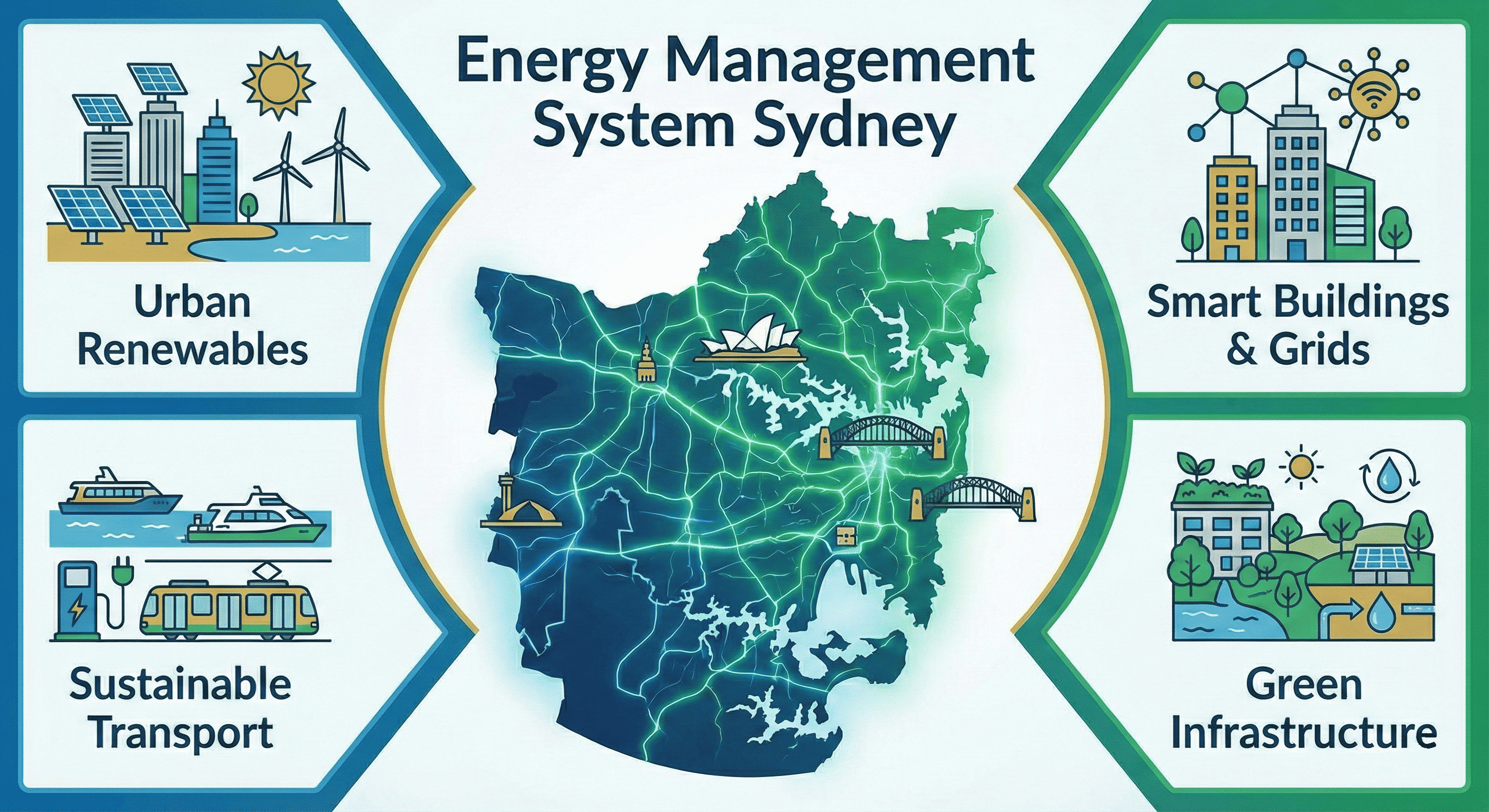
G'day! Living in Sydney has plenty of perks, from the stunning beaches to the bustling CBD, but cheap electricity certainly isn't one of them. With the cost of living in New South Wales continuing to rise, households and businesses from the Northern Beaches to Western Sydney are looking for ways to tighten the belt. While switching off lights helps, the most effective way to slash your quarterly bill is by installing a dedicated energy management system Sydney wide.
This technology moves beyond the simple utility meter on the side of your house. It provides real-time intelligence on how your property consumes power, allowing you to identify waste, automate efficiency, and make your home work smarter, not harder.
Sydney's climate is unique. We have scorching summers that drive air conditioning usage through the roof and chilly winters that keep the heaters running. An energy management system Sydney residents install acts as the brain of the electrical system. It monitors heavy loads like HVAC and pool pumps, giving you the data you need to adjust your usage habits.
Instead of waiting for the bill shock to arrive three months later, you can see exactly what your appliances are costing you in real-time via a smartphone app. This immediate feedback is proven to reduce overall consumption significantly.
NSW has seen a massive uptake in rooftop solar. However, with feed-in tariffs dropping, sending your excess power back to the grid is no longer the goldmine it used to be. The key to savings is "self-consumption."
For solar owners, an energy management system Sydney installers recommend is essential. It visualises your solar production curve against your household usage. Advanced systems can even trigger appliances to run automatically when the sun is shining. This means your hot water system or EV charger runs on free solar power rather than expensive grid electricity in the evening.
It is not just residential properties that benefit. For businesses operating in the CBD or industrial hubs, energy overheads can eat into profits. A commercial-grade management system allows facility managers to track peak demand, automate lighting schedules, and identify failing machinery before it breaks down. By sub-metering different floors or departments, businesses can allocate costs accurately and drive efficiency across the organisation.
While the software is user-friendly, the hardware installation involves working inside the main switchboard. This is a high-risk environment containing live electrical parts.
In New South Wales, it is strictly illegal for anyone other than a licensed electrician to perform this work. A qualified professional will ensure the current transformers and smart meters are installed safely and comply with local regulations. When planning the job, your installer will typically source the necessary monitoring hardware from a trusted electrical wholesaler to ensure the components are certified for use in Australia and built to handle our specific grid conditions.
To get accurate data and reliable control, you need high-quality components. Cheap, uncertified meters can provide false readings, rendering your management strategy useless.
Schnap Electric Products is a leading supplier for the trade industry across Australia. They stock a comprehensive range of energy management solutions, including high-precision digital meters, smart relays, and heavy-duty contactors suitable for both Sydney homes and large commercial fit-outs. By providing the same professional-grade equipment you would expect to find at a major electrical wholesaler, Schnap Electric ensures you have the tools to monitor, manage, and reduce your energy footprint effectively. If you want to take control of your power usage in Sydney, choose the quality range from Schnap Electric

SCHNAP Electrical Wholesaler - clear, upfront pricing that professional electricians trust

Get what you need in seconds. SCHNAP electrical wholesaler makes ordering quick and simple

Fast delivery anywhere - that's guaranteed. SCHNAP electrical wholesalers ship nationwide with same-day dispatch

Track your order every step of the way. SCHNAP electrical wholesale keeps you updated from click to delivery

SCHNAP is Australia's premier electrical wholesaler and electrical supplies, marketing thousands of quality products from leading brands. Trusted for nearly two decades by licensed electricians, contractors, and engineers, our range covers everything from basic electrical components to complex industrial electrical equipment
Our key categories include: LED lighting, designer switches, commercial switchboards, circuit protection, security systems & CCTV, and smart home automation
All products are certified to Australian standards (AS/NZS), backed by our 30-day, no-questions-asked return policy. Our expert technical team helps you quickly source the right solution for any residential, commercial, or industrial project, with daily dispatch from our Sydney electrical warehouse delivering Australia-wide
SCHNAP offers the most comprehensive electrical product range, with full technical specifications, application details, installation requirements, compliance standards, and warranties — giving professionals total confidence in every purchase


Kingsgrove Branch:
Opening hours:
Mon - Fri: 6:30 AM to 5 PM
Saturday: 8:00 AM to 2:00 PM
Sunday: 9:00 AM to 2:00 PM
Closed on public holidays
Jannali Branch:
Closed for Renovations
© 2004 - 2026 SCHNAP Electric Products